


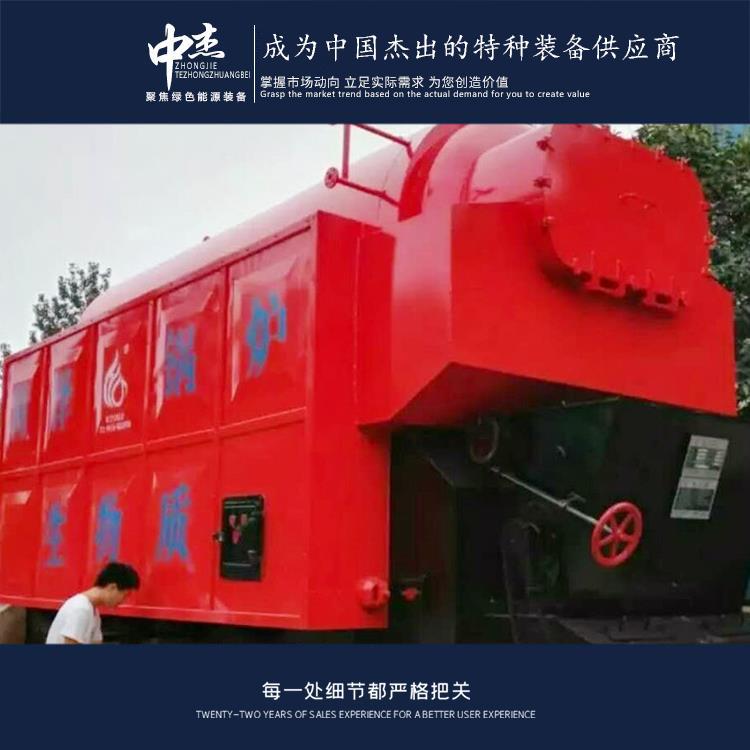

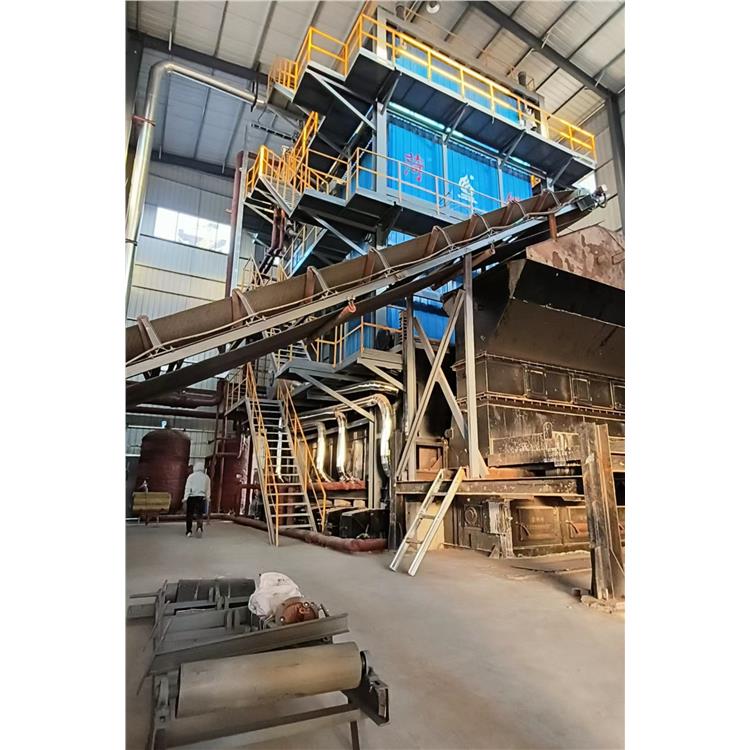
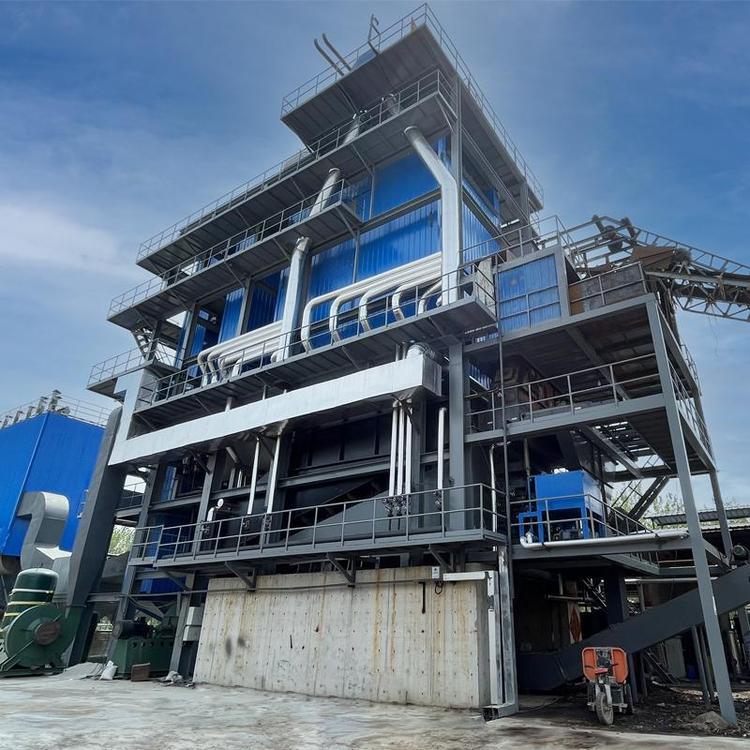


















Shandong Zhongjie Special Equipment's main products include: fuel (gas) boilers, organic heat carrier boilers, biomass boilers, waste heat boilers, and other boiler products; vacuum insulation cryogenic pressure vessels such as LNG tanks, oxygen/nitrogen/argon tanks, and CO2 tanks; pressure vessel products like denitrification engineering equipment, heat storage and energy storage equipment, and complete chemical equipment sets; central air conditioning and ventilation equipment such as ground (water) source heat pumps, air source units, water-cooled screw units, and air-cooled modular units. Planned products include large-scale energy centers, LNG transport vehicles, LNG tank containers, and other green energy equipment.
Advantages of Biomass Fuel:
Renewable Energy: Biomass fuel is a renewable energy source with a wide range of sources, including wood, straw, and waste, making its supply more sustainable compared to fossil fuels.
Environmental and Low-Carbon: The amount of carbon dioxide released during the combustion of biomass fuel is roughly equivalent to the amount absorbed during its growth, resulting in almost no net increase in CO2 emissions, which has a positive effect on mitigating climate change.
Reduce Waste Management: Biomass fuel can utilize agricultural straw, wood waste, and other waste materials, thereby reducing waste management and emission issues.
High energy utilization efficiency: Biomass fuel has a high calorific value and high combustion efficiency, which can be effectively converted into thermal or electrical energy, providing a reliable energy supply.
The use of biomass boilers:
Heating Systems: Biomass boilers can be used in heating systems such as heating, warm water, and steam supply, and are widely applied in residential areas, industrial factories, and commercial buildings, etc.
Industrial Production: Biomass boilers can provide thermal energy for industrial production, such as pulp and papermaking, food processing, and chemical industries, meeting the thermal energy requirements during the production process.
Power Generation System: Biomass boilers can be combined with steam turbine generator sets to convert the heat energy produced from combustion into electrical power for power supply.
Hot Water Supply: Biomass boilers can be used for hot water supply, such as for swimming pools, hot springs, hotels, and other similar facilities.
Agricultural Utilization: Biomass boilers can utilize agricultural waste such as crop straw to address energy issues in rural areas and provide the heat energy required for agricultural production.
The use of biomass boilers is environmentally friendly, sustainable, and efficient, effectively utilizing biomass resources, reducing reliance on fossil fuels, lowering carbon emissions, and promoting sustainable development.
Biomass boiler drying oven refers to the process of using a biomass boiler for drying oven heating. Below are the brief steps:
Prepare fuel: Select suitable biomass fuel such as wood chips and straw, and carry out pretreatment like drying and sieving to ensure the quality of the fuel and its suitability for the furnace.
Ignition and Ignition Adjustment: Place the fuel into the combustion chamber of the biomass boiler, ignite, and adjust the ignition. Ignition adjustment includes adjusting parameters such as the oxygen supply to the combustion chamber, fuel supply, and combustion temperature to ensure stable combustion.
Heating and Temperature Control: As fuel burns, biomass boilers produce high-temperature flue gases, which transfer their heat energy to the oven through a heat exchanger. During the heating process, it is necessary to control the oven's temperature to ensure that the material inside is properly heated.
Furnace Operation and Monitoring: During the furnace heating process, both operation and monitoring are required. Operation involves controlling fuel supply, heat transfer, and the movement of materials inside the furnace. Monitoring includes tracking parameters such as furnace temperature, pressure, and combustion efficiency to ensure normal operation and safety.
Furnace Completion and Cleaning: Upon completion of the heating process or achieving the desired furnace effect, cease fuel supply and heating, and perform the furnace completion procedures. Post-completion, it is necessary to clean the furnace and biomass boiler, as well as the ash and soot in the combustion chamber and flue, to maintain the cleanliness and proper operation of the equipment.
Biomass boilers can achieve energy conservation and emission reduction through the following methods:
Combustion Technology: The biomass boiler utilizes advanced combustion technologies such as fluidized bed combustion and pellet combustion, which enhance combustion efficiency, ensuring more complete fuel utilization, and reduce energy waste.
Heat Recovery Utilization: Biomass boilers generate a large amount of heat energy in the combustion process, which can be recovered and utilized through a flue gas waste heat recovery system. For instance, by using a flue gas waste heat boiler or a flue gas heat exchanger, the heat energy in the flue gas is converted into hot water, steam, or other forms of heat energy, thereby improving energy utilization efficiency.
Control combustion parameters: Biomass boilers can achieve optimal combustion effects by controlling combustion parameters such as combustion temperature and oxygen supply. Reasonable combustion parameters can enhance combustion efficiency, reduce fuel consumption, and minimize emissions.
Fuel Quality Control: Selecting biomass fuels with high moisture content and low ash, such as, can enhance combustion efficiency and reduce the generation of ash and pollutants.
Regular maintenance and cleaning: Regular maintenance and cleaning of biomass boilers to remove ash and carbon deposits from the combustion chamber and flue, ensuring the normal operation and combustion of the boiler.
Our control system: Utilizes an automatic control system, which can monitor and adjust the operating status of biomass boilers in real-time, ensuring stable combustion processes.
By taking these measures, biomass boilers can achieve energy saving and emission reduction, improve energy utilization efficiency, reduce carbon emissions and the generation of pollutants, and be more environmentally friendly.
To enhance the thermal efficiency of biomass boilers, the following measures can be taken:
Optimize the combustion system: Ensure the biomass boiler's combustion system operates efficiently with high combustion efficiency. Adoptable combustion technologies, such as fluidized bed combustion and chain grate combustion, can enhance combustion efficiency and thermal energy utilization.
Maintain fuel quality: Select biomass fuels by volume, such as dried wood chips, straw, etc., avoiding fuels with high moisture content. High-moisture fuels consume additional heat for water evaporation, reducing combustion efficiency.
Properly Adjust Fuel Supply: Adjust the fuel supply amount according to actual needs to avoid both over-supply and under-supply. Over-supply can lead to fuel wastage, while under-supply may affect combustion efficiency.
Maintain optimal combustion temperature: Keep the combustion temperature within a suitable range, avoiding excessively high or low temperatures. Excessively high temperatures lead to heat loss in the fuel, while too low temperatures can affect combustion efficiency.
Regular Cleaning and Maintenance: Regularly clean the combustion chamber, flue, heat exchanger, and other components of the biomass boiler to keep them clean and unobstructed. Accumulated ash and dirt can affect heat conduction and heat exchange efficiency, reducing thermal efficiency.
Utilize waste heat recovery technology: Employing waste heat recovery units to utilize the residual heat generated from combustion for heating systems or other applications.
Zhongjie Special Equipment upholds the grand vision of "realizing employees' dreams, creating value for customers, and striving for the prosperity and strength of our motherland," and is dedicated to the development of the green energy equipment industry. We offer society products and services with high cost-performance!
WeChat Official Account

Scan to follow Official Account



















