


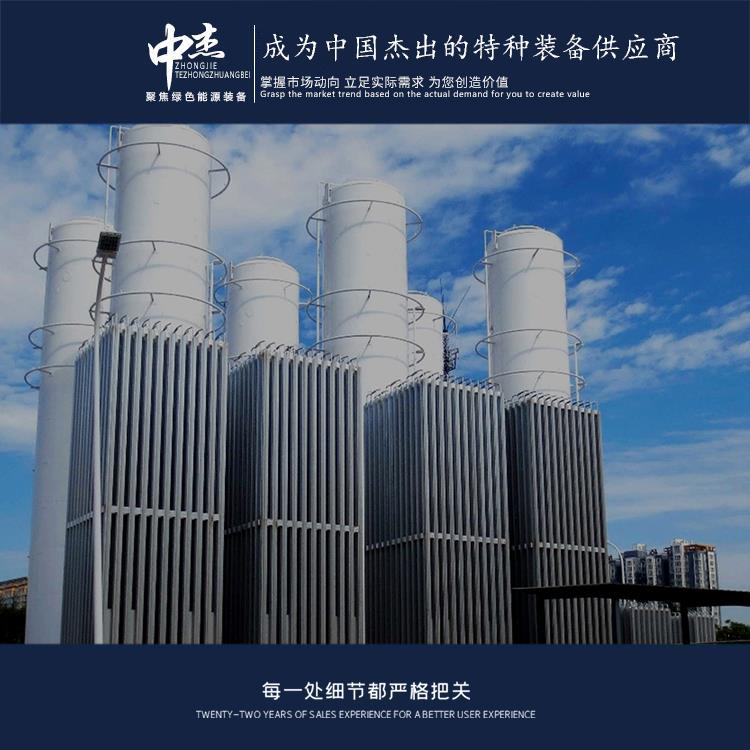

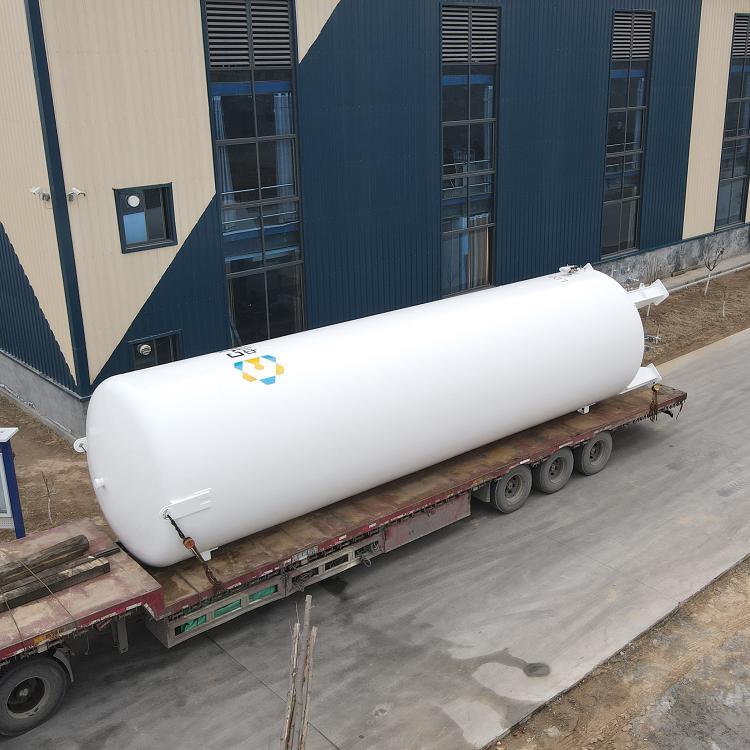
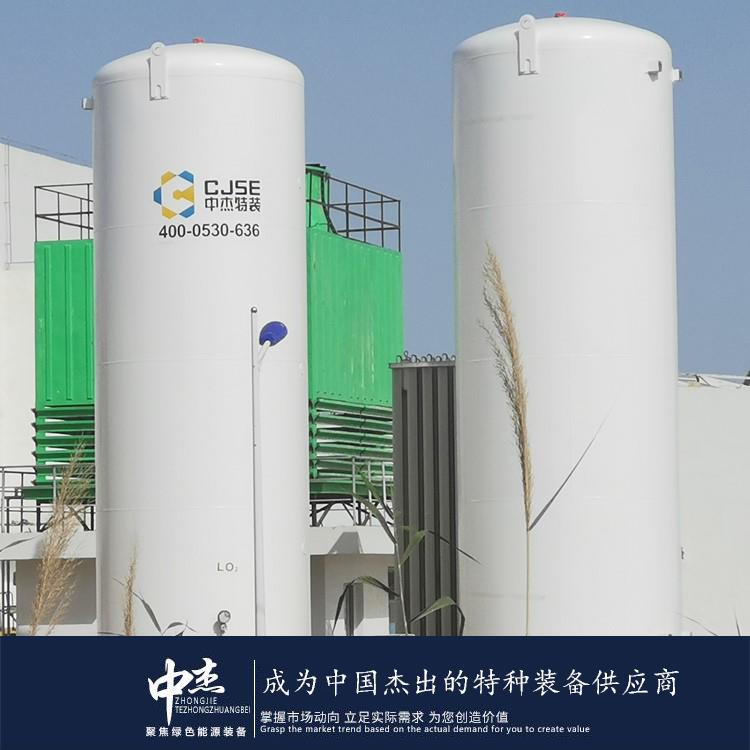


















Shandong Zhongjie Special Equipment (formerly Heze Boiler Factory Co., Ltd.) was established in 2001, located at No. 2218 Jinnan Road, Development Zone, Heze City, with a registered capital of 50 million yuan and total assets of 500 million yuan. The company has 7 business centers: boilers, deep-freeze containers, pressure vessels, central air conditioning, engineering installation, international trade, and Internet of Things. It has three manufacturing sites on Jinnan Road, East Yangtze Road, and Bohai Road, covering a total of 200,000 square meters, with the main workshop spanning 83,000 square meters. It currently employs 710 people, including 247 engineers and technicians, and 82 intermediate-level technical personnel. In December 2016, it was recognized as a "High-Tech Enterprise" by the Science and Technology Department. In June 2021, it was identified as a "Specialized and New Enterprise in Shandong Province" by the Department of Industry and Information Technology. In June 2022, it was recognized as a "Gazelle Enterprise in Shandong Province" and in August 2022, it was identified as a "Specialized and New Small Giant Enterprise" by the Ministry of Industry and Information Technology.
The operational and protection procedures for the application of low-temperature liquid nitrogen storage tanks should include the following:
Staff Training: All operators must undergo safety training for liquid nitrogen storage tanks, familiarizing themselves with the properties, hazards, proper operation methods, and emergency response measures of liquid nitrogen.
Protective Gear: Operators must wear appropriate protective gear, including gloves, protective suits, and non-slip shoes, to safeguard themselves from the low temperatures of liquid nitrogen and other hazards.
Ventilation Requirements: Ensure adequate ventilation in the operational area of the liquid nitrogen storage tank to exhaust gases produced by the evaporation of liquid nitrogen. Avoid excessive oxygen concentration to reduce the risk of fire and explosion.
Leak Control: Tanks must be equipped with leak detection and alarm systems to promptly identify and control the leakage of liquid nitrogen. Upon detection of a leak, immediate measures should be taken to control the source of the leak and carry out repairs.
Fire Prevention Measures: Liquid nitrogen has a low boiling and freezing point, which can easily cause fires. Measures such as setting up firewalls around liquid nitrogen storage tanks and using fire-retardant coatings are taken to prevent fires from occurring and spreading.
Electrostatic Protection: Electrostatic buildup in liquid nitrogen tanks can cause sparks, increasing the risk of fire. Measures such as using electrostatic conductive materials and antistatic equipment should be taken to reduce the accumulation and release of static electricity.
Regular inspections and maintenance: Conduct regular checks on the condition of liquid nitrogen tanks and related equipment, including valves, pipelines, pressure gauges, etc. Ensure the equipment is intact and promptly repair or replace any damaged parts.
Waste Gas Treatment: Liquid nitrogen storage tanks produce waste gas during operation, and appropriate waste gas treatment measures must be implemented to prevent potential harm to the environment and human health.
Emergency Response Plan: Develop an emergency response plan for liquid nitrogen tanks, including procedures for handling leaks, emergency rescue measures, and protocols for notifying relevant departments. Operators
When selecting welding materials for pressure vessels, several factors should be considered:
Material Matching: The selection of welding material should match the base material of the pressure vessel to ensure the strength and corrosion resistance of the weld joint. Common matches include carbon steel welding material with carbon steel base material, stainless steel welding material with stainless steel base material, etc.
Strength requirements: Select welding materials with sufficient strength based on the design requirements and working conditions of the pressure vessel. The strength of the welding materials should match the base material to ensure that the strength of the weld joint does not become a weakness of the vessel.
Corrosion Resistance: Select welding materials with excellent corrosion resistance based on the working environment and medium of the pressure vessel. For instance, pressure vessels operating in corrosive media may require the use of stainless steel welding materials with superior corrosion resistance.
Welding Properties: The selection of welding materials should consider their welding properties, including penetration depth, weld bead shape, and crack resistance. The chosen materials should meet the requirements of the welding process and ensure the quality of the weld joints.
Relative Standards and Regulations: When selecting welding materials, refer to relevant standards and regulations, such as the ASME Boiler and Pressure Vessel Code, AWS (American Welding Society) standards, etc. These standards and regulations provide guidance and requirements for the selection of welding materials.
It should be noted that the selection of welding materials should be conducted by a welding engineer or a qualified welder. They can choose the appropriate materials based on specific application requirements, working conditions, and safety standards, in conjunction with relevant specifications. Moreover, manufacturers and suppliers usually provide recommendations and technical support for welding material selection.
The filling process for liquid nitrogen tanks typically includes the following steps:
Preparation: Ensure the storage tank and filling equipment are in good condition with no damage or leaks. Check that the insulation layer of the tank is intact and undamaged.
Safety Inspection: Check the tank and its surrounding environment for safety. Ensure there are no flammable materials or other hazardous items in the vicinity of the tank.
Connect equipment: Link the filling equipment to the storage tank. Ensure the connection is securely fastened and leak-free.
Prepare Liquid Nitrogen: Prepare liquid nitrogen supply, ensuring the quality and purity meet the requirements.
Open valves: Follow the operation instructions of the filling equipment, gradually open the corresponding valves to allow liquid nitrogen to flow from the supply source into the storage tank.
Regulate Flow: Adjust the flow control valve of the filling equipment as needed to control the inflow rate of liquid nitrogen. Ensure the flow is moderate, avoiding too fast or too slow.
Monitor Liquid Level: Real-time monitoring of the liquid nitrogen level in the storage tank through a liquid level gauge or other level monitoring devices. Ensure the level is maintained within a safe range.
Cease Filling: Close the valve of the filling equipment when liquid nitrogen fills the tank or reaches the desired level, halting the addition of liquid nitrogen.
Disconnect: Disconnect the filling equipment from the tank, ensuring there are no leaks at the connection point.
Safety Inspection: Recheck the tank and its surrounding environment for safety, ensuring there are no leaks or other safety hazards.
The procedure mentioned is for general reference only; the actual filling process may vary depending on the specific type of tank and filling equipment. When performing filling operations for liquid nitrogen tanks, please adhere to the relevant operational specifications and safety requirements, and ensure that the operators are trained and skilled in safety procedures.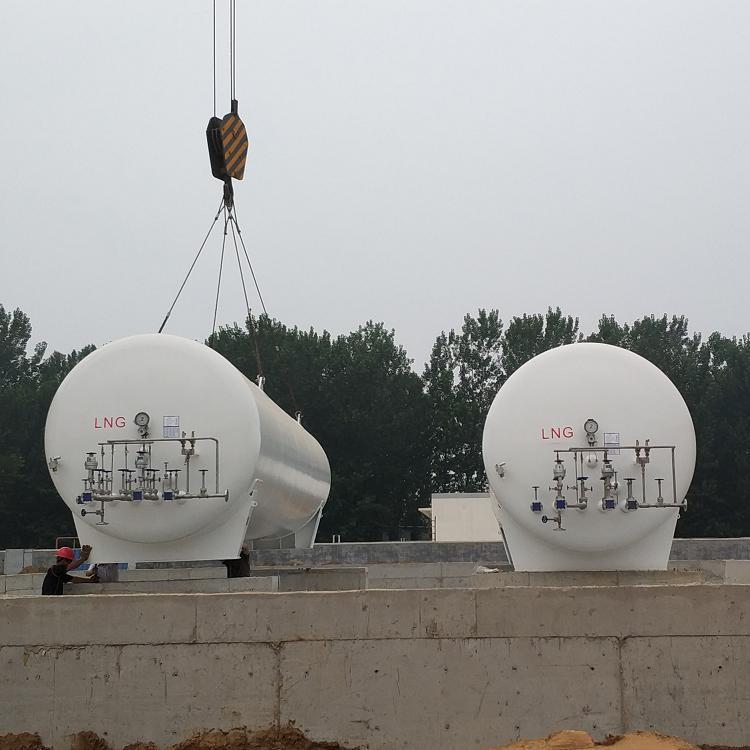
The installation of the safety valve on liquid oxygen storage tanks is a crucial component to ensure that the tank can release pressure in a timely manner during overpressure situations, protecting the tank and associated equipment. Below are the steps for installing the safety valve on a liquid oxygen storage tank:
Determine the rated pressure of the safety valve: Select an appropriate safety valve based on the design pressure and flow requirements of the liquid oxygen tank. Ensure that the rated pressure of the safety valve meets the tank's specifications and complies with relevant safety standards and regulations.
Valve Installation Location: Select a suitable location for installing the safety valve. Typically, the safety valve should be mounted on the top or side of the liquid oxygen storage tank to allow for timely pressure release in the event of overpressure.
Prepare installation interfaces: Prepare the appropriate interfaces according to the connection method of the safety valve. This may include welding interfaces, threaded interfaces, or flange interfaces, etc. Ensure the sealing and firmness of the connections.
Install the safety valve: Mount the safety valve onto the prepared interface. Follow the installation instructions for the safety valve to ensure proper connection and tightening.
Adjustment and Testing: After installation, adjust and test the safety valve according to its specifications. Ensure that the opening and closing pressures of the safety valve meet the design requirements, and conduct a leak test to verify its sealability.
Connect exhaust piping: The exhaust piping of the safety valve should be properly connected to the outlet of the safety valve. The exhaust piping should have sufficient diameter and flow capacity to ensure effective exhaust of overpressure gas when the safety valve is opened.
Identification and Record: Label safety valves and discharge pipes with relevant information such as rated pressure, flow rate, and installation date. Additionally, record the installation details and test results of the safety valves for future reference and maintenance.
When installing the safety valve on the liquid oxygen storage tank, it is imperative to follow relevant safety regulations and operational guidelines. If you lack the necessary experience and knowledge, it is advisable to seek assistance and guidance from experts to ensure the correct installation and reliable operation of the safety valve.
Zhongjie Special Equipment upholds the grand vision of "realizing employees' dreams, creating customer value, and striving for the prosperity and strength of our motherland," and is dedicated to the development of the green energy equipment industry. We commit to society with high-quality, cost-effective products and services!
WeChat Official Account

Scan to follow Official Account



















