



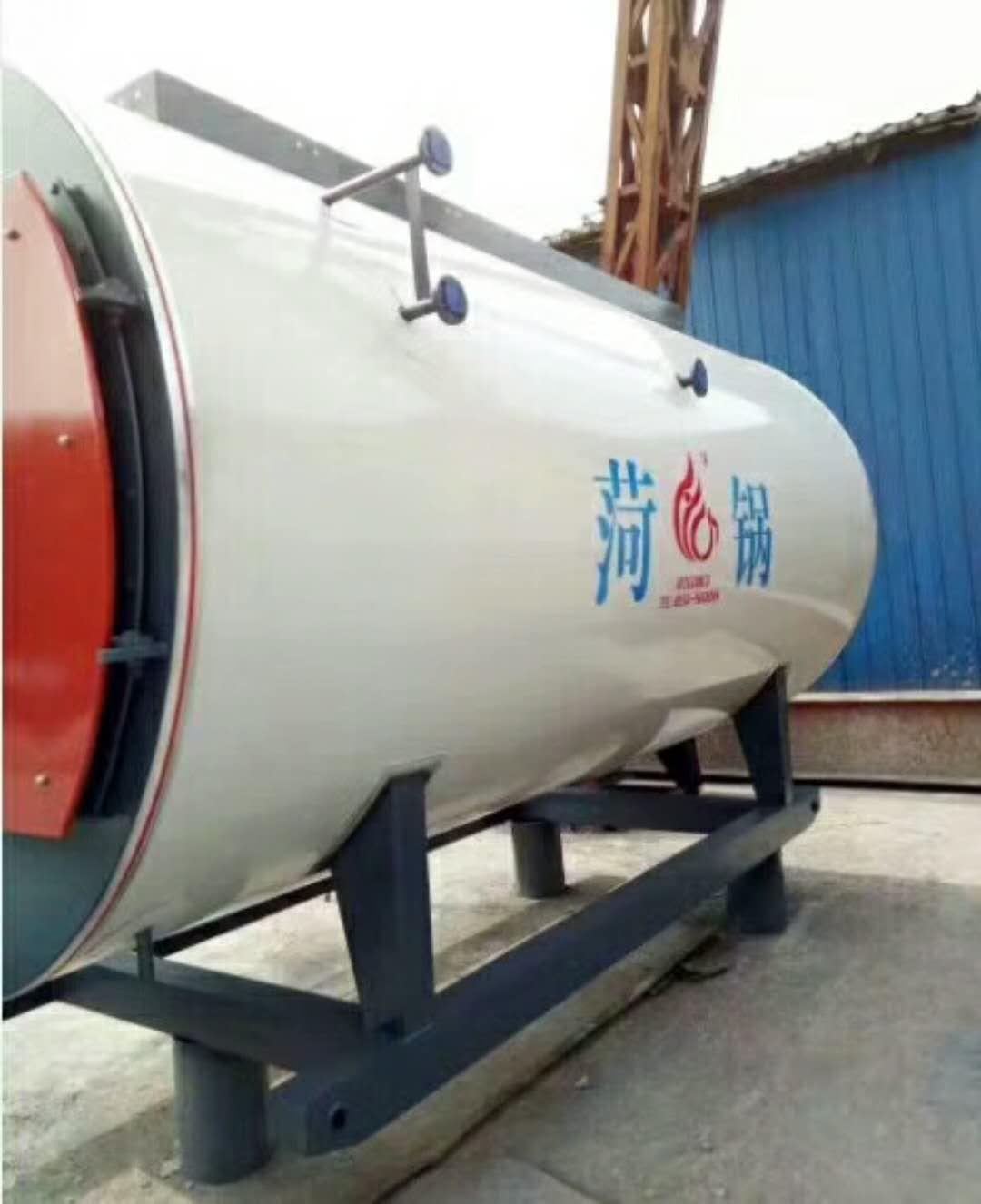


















Shandong Zhongjie Special Equipment (formerly Heze Boiler Factory Co., Ltd.) holds an A-grade boiler manufacturing license, an A2-grade pressure vessel manufacturing license, an A2-grade pressure vessel design license, a B-grade boiler installation license, and GB2/Class, GC2/Class pressure pipeline installation licenses, as well as a mechanical and electrical equipment installation contracting qualification. It is a member of the China Boiler and Water Treatment Association, the China Chemical Equipment Association, and the director unit of the Shandong Equipment Manufacturing Association. The company has also passed the ISO9001 Quality Management System, ISO14001 Environmental Management System, OHSAS18001 Occupational Health and Safety Management System certifications, and the American ASME/U2 certification.
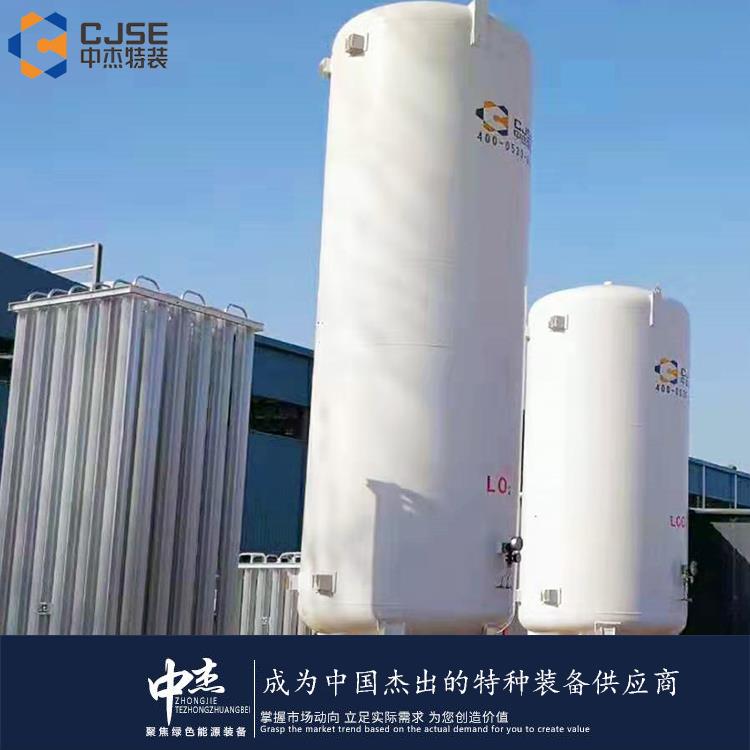
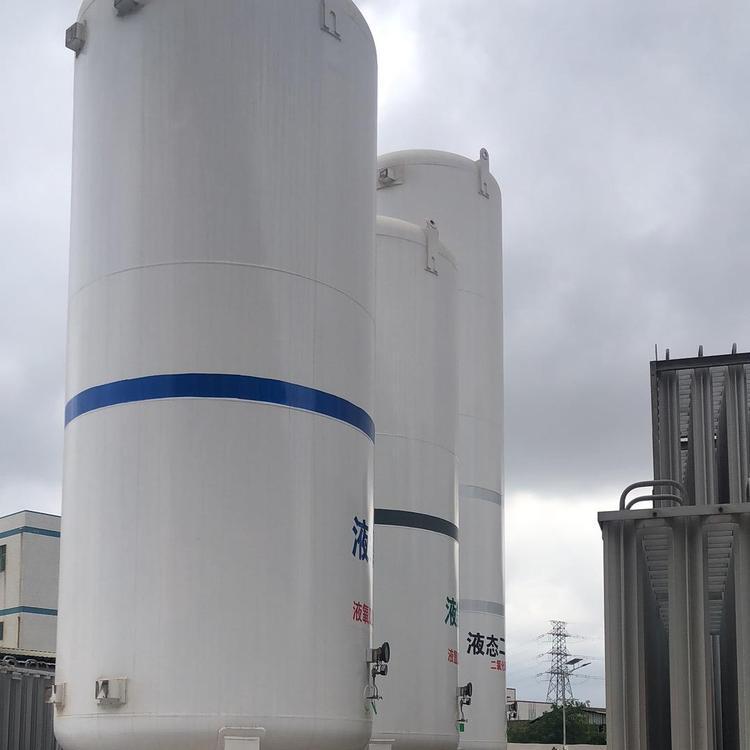
Low-temperature liquid storage tanks are equipment used for storing low-temperature liquids, commonly used for storing liquid oxygen, liquid nitrogen, liquid argon, and other low-temperature liquids. These liquids exist in a gaseous state at room temperature but are cooled to a liquid state at low temperatures for better storage and usage. These storage tanks are typically made of high-strength materials such as stainless steel or aluminum alloy to withstand low temperatures and high pressures. They usually have an insulating layer inside to reduce evaporation and maintain the low-temperature state. The applications of low-temperature liquid storage tanks include but are not limited to the following areas: They are widely used in rocket and spacecraft fuel and propulsion systems, such as liquid oxygen, liquid nitrogen, and liquid hydrogen storage tanks. They are used to store and supply low-temperature liquids as fuel and oxidizers to propel rockets and spacecraft. Industrial Production: Low-temperature liquid storage tanks are used in industrial production to store and supply low-temperature liquids like liquid oxygen, liquid nitrogen, and liquid argon. These liquids serve as coolants, raw materials for gas separation, and reactants in chemical reactions, among other uses. Medical Applications: These tanks are used in the medical field to store and supply liquid oxygen for oxygen therapy, inhalation therapy, and operating rooms. Laboratory Research: In scientific research and laboratories, low-temperature liquid storage tanks provide low-temperature liquids as coolants and refrigerants. They are used for cooling laboratory equipment, material research, superconductivity, and low-temperature physics, among other applications. In summary, low-temperature liquid storage tanks are widely used in aerospace, industrial production, and laboratory research, for storing and supplying low-temperature liquids to meet the needs of various fields.
The use of low-temperature liquid storage tanks requires attention to the following:
Safe Operation: Operators must receive training and understand the procedures and safety precautions for the storage tank. Adhere to the correct operational steps to ensure safe operation.
Protective Gear: Operators should wear appropriate protective gear, such as thermal suits, gloves, etc., to safeguard themselves from injuries caused by low-temperature liquids.
Leak Protection: Regularly inspect the seals of tanks and associated pipelines to prevent leaks of low-temperature liquids. Keep the area around the tank clean to avoid debris obstructing leak detection and handling.
Fire Protection: Low-temperature liquids are highly flammable and fire prevention measures must be taken. Keep the area around storage tanks free of ignition sources, prohibit smoking and open flames. Equip with appropriate fire-fighting equipment to address fire risks.
Pressure Control: Regularly inspect and maintain the pressure control system of the storage tank to ensure the pressure inside remains within a safe range. Safety valves and pressure sensors, among other equipment, should operate normally, and abnormal pressure conditions should be detected and addressed promptly.
Insulation Protection: Low-temperature liquid storage tanks should be equipped with an effective insulation layer to minimize heat transfer and evaporation of the liquid. The selection and installation of the insulation layer should comply with relevant standards and requirements.
Regular Inspections and Maintenance: Conduct regular inspections of the tank's exterior and interior, including checking for leaks, corrosion, wear, or other damage. Pay special attention to the tank's interfaces, valves, and pipelines, ensuring they operate normally.
Emergency Preparedness: Develop an emergency response plan, including measures for leaks, fires, and other unforeseen incidents. Operators should be familiar with the emergency response plan and be equipped with appropriate emergency and firefighting equipment.
The process of using liquid oxygen storage tanks for pressure regulation and oxygen supply typically includes the following steps:
Liquid Oxygen Storage Tank Oxygen Supply System: Typically, a liquid oxygen storage tank oxygen supply system is installed, which includes the liquid oxygen storage tank, liquid oxygen transport pipeline, and pressure regulating devices. The liquid oxygen in the storage tank is transported through the pipeline to the pressure regulating device.
Pressure Regulator: The pressure regulator is used to convert high-pressure liquid oxygen into the required low-pressure oxygen. It typically includes a pressure valve, a reducer, and a flow meter. The pressure valve is for controlling the oxygen pressure, the reducer is for reducing the high-pressure liquid oxygen to the required low pressure, and the flow meter is for measuring the oxygen flow rate.
Oxygen Transmission Pipeline: Low-pressure oxygen released from the pressure-reducing device is conveyed through the transmission pipeline to areas requiring oxygen supply, such as wards and operating rooms. The transmission pipeline is typically made of stainless steel or plastic, offering excellent airtightness and corrosion resistance.
Oxygen Interface: Install oxygen interfaces at locations requiring oxygen supply, such as hospital beds or operating tables. Oxygen interfaces typically include oxygen flow regulators and oxygen connectors, used to adjust oxygen flow and connect oxygen masks or tubes.
Oxygen supply and regulation: Control the pressure and flow of oxygen by adjusting the pressure valve of the pressure regulator. Adjust the flow and concentration of oxygen according to the patient's needs, ensuring an adequate oxygen supply to the patient.
Be mindful that when using liquid oxygen storage tanks for pressure-regulated oxygen supply, adhere to the relevant equipment operation and safety protocols. Operators must have the appropriate training and skills to ensure the smooth and safe operation of the oxygen supply system. Furthermore, schedule regular inspections and maintenance of the system's equipment and pipelines to guarantee their proper functioning and safety.
The medical oxygen steel cylinder filling area, in addition to the liquid oxygen storage tank, includes the following components:
Oxygen Compressor: Oxygen compressors are used to compress gaseous oxygen into high-pressure oxygen. These compressors are typically made of special materials and designed to ensure safe handling and compression of oxygen.
Oxygen Purification System: The oxygen purification system is designed to remove impurities and contaminants from oxygen, ensuring the purity and quality of the supplied oxygen. The system typically includes filters, adsorbents, and molecular sieves.
Oxygen Storage System: In addition to liquid oxygen tanks, the oxygen filling area may also include a gaseous oxygen storage system for temporary storage and supply of gaseous oxygen. The gaseous oxygen storage system typically includes high-pressure oxygen cylinders or gas storage tanks.
Filling Equipment: Filling equipment is used to transfer oxygen from liquid oxygen storage tanks or gaseous oxygen storage systems into medical oxygen steel cylinders. The filling equipment typically includes a filling machine, filling pipes, and filling control systems.
Oxygen Quality Monitoring System: The oxygen quality monitoring system is used for monitoring the quality and purity of oxygen being filled. Quality inspections and monitoring are conducted on the filled oxygen through an oxygen analyzer or other detection equipment.
Safety Facilities: The filling area should be equipped with corresponding safety facilities, such as fire alarm systems, oxygen leak detection systems, ventilation systems, etc., to ensure the safety and protective measures of the filling process.
It is important to note that the design and equipment configuration of the medical oxygen cylinder filling area should comply with relevant regulations, standards, and specifications. During the filling process, strict adherence to operational procedures and safety requirements is essential to ensure the safe supply of oxygen.
Our company places great emphasis on technological innovation and research and development, boasting 1 municipal enterprise technology center in Heze City. We have established testing facilities for non-destructive testing, physical and chemical testing, welding testing, hydrostatic testing, and more. We are equipped with over 600 types of instruments and equipment, including CNC machine tools, X-ray flaw detectors, digital ultrasonic flaw detectors, mechanical property testing machines, chemical analyzers, spectrometers, tensile testing machines, plasma welding machines, and more. The key products we have developed, such as temperature and pressure vessel welding, biomass boiler emission reduction, and waste heat recovery, have successively been included in multiple Shandong Provincial Department of Industry and Information Technology scientific and technological innovation projects, key projects in Shandong Province, and Heze City innovative and excellent projects, etc. We have accumulated a total of 27 authorized utility model patents, 16 authorized invention patents, participated in drafting 2 standards, 2 industry standards, and registered 15 trademarks. Our technical team, in collaboration with Professor Yajiang Li of Shandong University, has developed deep cryogenic container processing technology using the internationally recognized plasma arc + wire filling argon arc welding (PAW-GTAW) technology. The provincial scientific and technological achievement assessment has confirmed that our technology level in deep cryogenic container manufacturing has reached international standards. Choose Zhongjie Special Equipment, let's create brilliance together!
WeChat Official Account

Scan to follow Official Account



















