


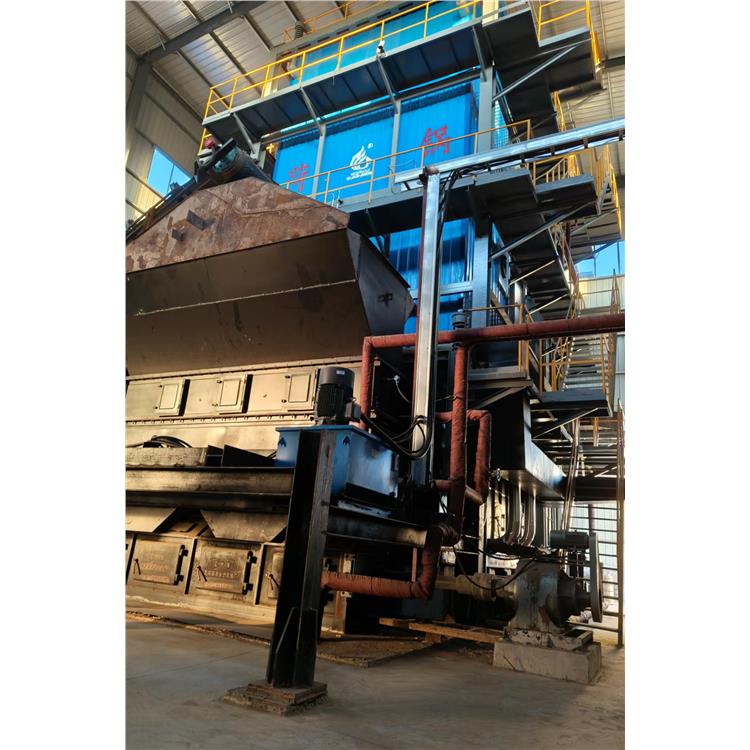

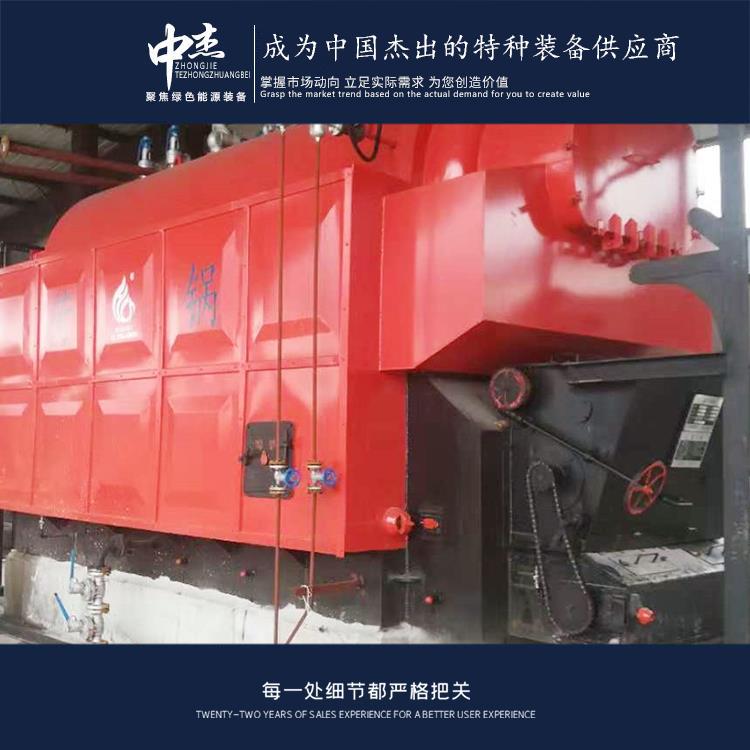
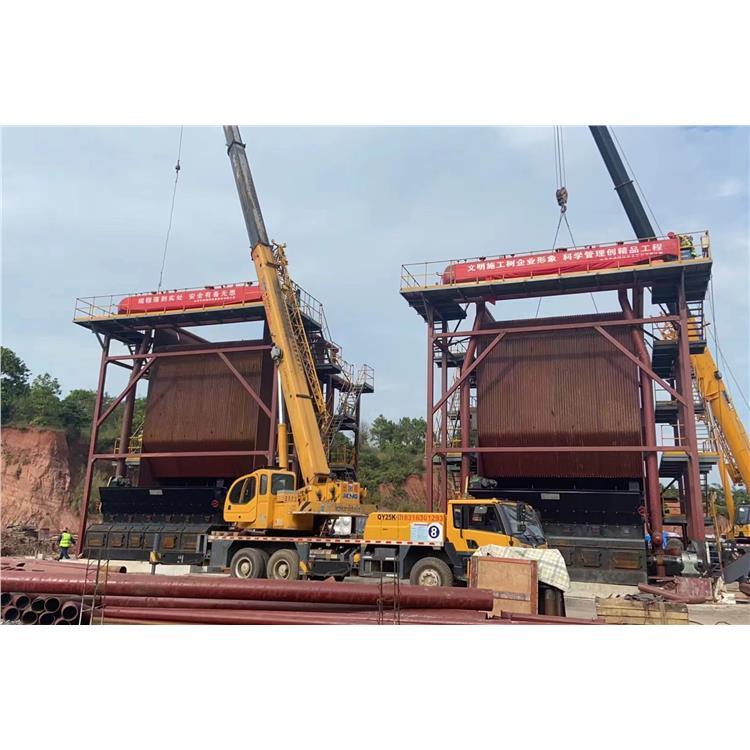


















Shandong Zhongjie Special Equipment Co., Ltd. (formerly Heze Boiler Factory Co., Ltd.) holds an A-grade boiler manufacturing license, an A2-grade pressure vessel manufacturing license, an A2-grade pressure vessel design license, a B-grade boiler installation license, and GB2/GC2-class pressure pipeline installation licenses, as well as an electromechanical equipment installation contracting资质. It is a member of the China Boilers and Water Treatment Association, the China Chemical Equipment Association, and the Council Member of the Shandong Equipment Manufacturing Association. The company has also passed the ISO9001 Quality Management System, ISO14001 Environmental Management System, OHSAS18001 Occupational Health and Safety Management System certifications, and the American ASME/U2 certification.
Controlling fouling in biomass boilers is crucial for ensuring smooth operation and extending the lifespan of the boiler. Here are some common measures for controlling fouling in biomass boilers:
Select fuel wisely: Opt for high-quality, appropriately humid biomass fuel to avoid using excessively wet or contaminated fuel, reducing the likelihood of carbon buildup.
Regulate combustion temperature: Reasonably control the combustion temperature of biomass boilers to avoid excessively high temperatures, reducing fuel residence time in the furnace and minimizing the risk of slagging.
Enhance furnace cleaning: Regularly clean the furnace to remove ash and accumulated soot, ensuring the furnace remains clear and reducing the likelihood of coking.
Regulate Excessive Air: Reasonably control the air supply during the combustion process of biomass boilers to prevent excessive air from entering the furnace, thereby reducing the risk of fuel oxidation and slagging.
Regular Ash Blowing: Regularly perform ash blowing on biomass boiler components such as economizers and superheaters to remove ash and slag, maintaining heat exchange efficiency and reducing the likelihood of scaling.
Enhanced Monitoring and Inspection: Regularly monitor and inspect biomass boilers, including parameters such as furnace temperature, flue gas composition, and furnace pressure, to promptly identify any anomalies and take appropriate actions.
These measures can help control the fouling issue in biomass boilers, maintain normal operation of the boiler, and extend the service life of the boiler. Additionally, based on specific circumstances, other appropriate measures can be adopted in conjunction with actual operating experience and technical requirements.
Water level control during the operation of biomass boilers is crucial, mainly to ensure the safe and normal operation of the boiler. The following are general methods of water level control:
Level gauge monitoring: Biomass boilers typically install level gauges to monitor the water level inside the boiler. These gauges can be glass tube level gauges, electric level gauges, or pressure level gauges, etc. The readings from the level gauge provide real-time insights into the water level inside the boiler.
Water Level Controller: Biomass boilers are typically equipped with a water level controller for automatic water level regulation. The controller adjusts the water level inside the boiler by controlling the operation of devices such as feed water pumps or drain valves, based on the set water level range.
Water Supply Control: When the boiler water level is too low, the water level controller sends a signal to start the water supply pump, replenishing water into the boiler to maintain the water level within a safe range. Water supply control requires adjustment based on the actual needs of the boiler and changes in the water level.
Wastewater Control: When the boiler water level is too high, the level controller sends a signal to activate the drain valve, expelling excess water to maintain the level within a safe range. The wastewater control also needs to be adjusted according to the actual needs of the boiler and changes in water levels.
Alarm Protection: Should the boiler water level exceed the high limit or fall below the low limit, the water level controller will emit an alarm signal to alert the operator to take action. Additionally, the boiler should be equipped with a water level protection device, which will automatically shut off the gas supply to the burner in case of abnormal water levels, ensuring the safety of the boiler.
Note that the control of water level must be based on the specific design of the boiler and the operation manual to ensure proper and safe operation. Additionally, regular inspections and maintenance of devices such as the water level gauge and controller are necessary to ensure their normal operation and accuracy.
Blowing ash refers to the process of removing dust and deposits from the flue, furnace, and heat exchange surfaces of a boiler during its operation, through methods such as injecting high-pressure steam or compressed air. The function of blowing ash and its impact on the operation of biomass boilers are as follows:
Function:
Dust and soot: Biomass combustion generates a significant amount of dust and soot, which can adhere to the flue, furnace, and heat exchange surfaces of the boiler, affecting heat transfer efficiency. Blowing dust can remove these accumulations, keeping the boiler clean.
Enhancing Heat Transfer Efficiency: Ash and dirt accumulation on boiler flues, fireboxes, and heat exchange surfaces create thermal resistance, hindering heat transfer. Blowing dust can reduce this resistance, enhancing heat transfer efficiency and minimizing energy waste.
Prevent Scaling and Corrosion: Ash and dirt accumulation on boiler flues and furnace walls can lead to excessively high local temperatures, causing scaling and corrosion issues. Blowing ash can lower local temperatures and prevent the occurrence of scaling and corrosion.
Impact:
Boiler thermal efficiency: The blowing of ash can remove accumulated dust and soot from the boiler flue, furnace, and heat exchange surfaces, thereby enhancing the efficiency of heat transfer and ultimately increasing the boiler's thermal efficiency.
Boiler Safety: Blowing ash can prevent fouling and corrosion in the boiler flue and furnace, reduce potential safety hazards, and ensure the safe operation of the boiler.
Boiler Stability: Blowing ash helps maintain the boiler's cleanliness, reducing the impact of accumulated dust and dirt on the boiler's operation, thereby improving boiler performance.
Biomass boilers may produce scale during operation, which can affect their thermal efficiency and operational stability. Here are several methods to reduce scale in biomass boilers:
Fuel Pre-treatment: Pre-treat biomass fuel, such as drying and sieving. Reducing the moisture and impurity content of the fuel can minimize the formation of dirt.
Combustion Adjustment Control: Utilizes a combustion adjustment control system that monitors and adjusts parameters such as temperature and oxygen content in real-time during the combustion process. By adjusting combustion parameters rationally, incomplete combustion of fuel can be reduced, thereby lowering the generation of soot.
Clean Combustion Chamber: Regularly clean the soot inside the combustion chamber, including the chamber walls and internal accumulation. Regular cleaning prevents soot buildup and maintains the chamber's airflow.
Regularly Clean Heat Exchangers: Biomass boiler heat exchangers are prone to scaling, which affects heat transfer efficiency. Regular cleaning of the heat exchangers removes scale and dust, enhancing heat transfer efficiency.
Water Treatment: The quality of water in biomass boilers also affects the formation of scale. Appropriate water treatment measures, such as water softening and deoxygenation, can reduce the formation of scale and sediment.
Regular Maintenance: Regular maintenance of biomass boilers includes cleaning, inspection, and replacement of parts. Early detection and resolution of issues can minimize the formation and accumulation of dirt.
By integrating these measures, effectively reducing scale formation in biomass boilers can be achieved, maintaining the operation and stability of the boiler.
Our company attaches great importance to technological innovation and R&D design. We have 1 municipal-level enterprise technology center in Heze City, with testing facilities for non-destructive testing, physical and chemical testing, welding testing, hydrostatic testing, etc. We are equipped with over 600 types of equipment, including CNC machine tools, X-ray flaw detectors, digital ultrasonic flaw detectors, mechanical property testing machines, chemical analyzers, spectrometers, tensile testing machines, plasma welding machines, and more. The key products and technologies we have developed, such as welding of temperature and pressure vessels, emissions reduction of biomass boilers, and waste heat utilization, have successively been selected for multiple Shandong Provincial Department of Industry and Information Technology science and technology innovation projects, Shandong Provincial key projects, and Heze City innovative and excellent projects. We have accumulated 27 authorized utility model patents, 16 authorized invention patents, participated in drafting 2 standards, 2 industry standards, and registered 15 trademarks. The technical team of our company, in collaboration with Professor Yajiang Li of Shandong University, has jointly developed deep cryogenic container processing technology, which adopts the international plasma arc + wire filling argon arc welding (PAW-GTAW) technology. After being appraised as a provincial-level scientific and technological achievement, our technology level has reached the international standard in the field of deep cryogenic container manufacturing. Choose Zhongjie Special Equipment, and let's create brilliance together!
WeChat Official Account

Scan to follow Official Account



















