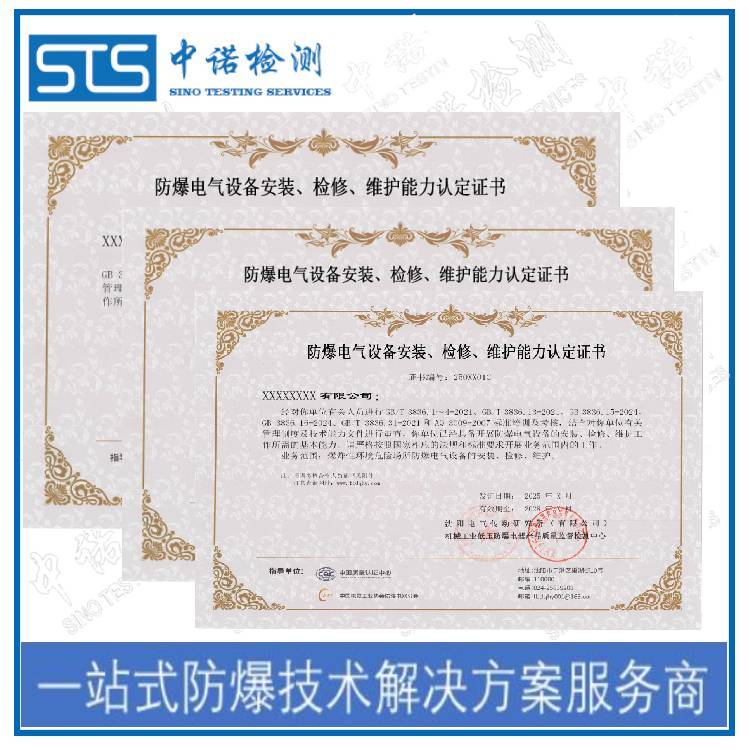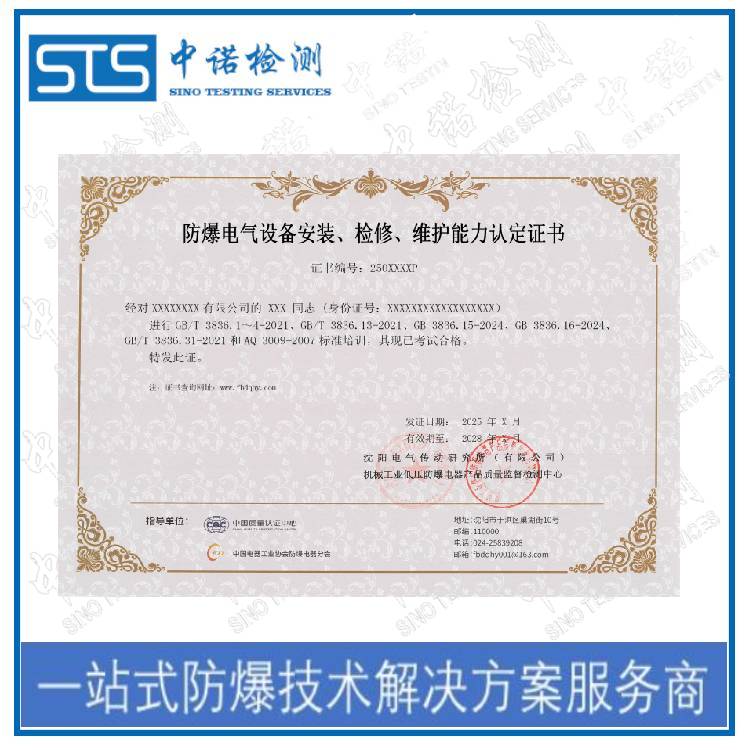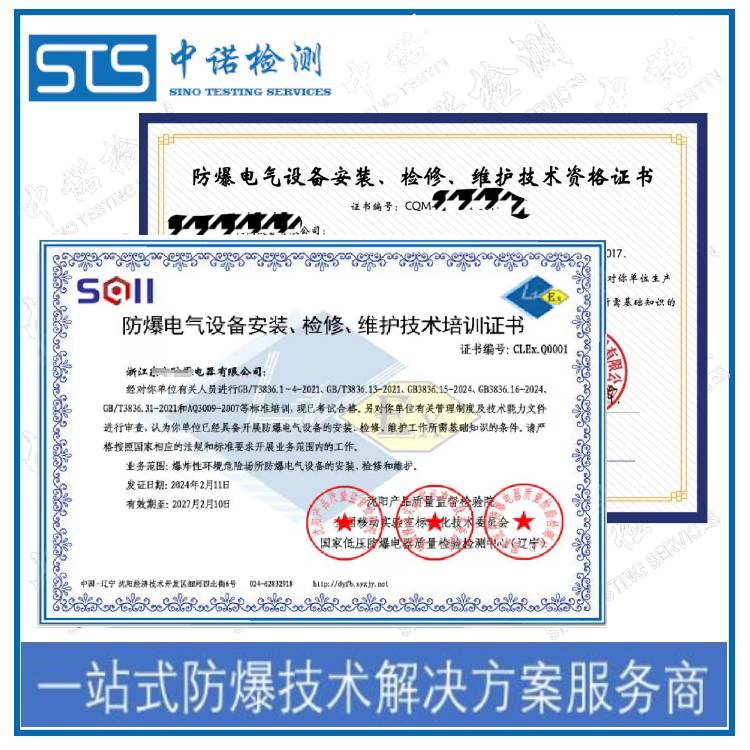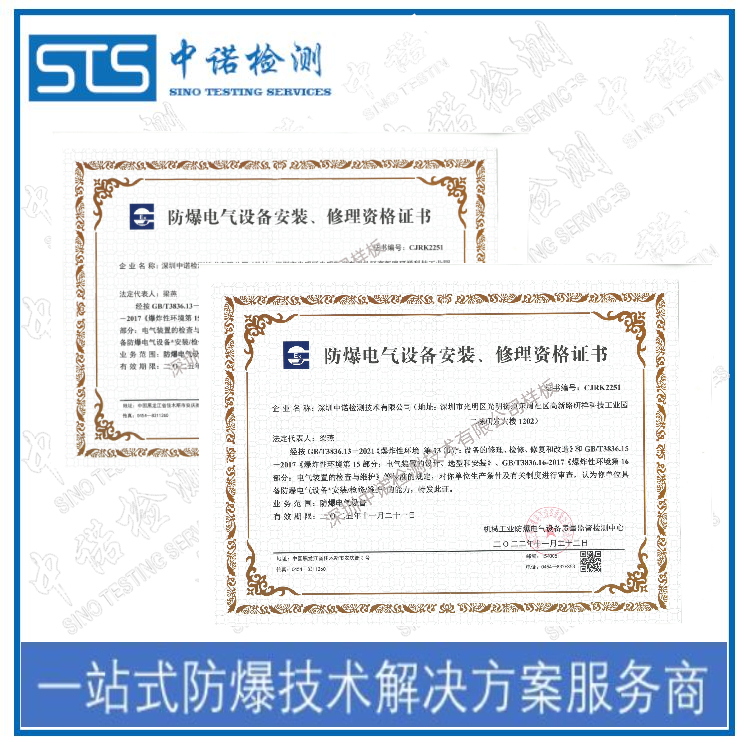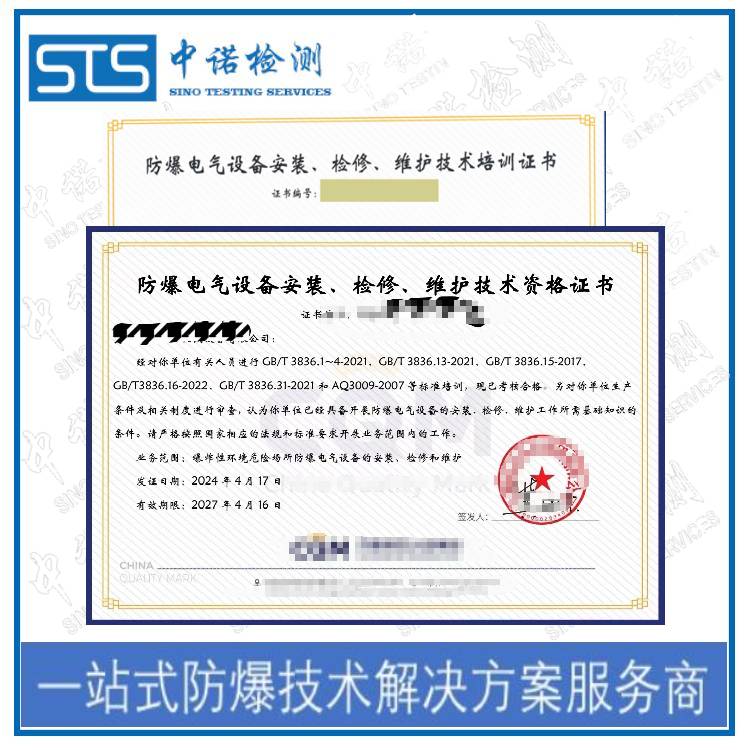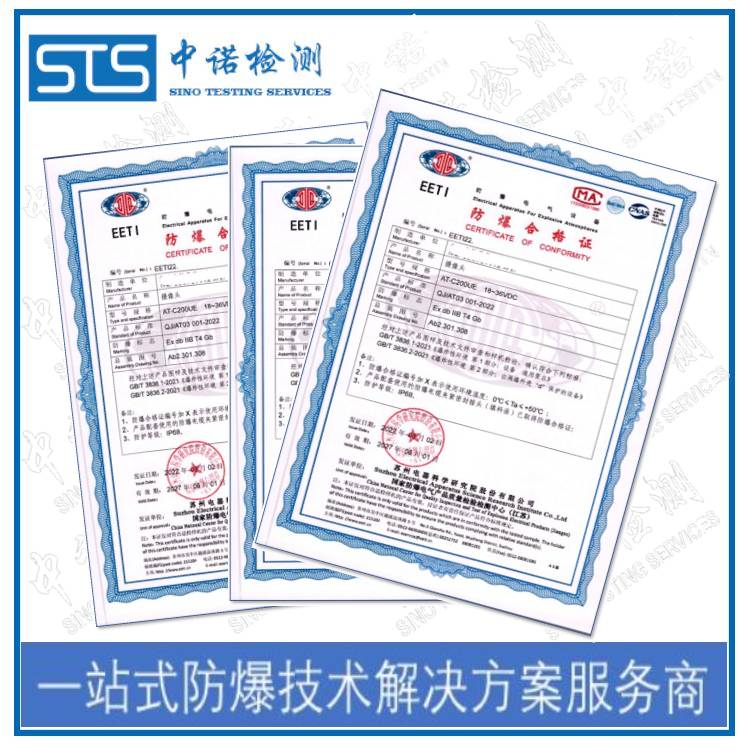

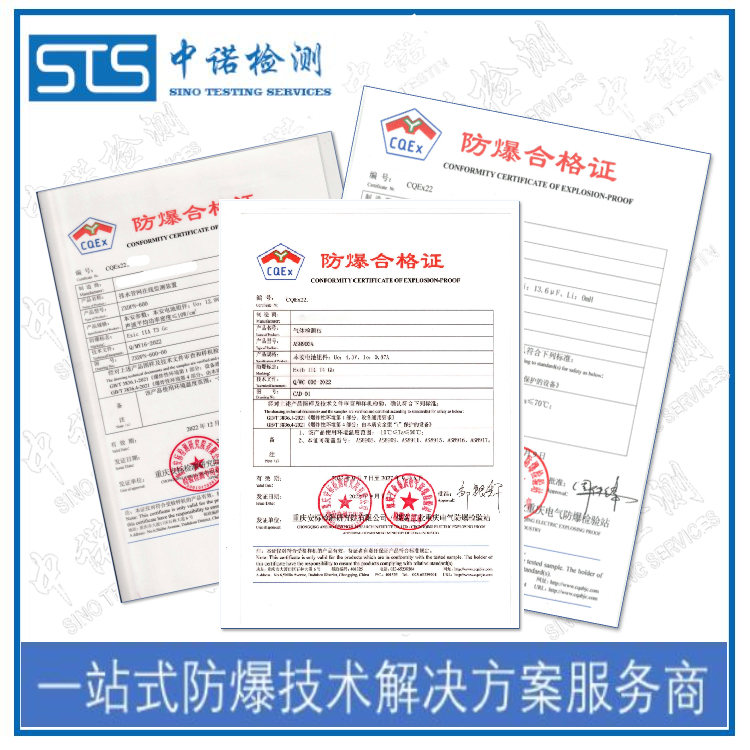
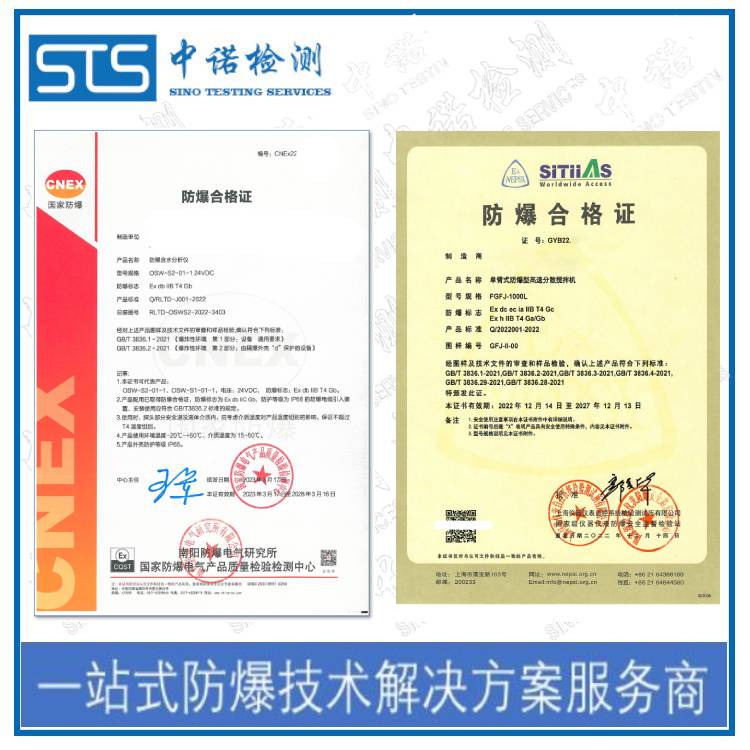


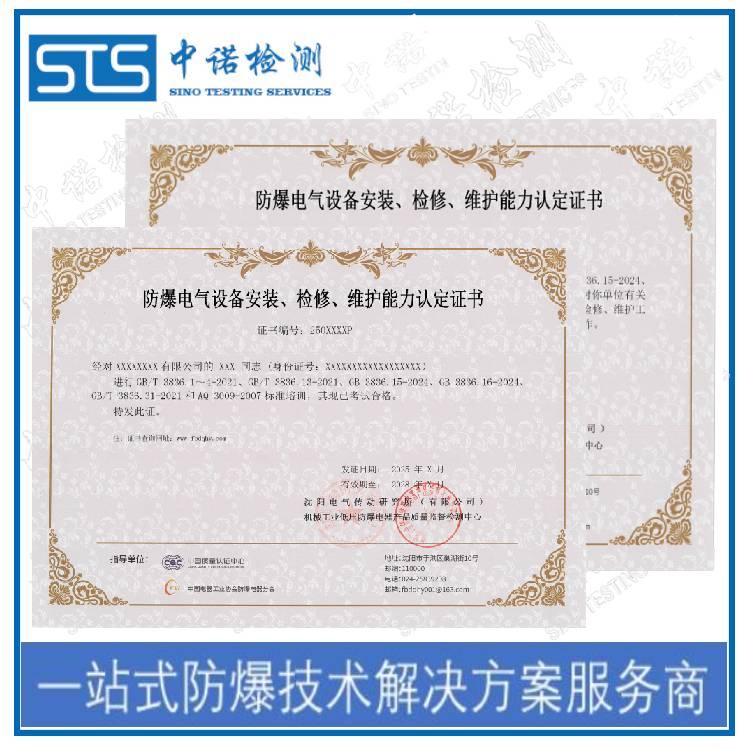
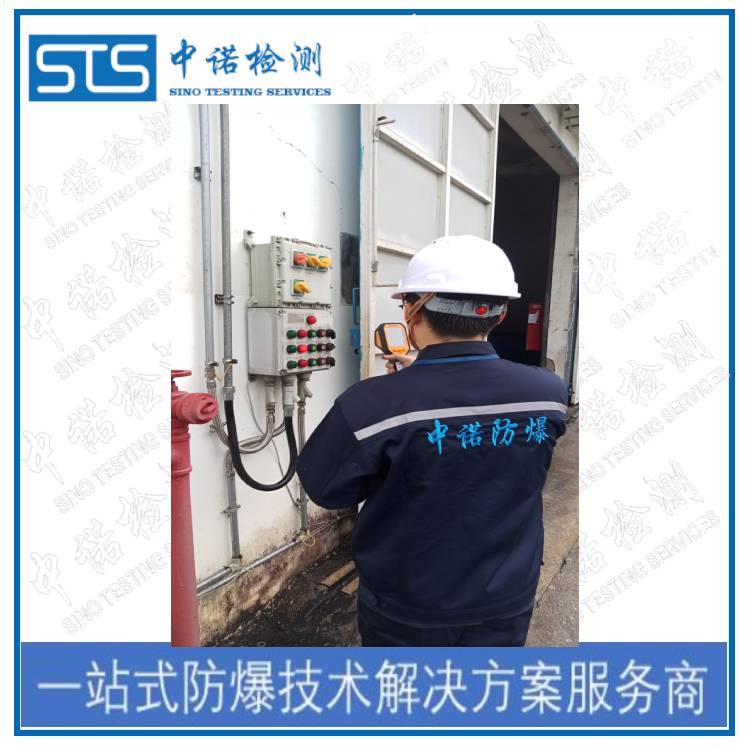
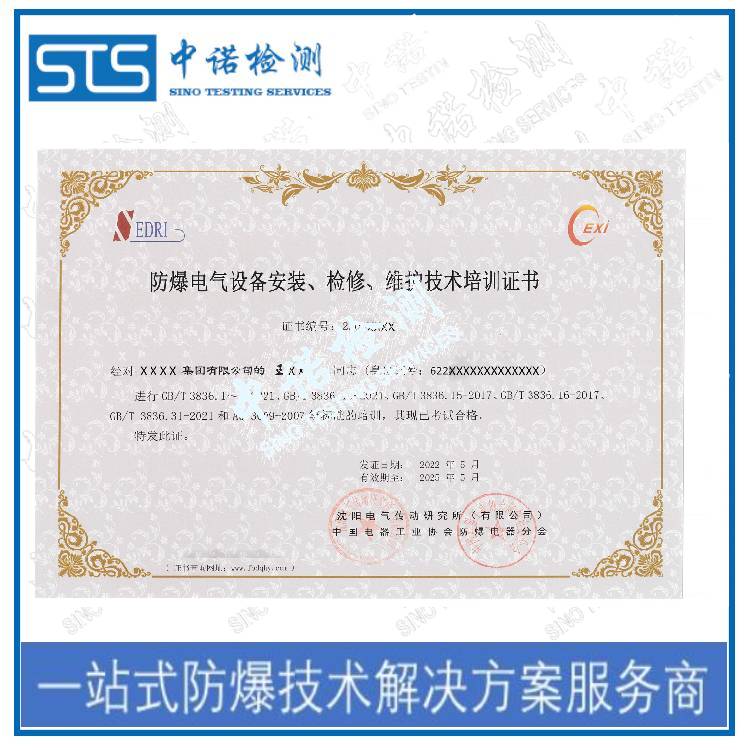
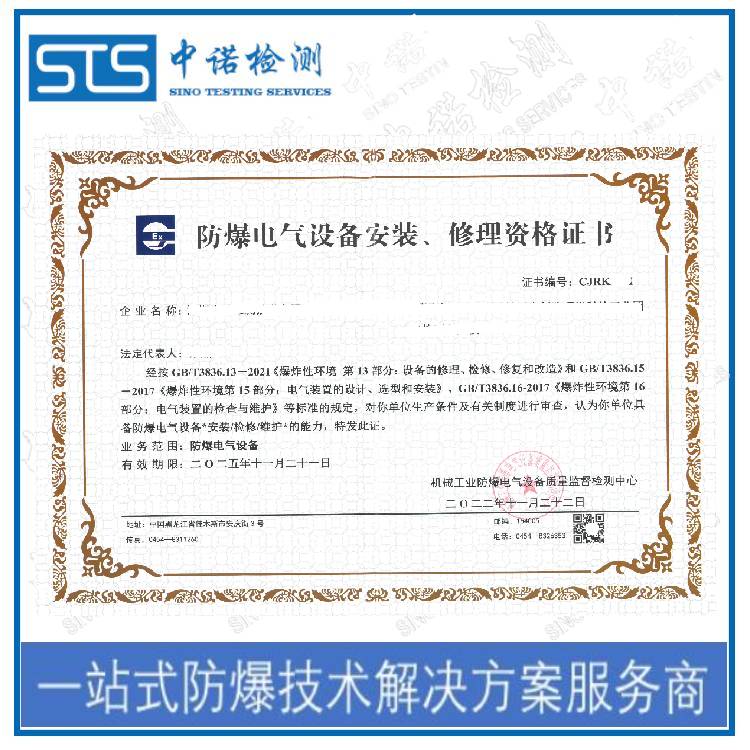
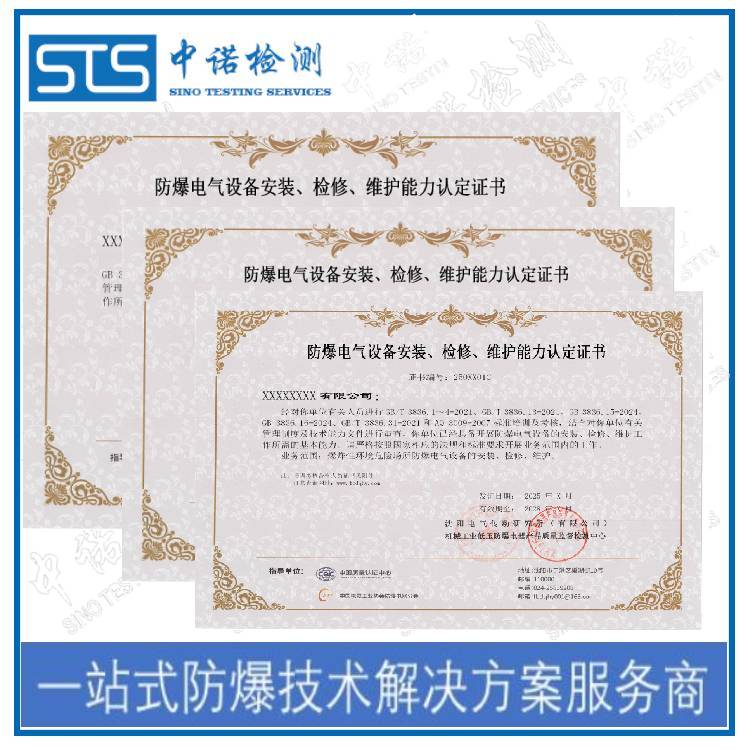





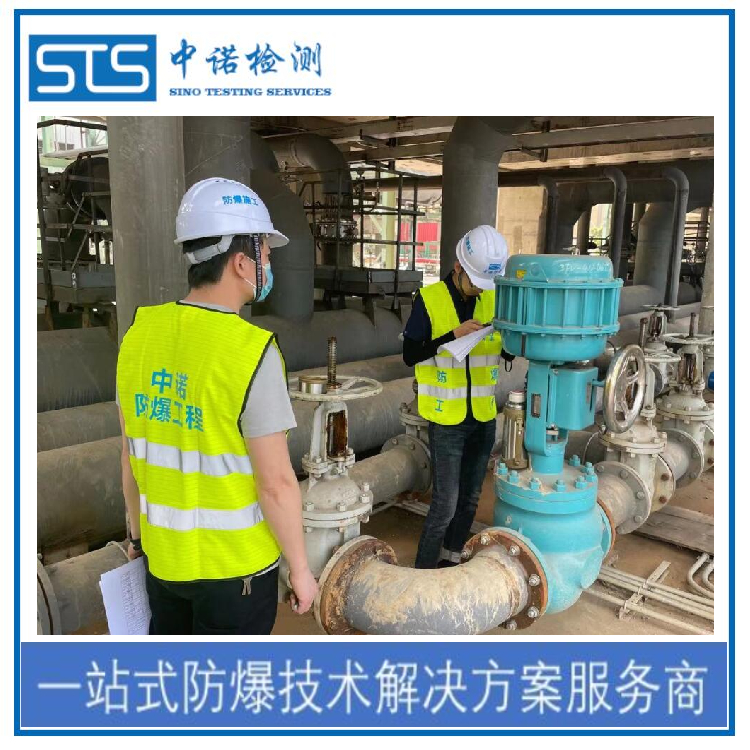
Shenzhen Zhongnuo Testing Technology Co., Ltd. is headquartered in South China, specializing in explosion-proof certification and coal safety certification application consulting services, offering one-stop explosion-proof technology consulting services.
Why Do Companies Need Explosion Proof Certification?
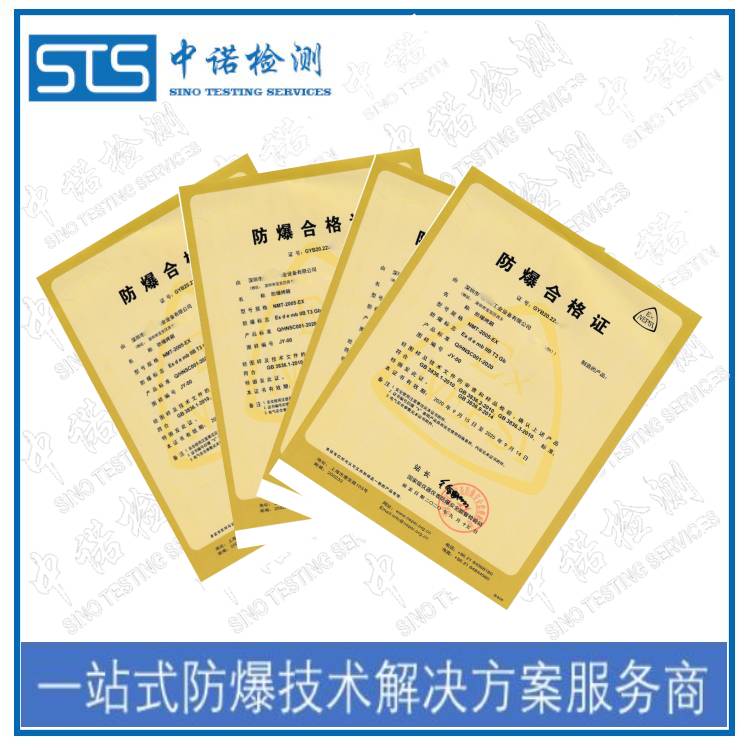
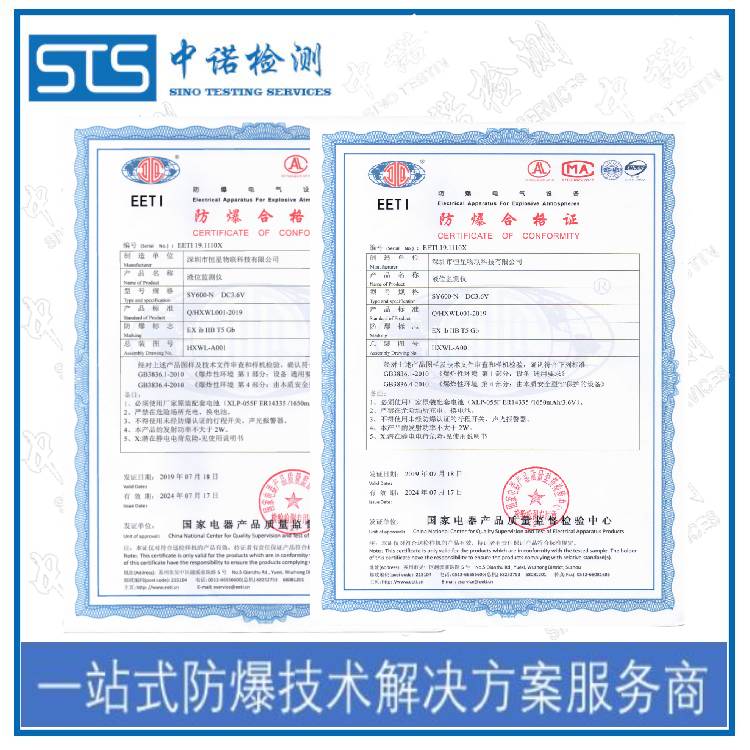
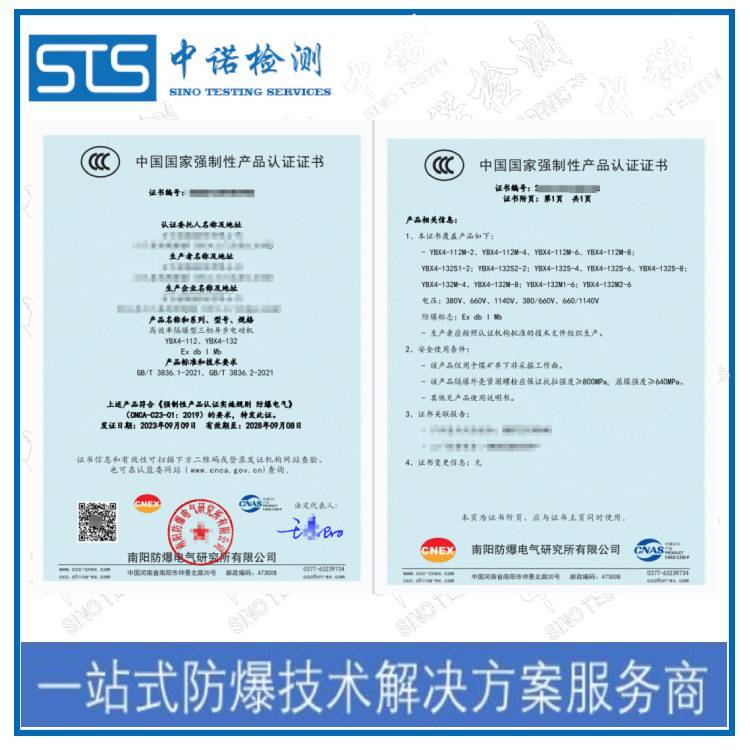
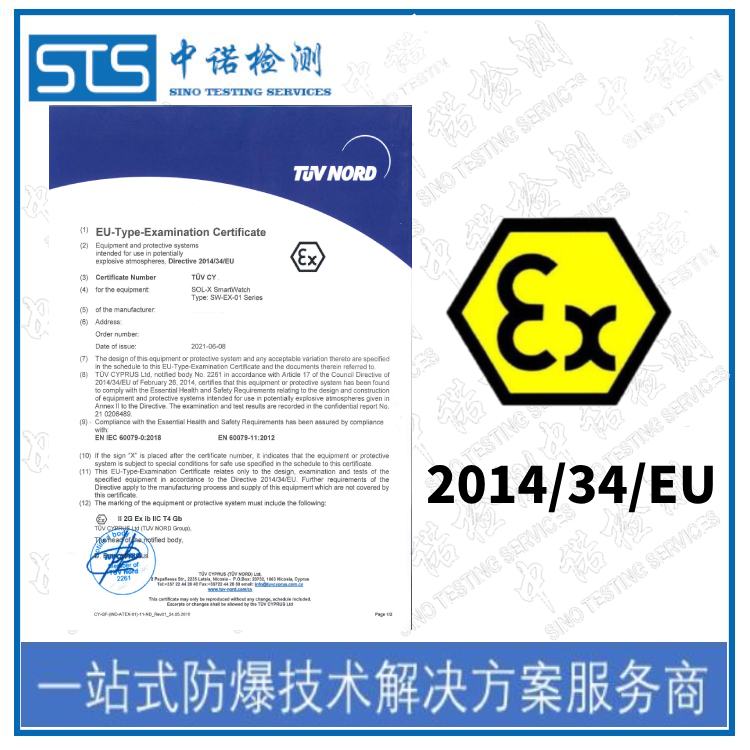
Blast-proof certification refers to the process of determining whether equipment meets blast-proof standards, requiring the issuance of relevant certificates after type tests. It primarily targets Ex equipment or Ex components.
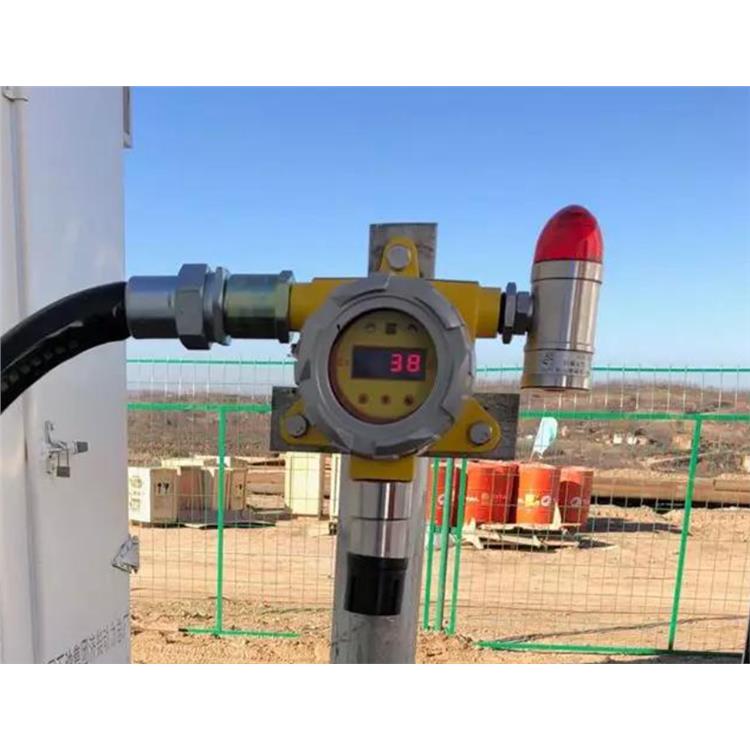
Explosion-proof products generally refer to explosion-proof electrical products: used in environments where explosions of gases or dust may occur.
Electrical products or components with explosion-proof function that can ignite surrounding explosive environments under specified conditions.
Safety of explosion-proof equipment is closely related to safe production, which is why many implement explosion-proof certification systems for explosion-proof electrical products.
Explosion-proof products must obtain explosion-proof certification before they can be used in flammable and explosive hazardous areas.
It is extremely necessary for explosion-proof certification to ensure the safety of using explosion-proof electrical products.
Certification for explosion-proof can boost product exports, further enhancing the credibility and reputation of the company and its products, and increasing market competitiveness.
Qualified companies can obtain explosion-proof certification domestically.
Why is it necessary to apply for an explosion-proof certification for the product?
Safety is crucial, especially for operations requiring the use of products in explosive hazard areas, as such environments inherently carry a significant risk.
If the equipment itself is not explosion-proof and can easily spark or overheat, igniting surrounding explosive materials, that would be a major issue.
To obtain explosion-proof certification for a product is to ensure that the equipment can be safely used in environments with explosive hazards.
Also, the equipment itself ignited the surrounding environment. Of course, if the equipment failed to explode (was not explosion-proof), it doesn't count.
As the user, if there's a potential explosive hazard on your site, would you opt for explosion-proof equipment or regular equipment?
As a supplier, wouldn't it be more appealing to offer your products at these on-site venues if they have obtained explosion-proof certification?
If your equipment is looking to obtain an explosion-proof certification and enter the explosion-proof market, private message us quickly!
ZhongNuo Inspection has been deeply involved in the explosion-proof field for many years, familiar with the requirements of GB/T3836 and EN/IEC60079 explosion-proof standards.
Offer explosion-proof product modification and design guidance, as well as a one-stop explosion-proof technology solution with certification.
Limitation requirements for the surface resistance of non-metallic enclosures of explosion-proof equipment
In hazardous areas with explosive dust or gases, such as coal dust, flour, etc., static electricity may cause fires or explosions, posing a significant risk. Therefore, it is advisable to minimize the use of insulating materials in explosive hazard areas. When selecting electrical insulating materials, consider maintaining a low insulation resistance to prevent discharges when non-metallic components come into contact with charged parts. For non-metallic insulating materials, the antistatic capability of the equipment can be evaluated by measuring the surface resistance of the equipment housing.
Surface Resistance, measured in ohms (Ω), refers to the resistance between two electrical contacts on the surface being measured.
In accordance with the requirements of the IEC 60079 series standards:
In Class II explosive gas environments, when the surface area of a non-metallic shell of an electrical equipment exceeds a certain limit (as shown in Table 1), a surface resistance test must be conducted on the non-metallic material to ensure: by selecting the material, the surface resistance meets at least one of the following requirements when measured according to IEC 60079-0 26.13:
At ≤1 GΩ, (505)% relative humidity;
At ≤100 GΩ, (305)% relative humidity.
2. In environments with Class III explosive dust, if the surface area of the non-metallic housing of electrical equipment does not exceed 500 mm², the risk of static electricity can be disregarded; if it exceeds this limit, surface resistance testing is required for verification. The criteria for assessment are the same as those for the surface resistance test limits for Class II gas environments. For fixed installation equipment that cannot meet the surface resistance limits, an "X" can be added after the "Explosion-proof" symbol, a corresponding warning sign should be placed on the equipment, and the user should be informed in the operating instructions.
Explosion-proof product categories certified:
The new implementation regulations are divided into 17 product units.
Explosion-proof motors: Center height ≤ 160mm or rated power ≤ 15kW, Explosion-proof motors: 160mm < center height ≤ 280mm or 15kW < rated power ≤ 100kW, Explosion-proof motors: 280mm < center height ≤ 500mm or 100kW < rated power ≤ 500kW, Explosion-proof motors: Center height > 500mm or rated power > 500kW.
2. Explosion-proof electric pumps
3. Explosion-proof distribution equipment
4. Explosion-proof switches, control, and protection products
5. Explosion-proof starters
6. Explosion-proof Transformers
7. Explosion-proof electric actuators, solenoid valves
8. Explosion-proof connector assembly
9. Explosion-proof surveillance products
10. Explosion-proof Communication and Signal Equipment
11. Explosion-proof Air Conditioners, Ventilation Equipment
12. Explosion-proof electric heating products
13. Explosion-proof accessories, Ex components
14. Explosion-proof instruments and meters
15. Explosion-proof sensor
16. Safety Fencing
17. Explosion-proof instrument cabinets
Explosion Proof Certification Application Consulting Services - Shenzhen ZhongNuo Testing Technology Co., Ltd.
WeChat Official Account

Scan to follow Official Account