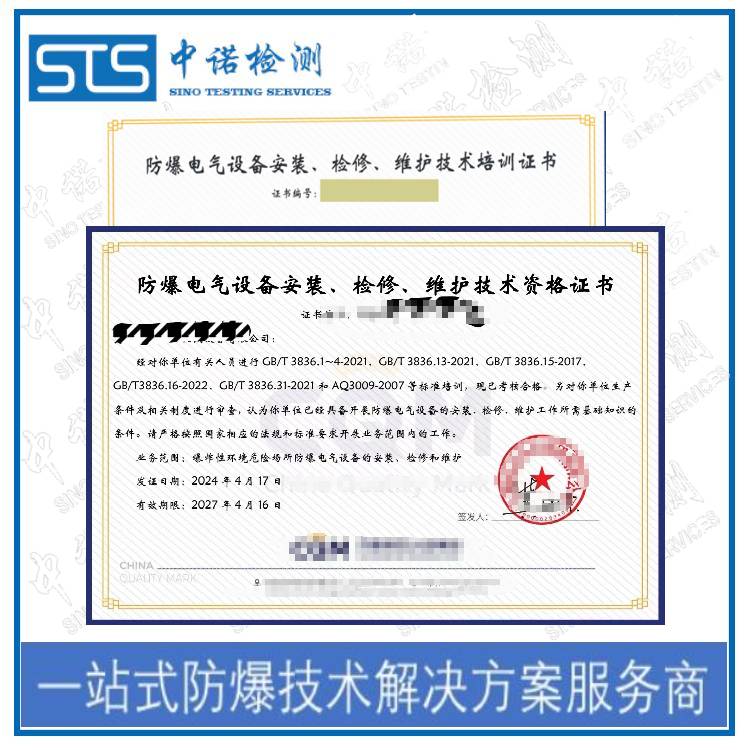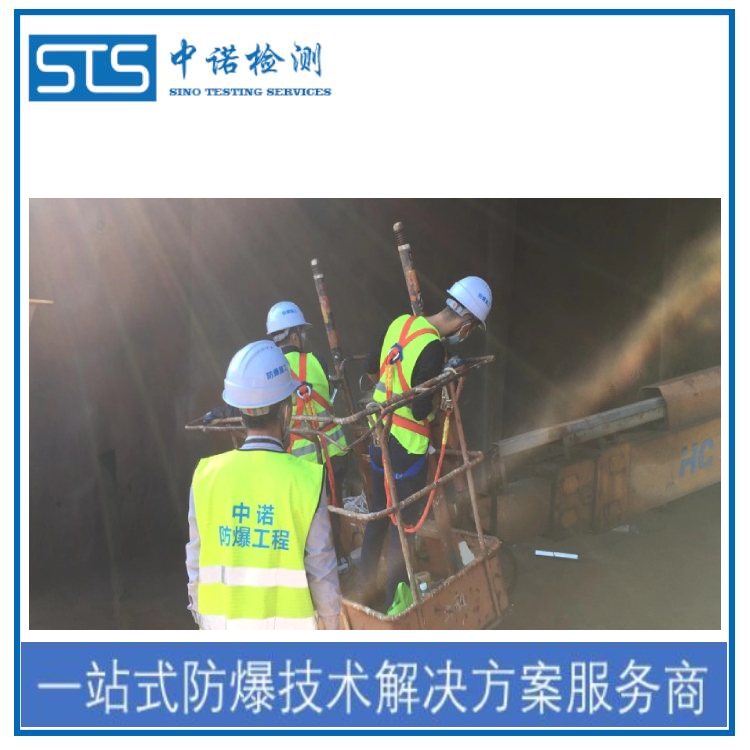

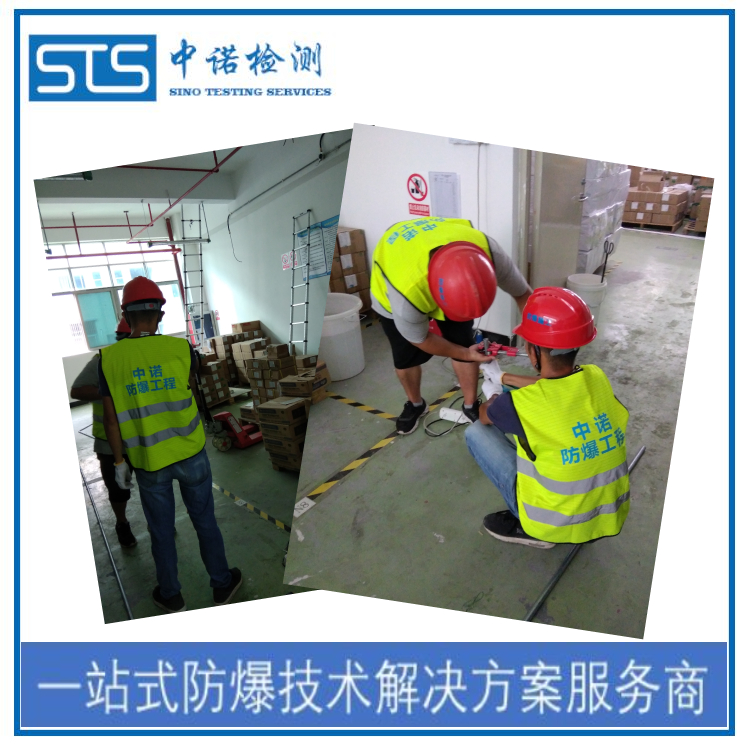
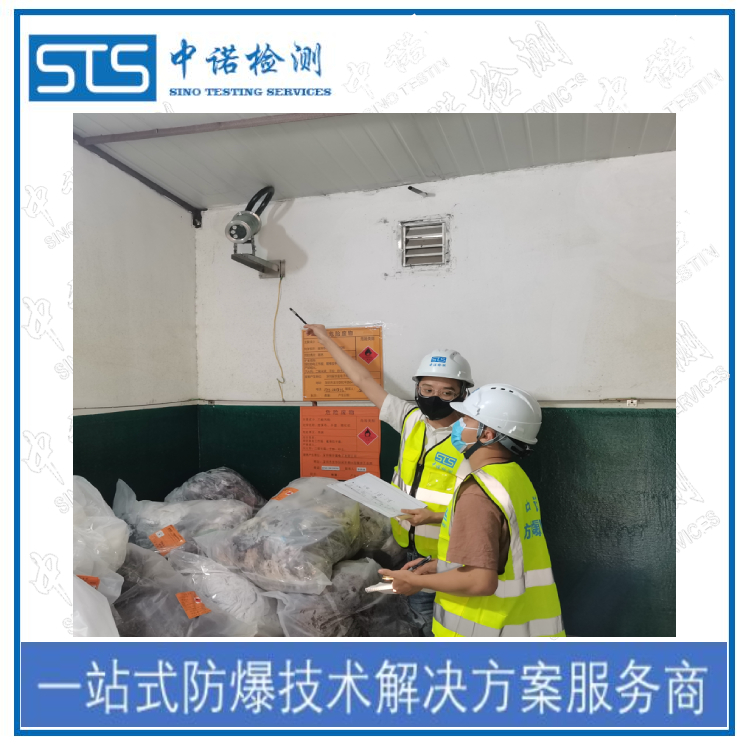


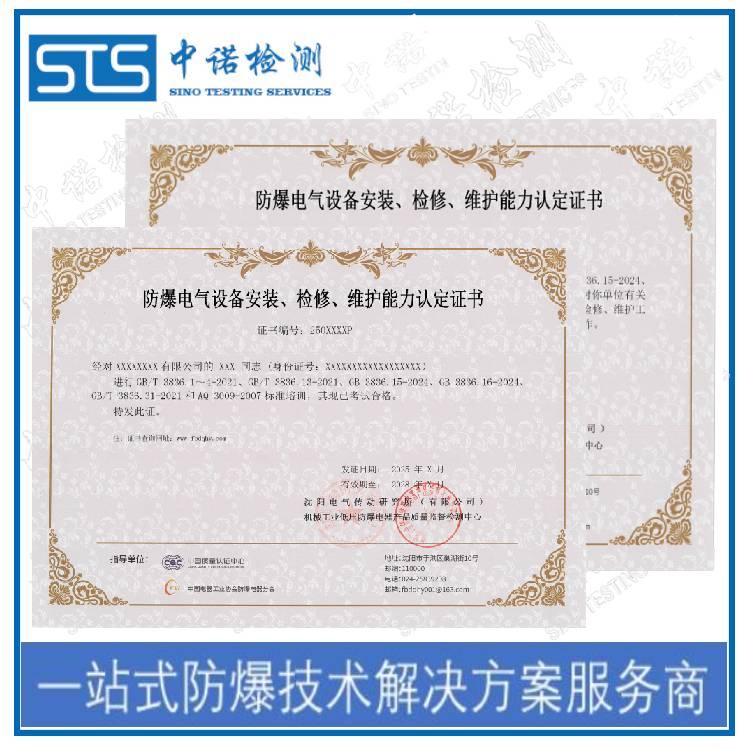
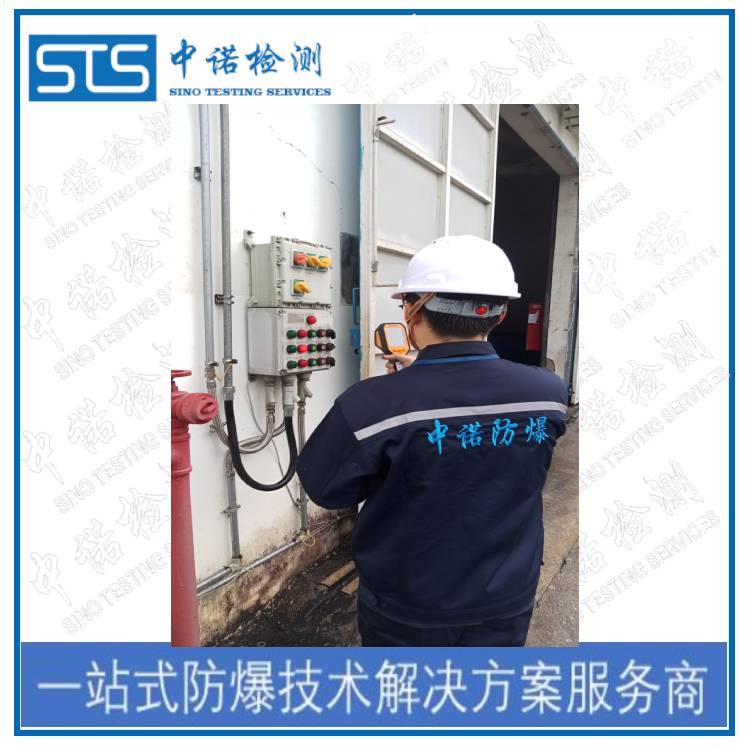
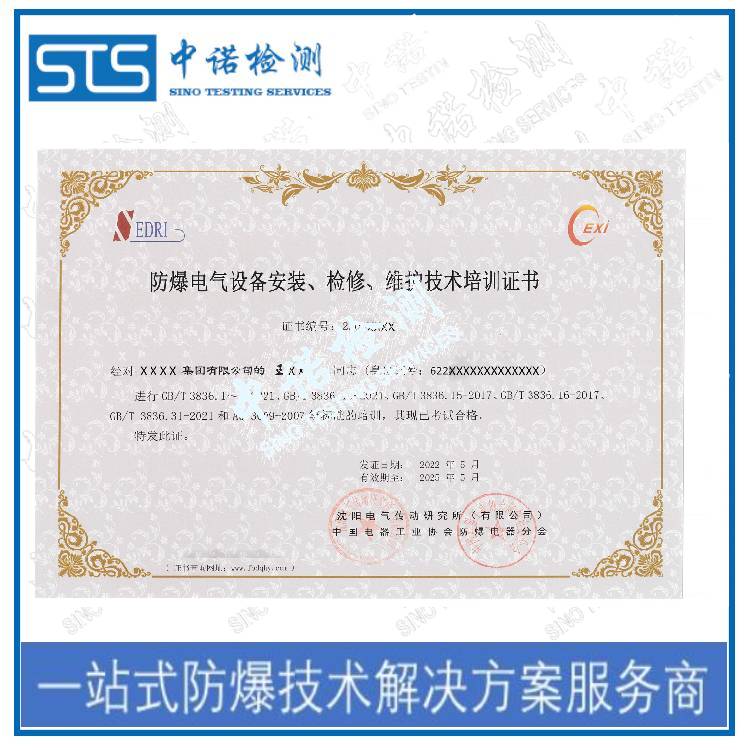
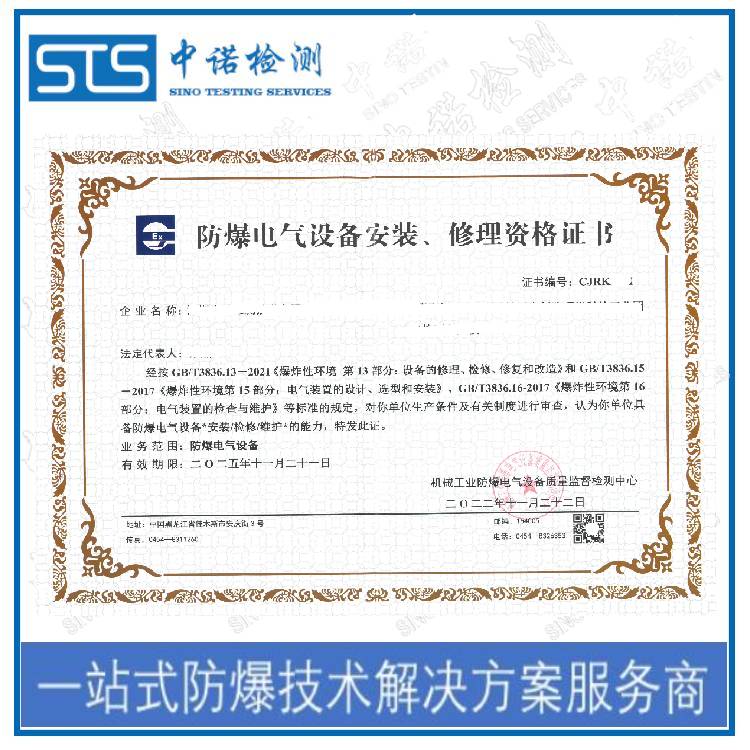
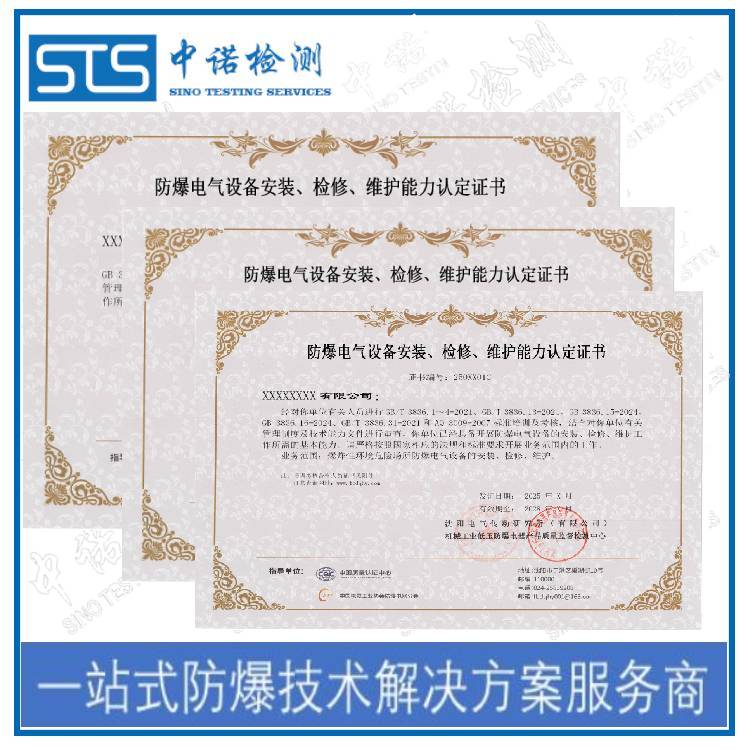





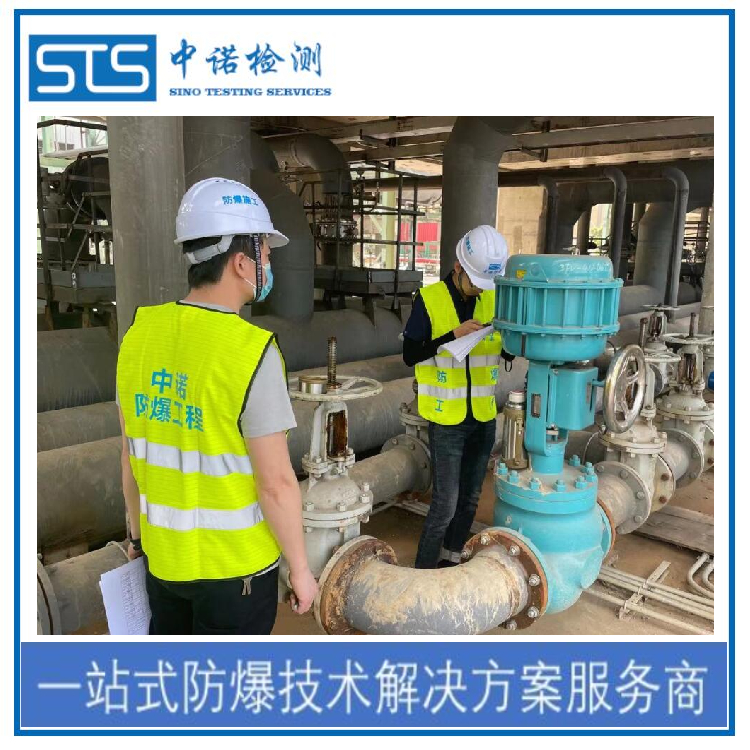
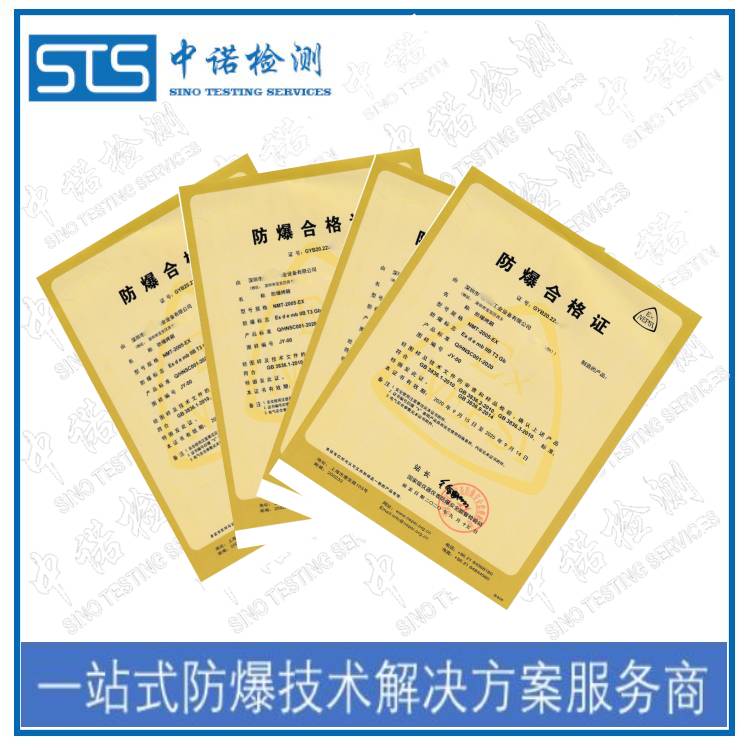
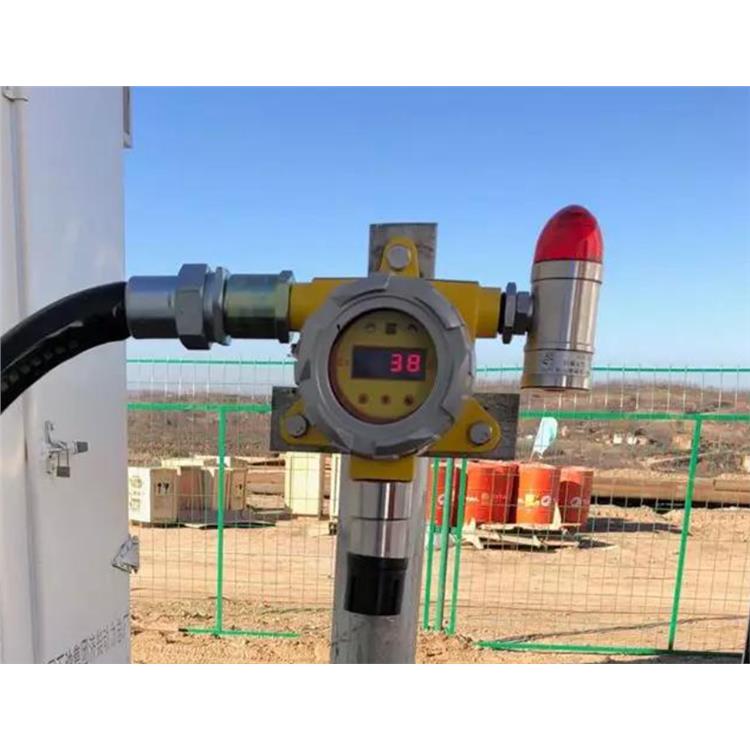
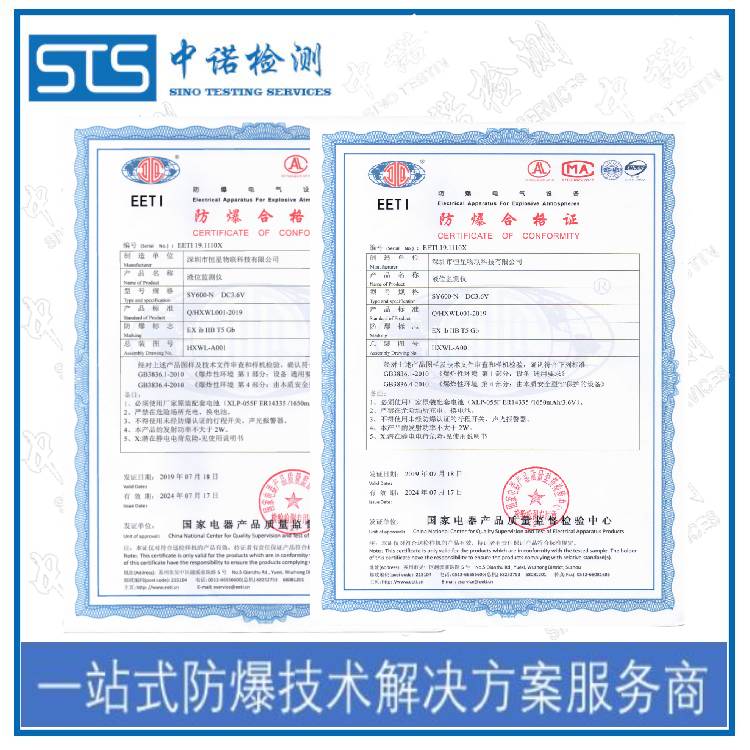
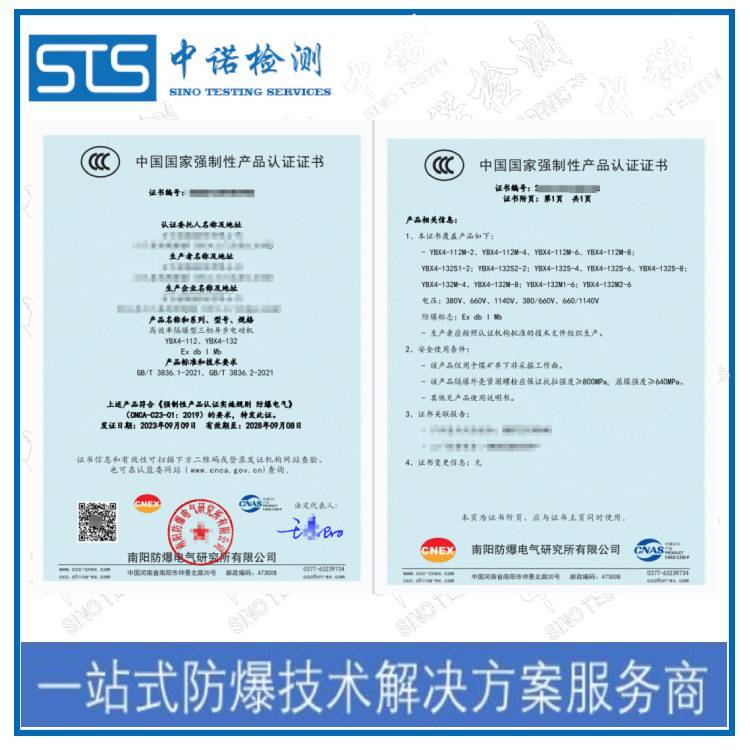

Shenzhen ZhongNuo Testing Technology Co., Ltd. is based in South China and offers on-site explosion-proof construction, safety inspections, renovations, project acceptance, and explosion-proof installation consulting services. We are well-versed in explosion-proof construction standards, boast experienced construction teams, and have served major enterprises such as PetroChina, LG, Hanlan Environment, BOE Technology Group, and Sinovac Biotech, receiving consistent praise and trust from our clients!
Protection of explosive loop circuits shall comply with the following regulations (shared by Shenzhen ZhongNuo Testing Technology Co., Ltd.)
In the single-phase network within Zone 1, both phase and neutral lines should be equipped with short-circuit protection, and appropriate switches should be used to simultaneously disconnect both the phase and neutral lines.
(2) It is advisable to install zero sequence current protection for cables with voltage levels between 3kV and 10kV. The protection devices in Zone 1 and Zone 21 should be set to trip.
Shenzhen Zhongnuo Testing Technology Co., Ltd. offers explosion-proof engineering construction services in the field of:
Explosive gas environments and hazardous areas with flammable or combustible dust exist in numerous industries and sectors, including petrochemicals, metal smelting, fine chemicals, petrochemical ground facilities (gas stations, refueling stations, petrochemical storage and transportation), new energy, special equipment, nuclear power, tunnels, grain processing, wood processing, metal parts manufacturing, environmental protection engineering, and more. Ensuring explosion-proof safety in these dangerous areas safeguards the防爆 safety of explosive environments for both our and the national economy's development.
Selection of cables and wires for explosive environments should comply with the following regulations: (Shared by Shenzhen ZhongNuo Testing Technology Co., Ltd.)
(1) In explosive environments, the insulated conductors and cables used for low-voltage power and lighting lines should have a rated voltage higher than or equal to the working voltage, with U0/U not less than the working voltage. The rated voltage of the neutral line should be equal to the phase line voltage and should be laid in the same sheath or protective tube.
(2) In explosive hazard zones, except within distribution panels, wiring cabinets, or metal conduit wiring systems, unshielded wires should not be used as supply and distribution lines.
(3) Copper-core cables should be used in Zone 1. In Zone 2, copper-core cables are preferred except for intrinsically safe circuits. When aluminum-core cables are used, their cross-sectional area must not be less than 16 square millimeters, and copper-aluminum transition joints should be used for connections to electrical equipment. Circuits installed in explosive dust environment Zones 20 and 21, as well as in areas with severe vibration within Zone 22, should use copper-core insulated conductors or cables.
(4) In addition to the circuit of this pressure safety system, the technical requirements for cable wiring in explosive environments shall comply with the specifications of Table 5.4.1-1.
(5) Technical requirements for pipeline wiring in explosive environments with voltages below 1000V, excluding circuits of intrinsic safety systems, shall comply with the specifications in Table 5.1.1-2.
(6) In explosive environments, the selection of insulated conductors and cable cross-sections shall comply with the provisions of Tables 5.4.1-1 and 5.4.1-2, as well as the following requirements:
1) The conductor's carrying capacity should not be less than 1.2 times the rated current of the fuse element and 1.2 times the setting current of the long-time delay overcurrent release of the circuit breaker, except for the circumstances specified in item 2 of this clause.
2) The long-term allowable current for the branch line of squirrel-cage induction motors with a voltage rating of 1000V or less should not be less than 1.2 times the motor's rated current.
(7) When installing overhead or bridge-mounted cables, flame-retardant cables are recommended. Plastic sheathed cables without armor can be used when the installation method employs bridge supports that prevent mechanical damage. Cables without armor can also be installed in cable trenches in Zones 2 and 22, where there is no risk of damage from rodents or insects.
Based on the fundamental requirements of GB 15577 "Safety Code for Dust Explosion Prevention," in防爆construction and modification in explosive dust environments, the following five major explosion-proof measures can primarily be adopted (shared by Shenzhen ZhongNuo Testing Technology Co., Ltd.).
Anti-knock
1. Definition: A confinement technique that allows the enclosed package to withstand the explosive pressure during an explosion caused by combustible dust and gaseous oxidizers or air, preventing the package from being destroyed.
2. Objective: By enhancing container wall thickness and improving materials, external damage can be minimized even in the event of a dust explosion.
3. Basic Requirements:
When producing and handling powders that can cause explosions, if there is no explosion suppression device and no pressure relief measures, all process equipment should be designed with explosion-proof features and capable of withstanding overpressure from internal explosions without rupture.
(2) The connection parts between various process equipment (such as pipes, flanges, etc.) should have the same strength as the equipment itself. For connections between high-strength and low-strength equipment, explosion-proof devices should be installed.
(3) Equipment for explosion-proof pressure and impact resistance should comply with the relevant requirements of GB/T 24626.
Explosion Ventilation
1. Definition: A controlled explosion technology that, when an explosion occurs within an enclosed package, releases the high temperature, high-pressure combustion products, and unburned materials through pre-set weak points on the package before the explosion pressure reaches the package's limiting strength, thus preventing the package from being destroyed.
2. Purpose: To reduce explosion losses by installing explosion relief devices.
3. Methods: Two explosion relief methods, namely, flame explosion and flameless explosion.
4. Basic Requirements:
When the strength of the process equipment is insufficient to withstand the overpressure generated by internal dust explosion under actual working conditions, explosion relief ports should be installed. The relief ports should be directed towards a safe direction, and their dimensions should comply with the requirements of GB/T 15605.
(2) Indoor dust explosion hazard process equipment should be vented to a safe outdoor direction through pressure relief ducts. The pressure relief ducts should be as short and straight as possible, with a cross-sectional area not less than that of the pressure relief opening, and their strength should not be less than that of the protected equipment container.
(3) Equipment inside the room that cannot vent to the outside through a pressure relief conduit should be fitted with flameless venting caps.
(4) Process equipment with inline piping should be designed to withstand at least 0.1 MPa of internal overpressure.
Section 3: Explosion Suppression
1. Definition: During the initial stage of an explosion, extinguishing the flame and suppressing (preventing) the development of dust explosion through physical and chemical actions.
2. Objective: To pre-detect fire extinguishing and explosion suppression through the installation of an explosion suppression device.
3. Basic Requirements:
Process equipment with a risk of dust explosion should be protected with explosion suppression devices.
(2) If a monitored suppression device is used, it should comply with the requirements of GB/T 18154.
(3) Explosion suppression system design and application shall comply with the requirements of GB/T 25445.
Four, explosion-proof
1. Definition: Technology used to prevent the spread of an explosion through physical and chemical means after an explosion occurs.
2. Purpose: To prevent the spread of flame through pipes or other passageways
3. Basic Requirements:
(3) Equipment and facilities with dust explosion hazards that are interconnected via pipelines should be equipped with explosion-proof devices on the pipelines.
(2) Equipment and facilities with dust explosion hazards that are interconnected through pipelines should be equipped with explosion suppression devices. The shutdown direction should align with the direction of explosion propagation.
Five, Inertization
For processes such as crushing, grinding, drying of powders, and pneumatic conveying through pipelines in sealed containers, inert gases like nitrogen, carbon dioxide, halogenated hydrocarbons, argon, helium, and steam, or inert dusts such as fire extinguishing powder, chemical dry powder, and mineral rock powder are introduced. This is to dilute combustible components and reduce the oxygen content in the environment.
Explosion-proof electrical retrofitting and on-site explosion-proof construction consulting services for hazardous areas — Shenzhen Zhongnuo Testing Technology Co., Ltd.
WeChat Official Account

Scan to follow Official Account