


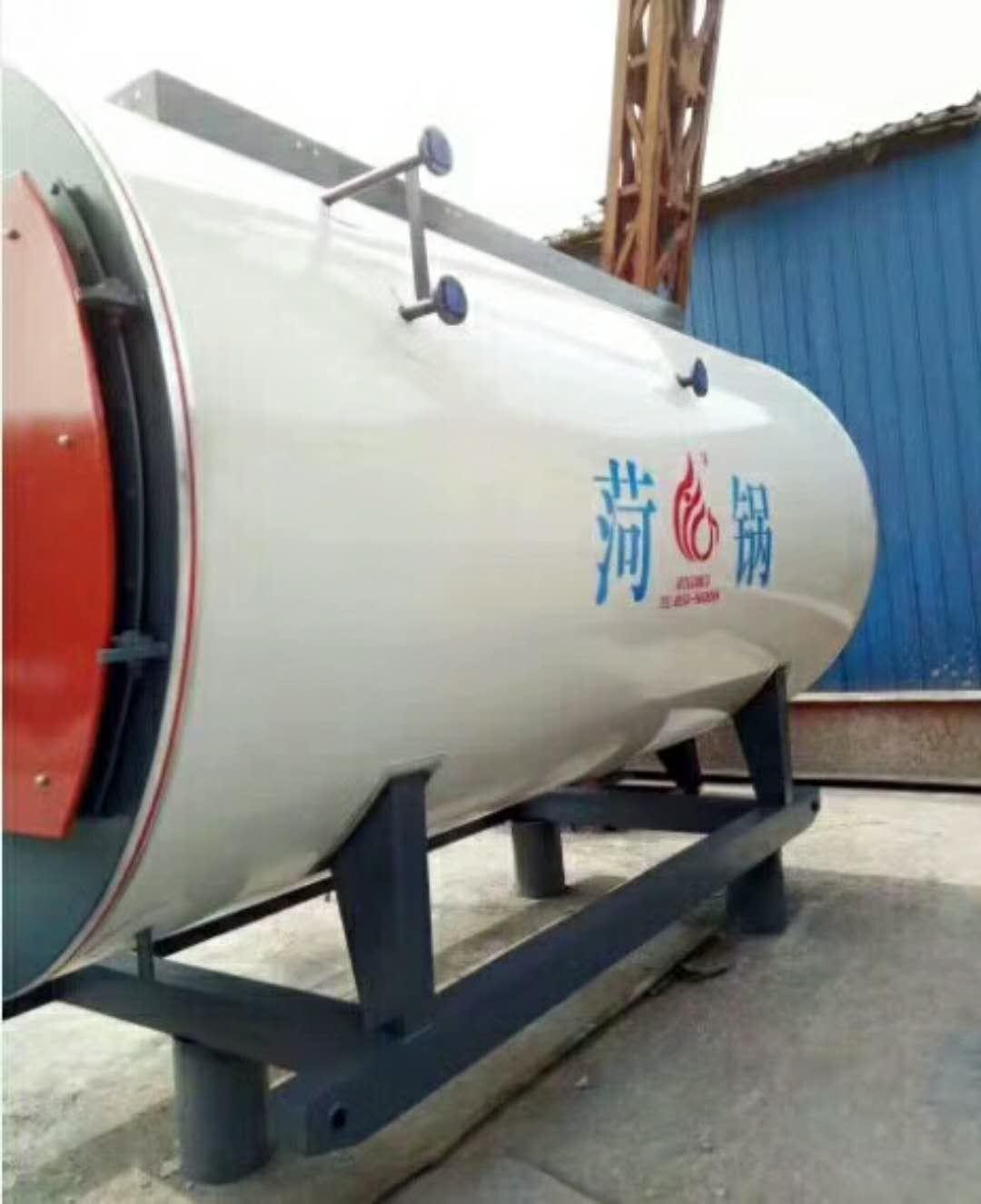

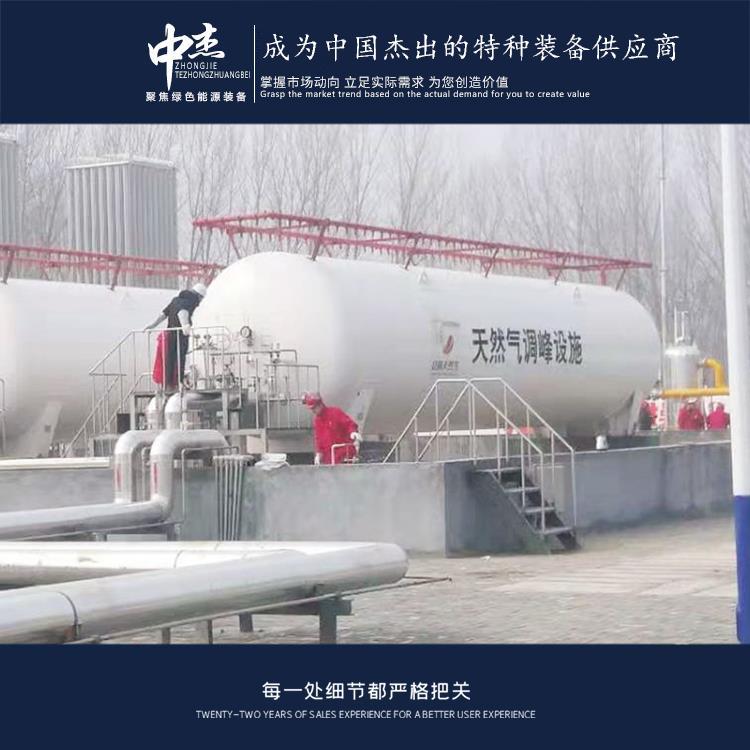
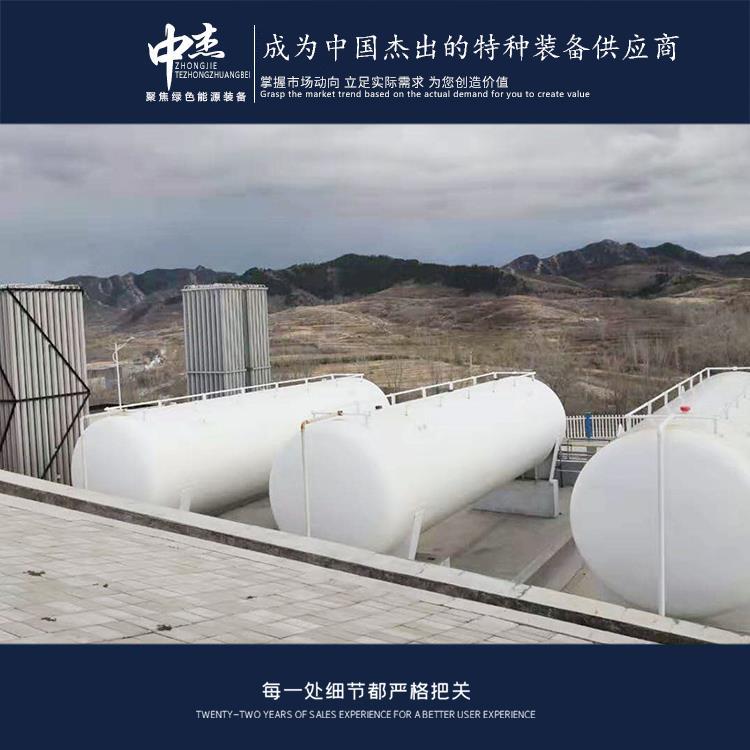


















Shandong Zhongjie Special Equipment (formerly Heze Boiler Factory Co., Ltd.) was established in 2001, located at No. 2218 Jinnan Road, Development Zone, Heze City, with a registered capital of 50 million yuan and total assets of 500 million yuan. The company has 7 business centers: boilers, deep-freeze containers, pressure vessels, central air conditioning, engineering installation, international trade, and Internet of Things. It has three factory sites on Jinnan Road, East Changjiang Road, and Bohai Road, covering a total of 200,000 square meters, with the main workshop spanning 83,000 square meters. It currently employs 710 people, including 247 engineers and technicians and 82 intermediate-level technicians. In December 2016, it was recognized as a "High-tech Enterprise" by the Science and Technology Department. In June 2021, it was identified as a "Specialized and New Enterprise in Shandong Province" by the Ministry of Industry and Information Technology. In June 2022, it was recognized as a "Gazelle Enterprise in Shandong Province" and in August 2022, as a "Specialized and New Small Giant Enterprise" by the Ministry of Industry and Information Technology.
Carbon dioxide is widely used as a protective gas in metal welding processes during welding. The following are the main applications of carbon dioxide in welding:
Gas Metal Arc Welding (GMAW): Carbon dioxide is commonly used as the protective gas in the GMAW welding process. In GMAW welding, the arc generates high temperatures in the welding area, which also causes oxidation reactions of oxygen and water vapor, leading to reduced weld quality. By injecting carbon dioxide gas into the welding area, a protective atmosphere is formed, preventing oxygen and water vapor from entering, thereby improving the quality and strength of the weld.
Mixed Gas Protection Welding (GMAW): Carbon dioxide is also often mixed with other gases (such as argon) to form a mixed gas protective welding. The use of mixed gases can adjust the arc stability, melt pool formation, and weld quality during the welding process, improving the welding effect.
Gas Shielded Brazing: Carbon dioxide can also be used in the gas shielded brazing process. During brazing, carbon dioxide gas provides a protective atmosphere, preventing oxidation and contamination in the brazing area, ensuring the quality of the brazed joints.
Gas Shielded Cutting: Carbon dioxide can also be used in the gas shielded cutting process. In gas shielded cutting, by injecting carbon dioxide gas into the cutting area, a protective atmosphere is formed, preventing oxidation and contamination in the cutting area, enhancing the quality and speed of cutting.
It should be noted that the application of carbon dioxide in welding needs to be adjusted and optimized according to specific welding materials, methods, and requirements. When using carbon dioxide for welding, it is necessary to follow relevant safety operating procedures and guidelines to ensure the safety and quality of the welding process.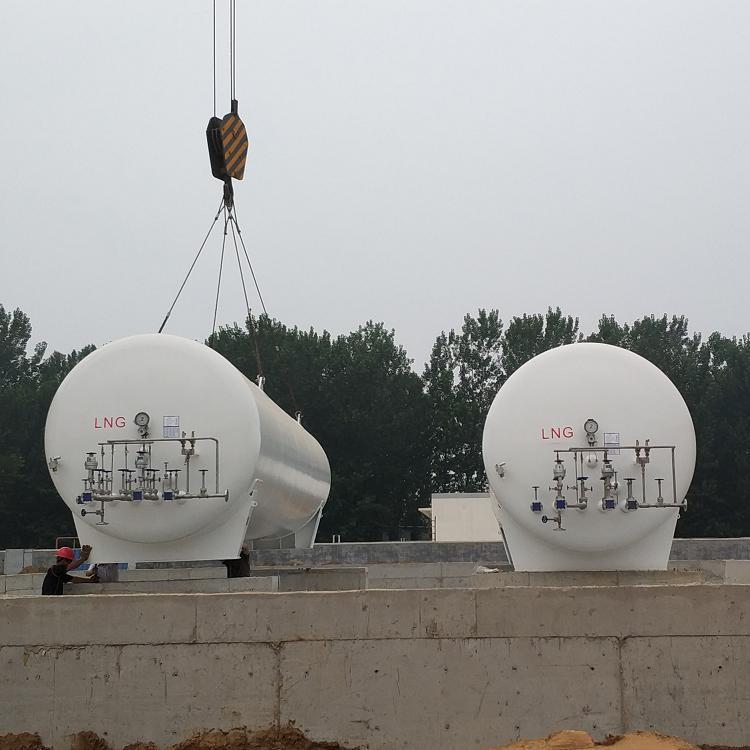
Pressure Vessel Standards: Liquid carbon dioxide storage tanks are generally considered pressure vessels, and their design, manufacturing, and use should comply with the relevant pressure vessel standards. In China, common pressure vessel standards include GB150 "Steel Pressure Vessels" and GB18435 "Storage Tanks." Safety Standards: The use of liquid carbon dioxide storage tanks should adhere to relevant safety standards and regulations. For instance, in China, the safe operation of liquid carbon dioxide storage tanks should follow standards such as GB50028 "Design Code for Petroleum and Chemical Enterprises" and GB50016 "Design Code for Fire Prevention in Buildings." Inspection and Testing Standards: The inspection and testing of liquid carbon dioxide storage tanks should comply with the corresponding standards and regulations. For example, regular inspections of liquid carbon dioxide storage tanks can refer to standards like GB/T 19638 "Regulations for Periodic Inspection of Pressure Vessels." Environmental Protection Standards: The use of liquid carbon dioxide storage tanks should comply with relevant environmental protection standards and regulations. For instance, in China, the exhaust emissions from liquid carbon dioxide storage tanks should meet standards such as "Emission Standards for Air Pollutants."
Carbon dioxide storage tanks offer the following features and advantages:
- High Storage Density: These tanks can compress carbon dioxide gas into a liquid state, significantly increasing storage density. Compared to storing it in gas form, liquid carbon dioxide can be stored in a smaller tank, saving space and costs.
- Multiple Applications: Carbon dioxide storage tanks are widely used in various fields, including the food and beverage industry, fire suppression, gas supply, and more. Carbon dioxide serves as a preservative, carbonation agent, gas, and extinguishing agent, with broad applications and market demand.
- Environmental and Renewable: Carbon dioxide is an environmentally friendly gas, and its increased concentration in the atmosphere contributes to warming and climate change. By storing and utilizing carbon dioxide, we can reduce its emissions into the atmosphere, promoting environmental protection and sustainable development.
- Safe and Reliable: During design and manufacturing, carbon dioxide storage tanks typically use high-strength materials (such as carbon steel or stainless steel) with excellent pressure resistance and safety. The tanks are usually equipped with safety valves, pressure gauges, level indicators, and other accessories to ensure safe operation. Additionally, carbon dioxide is non-flammable and non-explosive, making it relatively safe.
- Supply: These tanks provide a stable supply of carbon dioxide. Through tank design and control systems, precise measurement and supply of carbon dioxide can be achieved, meeting the needs of various industries and applications.
In summary, carbon dioxide storage tanks offer high storage density, multiple application areas, environmental friendliness, renewable energy, safety, reliability, and supply. This makes them an important storage and supply equipment, widely used in various industries. However, safety operating procedures must still be followed when using carbon dioxide storage tanks.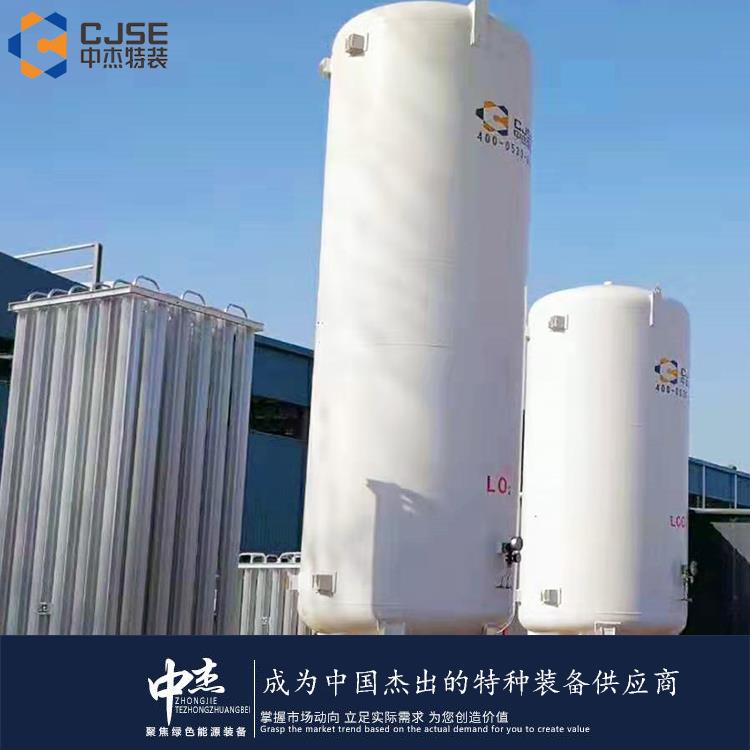
When using carbon dioxide tanks, the following safety procedures must be followed to ensure safety:
Tank Operator Training: All operators must receive training to understand the characteristics, operational requirements, and safety measures of carbon dioxide tanks. Training should include safe tank operation, leak handling, emergency response plans, etc.
Safety Operating Procedures: Establish and adhere to relevant safety operating procedures, including tank start-up, shutdown, inspection, and maintenance. Operators should operate in accordance with the procedures to ensure the safe operation of the tank.
Leak Handling: Develop a leak handling program, including leak detection, emergency shutdown, and isolation of the leak source. Operators should be familiar with the leak handling procedures and able to respond quickly and correctly to leak incidents.
Fire Prevention Measures: Carbon dioxide is flammable, so fire prevention measures must be taken when using it. Smoking, open flame operations, or the placement of flammable materials near the tank are prohibited. Ensure that fire protection equipment around the tank is in good condition and that fire drills are conducted regularly.
Waste Gas Emission: When using carbon dioxide tanks, ensure that waste gases are emitted properly to avoid the accumulation of carbon dioxide in enclosed spaces, which can cause asphyxiation and safety risks. Ensure the smooth and normal operation of the waste gas emission system.
Regular Inspections and Maintenance: Regularly inspect the tank's appearance, seals, valves, and pipe connections. Promptly repair or replace any abnormalities or damage found. Also, regularly inspect and maintain the tank's safety valves, pressure sensors, and other accessories.
Emergency Response Plan: Develop and implement an emergency response plan, including the handling of leak incidents, evacuation procedures, and first aid measures. Operators should be familiar with the emergency response plan and conduct drills regularly.
Monitoring and Alarm Systems: Install and maintain monitoring and alarm systems for the tank.
Shandong Zhongjie Special Equipment, welcome customers to our factory for business discussions.
WeChat Official Account

Scan to follow Official Account



















