


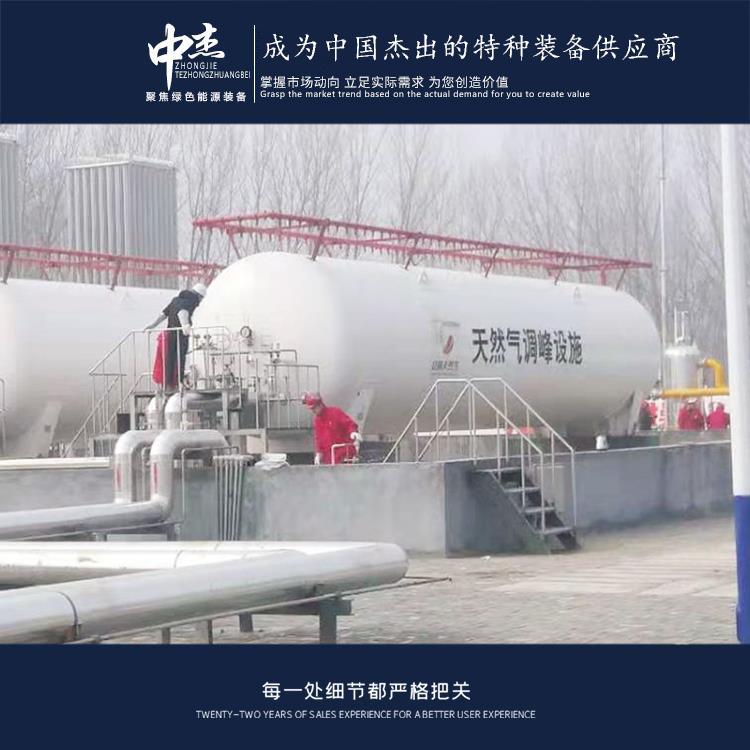

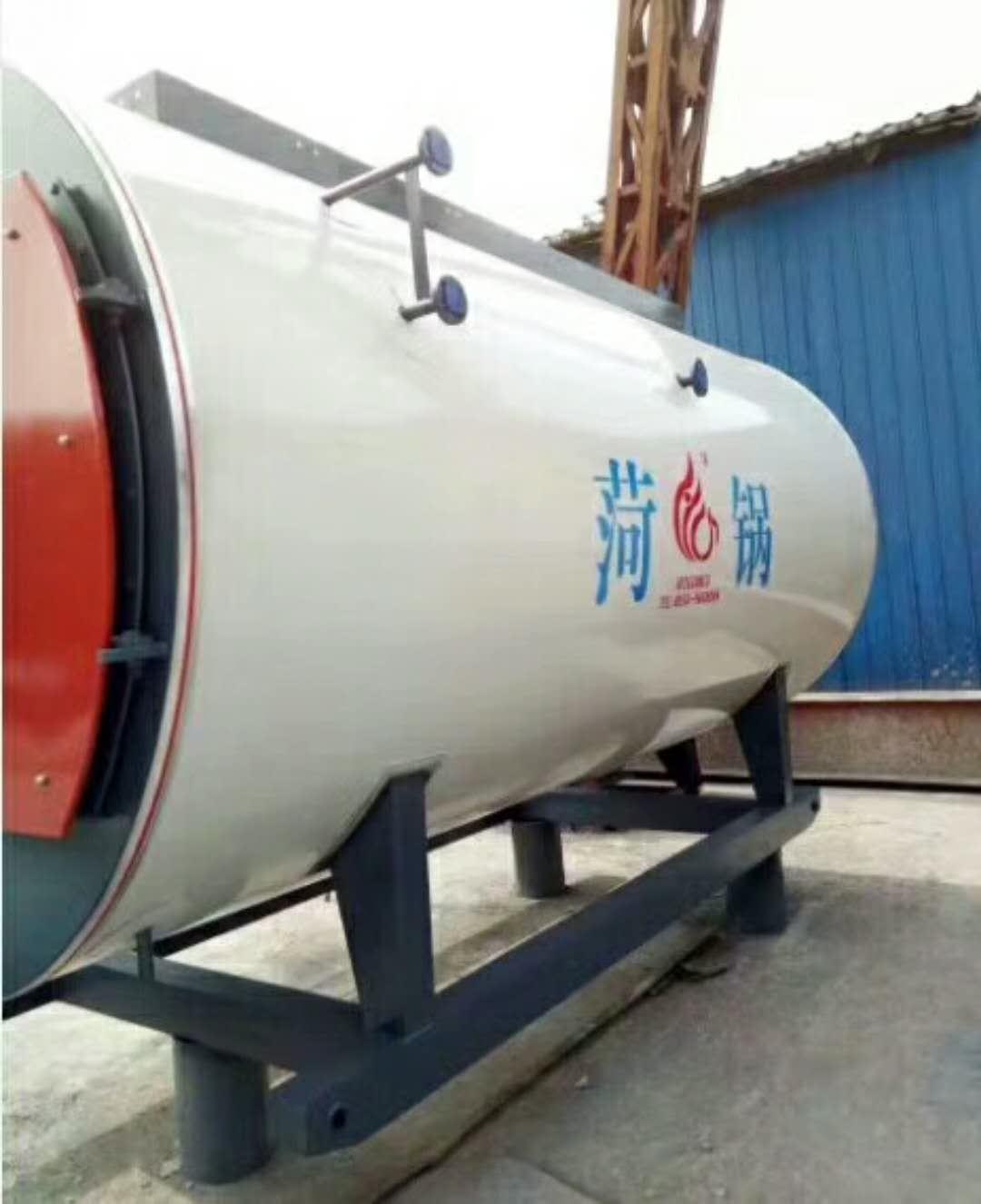
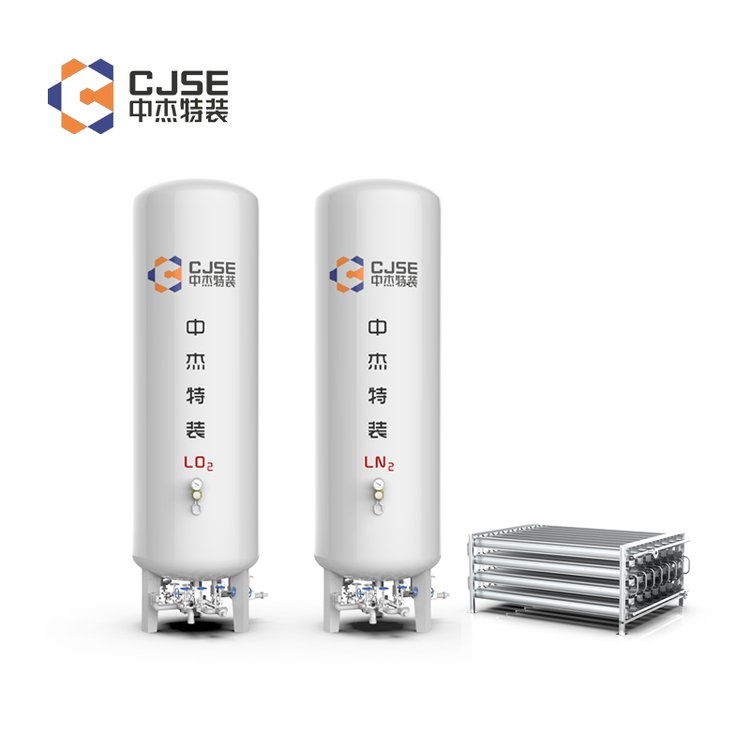


















Shandong Zhongjie Special Equipment (formerly Heze Boiler Factory Co., Ltd.) holds an A-grade boiler manufacturing license, an A2-grade pressure vessel manufacturing license, an A2-grade pressure vessel design license, a B-grade boiler installation license, and GB2/Class, GC2/Class pressure pipeline installation licenses, as well as an equipment and machinery installation contracting qualification. It is a member of the China Boiler and Water Treatment Association, the China Chemical Equipment Association, and the Council Member of the Shandong Equipment Manufacturing Association. The company has also passed certifications for the ISO9001 Quality Management System, ISO14001 Environmental Management System, OHSAS18001 Occupational Health and Safety Management System, and the American ASME/U2 certification.
Consider the following aspects to differentiate the quality of liquid nitrogen tanks:
Material: Liquid nitrogen storage tanks typically use high-strength, corrosion-resistant materials such as stainless steel or aluminum alloy. These materials offer excellent corrosion resistance and mechanical strength, ensuring the tank's long-term stable operation.
Sealability: The liquid nitrogen tank should possess excellent sealing properties to effectively prevent nitrogen leakage. The valves, pipe connections, and other areas of the tank should be designed rationally to ensure reliable sealing.
Insulation: Liquid nitrogen tanks should have excellent insulation properties to minimize evaporation losses. The insulation layer of the tank should use materials like polyethylene foam to reduce heat conduction and evaporation losses.
Safety: The liquid nitrogen storage tank should have excellent safety performance, including equipped with safety valves, pressure gauges, and other safety devices, as well as featuring fire and explosion prevention functions. The design and manufacturing of the tank should comply with relevant safety standards and regulations.
Service Life: Liquid nitrogen tanks typically have a long service life, capable of withstanding long-term use and transportation. The manufacturer and reputation are also significant factors in assessing service life.
Price and After-Sales Service: The price of liquid nitrogen tanks should be reasonable, and excellent after-sales service is provided. Choosing manufacturers or suppliers with a good reputation and reliable after-sales service ensures quality products and technical support.
Considering these factors, one can differentiate between the merits and demerits of liquid nitrogen storage tanks. When selecting a liquid nitrogen tank, it is recommended to choose one that meets the requirements based on actual needs and usage environment, to ensure safe and reliable storage of liquid nitrogen.
The use of liquid nitrogen storage tanks in rapid freezing technology offers several advantages:
Rapid Freezing Speed: The temperature of liquid nitrogen is low, approximately -196 degrees Celsius. Using a liquid nitrogen tank for quick freezing can rapidly lower the surface temperature of food, achieving fast freezing. Compared to traditional freezing methods, liquid nitrogen freezing can significantly reduce freezing time while preserving the quality and texture of the food.
Uniform freezing effect: The rapid freezing technology with liquid nitrogen achieves quick and even freezing of food. Liquid nitrogen is喷射ed onto the surface of the food in a gaseous state, absorbing heat rapidly and transforming into a liquid, thereby ensuring even freezing of the food and preventing crystallization and lumping during the freezing process.
Maintain Food Quality: Liquid nitrogen rapid freezing rapidly chills food, reducing crystallization and caking during the freezing process, thereby preserving the quality and texture of the food. During the rapid freezing process, liquid nitrogen quickly lowers the surface temperature of the food, forming minute frozen structures, effectively retaining the food's moisture and nutritional content.
Flexibility and Adaptability: The liquid nitrogen tank can be adjusted and controlled according to different types of food and freezing requirements. The injection speed and angle of liquid nitrogen can be adjusted based on the size, shape, and freezing needs of the food to achieve optimal freezing effects.
Environmental protection and energy-saving: Liquid nitrogen rapid freezing technology, compared to traditional freezing methods, can save more energy and resources. Liquid nitrogen evaporates quickly during the freezing process, causing environmental pollution and generating waste water and gas.
Be mindful that when using liquid nitrogen tanks for rapid freezing, it is crucial to follow the relevant safety operation procedures and guidelines. Ensure that operators have the necessary safety awareness and operational skills to prevent accidents. In addition, consult
The use of liquid oxygen storage tanks requires special attention to the following safety matters:
Training: Operators of liquid oxygen tanks must undergo training to understand the properties of liquid oxygen, safety operating procedures, and emergency response measures. Only trained personnel are authorized to operate liquid oxygen tanks.
Safety Operating Procedures: Establish and adhere to the safety operating procedures for liquid oxygen tanks, including proper operational procedures, protective measures, and emergency response plans. Ensure operators follow the procedures to minimize accident risks.
Protection Measures: When using liquid oxygen tanks, it is mandatory to take necessary protective measures, such as wearing protective gloves and suits. Avoid direct contact with liquid oxygen to prevent coldness.
Leakage Control: Regularly inspect the liquid oxygen storage tank for leaks and equip with leak detection and alarm systems. In the event of a leak, immediate measures should be taken to control the leak and carry out repairs.
Fire Prevention Measures: Liquid oxygen has a high oxygen content, which is prone to causing fires. To prevent and contain fires, fire walls and fire-retardant coatings are installed around the liquid oxygen storage tanks.
Static protection: Electrostatic accumulation in liquid oxygen tanks may cause sparks, increasing the risk of fire. Measures such as using conductive materials and anti-static equipment are taken to reduce the accumulation and release of static electricity.
Ventilation Requirements: Ensure adequate ventilation within the enclosed space of the liquid oxygen storage tank to expel vaporization of liquid oxygen.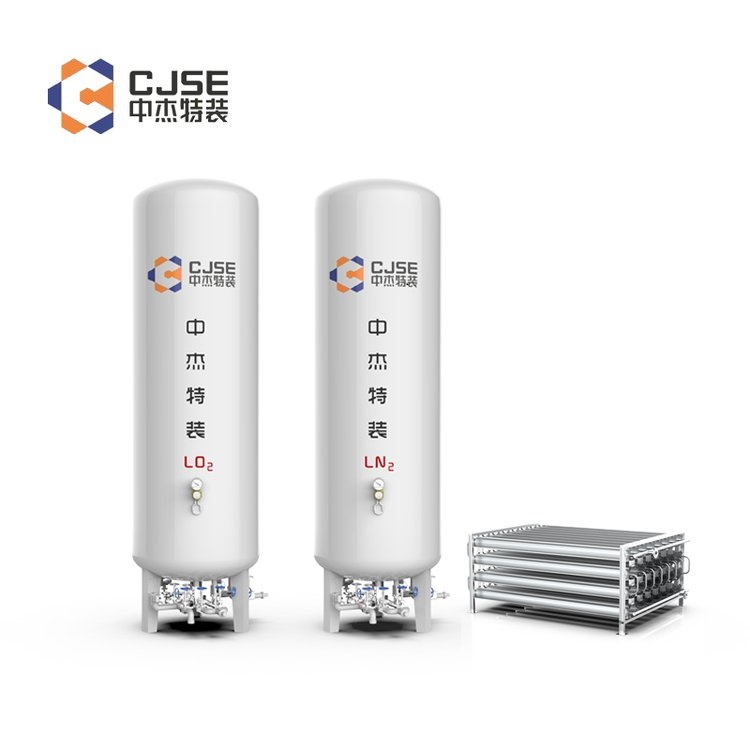
Liquid oxygen storage tanks may deform during use. The following are common deformation defects found in liquid oxygen storage tanks:
Elastic deformation: Liquid oxygen tanks may undergo elastic deformation when subjected to external pressure or temperature changes. This deformation is typically reversible, meaning the tank will return to its original shape after the external pressure is removed or the temperature returns to normal.
Plastic Deformation: When a liquid oxygen storage tank is subjected to significant external force or pressure, it may undergo plastic deformation. This deformation is irreversible, and the tank cannot return to its original shape. Plastic deformation could cause changes in the tank's shape, such as dents or warping.
Hot Deformation: Liquid oxygen storage tanks may experience hot deformation when subjected to high temperatures or temperature changes. Hot deformation can cause the tank to change shape, expand, or contract.
Cold Deformation: Liquid oxygen tanks may experience cold deformation when subjected to low temperatures or temperature changes. Cold deformation can cause the tank to change shape, shrink, or crack.
These deformation defects may affect the structural integrity and safety of liquid oxygen storage tanks. Therefore, it is important to regularly inspect and assess the deformation of liquid oxygen storage tanks to ensure their normal operation and safe use. If deformation defects are found in the tanks, prompt repair or replacement measures should be taken to avoid further damage and safety risks.
Shandong Zhongjie Special Equipment, welcome customers to our factory for business discussions.
WeChat Official Account

Scan to follow Official Account



















