


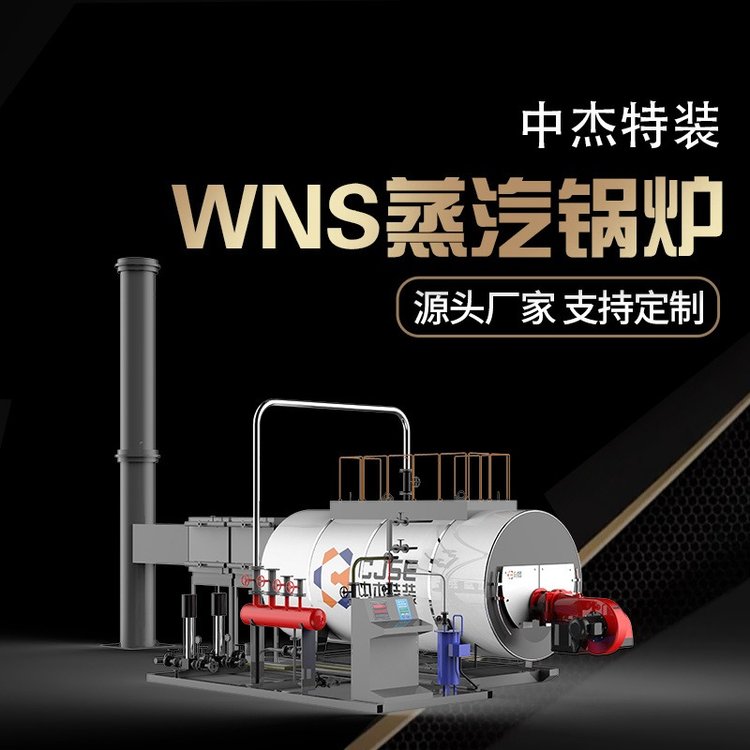

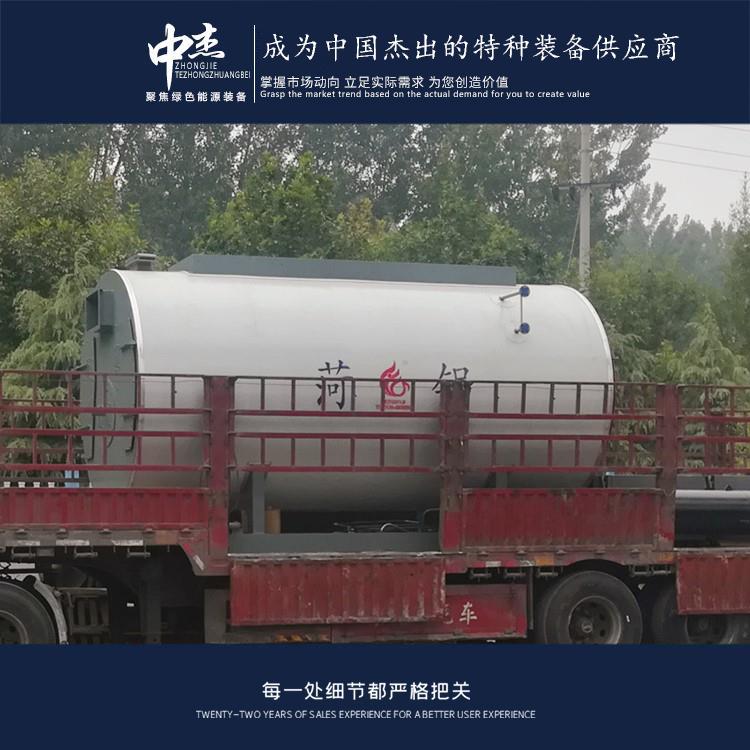
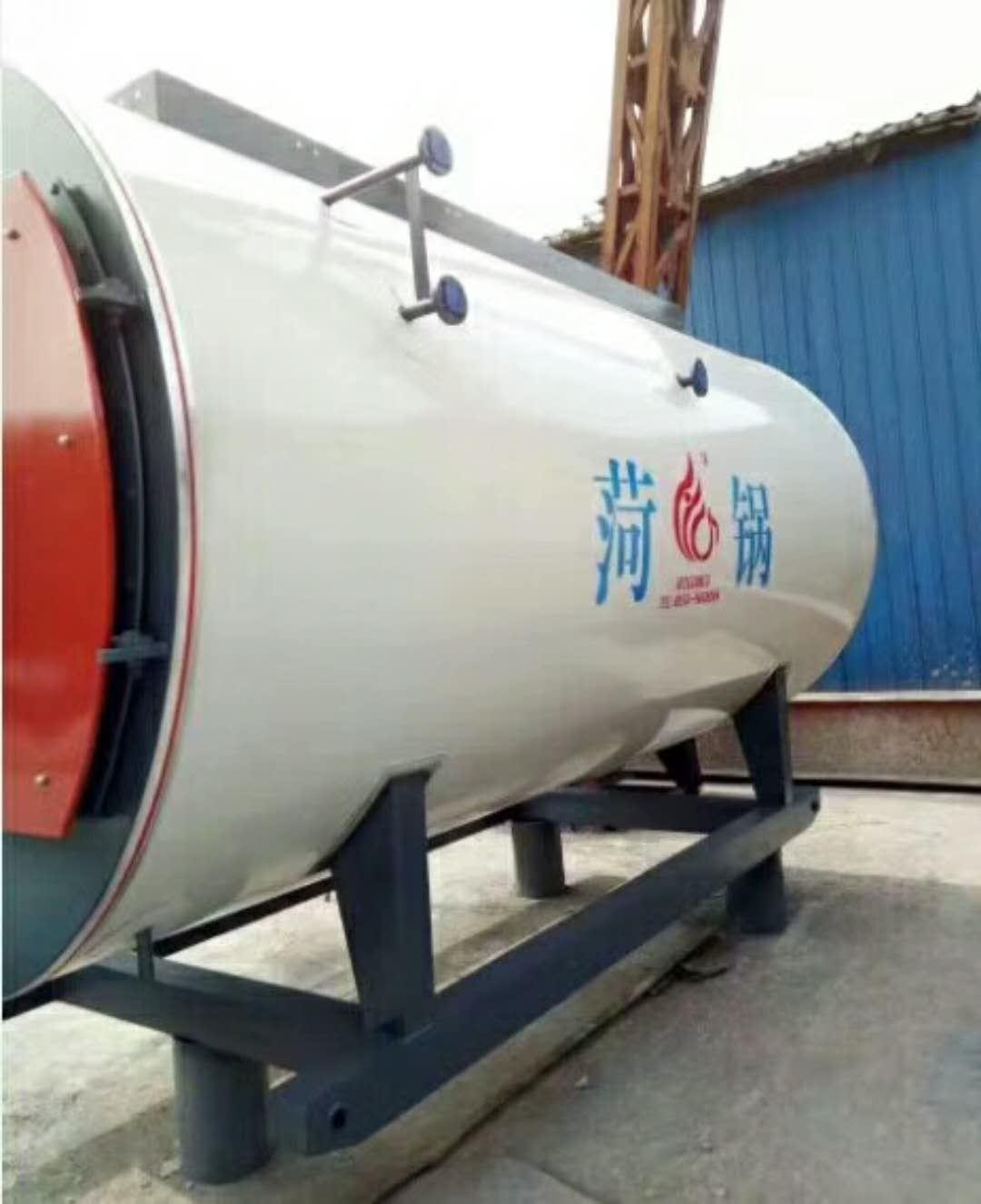


















Shandong Zhongjie Special Equipment's main products include: fuel (gas) boilers, organic heat carrier boilers, biomass boilers, waste heat recovery boilers, and other boiler products; vacuum insulation cryogenic pressure vessels such as LNG tanks, oxygen/nitrogen/argon tanks, and CO2 tanks; pressure vessel products like denitrification engineering equipment, heat storage and energy storage equipment, and complete chemical equipment sets; central air conditioning and HVAC equipment such as ground (water) source heat pumps, air source units, water-cooled screw units, and air-cooled modular units. Planned products include large-scale energy centers, LNG transport vehicles, LNG tank containers, and other green energy equipment.
Potential causes for uneven heat distribution in steam boilers may include the following aspects:
- Uneven combustion: During the combustion process, if the mixture of fuel and air is uneven, or if the burner design and adjustment are not reasonable, uneven combustion can occur. This leads to excessive heat generation in some areas while other areas produce less heat.
- Pipe blockage: The presence of blockages or scaling in the transmission pipes of steam boilers can cause uneven heat transfer. Blockages or scaling impede steam flow, limiting heat transfer in some areas while allowing it to flow relatively freely in others.
- Heat exchanger issues: If there are problems such as scaling, corrosion, or blockage in the heat exchangers of steam boilers, it can lead to uneven heat transfer. These issues can affect the heat conduction efficiency of the heat exchangers, impacting heat transfer in certain areas.
- Water level issues: Inaccurate or unstable water level control in steam boilers can lead to uneven steam generation. Both high and low water levels can affect steam production and distribution, causing uneven heat distribution.
- Boiler load changes: Variations in the load of steam boilers can also result in uneven heat distribution. Sudden increases or decreases in load may not allow for timely adjustments in heat generation and distribution, leading to uneven heat distribution.
To address the issue of uneven heat distribution in steam boilers, regular inspections and maintenance of boiler equipment are necessary to ensure the normal operation of combustion and heat exchange processes. Additionally, adjusting burners and control systems reasonably, maintaining stable water levels, cleaning pipes and heat exchangers, and improving...
Prior to ignition, the preparation of the steam boiler involves several steps: Clean the boiler: First, it's necessary to clean the internal and external dirt and impurities from the boiler. Remove ash, sediments, and dirt to ensure efficient combustion and heat exchange. Check fuel supply: Inspect the fuel supply system to ensure a smooth supply. Check the fuel storage tank, delivery pipelines, and filters; clear blockages and replace damaged parts. Inspect the burner: Examine the burner's operational status and cleanliness. Clean the burner's nozzle and flame detector to ensure proper functioning. Inspect the gas system: For gas boilers, check the gas supply system. Inspect the gas pipelines, valves, and pressure regulators to ensure safe and stable gas supply. Check water level and pressure: Monitor the boiler's water level and pressure. Ensure the water level is within the normal range, and the pressure is stable and meets requirements. Add water and adjust pressure as necessary. Inspect safety devices: Check the boiler's safety devices, such as safety valves, pressure switches, and water level controllers. Ensure these devices are working correctly to guarantee the safe operation of the boiler. Prepare ignition tools: Prepare the necessary tools and equipment for ignition, such as an igniter rod, igniters, and matches. Ensure these tools operate properly and are safe. During the preparation activities, follow relevant operational procedures and safety requirements to ensure the safety and effectiveness of the work. If unsure about the preparation, it is recommended to consult an expert or seek advice from the boiler manufacturer.
The necessity of flow control in thermal oil heaters is primarily reflected in the following aspects:
1. Heat Transfer Efficiency: The efficiency of heat transfer in thermal oil heaters is closely related to the flow rate of the thermal oil. An appropriate flow rate ensures that heat is fully transferred in the heat exchanger, enhancing the efficiency of heat utilization. An excessively low flow rate may result in insufficient heat exchange and affect the heat transfer effect; conversely, an excessively high flow rate will increase energy consumption and operating costs.
2. Temperature Control: Flow control in thermal oil heaters is also closely related to temperature control. By adjusting the flow rate of the thermal oil, the temperature inside the furnace can be controlled, ensuring stable operation within the set working temperature range. An excessively low flow rate may lead to excessively high temperatures, while an excessively high flow rate may cause temperatures to drop too low, both of which can affect the normal operation of the equipment.
3. System Stability: Appropriate flow rates of thermal oil can enhance system stability. Through flow control, the supply and demand of heat can be balanced, preventing overheating or cooling, and maintaining stable system operation. Stable operation helps extend the service life of the equipment and reduce the frequency of malfunctions and repairs.
4. Safety: Flow control in thermal oil heaters is also closely related to safety. Proper flow control can prevent excessive accumulation of thermal oil in the system, reducing the risk of leaks and explosions. Additionally, flow control ensures that the system pressure remains within a safe range, avoiding overpressure and other safety issues.
In summary, flow control in thermal oil heaters is necessary for improving heat transfer efficiency, temperature control, system stability, and safety. Through reasonable flow control, the operation of thermal oil heaters can be optimized, enhancing energy utilization efficiency, reducing operating costs, and ensuring safe and stable equipment operation.
Industrial boilers, during their long-term operation, can accumulate scale and sediments, affecting heat exchange efficiency and the normal operation of the boiler. Here are some effective descaling methods:
1. Mechanical Cleaning: Utilizes cleaning equipment and tools to wash away scale and sediments inside the boiler using high-pressure water or mechanical brushes. This method is suitable for lighter scale and sediment buildup.
2. Chemical Cleaning: Uses chemical cleaning agents to dissolve scale and sediments through chemical reactions. Select an appropriate cleaning agent based on the composition and nature of the scale, and follow the instructions provided. Chemical cleaning requires safe operation to avoid damage to equipment and the environment.
3. Acid Cleaning: A common descaling method for hard-to-dissolve scale and sediments. Common acid cleaning agents include, etc., and the appropriate cleaning agent and concentration should be chosen based on the specific situation. Acid cleaning requires safe operation to prevent harm to equipment and personnel.
4. Alkaline Cleaning: A descaling method for specific types of scale, suitable for alkaline scales. Common alkaline cleaning agents include, etc., and the appropriate cleaning agent and concentration should be selected based on the specific situation. Alkaline cleaning requires safe operation to prevent harm to equipment and personnel.
5. Physical Descaling: Physical descaling methods include ultrasonic cleaning and electro-dissolution. Ultrasonic cleaning uses the vibration effect of ultrasound to shake the scale to pieces. Electro-dissolution utilizes the principle of electrolysis to dissolve scale through the action of electricity. These physical descaling methods are suitable for special situations and specific types of scale.
When selecting a descaling method, consider the specific conditions of the boiler.
Shandong Zhongjie Special Equipment, welcome customers to visit our factory for business discussions.
WeChat Official Account

Scan to follow Official Account



















