


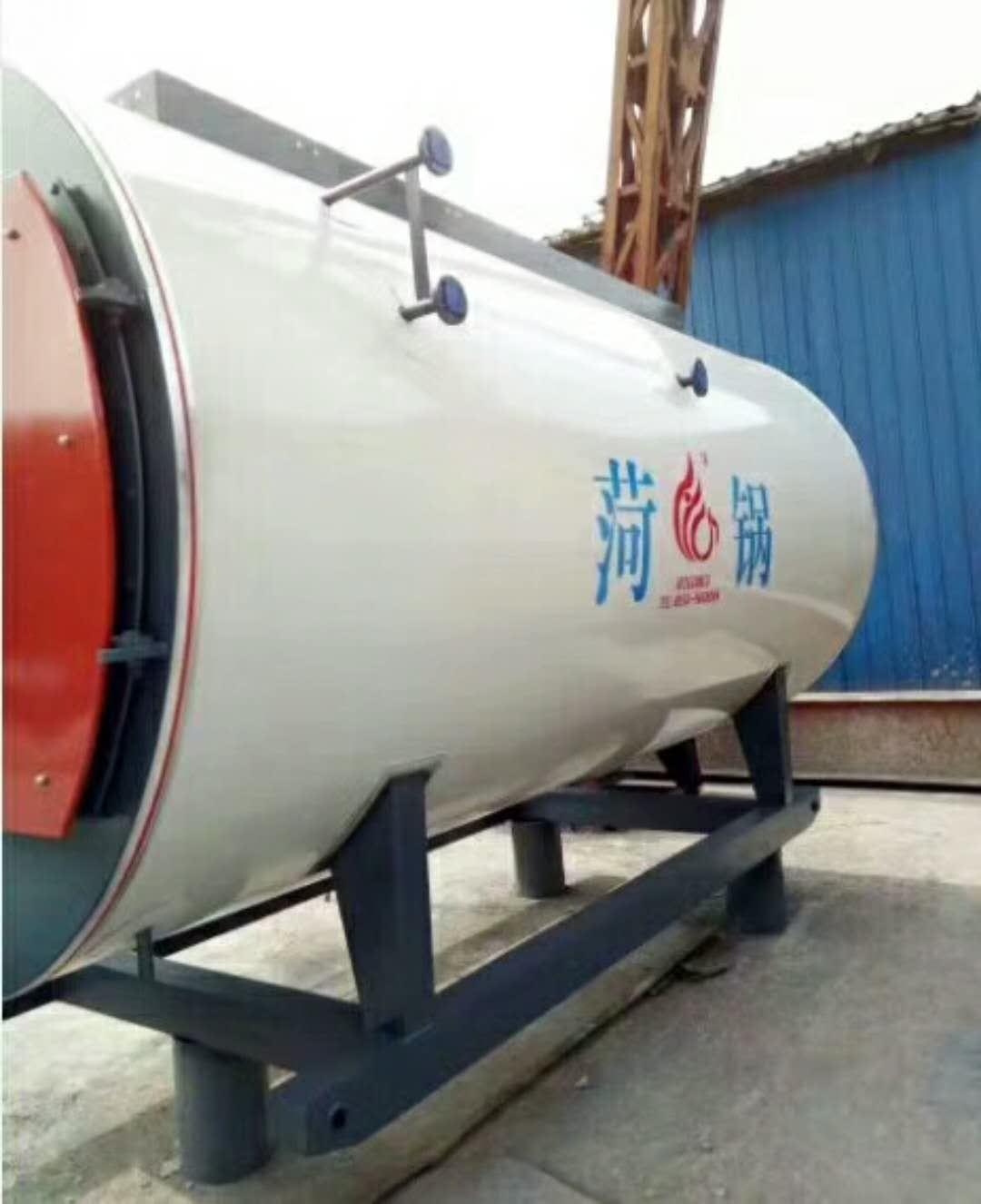

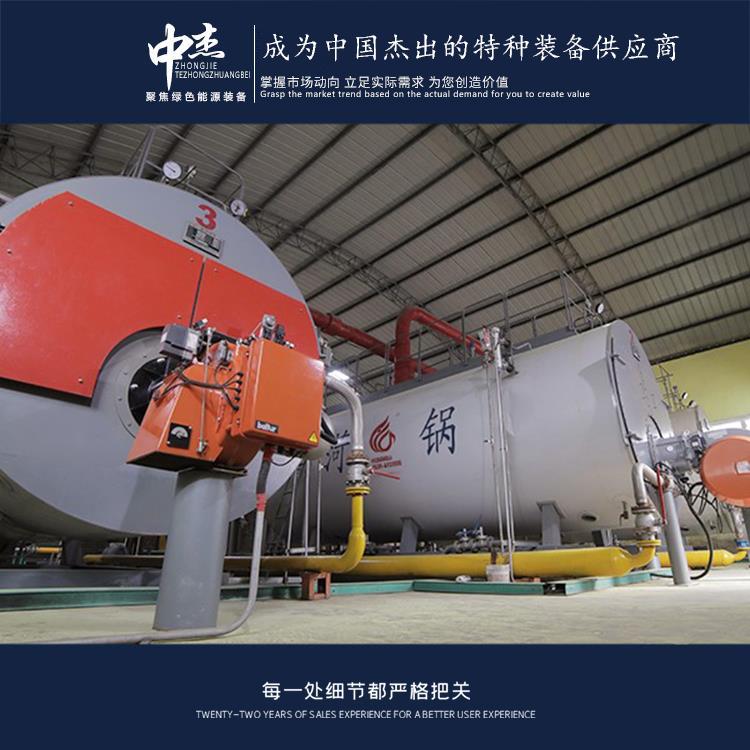
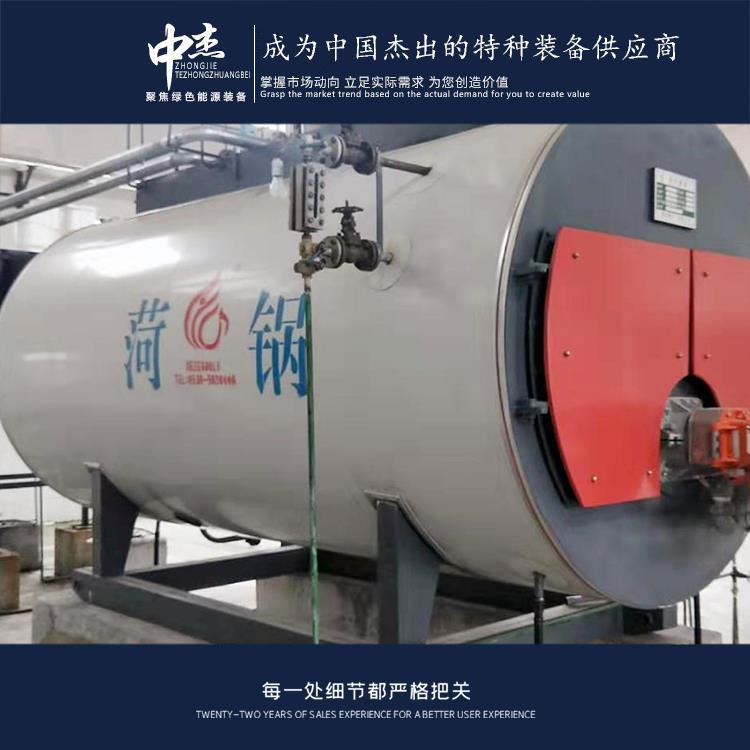


















Shandong Zhongjie Special Equipment Co., Ltd. (formerly Heze Boiler Factory Co., Ltd.) was established in 2001 and is located at No. 2218 Jinnan Road, Economic and Technological Development Zone, Heze City. With a registered capital of 50 million yuan and total assets of 500 million yuan, the company operates 7 business centers: boiler manufacturing, deep-freeze vessels, pressure vessels, central air conditioning, engineering installation, international trade, and the Internet of Things. It has three manufacturing sites on Jinnan Road, East Yangtze Road, and Bohai Road, covering a total of 200,000 square meters, with the main workshop spanning 83,000 square meters. Currently, the company has 710 employees, including 247 engineering and technical staff and 82 middle-level technical personnel. In December 2016, it was recognized as a "High-Tech Enterprise" by the Science and Technology Department. In June 2021, it was named a "Specialized and New Enterprise of Shandong Province" by the Ministry of Industry and Information Technology. In June 2022, it was identified as a "Gazelle Enterprise of Shandong Province," and in August 2022, it was recognized as a "Specialized and New Small Giant Enterprise" by the Ministry of Industry and Information Technology.
During the operation of a thermal oil furnace, several important points should be noted:
- Temperature Control: Close attention and control of the thermal oil temperature must be maintained during the operation of the furnace. Ensure the temperature remains within a safe range to avoid decomposition of the oil at high temperatures or condensation and scaling at low temperatures. Regularly inspect and calibrate temperature sensors to ensure the accuracy of temperature measurement.
- Pressure Control: Appropriate working pressure must be maintained during the operation of the furnace. Excessive pressure can lead to equipment damage or leaks, while low pressure can decrease heat transfer efficiency. Regularly inspect and maintain pressure gauges and safety valves to ensure the accuracy and safety of pressure control.
- Oil Quality and Cleanliness: The quality and cleanliness of the thermal oil are crucial for the normal operation of the furnace. Regularly inspect and replace the thermal oil to ensure it meets quality and performance requirements. Regularly clean and maintain heat exchangers, burners, and flues to prevent the accumulation of dust and dirt, which can affect heat transfer efficiency.
- Regular Maintenance and Inspection: Regular maintenance and inspections are required for the thermal oil furnace to ensure proper operation and extend its service life. Regularly inspect and clean burners, flues, and heat exchangers, check and replace seals and valves, inspect and calibrate safety devices, and ensure the safety and reliability of the equipment.
- Safe Operation: Strict adherence to operational procedures and safety protocols is necessary during the operation of the thermal oil furnace. Operators must possess the relevant skills and knowledge.
Properly utilizing fuel-gas boilers can enhance energy efficiency and reduce consumption. Here are some suggestions:
1. Select the right boiler model: Choose a suitable fuel-gas boiler model based on actual needs, considering factors like heat load, fuel type, and combustion efficiency.
2. Regular inspection and maintenance: Conduct regular checks and maintenance to ensure the boiler operates smoothly. This includes cleaning burners, inspecting the combustion system, adjusting parameters, and promptly repairing or replacing damaged parts.
3. Control the combustion process: Manage the combustion process to ensure complete, stable, and efficient burning. Adjust parameters like air flow and fuel supply to improve efficiency and reduce waste.
4. Heat recovery: Utilize heat recovery systems to capture and reuse waste heat from flue gases, heating water or other processes, and boost energy efficiency.
5. Control operating parameters: Adjust boiler operating parameters like water level, pressure, and temperature based on actual needs and conditions. Avoid extremes to enhance efficiency and safety.
6. Regularly clean heat exchangers: Clean the heat exchangers of fuel-gas boilers regularly to remove dirt and deposits, maintaining heat transfer efficiency and reducing energy loss.
7. Energy management: Establish an energy management system, monitor and analyze consumption, and develop reasonable usage plans and energy-saving measures. Scientific management can increase energy efficiency and reduce consumption.
These are common methods and suggestions, but specific applications should be determined based on actual conditions and boiler characteristics. Also, comply with relevant laws, regulations, and safety procedures to ensure safe operation of fuel-gas boilers.
To extend the service life of steam boilers, the following measures can be taken:
Regular maintenance: Conduct regular maintenance on the boiler, including cleaning burners, flues, and heat exchangers, inspecting and replacing worn parts, to ensure normal operation and efficiency.
Water quality control: Maintain good water quality in the boiler to prevent scale and corrosion from damaging the boiler. Regularly test water quality and implement appropriate treatment measures based on test results, such as descaling and replenishing missing chemicals.
Control of combustion process: Reasonably control the combustion process to ensure the normal operation and efficiency of the burner. Regularly check the working condition of the burner and adjust combustion parameters to avoid overheating or underheating issues.
Regular cleaning of flues and heat exchangers: Regularly clean flues and heat exchangers to remove accumulated ash and dirt, maintain heat exchange efficiency, and avoid overheating and energy loss.
Regular inspection of safety devices: Regularly inspect the boiler's safety devices, including safety valves, pressure switches, and water level controllers, to ensure normal operation and safe operation of the boiler.
Record keeping and monitoring: Record boiler operating parameters, maintenance records, and fault conditions, regularly monitor and analyze them, and address problems promptly to take corrective actions.
Operator training: Ensure that operators have sufficient knowledge of boiler operation and maintenance, operate and maintain the boiler correctly, and avoid damage caused by operational errors and improper maintenance.
Regular overhauls: Based on the boiler's usage and the manufacturer's recommendations, perform regular major overhauls and inspections, replace worn-out parts, and extend the boiler's service life.
These measures can help extend the service life of steam boilers. However, please note that for safety and effectiveness, maintenance and repairs should be carried out by qualified personnel.
Regular inspections of industrial boilers are crucial for ensuring safe operation, improving efficiency, and extending their lifespan. Here are the key reasons for the importance of regular inspections:
Safety Assurance: Industrial boilers are high-temperature, high-pressure equipment. Without regular inspections, there may be hidden safety risks. Regular inspections can identify and rectify potential issues within the boiler, such as combustion system failures, water level control malfunctions, and safety valve malfunctions, ensuring the safe operation of the boiler.
Efficiency Enhancement: Regular inspections can uncover dirt and sediment inside the boiler, maintaining the cleanliness and thermal conductivity efficiency of heat exchangers, and improving the boiler's thermal and energy utilization efficiency. This helps reduce energy consumption and operating costs.
Extending Lifespan: Regular inspections can promptly detect and address corrosion, wear, and fatigue issues within the boiler, preventing further damage and failures, and extending the boiler's lifespan. Regular maintenance and care can also prevent and minimize boiler damage and failures.
Legal and Regulatory Requirements: Many regions have established laws and regulations and standards for boiler safety management, requiring regular inspections and maintenance of industrial boilers. Regular inspections are a critical component of meeting legal and regulatory requirements.
Insurance Requirements: Some insurance companies have specified insurance requirements for industrial boilers, mandating regular inspections and maintenance. Regular inspections can meet insurance company requirements and protect the company's insurance rights.
In summary, regular inspections of industrial boilers are important for ensuring safety, improving efficiency, extending lifespan, complying with legal and regulatory requirements, and meeting insurance requirements. Regular inspections should be conducted by qualified institutions or individuals, adhering to relevant laws, regulations, and standards. Timely regular inspections and maintenance can ensure the safe operation of industrial boilers.
ZJ Special Equipment adheres to the great vision of "realizing employees' dreams, creating customer value, and striving for the prosperity and strength of our motherland," and is dedicated to the development of the green energy equipment industry. We commit to society with high-quality products and services at competitive prices!
WeChat Official Account

Scan to follow Official Account



















