


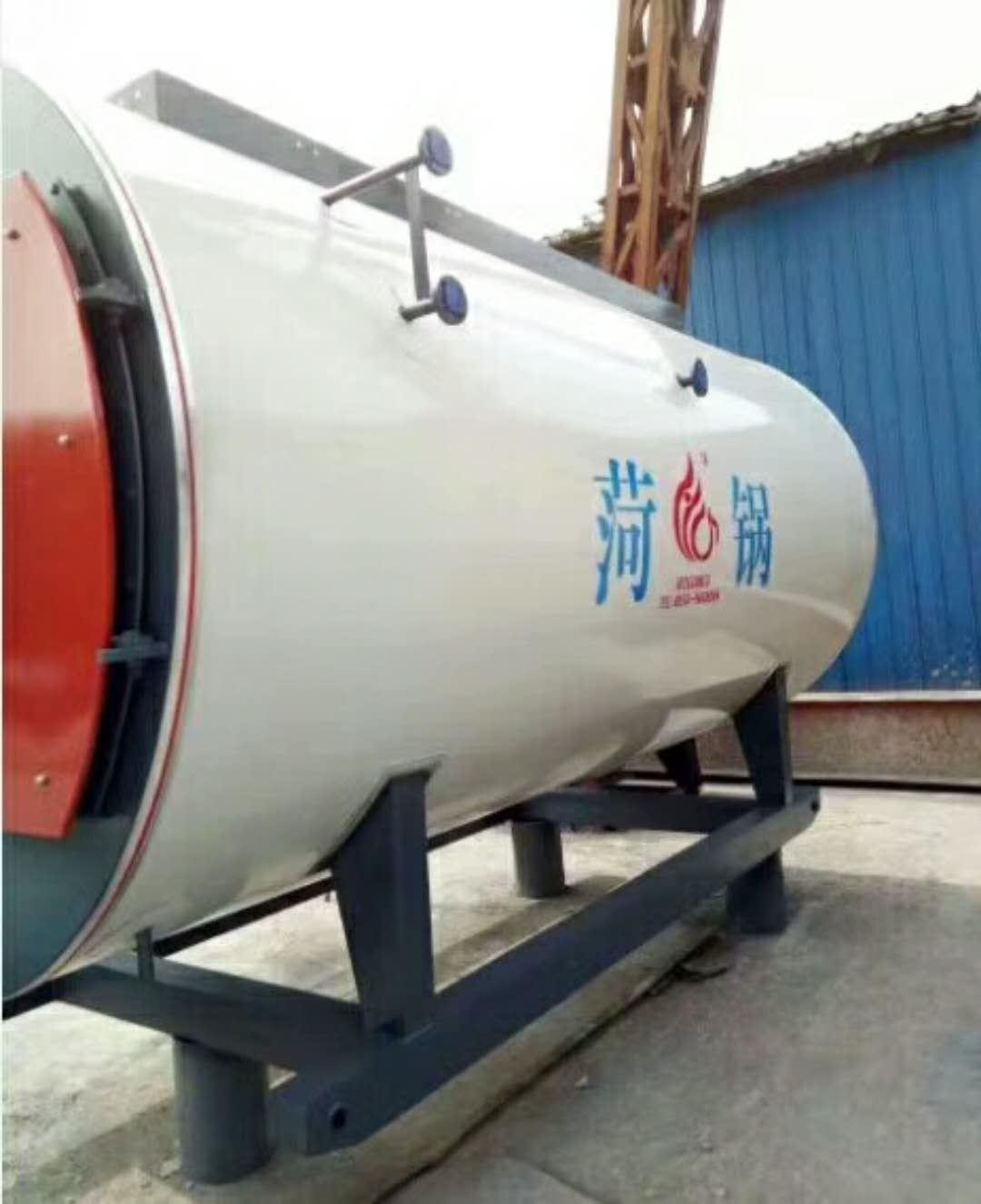

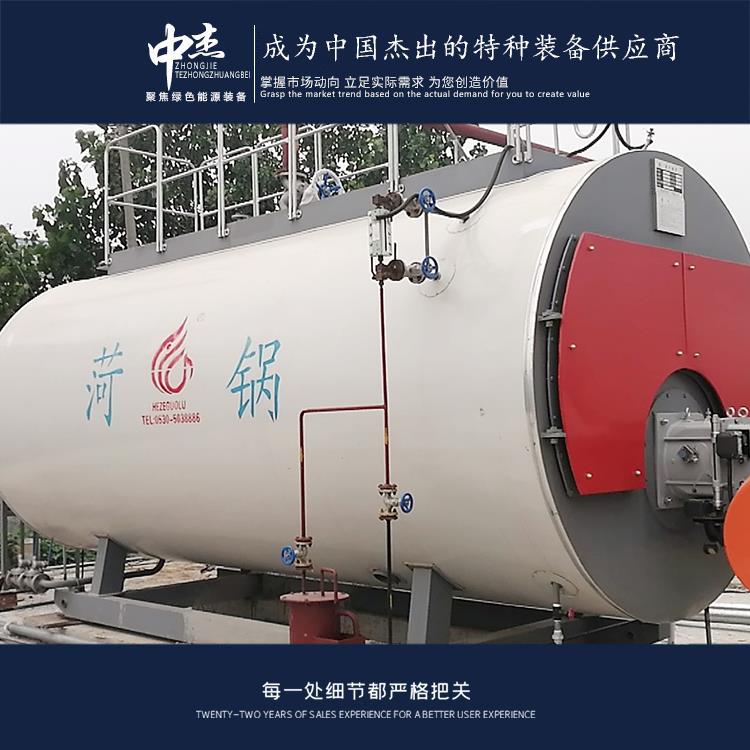


















Shandong Zhongjie Special Equipment (formerly Heze Boiler Factory Co., Ltd.) holds an A-grade boiler manufacturing license, an A2-grade pressure vessel manufacturing license, an A2-grade pressure vessel design license, a B-grade boiler installation license, and GB2/Class, GC2/Class pressure pipeline installation licenses, as well as a mechanical and electrical equipment installation contracting qualification. It is a member of the China Boiler and Water Treatment Association, the China Chemical Equipment Association, and the council member of the Shandong Equipment Manufacturing Association. The company has also passed certifications for the ISO9001 Quality Management System, ISO14001 Environmental Management System, OHSAS18001 Occupational Health and Safety Management System, and the American ASME/U2 certification.
For the maintenance of industrial gas boilers, here are some common methods and precautions:
* Clean the burner: Regularly clean the internal components and nozzles of the burner to ensure normal combustion of the gas, avoiding carbon accumulation and blockages.
* Inspect the gas supply system: Regularly check the gas supply system, including gas pipes, valves, and pressure regulators, to ensure normal gas supply, no leaks, or blockages.
* Clean the flue and heat exchanger: Regularly clean the flue and heat exchanger to remove dust and dirt, maintaining heat exchange efficiency and avoiding overheating and energy loss.
* Check water level and pressure: Regularly inspect the boiler's water level and pressure to ensure safe operation within the specified range. Refill water and adjust pressure to avoid issues caused by low or high water levels.
* Inspect safety devices: Regularly check the boiler's safety devices, including safety valves, pressure switches, and water level controllers, to ensure they are functioning properly and ensure safe boiler operation.
* Check the control system: Regularly inspect the boiler's control system, including automatic controllers, sensors, and gauges, to ensure accuracy and reliability, and to detect and repair faults promptly.
* Regular maintenance: Conduct regular maintenance, including lubricating components, replacing worn parts, and checking electrical connections, to extend the boiler's lifespan and stability.
* Keep records: Document the boiler's operating parameters, maintenance records, and fault situations to help identify and analyze operational conditions promptly.
* Train operators: Ensure operators are adequately trained and qualified.
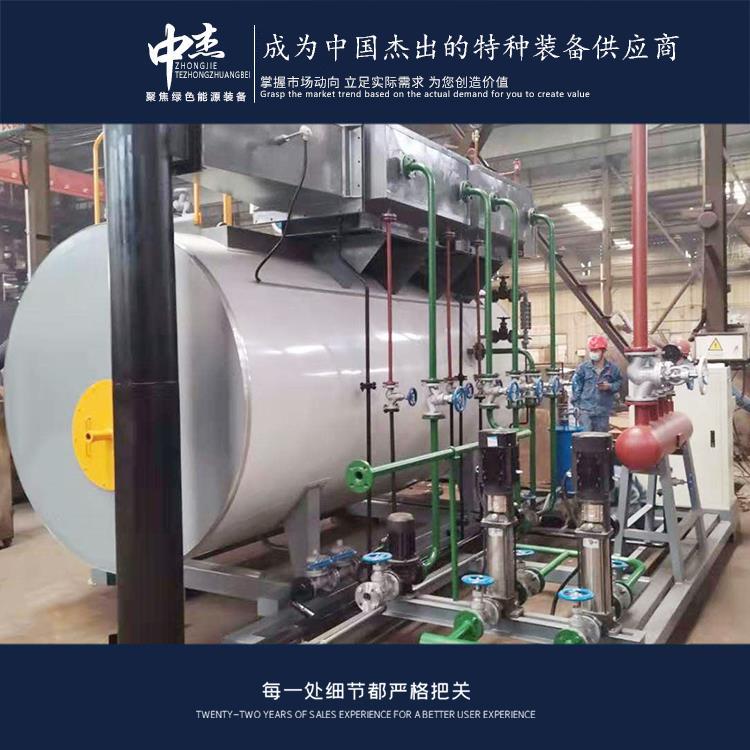
The Zhongjie skid-mounted thermal oil heater is a common industrial thermal energy equipment featuring the following product characteristics: High thermal efficiency: The Zhongjie skid-mounted thermal oil heater utilizes advanced combustion technology and heat exchanger design, effectively transferring the heat energy generated by fuel combustion to the thermal oil, achieving energy utilization and improving thermal efficiency. Stable and reliable: Made with materials and precision manufacturing processes, this heater boasts excellent high-temperature resistance and stable operating conditions, ensuring long-term stable operation with high reliability. Temperature control: Equipped with a temperature control system, the Zhongjie skid-mounted thermal oil heater can monitor and adjust the temperature of the thermal oil in real-time, guaranteeing precise and stable temperature control during the process. Safety protection: The heater is equipped with multiple safety protection devices, such as overheat protection, pressure protection, and burner fault protection, effectively preventing accidents. Additionally, the heater uses clean combustion technology, emitting minimal combustion byproducts and being environmentally friendly. Easy operation: The Zhongjie skid-mounted thermal oil heater is equipped with an intelligent control system, featuring a user-friendly interface and easy parameter adjustment, making the operation simple and reducing operation difficulty and labor costs. Overall, the Zhongjie skid-mounted thermal oil heater is characterized by stability and reliability, suitable for various industrial fields such as chemicals, textiles, and food processing, providing users with reliable thermal energy supply and process temperature control.
The key to maintaining a hot water boiler is regular maintenance and inspections. Here are some common maintenance steps and precautions:
* Clean the burner and flue: Regularly clean the burner and flue to remove accumulated ash and dirt, maintaining combustion and heat exchange efficiency. Use cleaning tools and equipment as per the operation manual.
* Check water level and pressure: Regularly inspect the water level and pressure of the hot water boiler to ensure safe operation within the specified range. Refill water and adjust pressure to avoid issues caused by low or high water levels.
* Check water quality: Regularly conduct water quality tests to check for hardness, alkalinity, oxygen content, and other indicators. Take appropriate water treatment measures based on test results, such as descaling and replenishing missing chemicals, to prevent scale and corrosion damage to the boiler.
* Inspect safety devices: Regularly check the safety devices of the hot water boiler, including safety valves, pressure switches, and water level controllers, to ensure proper operation and safe boiler operation.
* Check the electrical system: Regularly inspect the boiler's electrical system, including power connections, controllers, and sensors, to ensure the normal operation of electrical equipment and avoid electrical failures.
* Regularly drain: Regularly drain the wastewater and impurities from the boiler to avoid their impact on the boiler. Develop a reasonable drainage plan based on the boiler's usage and water quality conditions.
* Keep records and monitor: Record the boiler's operating parameters, maintenance records, and fault situations, and regularly monitor and analyze them to identify and address issues promptly.
* Train operators: Ensure that operators are adequately trained.
WNS Low-Nitrogen Condensing Hot Water Boilers offer the following advantages:
- Low Nitrogen Emissions: Utilizing low-nitrogen combustion technology, these boilers significantly reduce NOx emissions through optimized combustion processes and burner design. This aids in reducing environmental pollution.
- High Thermal Efficiency: Equipped with condensing technology, these boilers enhance energy utilization by recovering heat from flue gases, typically achieving over 90% efficiency, surpassing traditional hot water boilers. This contributes to energy savings and lower operating costs.
- Safety and Reliability: The control systems and safety devices in WNS Low-Nitrogen Condensing Hot Water Boilers offer excellent safety performance. They are equipped with multiple safety features, including overheat protection, overpressure protection, and water level protection, to automatically monitor and control the boiler's operation, ensuring safe operation.
- Versatility: Suitable for various applications such as industrial, commercial, and residential, these boilers can adapt to different thermal load requirements, offering strong flexibility. They can also be integrated with other systems, such as solar hot water systems and ground-source heat pump systems, to further improve energy efficiency.
- Easy Operation and Maintenance: The operation and maintenance of WNS Low-Nitrogen Condensing Hot Water Boilers are straightforward.
Shandong Zhongjie Special Equipment, welcome customers to our factory for business discussions.
WeChat Official Account

Scan to follow Official Account



















