


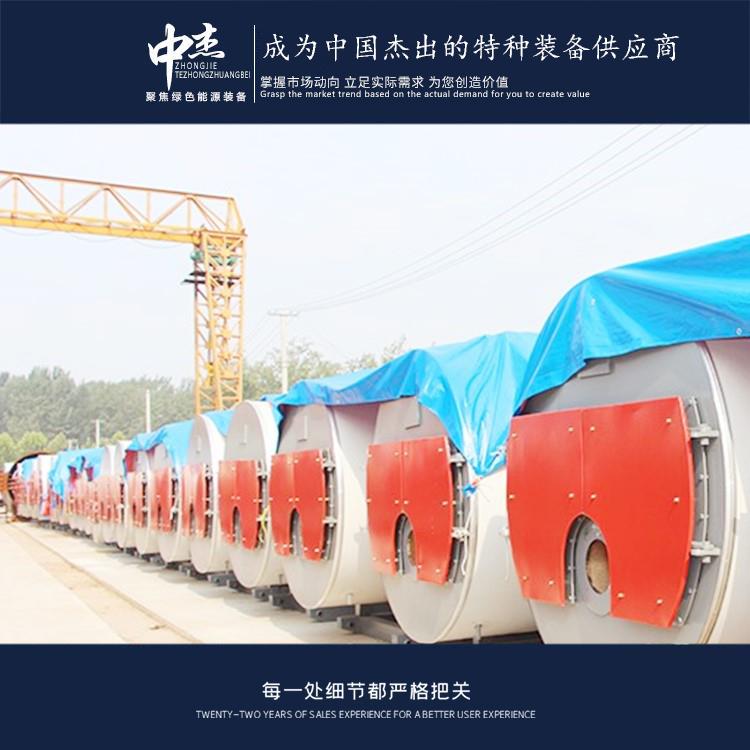

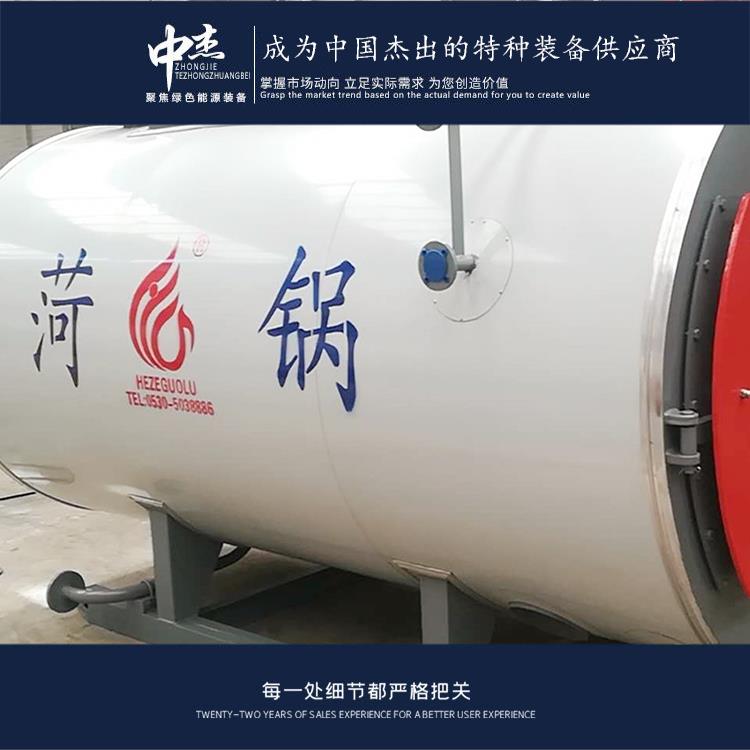
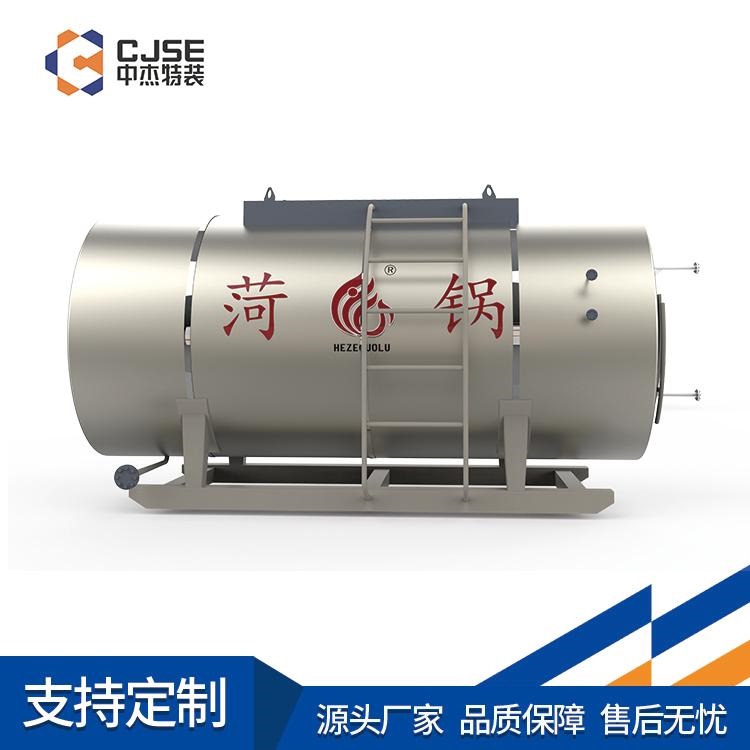


















Shandong Zhongjie Special Equipment's main products include: fuel (gas) boilers, organic heat carrier boilers, biomass boilers, waste heat boilers, and other boiler products; vacuum insulation cryogenic pressure vessels such as LNG tanks, oxygen/nitrogen/argon tanks, and CO2 tanks; pressure vessel products such as denitrification engineering equipment, heat storage and energy storage equipment, and complete chemical equipment; central air conditioning and HVAC equipment such as ground (water) source heat pumps, air source units, water-cooled screw units, and air-cooled modules. Planned products include large-scale energy centers, LNG transport vehicles, LNG tank containers, and other green energy equipment.
Conduction oil boiler tube plate inspection is crucial for ensuring the safe operation of the boiler and preventing potential issues. Below are the general steps for tube plate inspection:
Visual Inspection: Conduct a visual check to examine the surface of the tube plate for any obvious corrosion, cracks, deformation, or other anomalies. Pay particular attention to checking for cracks or leaks at the welds and joints.
Cleaning the Tube Plate: Clean the surface of the tube plate thoroughly to remove dirt and deposits for proper inspection.
Ultrasonic Testing: Use an ultrasonic testing device to inspect the tube plate for any potential cracks or other defects. Ultrasonic testing helps determine the integrity and reliability of the tube plate.
Pressure Testing: Perform a pressure test to verify the sealing and pressure-bearing capacity of the tube plate. Gradually increase the pressure during the test, observe for any leakage, and ensure the tube plate can withstand the designed pressure.
Tube Plate Thickness Measurement: Use an ultrasonic thickness gauge to measure the thickness of the tube plate to ensure it meets design requirements. Pay special attention to the corrosion condition, ensuring it remains within a safe range.
Weld Inspection: Inspect the welds of the tube plate to ensure the quality meets relevant standards and specifications. Check for the integrity of the welds, the quality of the weld, and whether the welding process meets requirements.
Documentation and Reporting: Document and report the inspection results of the tube plate, including any issues found, corrective actions, and recommendations. These records and reports serve as references for future maintenance and management.
It is important to note that tube plate inspection for conduction oil boilers should be conducted by qualified personnel and carried out strictly according to relevant standards and specifications. If any issues or anomalies are identified, appropriate repair and maintenance measures should be taken promptly to ensure the safe operation of the boiler.
Steam boiler equipment water treatment refers to the process of treating water in steam boilers to ensure normal operation and extend the lifespan of the equipment. Below are the basic principles of steam boiler equipment water treatment:
Water Quality Requirements: The water quality in steam boilers is high, usually requiring the removal of impurities, dissolved oxygen, and hard substances. Impurities and hard substances can lead to scaling and corrosion on the boiler inner walls, while dissolved oxygen can cause corrosion and the formation of bubbles.
Removing Impurities: Common methods for removing impurities from water include sedimentation, filtration, and ion exchange. Sedimentation involves adding chemicals to make impurities settle, filtration involves removing impurities through filtration media, and ion exchange involves resins adsorbing and exchanging ions to remove impurities from the water.
Adjusting Hardness: The hardness substances in water are mainly calcium and magnesium salts, which can cause scaling on the boiler inner walls. Hardness can be adjusted by adding chemicals or using water softening equipment to prevent scaling issues.
Removing Dissolved Oxygen: Dissolved oxygen can cause corrosion and the formation of bubbles. It can be removed by adding oxidizing agents or using deoxygenation equipment.
Controlling pH Level: The pH level of the water in steam boilers affects equipment corrosion and scaling. It is usually necessary to control the water pH within an appropriate range, using buffers or regulators to adjust the pH level.
Regular Testing and Maintenance: Regular water quality testing of steam boiler equipment, including measuring the hardness, dissolved oxygen, and pH levels, is necessary. Based on the test results, appropriate water treatment measures and maintenance should be implemented.
Steam boiler equipment water treatment is a crucial step to ensure normal boiler operation and extend the lifespan of the equipment. Rational water treatment measures can effectively prevent scaling, corrosion, and malfunctions on the boiler inner walls.
A gas heat-conducting oil furnace is a device that uses gas as fuel and transfers heat energy through heat-conducting oil. Its features include:
- High thermal efficiency: The gas heat-conducting oil furnace employs heat-conducting oil as the heat transfer medium, offering high heat transfer efficiency. The oil has high thermal conductivity and stability, enabling rapid heat transfer and enhancing energy utilization efficiency.
- Temperature control: By regulating the gas supply and the circulation of heat-conducting oil, the furnace can control the operating temperature. This temperature control meets various process and production requirements, improving efficiency and product quality.
- Safety and reliability: The furnace utilizes a closed-loop system, with combustion occurring in an enclosed environment, reducing the risk of gas leakage. Additionally, the heat-conducting oil has a high flash point and ignition point, making the combustion process relatively safe and reliable.
- Flexibility: The gas heat-conducting oil furnace is suitable for various industrial sectors such as chemicals, textiles, and food processing. It can adapt to different process needs and working conditions, offering strong flexibility.
- Environmental protection and energy-saving: The furnace emits relatively low amounts of exhaust during combustion, causing minimal environmental pollution. Due to its high thermal efficiency and temperature control, the furnace can save energy and reduce energy costs.
- It is important to note that regular inspections and maintenance are required for the gas heat-conducting oil furnace to ensure proper operation and extend its service life. Moreover, selecting the appropriate model and supplier is crucial to ensure its features and performance.
Safety requirements for steam boiler valves mainly include the following aspects: Valve Selection: Choose the appropriate type and specification of valves for steam boilers. Valves must comply with relevant standards and specifications, and possess characteristics such as high-temperature resistance, pressure resistance, and corrosion resistance. Valve Installation: Valves should be installed correctly at the corresponding positions on the steam boiler. During installation, ensure the connections are secure and the seals are reliable to prevent leaks and loose fittings. Valve Operation: The operation of the valve should be easy and flexible, allowing for accurate control of steam flow and pressure. The handle or device should indicate the direction of opening and closing, as well as the corresponding operation method. Valve Sealing: The sealing performance of the valve is crucial. Valves should have good sealing properties to prevent steam leakage and energy loss. The sealing surface should be flat and smooth, and able to withstand high temperatures and wear. Valve Maintenance: Regularly inspect and maintain valves to ensure their normal operation and safety performance. This includes cleaning the valves, checking the sealing surfaces, lubricating moving parts, and promptly repairing or replacing damaged components. Safety Valve: A safety valve must be installed on the steam boiler to protect its safe operation. The safety valve must comply with relevant standards and specifications and should automatically open to release overpressure steam when exceeding the set pressure, preventing boiler explosions. Valve Identification: Valves should be marked with their type, specification, working pressure, and flow rate information. This helps operators correctly identify and operate the valves, avoiding incorrect operations and accidents. It should be noted that the above safety requirements are general guidelines, and specific safety requirements should be determined based on the type, scale, and operating environment of the steam boiler. When using valves, follow relevant laws, regulations, and safety operation procedures to ensure the safe and effective operation of the valves.
Shandong Zhongjie Special Equipment, welcome customers to visit our factory for business discussions.
WeChat Official Account

Scan to follow Official Account



















