


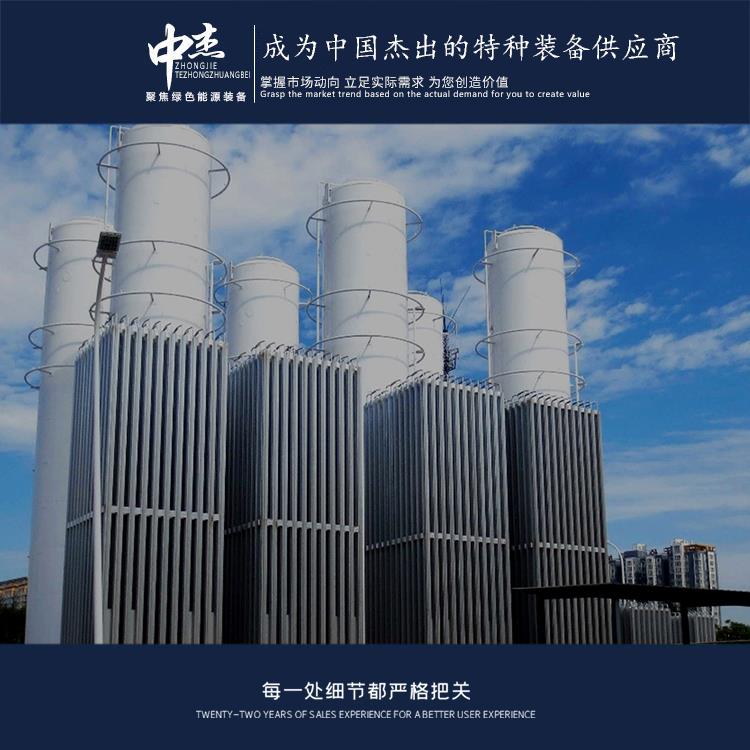

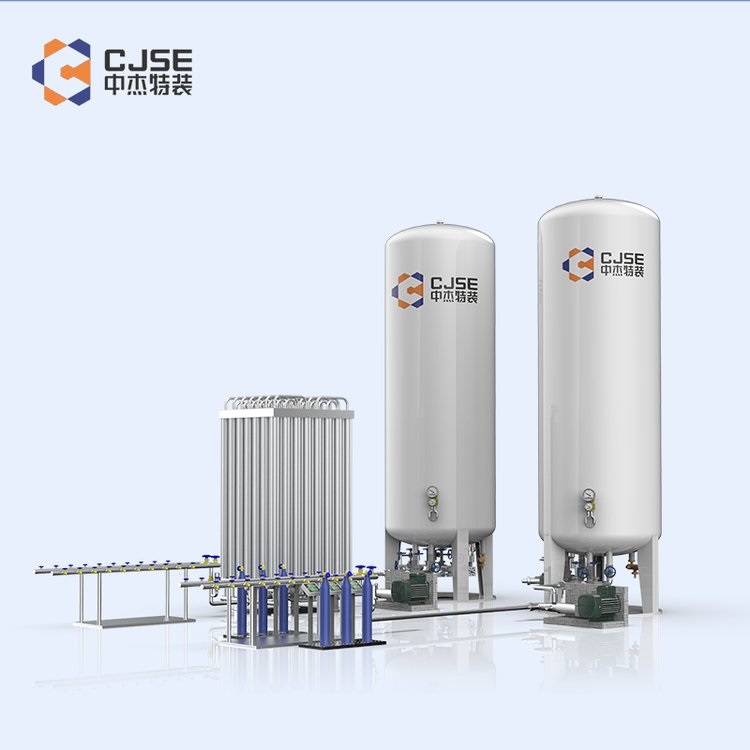
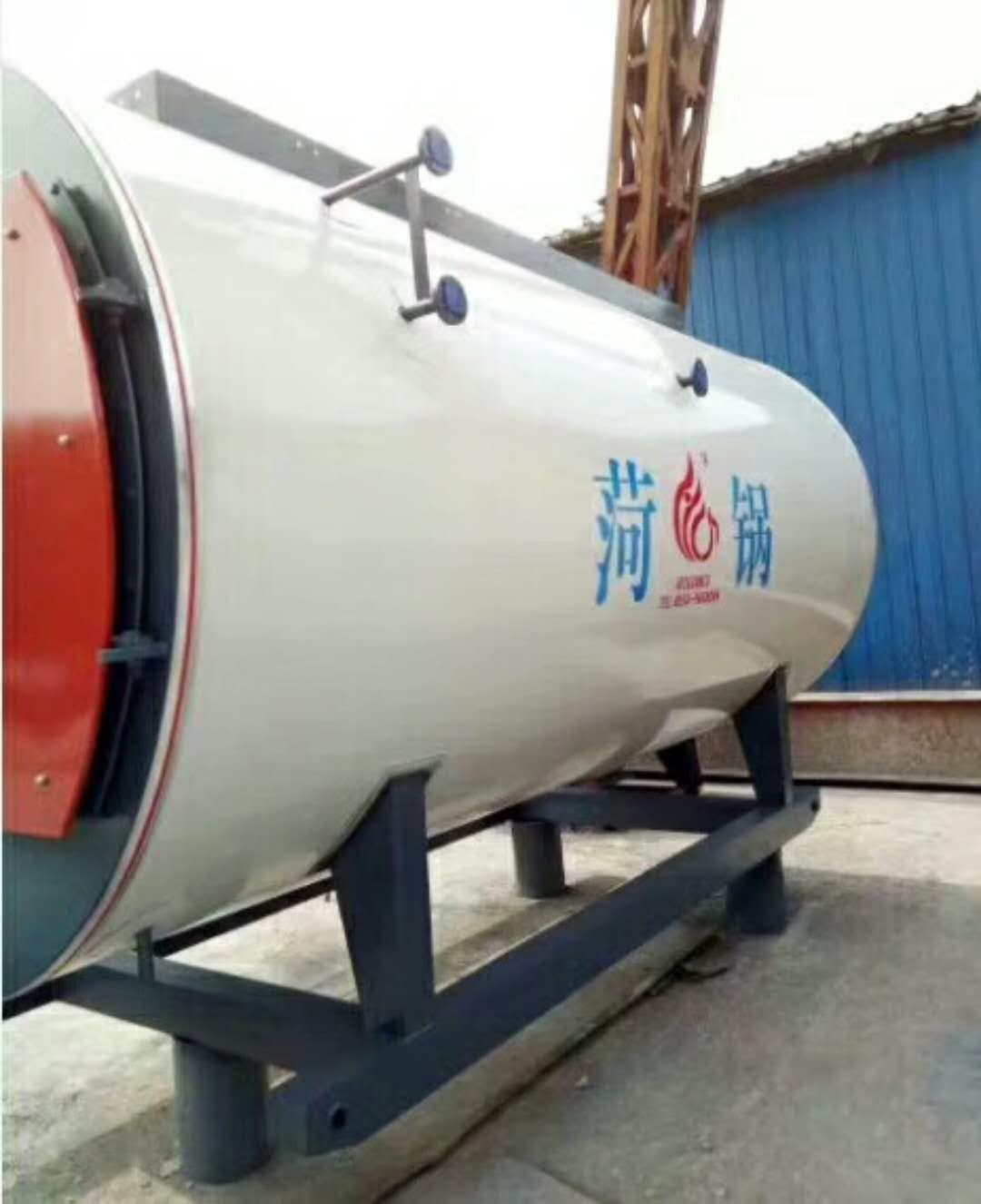


















Shandong Zhongjie Special Equipment (formerly Heze Boiler Factory Co., Ltd.) holds an A-grade boiler manufacturing license, an A2-grade pressure vessel manufacturing license, an A2-grade pressure vessel design license, a B-grade boiler installation license, and GB2/Class, GC2/Class pressure pipeline installation licenses, as well as a qualification for the installation and construction of electromechanical equipment. It is a member of the China Boiler and Water Treatment Association, the China Chemical Equipment Association, and the director unit of the Shandong Equipment Manufacturing Association. The company has also passed the ISO9001 Quality Management System, ISO14001 Environmental Management System, OHSAS18001 Occupational Health and Safety Management System certifications, and the American ASME/U2 certification.
Operation procedures for liquid oxygen storage tanks should be established based on the specific tank design and usage requirements. Below are some common contents of general operation procedures for liquid oxygen storage tanks:
- Operator Training: Ensure operators have received relevant training on liquid oxygen storage tanks, understanding the tank's structure, performance, operation procedures, and safety precautions.
- Safety Inspections: Conduct necessary safety checks before operating the liquid oxygen storage tank, including inspecting the tank's integrity, the tightness of valves and pipes, and the condition of the insulation.
- Liquid Oxygen Supply: Ensure the liquid oxygen supply system is functioning properly, including checking the status of the liquid oxygen supply pipes, valves, and pressure gauges, and ensuring an adequate supply.
- Tank Pressure Control: Monitor the pressure in the liquid oxygen storage tank to ensure it remains within a safe range. Adjust pressure valves or relief devices as necessary to control the tank's pressure.
- Leak Control: Regularly inspect the tank and pipeline seals to ensure there are no leaks. In case of a leak, take immediate action to control the leak and notify relevant personnel.
- Fire Prevention Measures: Prohibit open flames and prevent sparks and high-temperature objects from contacting the tank. Establish fire prevention facilities and firefighting equipment, and check and maintain them regularly.
- Safety Distance: Maintain a certain safety distance around the liquid oxygen storage tank to prevent the spread of fires, explosions, and leaks.
- Maintenance and Repair: Regularly perform maintenance and repairs on the tank, including cleaning the tank, inspecting the insulation, valves, and pipes, and ensuring the tank operates normally.
- Waste Disposal: Properly dispose of waste generated by the liquid oxygen storage tank, including liquid oxygen residues, waste gases, and waste liquids, in accordance with relevant environmental protection regulations and standards.
Note that operation procedures for liquid oxygen storage tanks should be established based on the specific tank design and usage requirements and should comply with applicable regulations, standards, and safety guidelines. When operating liquid oxygen storage tanks, cooperate with local regulatory authorities and personnel to ensure the tank's safety and reliability.
A low-temperature liquid storage tank is a device used for storing low-temperature liquids, commonly employed for liquid oxygen, liquid nitrogen, liquid argon, and other low-temperature liquids. These liquids exist in a gaseous state at room temperature but are cooled to a liquid state at low temperatures for better storage and usage. Low-temperature liquid storage tanks are typically made of high-strength materials such as stainless steel or aluminum alloy to withstand low temperatures and high pressures. The interior of the tank usually features insulation to minimize evaporation and maintain low temperatures. Applications of low-temperature liquid storage tanks include but are not limited to: They are widely used in rocket fuel and propulsion systems, such as liquid oxygen, liquid nitrogen, and liquid hydrogen storage tanks, for storing and supplying low-temperature liquids as fuel and oxidizers to propel rockets. Industrial production: These tanks are used in industrial production for storing and supplying low-temperature liquids like liquid oxygen, nitrogen, and argon, serving as coolants, gases for separation, and raw materials for chemical reactions. Medical applications: Low-temperature liquid storage tanks are used in the medical field to store and supply liquid oxygen for oxygen therapy, inhalation, and operating rooms. Laboratory research: In scientific research and laboratories, these tanks provide low-temperature liquids as coolants and cryogenic media for cooling laboratory equipment, material research, superconductivity, and low-temperature physics. In summary, low-temperature liquid storage tanks are extensively applied in various fields, including aerospace, industrial production, and laboratory research, for storing and supplying low-temperature liquids to meet the demands of different sectors.
Liquid argon storage tanks are equipment used for storing and transporting liquid argon, featuring the following characteristics:
Low-temperature retention performance: The liquid argon tank is equipped with special insulation materials and structural design, effectively maintaining the low-temperature state of liquid argon. The tank is internally lined with insulation to minimize heat conduction and loss, ensuring long-term storage of liquid argon.
High-sealed performance: The liquid argon storage tank boasts excellent sealing properties, effectively preventing leaks and evaporation of liquid argon. The valves, connectors, and seals, among other components, are precisely designed and manufactured to ensure reliable sealing performance.
High strength and corrosion resistance: The liquid argon tank is made of high-strength materials, capable of withstanding the high pressure and low temperature of liquid argon. Both the internal and external surfaces of the tank are specially treated for excellent corrosion resistance, effectively resisting corrosion and oxidation from liquid argon.
Safety Features: The liquid argon storage tank is equipped with multiple safety protection measures, including safety valves, pressure sensors, and level monitoring devices. These devices monitor and control the tank's pressure, temperature, and level, ensuring safe operation within the tank.
Reliability and Stability: The liquid argon storage tank has undergone rigorous design, manufacturing, and testing, offering excellent reliability and stability. The tank is capable of long-term stable storage and transportation of liquid argon, ensuring that the quality and performance of the liquid argon remain unaffected.
Easy to operate and maintain: The liquid argon tank is relatively simple to operate and maintain, equipped with valves and fittings that are easy to use. The maintenance work mainly includes regular inspections, cleaning, and repairs, which can extend the service life of the tank.
The performance characteristics of liquid argon tanks make them crucial for the storage and transportation of liquid argon, widely used in scientific research, industry, and other fields. When using liquid argon tanks, strict adherence to operational specifications and safety requirements is essential to ensure safe usage.
The filling process for liquid nitrogen tanks typically includes the following steps:
Preparation: Ensure the tanks and filling equipment are in good condition with no damage or leaks. Check that the tank's insulation is intact and undamaged.
Safety Inspection: Check the tank and its surrounding environment for safety. Ensure there are no flammable materials or other hazardous items around the tank.
Connect equipment: Link the filling equipment to the storage tank. Ensure the connection is securely fastened and there are no leaks.
Prepare Liquid Nitrogen: Provide liquid nitrogen supply, ensuring the quality and purity meet the required standards.
Open valves: Follow the operational instructions of the filling equipment to gradually open the corresponding valves, allowing liquid nitrogen to flow from the supply source into the storage tank.
Regulate Flow: Adjust the flow control valve of the filling equipment as needed to control the inflow rate of liquid nitrogen. Ensure the flow rate is moderate, avoiding too fast or too slow.
Level Monitoring: Real-time monitoring of liquid nitrogen levels within the storage tank through a level gauge or other level monitoring devices. Ensure the level is maintained within a safe range.
Stop Filling: Close the valve of the filling equipment when liquid nitrogen fills the tank or reaches the required level, halting the inflow of liquid nitrogen.
Disconnect: Disconnect the filling equipment from the storage tank, ensuring there are no leaks at the connection point.
Safety Inspection: Recheck the tank and its surrounding environment for safety, ensuring there are no leaks or other potential hazards.
The procedure outlined is for general reference only; the actual filling process may vary depending on the specific type of storage tank and filling equipment. When performing the filling operation for a liquid nitrogen tank, please adhere to the relevant operational specifications and safety requirements, and ensure that the operators are trained and skilled in safety procedures.
Zhongjie Special Equipment upholds the grand vision of "realizing employees' dreams, creating value for customers, and striving for the prosperity and strength of our motherland," and is dedicated to the development of the green energy equipment industry. We offer products and services with high cost-performance to contribute to society!
WeChat Official Account

Scan to follow Official Account



















