


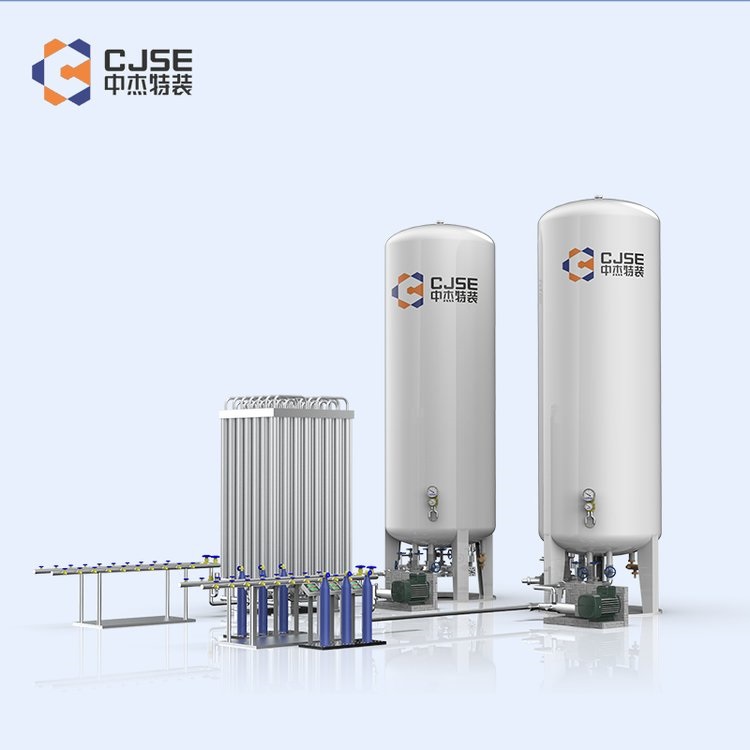

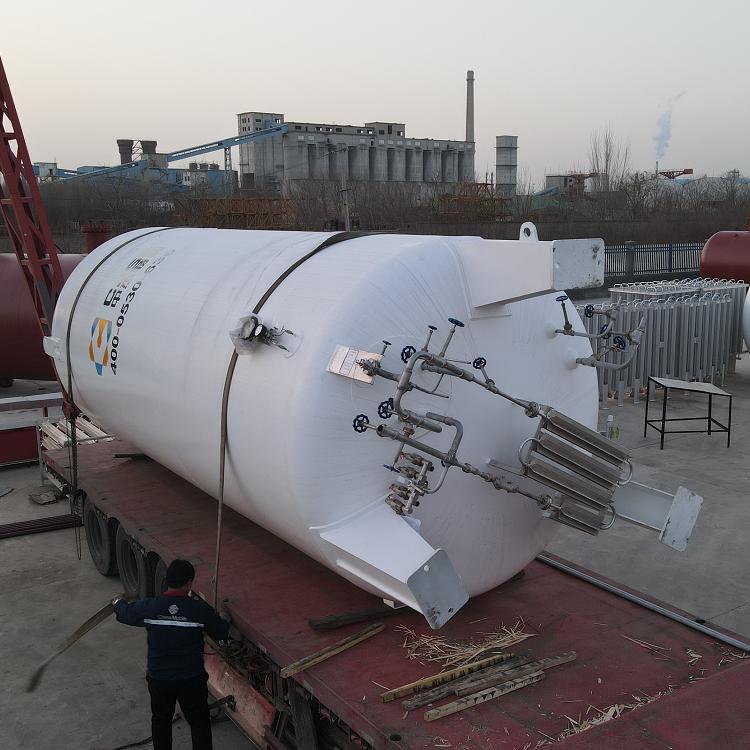
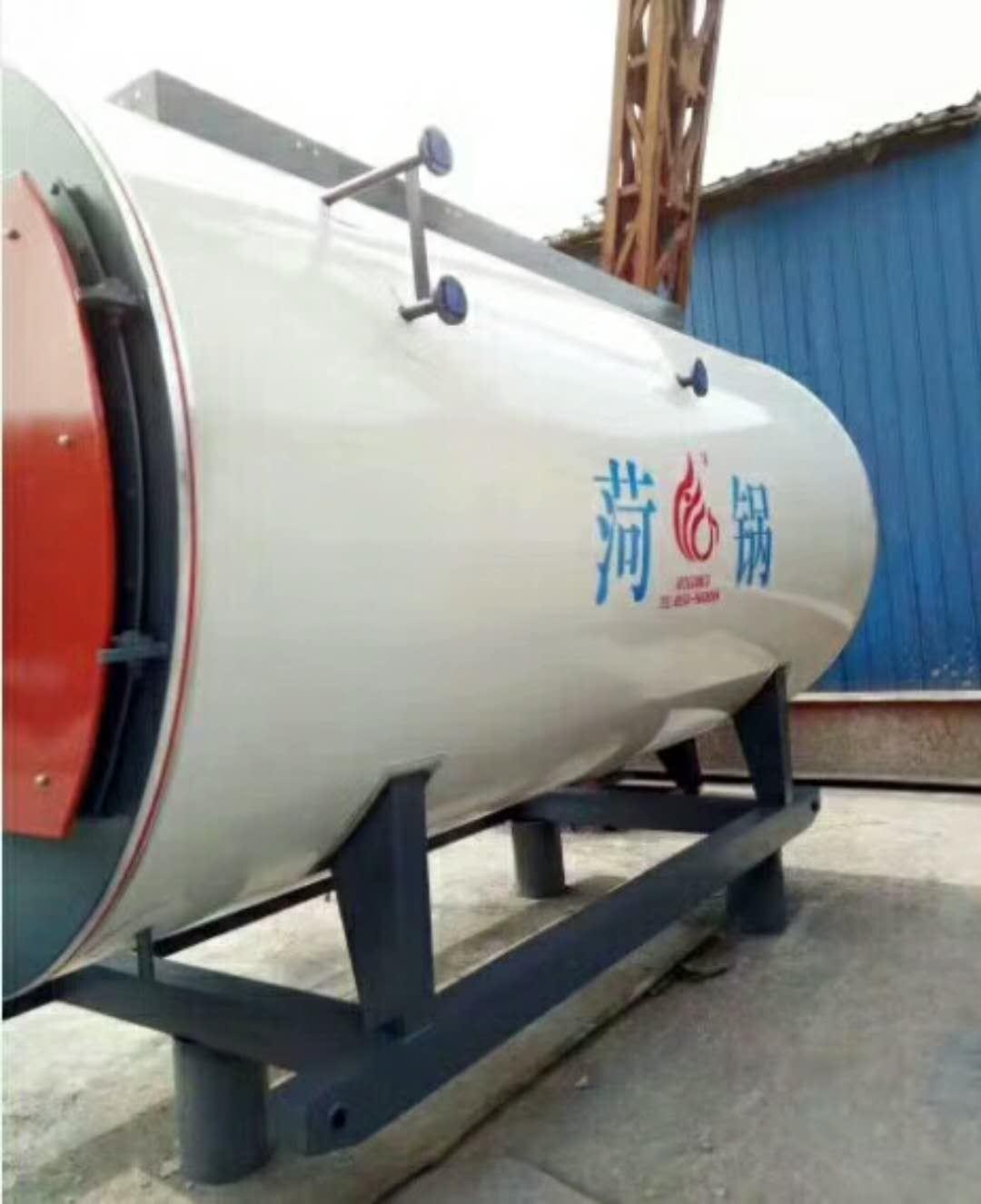


















Shandong Zhongjie Special Equipment (formerly Heze Boiler Factory Co., Ltd.) holds an A-grade boiler manufacturing license, an A2-grade pressure vessel manufacturing license, an A2-grade pressure vessel design license, a B-grade boiler installation license, and GB2/Class and GC2/Class pressure pipeline installation licenses, as well as an equipment and machinery installation contracting qualification. It is a member of the China Boiler and Water Treatment Association, the China Chemical Equipment Association, and the理事 unit of the Shandong Equipment Manufacturing Association. The company has also passed the ISO9001 Quality Management System, ISO14001 Environmental Management System, OHSAS18001 Occupational Health and Safety Management System certifications, and the American ASME/U2 certification.
Leakage defects in liquid argon storage tanks may be caused by the following reasons:
Design or Manufacturing Defects: Defects in the design or manufacturing process of the tank, such as loose welds, improper material selection, or inadequate sealing, lead to leakage issues in the tank.
Corrosion and Oxidation: Long-term exposure to low temperatures can cause corrosion and oxidation in liquid argon storage tanks. These issues can damage the tank's surface protective layer, leading to leakage problems.
Fatigue and stress cracking: During prolonged use, tanks may experience fatigue and stress cracking due to temperature and pressure fluctuations. These cracks can reduce the tank's sealing performance, leading to leakage.
Improper Operation: Failure to follow proper procedures during the storage tank's operation, such as overfilling with liquid argon or excessive pressure, can lead to tank damage and leakage.
External Damage: The tank may sustain damage from external factors such as mechanical collisions or objects.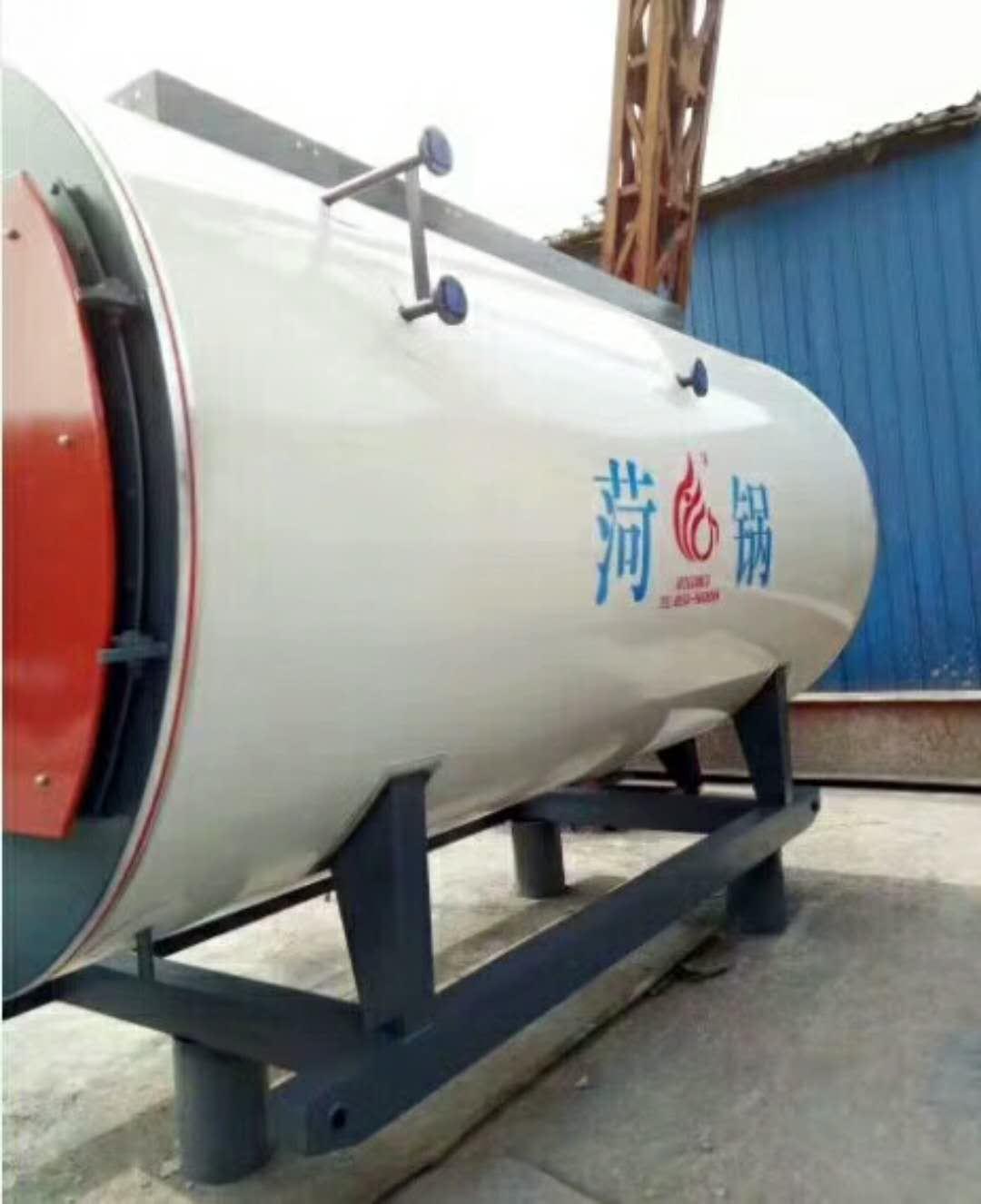
The leak treatment methods for liquid argon storage tanks mainly include the following steps:
Discovering Air Leaks: Detected through odors, gas detection instruments, or abnormal pressure in liquid argon storage tanks, air leaks in the storage tanks are identified.
Confirm air leak location: Use gas detection instruments or foam leak detection agents, etc., to pinpoint the exact location of the air leak. Inspect tank interfaces, valves, pipe connections, and other areas to locate the air leak points.
Seal Air Leaks: Take appropriate measures to stop the air leak source based on the location of the leak. For instance, with leaks at joints, inspect and adjust gaskets or tighten bolts; for valve leaks, check and replace seals.
Isolate Air Leaks: During the process of dealing with air leaks, it is necessary to isolate the leaky areas to ensure personnel safety. Set up warning signs, restrict access to the area, and take necessary protective measures, such as wearing protective masks, gloves, etc.
If air leakage cannot be repaired immediately or the leakage is significant, consider emptying liquid argon. By gradually reducing the pressure of liquid argon in the storage tank, convert it into gas to minimize the risk of air leakage.
Ventilation Treatment: During the air leak treatment, ensure adequate ventilation and promptly remove the gases produced by the evaporation of liquid argon. Natural ventilation or the use of ventilation equipment can be employed to expel the vaporized gases to the outside.
Safety Assessment and Repair: After the air leakage treatment is completed, conduct a safety assessment to ensure the tank's safety. Based on the assessment results, perform necessary repairs and maintenance to prevent further air leakage.
Note that liquid argon is a low-temperature liquid with a low boiling and freezing point. Caution is required when dealing with air leaks to avoid contact with liquid argon and subsequent cooling. When handling leaks in liquid argon storage tanks, the operation should be carried out by personnel, adhering to the relevant safety operating procedures and standards.
In the welding process of low-temperature liquid storage tanks, controlling the occurrence of welding cracks is crucial. The following are some methods and measures for controlling welding cracks:
Appropriate Welding Techniques: Selecting the appropriate welding process and parameters can reduce welding heat input and thermal stress. Methods with low heat input, such as pulse welding and laser welding, can lower the temperature gradient and residual stress in the heat-affected zone of welding.
Preheating and Post-Weld Heat Treatment: Perform appropriate preheating before welding to enhance material toughness and reduce thermal stress. After welding, conduct a suitable post-weld heat treatment, such as annealing or stress-relief heat treatment, to minimize residual stress and improve the toughness of the weld joint.
Select appropriate welding materials: Choose welding materials with good toughness and crack resistance to minimize the occurrence of welding cracks. Select the appropriate welding material based on the storage tank's operating conditions and requirements, such as low-alloy steel, stainless steel, etc.
Control Welding Process: Monitor and regulate parameters and operations during the welding process to minimize the risk of welding cracks. Pay attention to factors such as welding speed, current, voltage, and welding sequence to avoid overheating or rapid welding, thereby reducing the accumulation of thermal stress and residual stress.
Non-destructive Testing and Evaluation: After welding, conduct non-destructive testing of the welds, such as ultrasonic testing, X-ray testing, etc., to assess welding quality and the presence of cracks. Detect and repair welding cracks promptly to ensure the integrity and safety of the weld joints.
It's important to note that controlling welding cracks is a complex process that requires a comprehensive consideration of factors such as materials, welding techniques, and operations. When welding low-temperature liquid storage tanks, it is recommended to consult with a welding engineer or relevant organizations for guidance to ensure welding quality and tank safety.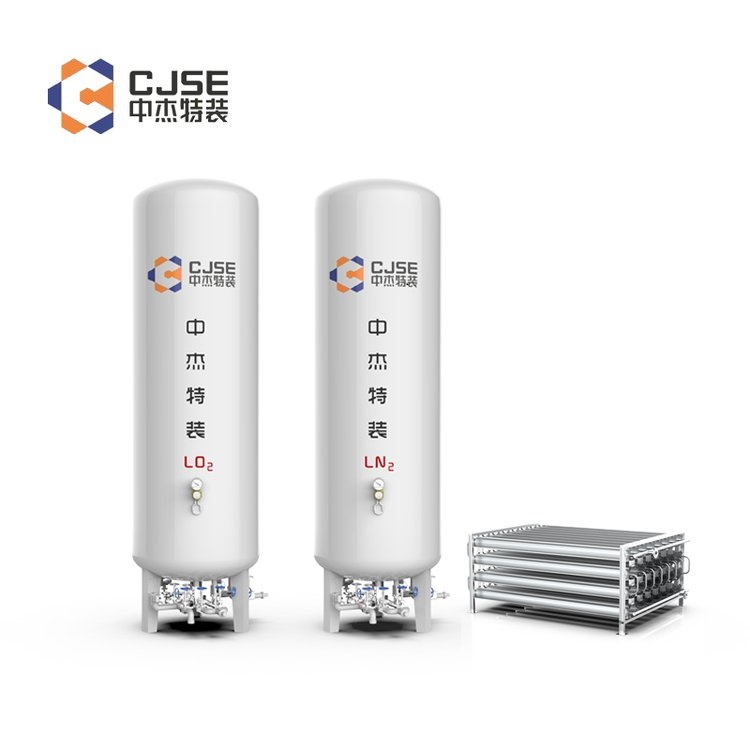
Low-temperature liquid storage tanks feature the following characteristics and advantages for use:
Features:
Low-Temperature Storage: Low-temperature liquid storage tanks can store low-temperature liquids (such as liquid nitrogen, liquid oxygen, etc.) at low temperatures, maintaining their liquid state. Liquid storage significantly enhances storage density and saves space.
Insulation: Low-temperature liquid storage tanks are equipped with special insulation materials and structural design, effectively reducing heat conduction and retention, maintaining a stable temperature for low-temperature liquids. This helps to minimize energy loss and liquid evaporation.
Safety: Low-temperature liquid storage tanks feature excellent safety performance. The tanks are made with special materials and structural design, capable of withstanding low temperatures and high pressures. Additionally, the tanks are equipped with safety devices, such as pressure relief valves and liquid level alarms, to ensure safe operation and usage.
Utilization Advantages:
High Purity Supply: Low-temperature liquid storage tanks can provide high purity liquid substances. Through refrigeration and purification processing, high purity liquid gases can be obtained to meet application needs in fields such as industry and scientific research.
Long-term Storage: Low-temperature liquid storage tanks are designed for long-term storage of low-temperature liquids, extending their service life. By controlling the temperature within the tank and the performance of the insulation layer, the evaporation and oxidation of the liquid can be slowed down, maintaining its stability and purity.
Wide Range of Applications: Low-temperature liquid storage tanks are extensively used in fields such as industry, scientific research, and more. They can be utilized for storing liquid oxygen to provide oxygen supply; in the industrial sector, they are used for storing liquefied natural gas (LNG) and liquid nitrogen, among other process gases; in the scientific research field, they are suitable for storing low-temperature experimental samples.
Environmental Protection and Energy Conservation: Low-temperature liquid storage tanks enable effective storage and utilization of low-temperature liquids, reducing energy waste and environmental pollution. Storage of liquid substances
ZJ Special Equipment adheres to the great vision of "realizing employees' dreams, creating customer value, and striving for the prosperity and strength of our motherland," wholeheartedly committed to the development of green energy equipment. We dedicate products and services of high cost-performance to society!
WeChat Official Account

Scan to follow Official Account



















