


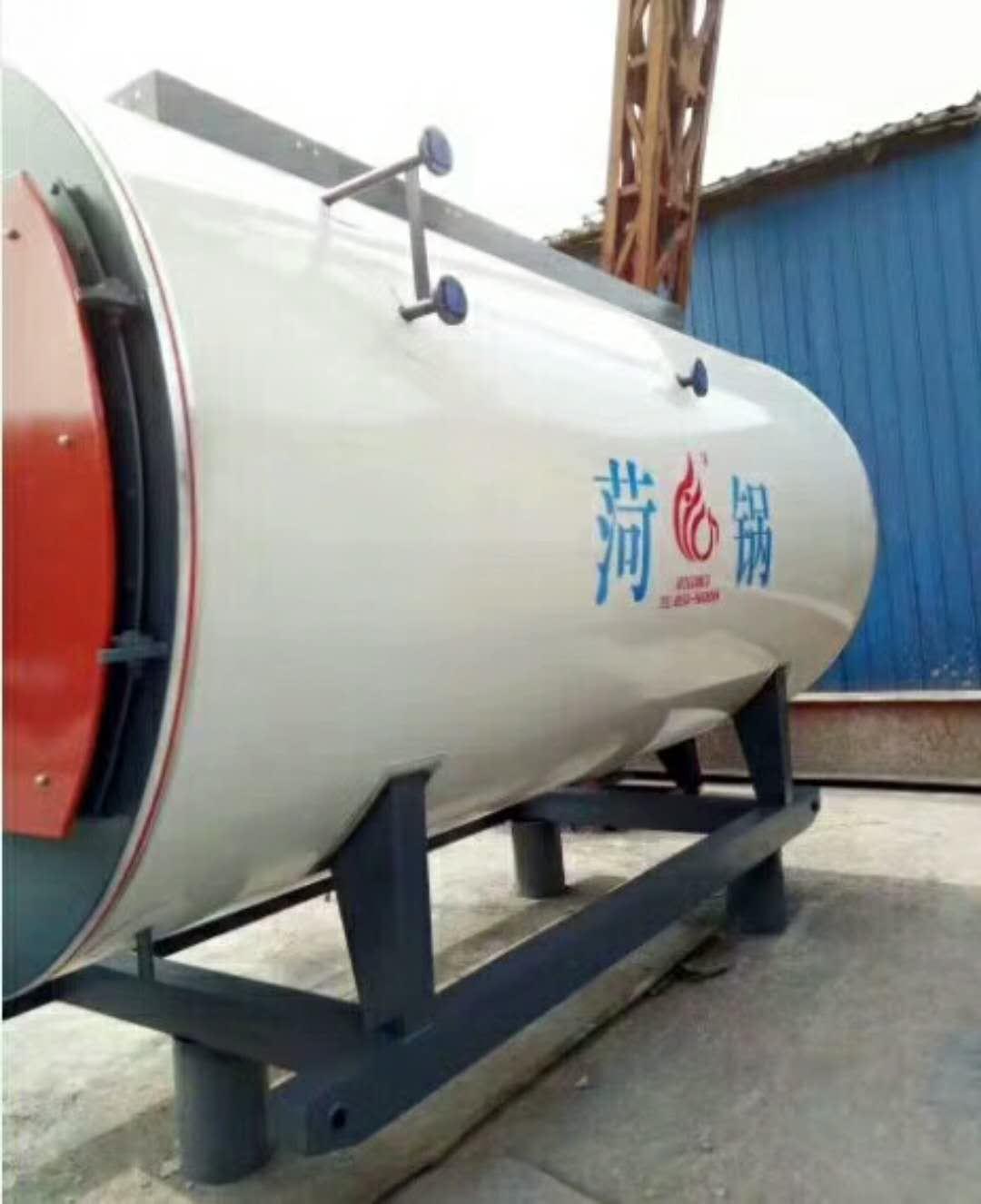

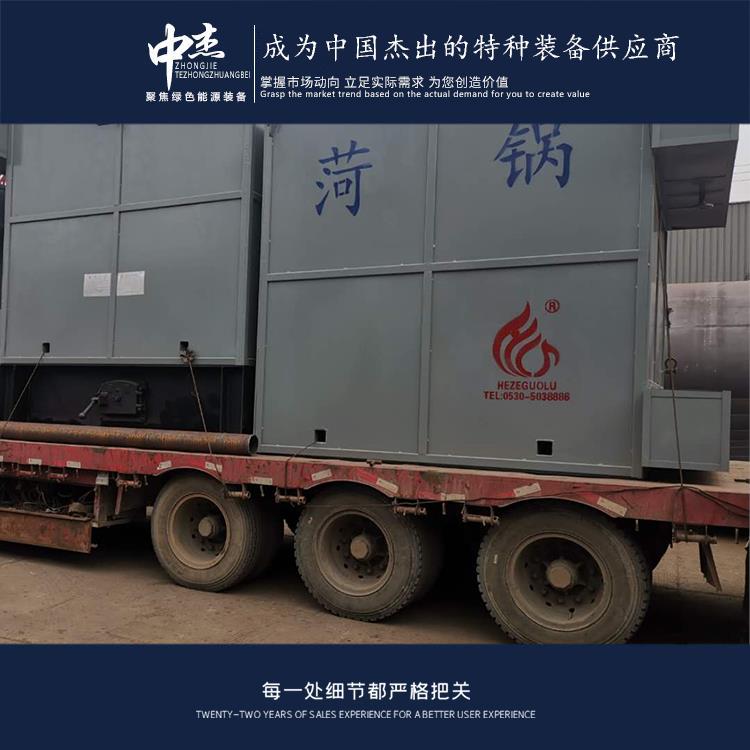
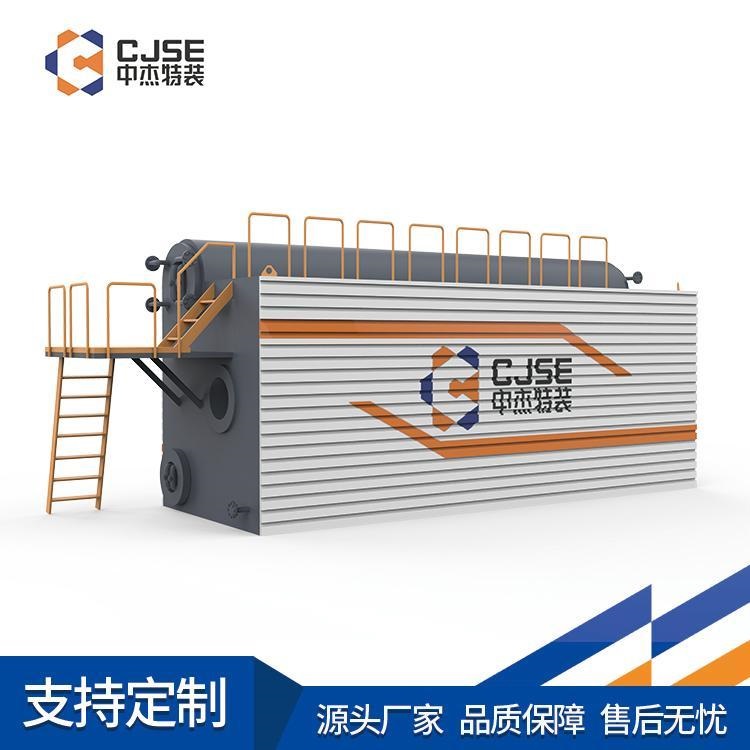


















Shandong Zhongjie Special Equipment (formerly Heze Boiler Factory Co., Ltd.) was established in 2001, located at No. 2218 Jinnan Road, Development Zone, Heze City, with a registered capital of 50 million yuan and total assets of 500 million yuan. The company has 7 business centers: boilers, deep-freeze containers, pressure vessels, central air conditioning, engineering installation, international trade, and Internet of Things. It has three factory sites on Jinnan Road, East Changjiang Road, and Bohai Road, covering a total of 200,000 square meters, with the main workshop spanning 83,000 square meters. It currently employs 710 people, including 247 engineers and technicians, and 82 intermediate-level technical personnel. In December 2016, it was recognized as a "High-tech Enterprise" by the Science and Technology Department. In June 2021, it was identified as a "Specialized and New Enterprise in Shandong Province" by the Ministry of Industry and Information Technology. In June 2022, it was recognized as a "Gazelle Enterprise in Shandong Province" and in August 2022, it was identified as a "Specialized and New Small Giant Enterprise" by the Ministry of Industry and Information Technology.
Choose a reputable gas boiler supplier, it's crucial. Here are some considerations:
- Reputation: Understand the reputation and market reputation of the gas boiler supplier. Obtain relevant information by reviewing customer reviews, industry reports, and certifications from institutions.
- Quality and Performance: The quality and performance of the gas boiler directly affect its reliability and efficiency. Learn about the supplier's quality control system, product certifications, and technical support capabilities to ensure their products meet standards and meet factory requirements.
- Technical Support and After-Sales Service: Selecting a supplier that offers comprehensive technical support and after-sales service is vital. Ensure the supplier can provide training, installation guidance, maintenance, and troubleshooting support to ensure the normal operation of the gas boiler.
- Cost-Effectiveness: Besides product quality and performance, consider the cost-effectiveness of the gas boiler. Take into account the purchase cost, operating cost, and maintenance cost, and choose a supplier that offers reasonable pricing and value for money.
In the end, choosing a trustworthy gas boiler supplier requires considering these factors and making a decision based on the specific needs and conditions of the factory. It is recommended to communicate and compare with multiple suppliers to gather more information and advice for an informed choice.
Energy-saving of steam boilers is crucial, mainly due to the following reasons: Energy Costs: Steam boilers typically use fuels (such as coal, gas, oil, etc.) to produce steam, with energy costs accounting for a significant portion of the boiler's operational expenses. Energy-saving can reduce energy consumption and lower costs. Environmental Protection: The combustion process of steam boilers generates exhaust gases and dust, causing environmental pollution. Energy-saving can decrease fuel consumption and reduce emissions, positively impacting environmental protection. Sustainable Development: Energy-saving is one of the key aspects of sustainable development. By reducing energy consumption and extending the boiler's lifespan, resources can be conserved and waste minimized, achieving sustainable development. Measures for energy-saving include: Improving Boiler Thermal Efficiency: Enhance the boiler's combustion system, optimize combustion parameters, and increase heat exchange efficiency to raise the boiler's thermal efficiency and reduce energy waste. Heat Recovery Utilization: Utilize waste heat recovery systems to capture and reuse the excess heat from the boiler's exhaust gases for heating water or other processes requiring heat, improving energy utilization efficiency. Application of Energy-saving Equipment: Implement energy-saving equipment like variable frequency drives, energy-saving burners, and heat pumps to lower energy consumption and enhance energy efficiency.
When selecting a thermal oil furnace for the rubber industry, pay attention to the following aspects:
Temperature Requirements: Determine the required working temperature range based on the process needs of the rubber industry. Ensure that the thermal oil furnace can stably provide the required working temperature.
Heat Load: Calculate the required heat load based on the production scale and process requirements of the rubber industry. Ensure that the heat load of the thermal oil furnace meets the needs of the rubber industry.
Thermal Efficiency: The thermal efficiency of the thermal oil furnace directly affects energy consumption and operating costs. Consider the thermal efficiency when choosing a thermal oil furnace and opt for energy-saving products.
Safety: The safety of the thermal oil furnace is crucial. Choose a furnace with comprehensive safety protection devices and an automatic control system to ensure safe and reliable operation.
Maintenance: Proper maintenance is vital for extending the lifespan and ensuring smooth operation of the thermal oil furnace. Consider the ease and cost of maintenance when selecting a thermal oil furnace.
Manufacturer's Reputation: Choose a thermal oil furnace manufacturer with a good reputation and extensive experience to ensure product quality and reliable after-sales service.
Cost-Effectiveness: Consider the price, energy consumption, and maintenance costs of the thermal oil furnace when selecting a product with good cost-effectiveness.
It is recommended to consult and communicate with heating equipment suppliers or engineers when purchasing a thermal oil furnace, make a selection based on specific needs, and follow relevant industry standards and regulations.
The necessity of flow control in thermal oil heaters is primarily reflected in the following aspects:
1. Heat Transfer Efficiency: The heat transfer efficiency of thermal oil heaters is closely related to the flow rate of thermal oil. Appropriate flow rates ensure that heat is fully transferred in the heat exchanger, enhancing the efficiency of heat utilization. Low flow rates may lead to inadequate heat exchange and affect the heat transfer effect, while high flow rates can increase energy consumption and operating costs.
2. Temperature Control: Flow control in thermal oil heaters is also closely linked to temperature control. By adjusting the flow rate of thermal oil, the temperature inside the furnace can be controlled, ensuring stable operation within the set working temperature range. Low flow rates may cause excessive temperatures, while high flow rates may result in low temperatures, both affecting normal equipment operation.
3. System Stability: Proper flow rates of thermal oil can enhance system stability. Flow control helps balance the supply and demand of heat energy, preventing overheating or undercooling, and maintaining stable system operation. Stable operation contributes to extending the service life of the equipment and reducing the frequency of failures and maintenance.
4. Safety: Flow control in thermal oil heaters is also closely related to safety. Appropriate flow control can prevent excessive accumulation of thermal oil in the system, reducing the risk of leaks and explosions. Additionally, flow control ensures that the system pressure remains within a safe range, avoiding overpressure and other safety issues.
In summary, flow control in thermal oil heaters is necessary for improving heat transfer efficiency, temperature control, system stability, and safety. Rational flow control can optimize the operation of thermal oil heaters, enhance energy utilization efficiency, reduce operating costs, and ensure the safety and stable operation of the equipment.
ZJ Special Equipment adheres to the grand vision of "realizing employees' dreams, creating value for customers, and striving for the prosperity and strength of our motherland," focusing solely on the development of green energy equipment. We dedicate high-value products and services to society!
WeChat Official Account

Scan to follow Official Account



















