


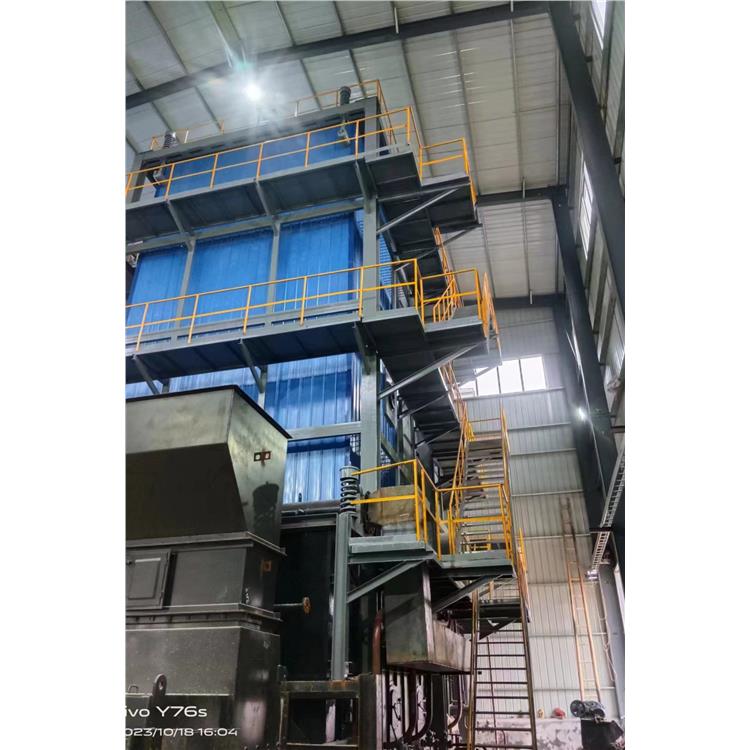

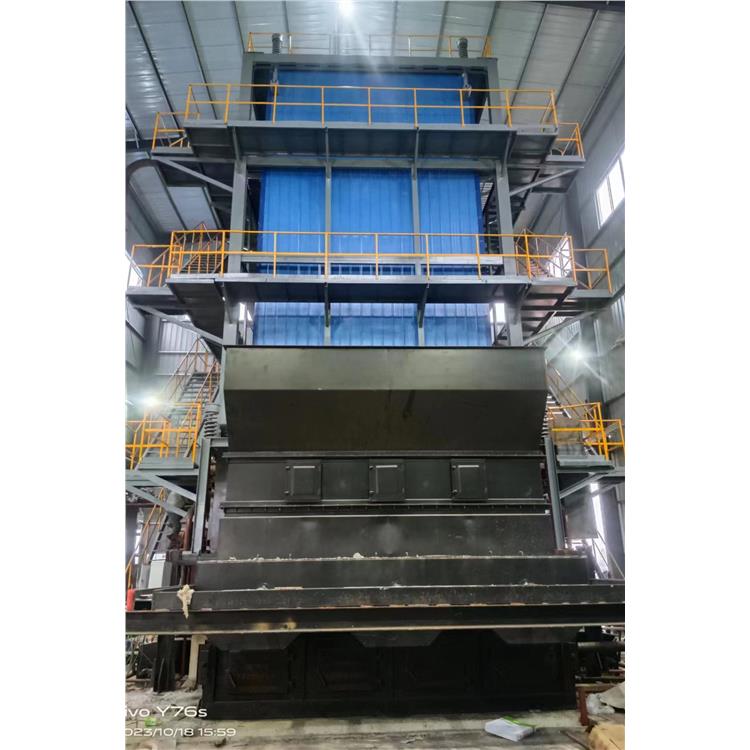
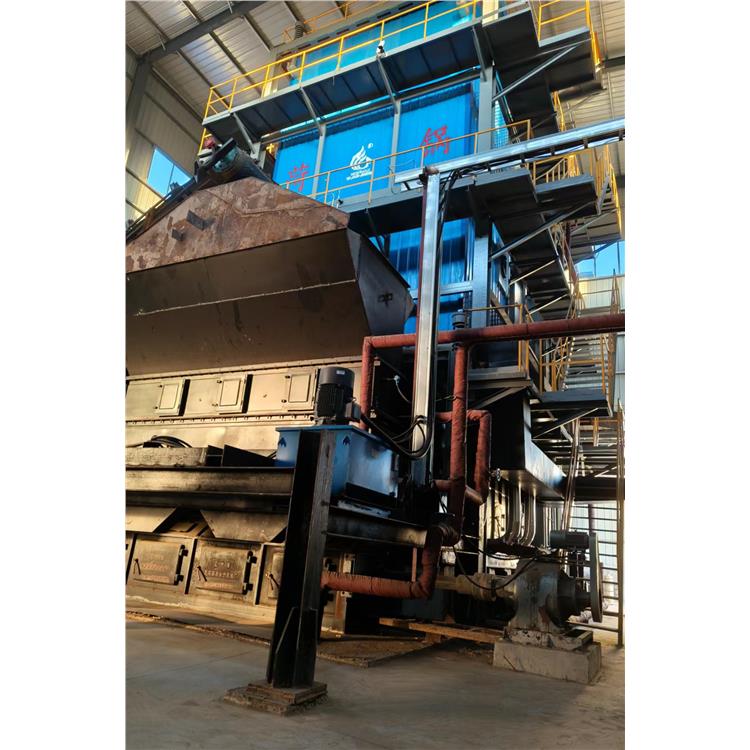


















Shandong Zhongjie Special Equipment Co., Ltd. (formerly Heze Boiler Factory Co., Ltd.) holds an A-grade boiler manufacturing license, an A2-grade pressure vessel manufacturing license, an A2-grade pressure vessel design license, a B-grade boiler installation license, and GB2/Class and GC2/Class pressure pipeline installation licenses, as well as a mechanical and electrical equipment installation contracting qualification. It is a member of the China Boiler and Water Treatment Association, the China Chemical Equipment Association, and the理事 unit of the Shandong Equipment Manufacturing Association. The company has also passed the ISO9001 Quality Management System, ISO14001 Environmental Management System, OHSAS18001 Occupational Health and Safety Management System certifications, and the ASME/U2 certification.
To prevent high-temperature corrosion issues in biomass boilers, the following measures can be taken:
Choose appropriate materials: Select metal materials with good corrosion resistance, such as stainless steel and heat-resistant steel, for boiler components. These materials possess excellent anti-corrosion properties and can maintain stability under high temperatures and corrosive environments.
Control combustion conditions: Reasonably control parameters such as the temperature, oxygen content, and combustion rate of biomass, to avoid excessive temperatures and oxygen, reducing the occurrence of corrosion.
Pre-treatment fuel before combustion: Pre-treat biomass fuel, such as drying, screening, and decontamination, to reduce ash and salt content in the fuel, and lower the risk of corrosion.
Regulate acidic substances in flue gas: By adding corrosion inhibitors or flue gas treatment equipment, control the acidic substance content in flue gas, and reduce its corrosive effect on metal surfaces.
Regular cleaning and maintenance: Regularly clean the accumulated dust and dirt inside the boiler to keep it clean. During the cleaning process, use appropriate cleaning agents and tools to remove internal dirt and prevent corrosion.
Regular Inspections and Maintenance: Conduct regular inspections and maintenance on biomass boilers to promptly identify and address corrosion issues. You may entrust a qualified maintenance team for regular check-ups and maintenance work.
Biomass boilers offer the following environmental advantages:
Renewable Energy: The fuel used in biomass boilers is renewable, such as wood chips, straw, waste materials, etc. Compared to fossil fuels, the use of biomass fuel can reduce reliance on limited resources and lower energy consumption.
Low carbon emissions: The amount of carbon dioxide released during the combustion of biomass fuel is roughly equivalent to the amount absorbed during its growth, creating a closed carbon cycle. Compared to the combustion of fossil fuels, biomass boilers emit less carbon, contributing significantly to the reduction of greenhouse gas emissions.
Reducing Pollutant Emissions: The combustion of biomass fuel results in relatively low levels of pollutant emissions. Compared to coal combustion, biomass boilers emit fewer nitrogen oxides, sulfur oxides, and particulate matter, causing less pollution to the atmosphere.
Waste Utilization: Biomass boilers can use waste materials as fuel, such as crop straw, wood scraps, etc. If these wastes are not utilized, they may affect the environment. By utilizing biomass boilers, we can achieve the resourceful utilization of waste, reducing the issues of waste storage and disposal.
Heat Recovery Utilization:生物质boilers emit flue gas rich in heat energy, which can be recovered and utilized through flue gas waste heat recovery units. Using the residual heat in the flue gas for heating and hot water, etc., enhances energy efficiency and reduces energy waste.
Sustainable Development: The sustainability of biomass fuel is high.
Blowing ash refers to the process of removing dust and scale from the flue, furnace, and heat exchange surfaces of a boiler during its operation, by means of injecting high-pressure steam or compressed air. The function of blowing ash and its impact on the operation of biomass boilers are as follows:
Function:
Dust and dirt: During biomass combustion, a large amount of dust and dirt is produced, which can adhere to the flue, furnace chamber, and heat exchange surfaces of the boiler, affecting the efficiency of heat transfer. Blowing dust can remove these accumulations, keeping the boiler clean.
Increase Heat Transfer Efficiency: Ash and dirt on the flue, furnace, and heat exchange surfaces create thermal resistance, hindering heat transfer. Blowing off the dirt can reduce this resistance, enhance heat transfer efficiency, and minimize energy waste.
Prevent Coking and Corrosion: Ash and dirt buildup on boiler flues and furnaces can lead to excessively high local temperatures, causing coking and corrosion issues. Blowing ash can lower local temperatures and prevent the occurrence of coking and corrosion.
Impact:
Boiler Heat Efficiency: Blowing dust can remove accumulated ash and dirt from the flue, furnace, and heat exchange surfaces, enhancing the efficiency of heat transfer, thereby improving the boiler's overall heat efficiency.
Boiler Safety: Blowing ash prevents fouling and corrosion in the boiler flue and furnace, reduces safety hazards, and ensures the safe operation of the boiler.
Boiler Stability: Blowing ash can maintain the boiler's cleanliness, reduce the impact of accumulated ash and dirt on the boiler's operation, and improve the boiler's efficiency.
Control methods for biomass boiler combustion systems can include the following aspects:
Fuel Supply Control: Regulate the supply volume and speed of biomass fuel to ensure a stable fuel supply. This can be achieved by controlling the speed of the feeding machine or adjusting the opening of the feeding valve.
Air Supply Control: Regulate the air supply during the combustion process to ensure complete fuel combustion. Air supply can be controlled by adjusting the fan's speed or the opening of the air damper.
Combustion Temperature Control: Monitors and controls the furnace temperature during the combustion process, maintaining the combustion temperature within an appropriate range. The combustion temperature can be controlled by adjusting the air flow for combustion, fuel supply quantity, and fuel distribution.
Combustion Process Monitoring: By installing temperature, pressure, and oxygen content sensors, etc., real-time monitoring of parameters such as temperature, pressure, and oxygen content during the combustion process is achieved, allowing for the timely detection of anomalies and adjustments.
Flue Gas Emission Control: Monitor and control pollutants in flue gas emissions to ensure environmental protection in the combustion process. This can be achieved by installing flue gas analyzers and emission control devices, adjusting combustion parameters and flue gas treatment equipment, thereby reducing pollutant emissions.
Automated Control System: Utilizes an automated control system for comprehensive control and monitoring of biomass boiler combustion systems. Through PLC controllers, touchscreens, and other equipment, it achieves automatic adjustment of parameters and monitoring of operational status, enhancing the stability and efficiency of the combustion system.
In summary, through the rational supply of fuel, air, and control of combustion temperature, as well as monitoring and automated control of the combustion process, the stable operation of a biomass boiler combustion system can be achieved.
Shandong Zhongjie Special Equipment, welcome customers to our factory for business discussions.
WeChat Official Account

Scan to follow Official Account



















