


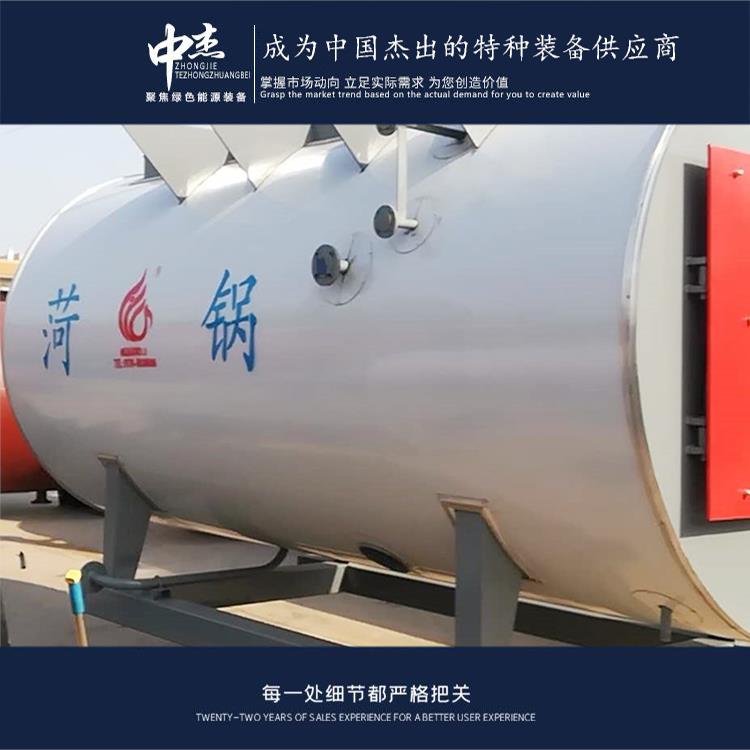

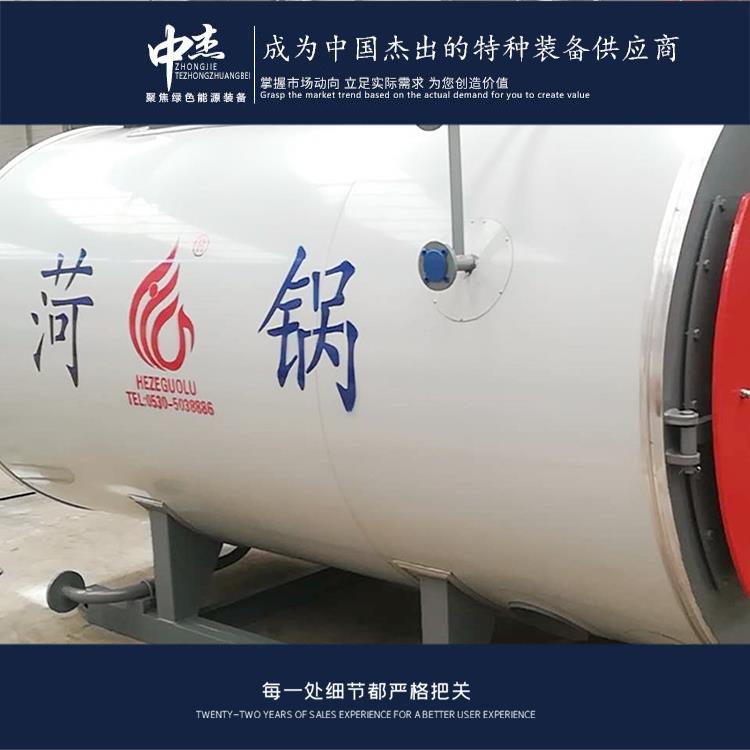
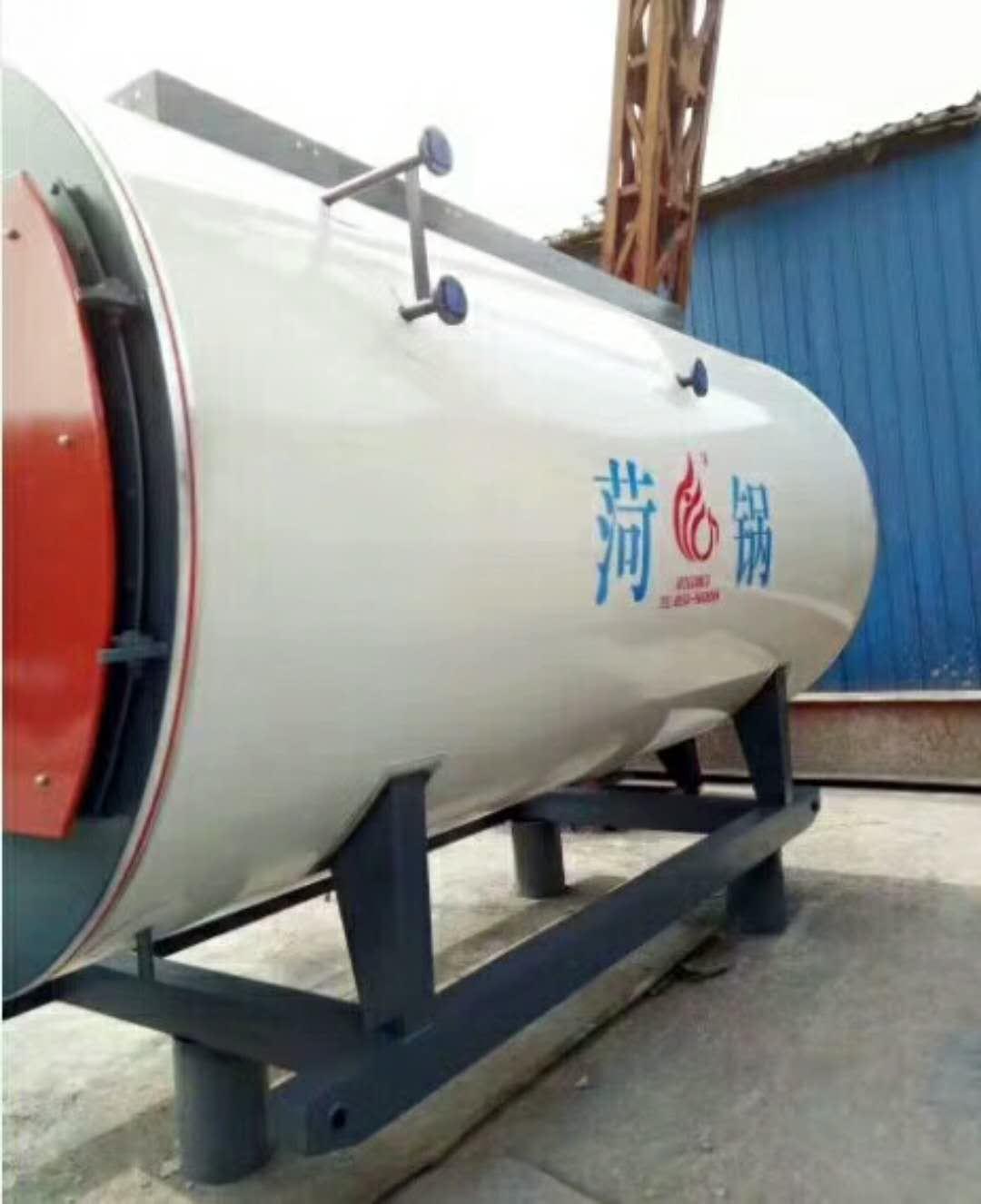


















Shandong Zhongjie Special Equipment (formerly Heze Boiler Factory Co., Ltd.) was established in 2001, located at No. 2218 Jinnan Road, Development Zone, Heze City. With a registered capital of 50 million yuan and total assets of 500 million yuan, the company has 7 business centers: boilers, deep-freezing containers, pressure vessels, central air conditioning, engineering installation, international trade, and Internet of Things. It has three factory sites on Jinnan Road, East Changjiang Road, and Bohai Road, covering a total area of 200,000 square meters, with the main workshop spanning 83,000 square meters. It currently employs 710 people, including 247 engineers and technicians, and 82 intermediate-level technicians. In December 2016, it was recognized as a "High-tech Enterprise" by the Science and Technology Department. In June 2021, it was identified as a "Specialized and New Enterprise in Shandong Province" by the Ministry of Industry and Information Technology. In June 2022, it was recognized as a "Gazelle Enterprise in Shandong Province" and in August 2022, it was identified as a "Specialized and New Small Giant Enterprise" by the Ministry of Industry and Information Technology.
Yes, durable thermal oil boilers typically have a longer service life. Here are some reasons: Material Quality: Thermal oil boilers are made with high-quality materials such as heat-resistant and corrosion-resistant steel and alloy materials. These materials can withstand high temperatures and pressures, offering good durability and corrosion resistance, thereby extending the boiler's lifespan. Design and Manufacturing Process: Durable thermal oil boilers usually employ robust design and manufacturing processes. Reasonable structural design and precise manufacturing techniques can reduce stress concentration and thermal stress, enhancing the boiler's stability and durability. Regular Maintenance and Care: Regular maintenance and care of thermal oil boilers are crucial for extending their service life. Regularly cleaning and inspecting the internal pipes, flues, and burners, and promptly replacing worn-out parts, can minimize malfunctions and damage, thus extending the boiler's lifespan. Proper Operation and Management: Correct operation and management are also key factors in ensuring the longevity of thermal oil boilers. Operators should follow the operation manual and procedures, avoid overloading and improper operation, and ensure the boiler operates safely and stably. It's important to note that even durable thermal oil boilers require regular inspections and maintenance to ensure proper operation and extend their service life. Additionally, the lifespan of the boiler is affected by factors such as the operating environment, load conditions, and operating methods. Therefore, proper use and maintenance are critical to ensuring the longevity of thermal oil boilers.
Potential reasons for uneven heat distribution in steam boilers may include the following aspects:
- Uneven combustion: During the combustion process, an uneven mix of fuel and air, or an improperly designed and adjusted burner, can lead to uneven combustion. This results in some areas producing more heat while others produce less.
- Pipe blockages: In the transmission pipes of steam boilers, the presence of blockages or scaling can cause uneven heat transfer. Blockages or scaling impede steam flow, limiting heat transfer in some areas while allowing it to be relatively better in others.
- Heat exchanger issues: If a steam boiler's heat exchanger has scaling, corrosion, or blockages, it can lead to uneven heat transfer. These issues affect the heat exchanger's thermal conductivity efficiency, impacting heat transfer in certain areas.
- Water level problems: Inaccurate or unstable water level control in steam boilers can lead to uneven steam generation. Both high and low water levels can affect steam production and distribution, causing uneven heat distribution.
- Boiler load changes: Variations in boiler load can also result in uneven heat distribution. When there is a sudden increase or decrease in load, the boiler's heat generation and distribution may not adjust promptly, leading to uneven heat distribution.
To address the issue of uneven heat distribution in steam boilers, it is necessary to regularly inspect and maintain the boiler equipment to ensure normal operation of the combustion and heat exchange processes. Additionally, adjust burners and control systems reasonably, maintain stable water levels, clean pipes and heat exchangers to enhance...
Safety requirements for steam boiler valves mainly include the following aspects: Valve Selection: Choose valve types and specifications suitable for steam boilers. Valves must comply with relevant standards and specifications, and possess characteristics such as high-temperature resistance, pressure resistance, and corrosion resistance. Valve Installation: Valves should be installed correctly at the corresponding positions on the steam boiler. During installation, ensure that the connections are secure and the seals are reliable to prevent leaks and loosening. Valve Operation: The operation of valves should be easy and flexible, allowing for accurate control of steam flow and pressure. Handles or devices should be marked with the direction of opening and closing, as well as the corresponding operating methods. Valve Sealing: The sealing performance of valves is crucial. Valves should have good sealing properties to prevent steam leaks and energy loss. The sealing surfaces should be flat and smooth, and able to withstand high temperatures and wear. Valve Maintenance: Regularly inspect and maintain valves to ensure normal operation and safety performance. This includes cleaning valves, checking sealing surfaces, lubricating moving parts, and promptly repairing or replacing damaged components. Safety Valve: A safety valve must be installed on steam boilers to protect their safe operation. The safety valve must comply with relevant standards and specifications and be capable of automatically opening to release over-pressure steam when exceeding the set pressure, preventing boiler explosions. Valve Identification: Valves should be marked with their type, specifications, working pressure, and flow rate information. This helps operators correctly identify and operate valves, avoiding incorrect operations and accidents. It should be noted that the above safety requirements are general guidelines, and specific safety requirements must be determined based on the type, scale, and operating environment of the steam boiler. When using valves, follow relevant laws, regulations, and safety operation procedures to ensure safe and effective control of the valves.
Properly utilizing fuel-gas boilers can enhance energy efficiency and reduce consumption. Here are some suggestions:
1. Select the appropriate boiler model: Choose a suitable fuel-gas boiler model based on actual needs, considering factors like heat load, fuel type, and combustion efficiency.
2. Regular inspection and maintenance: Conduct regular checks and maintenance to ensure the boiler operates smoothly. This includes cleaning burners, inspecting the combustion system, adjusting parameters, and promptly repairing or replacing damaged parts.
3. Control the combustion process: Manage the combustion process effectively to ensure complete, stable, and efficient burning. Adjust parameters like air flow and fuel supply to improve efficiency and minimize waste.
4. Heat recovery: Utilize heat recovery systems to capture and reuse excess heat from flue gases, heating water or other processes requiring heat, thus enhancing energy efficiency.
5. Control operating parameters: Adjust boiler operating parameters like water level, pressure, and temperature based on actual needs and conditions, avoiding extremes to enhance efficiency and safety.
6. Regularly clean heat exchangers: Clean the heat exchangers of fuel-gas boilers regularly to remove dirt and deposits, maintaining their thermal conductivity and reducing energy loss.
7. Energy management: Establish an energy management system, monitor and analyze consumption, and develop reasonable usage plans and energy-saving measures to improve efficiency and reduce consumption.
These are common methods and suggestions, but specific application should be determined based on actual conditions and boiler characteristics. Also, comply with relevant laws, regulations, and safety procedures to ensure safe operation of fuel-gas boilers.
Zhongjie Special Equipment adheres to the grand vision of "realizing employees' dreams, creating customer value, and striving for the prosperity and strength of our motherland," and is dedicated to the development of the green energy equipment industry. We offer society high-value products and services!
WeChat Official Account

Scan to follow Official Account



















