


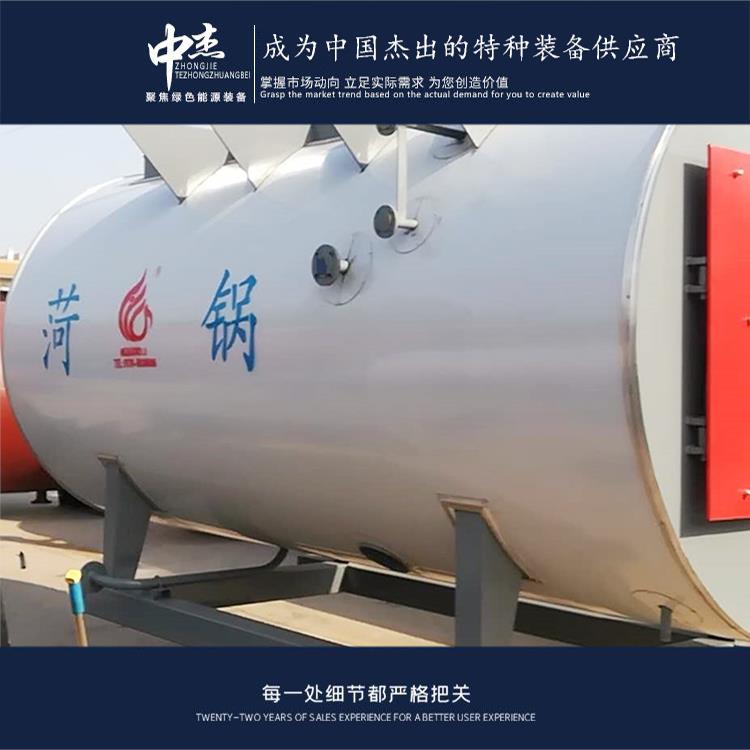

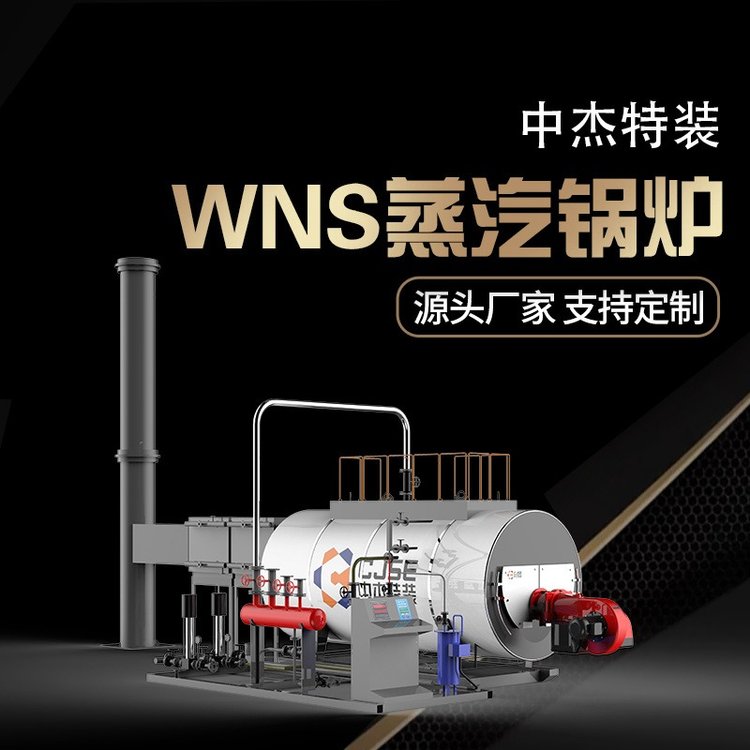
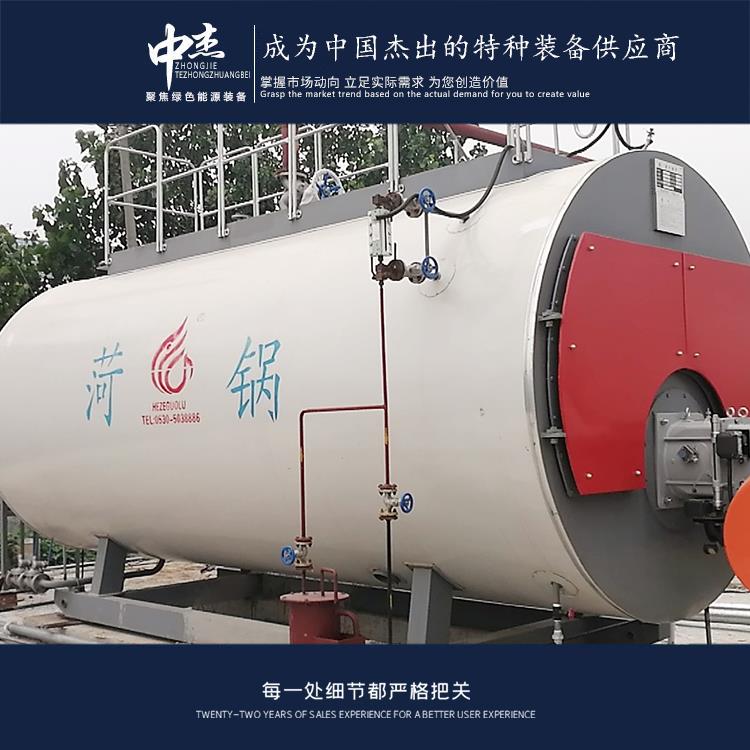


















Shandong Zhongjie Special Equipment (formerly Heze Boiler Factory Co., Ltd.) was established in 2001, located at No. 2218 Jinnan Road, Economic and Technological Development Zone, Heze City. With a registered capital of 50 million yuan and total assets of 500 million yuan, the company has seven business centers: boilers, deep-freezing vessels, pressure vessels, central air conditioning, engineering installation, international trade, and Internet of Things. It has three factory sites on Jinnan Road, East Changjiang Road, and Bohai Road, covering a total area of 200,000 square meters, with the main workshop spanning 83,000 square meters. The company currently employs 710 people, including 247 engineers and technicians, and 82 intermediate-level technicians. In December 2016, it was recognized as a "High-tech Enterprise" by the Science and Technology Department. In June 2021, it was identified as a "Specialized and New Enterprise in Shandong Province" by the Department of Industry and Information Technology. In June 2022, it was recognized as a "Gazelle Enterprise in Shandong Province" and in August 2022, it was identified as a "Specialized and New Small Giant Enterprise" by the Ministry of Industry and Information Technology.
In textile processing factories, common types of boilers include the following:
- Steam Boilers: Steam boilers are one of the commonly used types in textile processing plants. They produce high-pressure, high-temperature steam for processes such as heat treatment, dyeing, and boiling during textile processing. Steam boilers offer advantages such as rapid heating, stability, and high efficiency.
- Hot Water Boilers: Hot water boilers are suitable for low-temperature textile processing techniques like washing and drying. They provide a stable supply of hot water with high temperature control accuracy and low energy consumption.
- Hot Air Furnaces: Hot air furnaces are used for drying processes in textile processing. They transfer heat energy to textiles through the hot air produced by combustion, achieving quick drying. Hot air furnaces have the advantages of fast heating and high thermal efficiency.
When selecting the appropriate boiler type for a textile processing plant, consider the following factors:
- Processing Requirements: Determine the required heat medium (steam, hot water, hot air) and parameters such as working temperature and pressure based on the specific processing needs of the textile plant.
- Energy Costs and Efficiency: Consider the energy consumption and efficiency of different boiler types, choosing one that meets processing demands and has high energy utilization efficiency.
- Environmental Requirements: Pay attention to the emission standards and environmental performance of the boilers, and select the appropriate boiler type.
The necessity of flow control in thermal oil furnaces is mainly reflected in the following aspects:
1. Heat Transfer Efficiency: The efficiency of heat transfer in thermal oil furnaces is closely related to the flow rate of the thermal oil. Appropriate flow rates ensure that heat is fully transferred in the heat exchanger, improving the efficiency of heat utilization. Insufficient flow can lead to inadequate heat exchange and affect the heat transfer effect, while excessive flow will increase energy consumption and operating costs.
2. Temperature Control: Flow control in thermal oil furnaces is also closely related to temperature control. By adjusting the flow rate of the thermal oil, the temperature inside the furnace can be controlled, ensuring stable operation within the set working temperature range. Insufficient flow can cause temperatures to rise too high, while excessive flow can lead to temperatures falling too low, both affecting normal equipment operation.
3. System Stability: Appropriate flow rates of thermal oil can enhance system stability. Flow control can balance the supply and demand of heat, preventing overheating or cooling, and maintaining stable system operation. Stable operation helps to extend the lifespan of the equipment and reduce the frequency of failures and repairs.
4. Safety: Flow control in thermal oil furnaces is also critical for safety. Appropriate flow control can prevent excessive accumulation of thermal oil in the system, reducing the risk of leaks and explosions. Additionally, flow control ensures that system pressure remains within safe limits, avoiding overpressure and other safety issues.
In summary, flow control in thermal oil furnaces is necessary for improving heat transfer efficiency, temperature control, system stability, and safety. Reasonable flow control can optimize the operation of thermal oil furnaces, enhance energy utilization efficiency, reduce operating costs, and ensure the safe and stable operation of the equipment.
During the operation of a thermal oil furnace, several important matters require attention:
- Temperature Control: Closely monitor and control the temperature of the thermal oil during operation. Ensure the temperature remains within a safe range to avoid decomposition of the oil at high temperatures or condensation and scaling at low temperatures. Regularly inspect and calibrate the temperature sensors to ensure accurate temperature readings.
- Pressure Control: Maintain an appropriate working pressure during the operation of the thermal oil furnace. Excessive pressure can lead to equipment damage or leaks, while insufficient pressure can reduce heat transfer efficiency. Regularly inspect and maintain the pressure gauge and safety valve to ensure accurate and safe pressure control.
- Oil Quality and Cleanliness: The quality and cleanliness of the thermal oil are crucial for the normal operation of the furnace. Regularly inspect and replace the thermal oil to ensure it meets the required quality and performance standards. Regularly clean and maintain heat exchangers, burners, and flues to prevent the accumulation of dust and debris, which can affect heat transfer efficiency.
- Regular Maintenance and Inspection: Regular maintenance and inspections are necessary for the thermal oil furnace to ensure proper operation and extend its lifespan. Regularly inspect and clean burners, flues, and heat exchangers, check and replace seals and valves, inspect and calibrate safety devices, and ensure the equipment's safety and reliability.
- Safe Operation: Strictly adhere to operational procedures and safety protocols during the operation of the thermal oil furnace. Operators must possess the relevant skills and knowledge.
To reduce the operating costs of gas boilers, consider the following aspects:
- Combustion System: Ensure the stability of the combustion system in the gas boiler. Regularly inspect and maintain burners, clean nozzles and combustion chambers, adjust the ratio of gas to air to enhance combustion efficiency and minimize gas waste.
- Energy-Saving Control System: Install and utilize energy-saving control systems, such as smart thermostats and timers. These systems can automatically adjust the boiler's operating status based on actual needs, avoiding unnecessary energy waste.
- Regular Maintenance: Conduct regular maintenance on gas boilers, including cleaning heat exchangers, inspecting and replacing seals, and clearing gas pipes. Maintain the boiler's normal operation to reduce energy loss and the occurrence of faults.
- Heat Recovery: Consider installing heat recovery devices such as waste heat recovery systems or flue gas heat exchangers. These devices can utilize the excess heat in the flue gas emitted by the gas boiler to heat water or other equipment requiring heat, improving energy utilization efficiency.
- Pipe Insulation and Leak Inspection: Ensure that the insulation performance of gas and hot water pipes is good, reducing energy loss. Regularly check for pipe leaks and repair them promptly to avoid energy waste and safety hazards.
- Energy Management and Monitoring: Establish an effective energy management system to monitor and analyze the energy consumption of gas boilers. Through data analysis and optimizing operational strategies, identify energy-saving potential and areas for improvement.
- Training and Awareness: Provide staff training to enhance awareness of operating and maintaining gas boilers. Employee knowledge and skill improvement can help in better management and operation of gas boilers, reducing operating costs.
- By considering these factors comprehensively, you can effectively reduce the operating costs of gas boilers.
Zhongjie Special Equipment upholds the grand vision of "realizing employees' dreams, creating value for customers, and striving for the prosperity and strength of our motherland," and is dedicated to the development of the green energy equipment industry. We offer society high-quality products and services at competitive prices!
WeChat Official Account

Scan to follow Official Account



















