


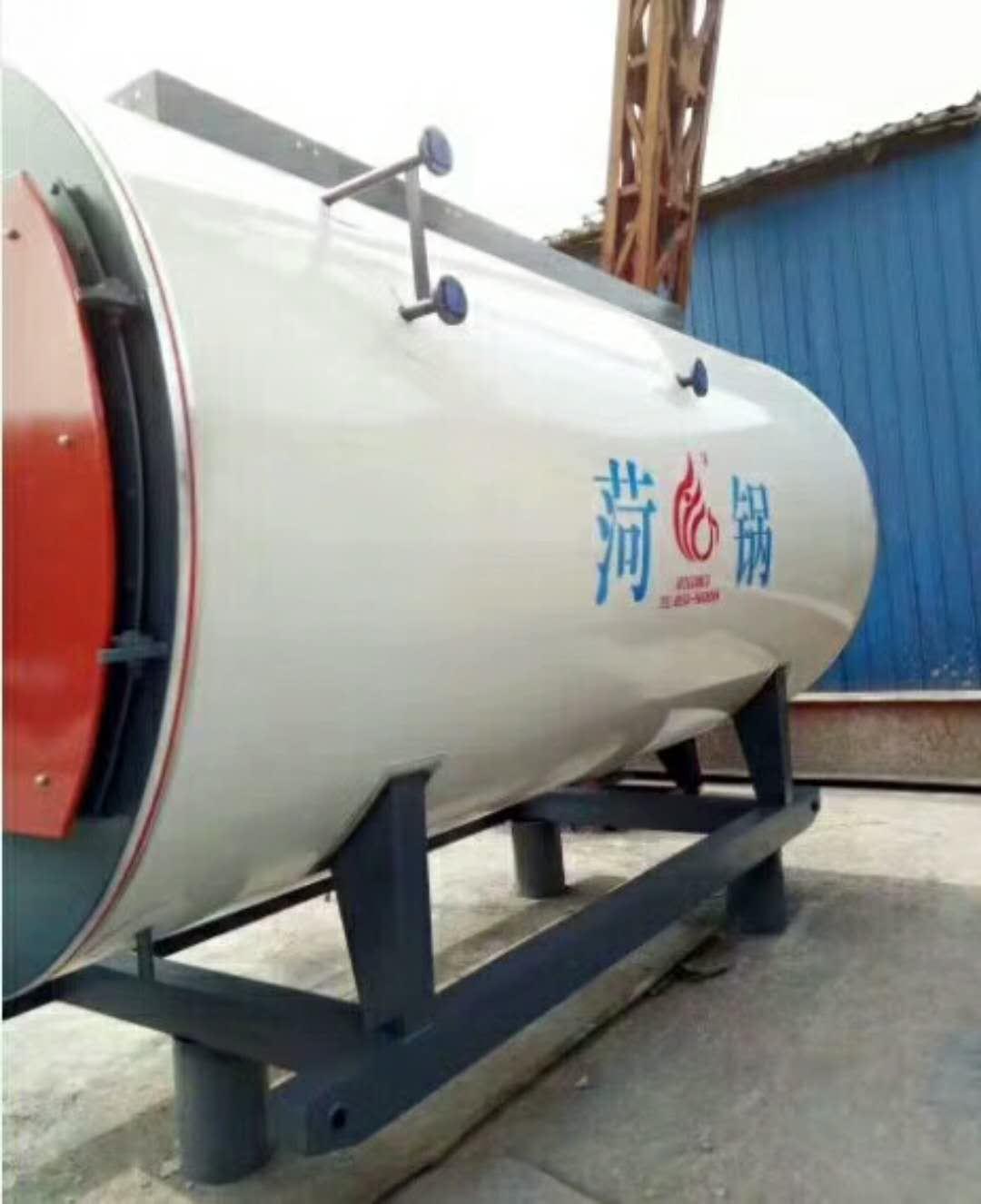

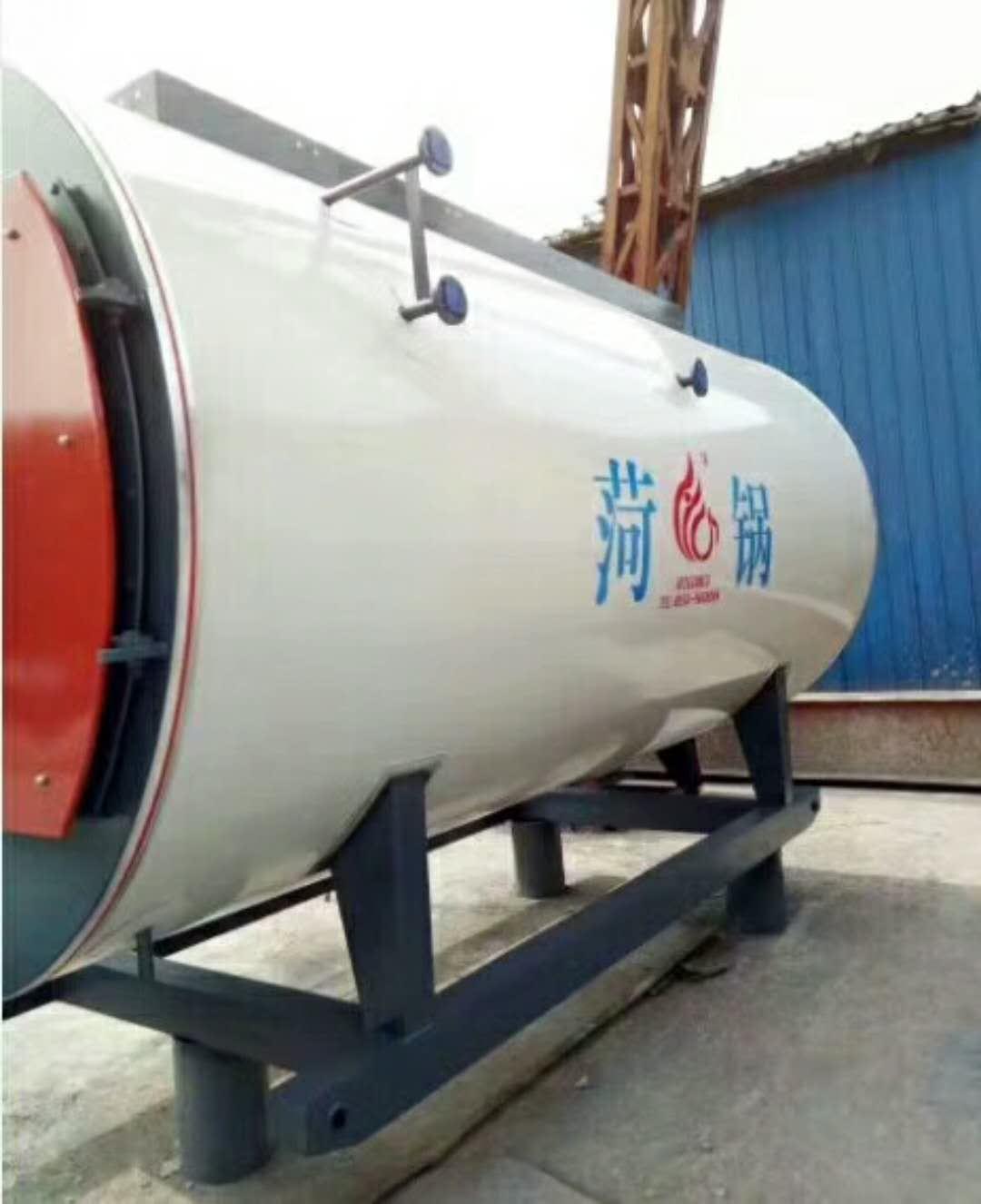
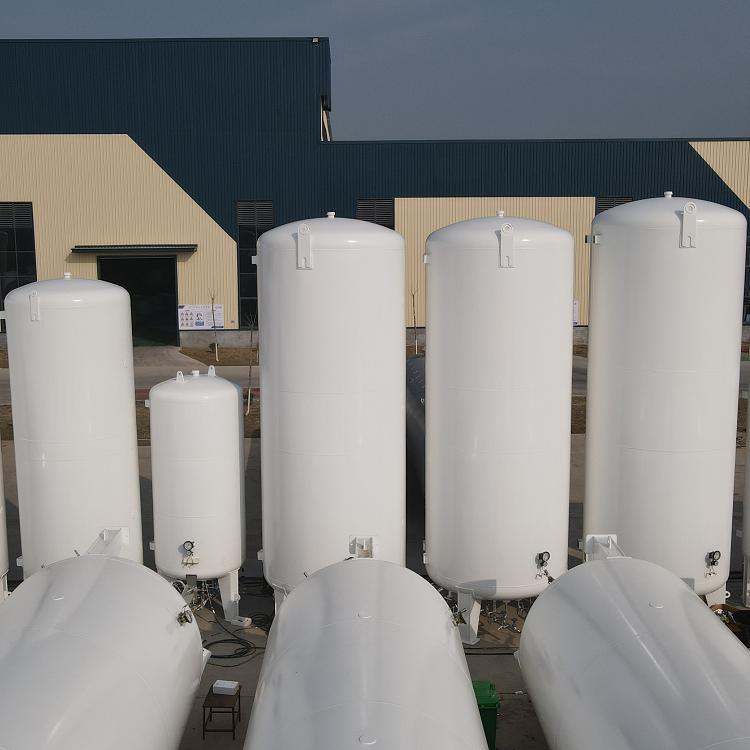


















Shandong Zhongjie Special Equipment (formerly Heze Boiler Factory Co., Ltd.) was established in 2001, located at No. 2218 Jinan Road, Economic Development Zone, Heze City. With a registered capital of 50 million yuan and total assets of 500 million yuan, the company has seven business centers: boilers, deep-freezing vessels, pressure vessels, central air conditioning, engineering installation, international trade, and the Internet of Things. It has three manufacturing sites on Jinan Road, East Changjiang Road, and Bohai Road, covering a total of 200,000 square meters. The main workshop spans 83,000 square meters. The company currently employs 710 staff, including 247 engineers and technicians, and 82 intermediate-level technical personnel. In December 2016, it was recognized as a "High-tech Enterprise" by the Science and Technology Department. In June 2021, it was named a "Specialized and New Enterprise of Shandong Province" by the Industry and Information Technology Department. In June 2022, it was identified as a "Gazelle Enterprise of Shandong Province" and in August 2022, it was recognized as a "Specialized and New Small Giant Enterprise" by the Ministry of Industry and Information Technology.
Safety guidelines and considerations for the handling and transportation of liquid oxygen tanks include:
Safety Usage Instructions:
Tank Selection: Choose liquid oxygen tanks that comply with regulations and standards, ensuring their quality and safety performance.
Tank Installation: Tanks should be installed on a solid foundation to ensure stability. Additionally, good ventilation should be maintained around the tank, and it should be kept away from flammable materials and heat sources.
Seal Integrity Inspection: Regularly check the sealing performance of the storage tank to ensure there are no leakage at valve and pipeline connections.
Pressure Control: Tanks should be equipped with pressure gauges and safety valves, with regular inspections and maintenance to ensure pressure remains within safe limits.
Fire Prevention Measures: Liquid oxygen has a high oxygen content and is prone to causing fires. Set up fire barriers around the storage tanks, prohibit smoking and open flames, and ensure safety.
Static protection: During the transportation and use of liquid oxygen, static electricity may cause sparks, increasing the risk of fire. Measures such as using static-conductive materials and anti-static equipment should be taken to reduce the accumulation and release of static electricity.
Shipping Precautions:
Transportation Tool Selection: Choose a vehicle that meets the transportation requirements for liquid oxygen, ensuring the vehicle's safety and sealing integrity.
Loading and Unloading: During the transportation of liquid oxygen, the following loading and unloading procedures should be adopted:
When initially using a liquid nitrogen tank, there are several precautions to consider for safe and efficient operation. Here are some suggested points to keep in mind:
Safe Operation: Liquid nitrogen is a low-temperature liquid with strong refrigerating and asphyxiating properties. When handling liquid nitrogen tanks, appropriate personal protective equipment must be worn, such as insulating gloves and protective suits. Avoid direct contact with liquid nitrogen to prevent injury or other harm.
Ventilation Environment: Liquid nitrogen, upon evaporation, produces a substantial amount of gas which may displace other gases, leading to a decrease in oxygen content in the air. Therefore, when using liquid nitrogen tanks, it is crucial to ensure that the operational area is well-ventilated to prevent oxygen deficiency.
Tank Inspection: Before initially using the liquid nitrogen tank, inspect the tank's appearance and sealing thoroughly. Ensure there are no obvious damages, leaks, or other safety hazards. If any issues are found, they should be addressed promptly by repairing or replacing the tank.
Tank Filling: Prior to the initial use of the liquid nitrogen tank, it is necessary to fill the tank with liquid nitrogen. During the filling process, follow the correct operational procedures and safety protocols to ensure a safe and reliable filling. Additionally, pay attention to controlling the filling speed and pressure to avoid excessive tank pressure and temperature rise.
Labeling and Record Keeping: Prior to the first use of the liquid nitrogen tank, relevant information such as the storage medium, capacity, and manufacturing date should be labeled on the tank. It is also recommended to establish a tank usage record, including filling dates, filling quantities, and usage details, for future tracking and management.
Note that the use of liquid nitrogen tanks involves safety risks such as low temperatures and high pressures. Operators should receive training and strictly adhere to the relevant operational procedures and safety measures. If unfamiliar with the operation or have doubts, it is recommended to consult with individuals or relevant institutions for guidance.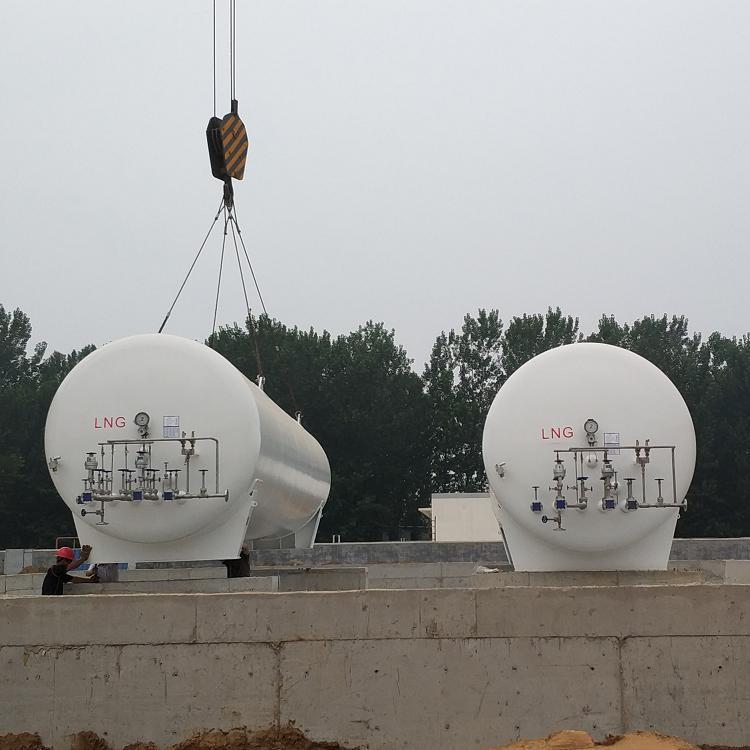
When selecting the insulation material for a low-temperature liquid storage tank, consider the following factors:
Thermal Conductivity: The lower the thermal conductivity of an insulating material, the better its insulating performance. Therefore, materials with lower thermal conductivity should be chosen, such as polyethylene foam (EPS), polyurethane foam (PUR), and silicate fibers.
Density: The density of thermal insulation materials also affects their insulating performance. Generally, the higher the density, the better the insulating performance. However, excessively high density may increase the weight and cost of the storage tank. Therefore, a balance needs to be struck between the insulating performance and the requirements of the storage tank structure.
Corrosion Resistance: Due to the special operating environment of low-temperature liquid storage tanks, the insulation material must have excellent corrosion resistance to withstand the erosion of low-temperature liquids. For instance, glass fiber and silicate fiber possess good corrosion resistance.
Reliability and durability: Insulating materials must have good reliability and durability, maintaining their insulating properties over the long term. Choose verified and tested materials to ensure their quality and performance.
Construction convenience: The ease of installation and maintenance of the insulation material is also a factor to consider. Choosing materials that are easy to install and maintain can enhance construction efficiency and reduce costs.
Environmental friendliness: Consider choosing environmentally friendly insulation materials, such as recyclable ones, to minimize environmental impact.
Considering these factors, select an appropriate insulating material to provide excellent thermal insulation and durability, ensuring the safety and efficient operation of low-temperature liquid storage tanks. When choosing insulating materials, it is recommended to consult engineers or consulting agencies for more accurate advice and guidance.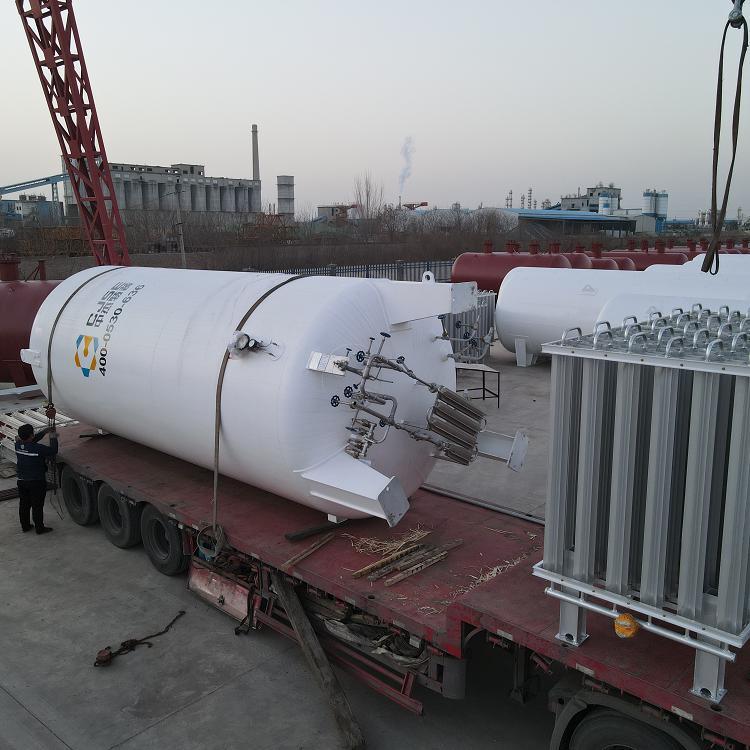
Low-temperature liquid storage tanks feature the following characteristics and advantages for use:
Features:
Low Temperature Storage: Low temperature liquid storage tanks can store low temperature liquids (such as liquid nitrogen, liquid oxygen, etc.) at low temperatures, maintaining their liquid state. Liquid storage can significantly increase storage density and save storage space.
Insulation: Low-temperature liquid storage tanks are equipped with special insulation materials and structural design, effectively reducing heat conduction and maintaining stable temperature for the low-temperature liquid. This helps minimize energy loss and liquid evaporation.
Safety: The low-temperature liquid storage tank boasts excellent safety performance. It is made of special materials and designed with a structure that can withstand low temperatures and high pressures. Additionally, the tank is equipped with safety devices such as pressure relief valves and level alarms, ensuring safe operation and use.
Utilization Advantages:
High Purity Supply: Low-temperature liquid storage tanks can provide high-purity liquid substances. Through refrigeration and purification processes, high-purity liquid gases can be obtained to meet application requirements in industries such as industrial and scientific research.
Long-term Storage: Low-temperature liquid storage tanks are designed for long-term storage of low-temperature liquids, extending their service life. By controlling the temperature inside the tank and the performance of the insulation layer, the evaporation and oxidation of the liquid can be slowed down, maintaining its stability and purity.
Wide Range of Applications: Low-temperature liquid storage tanks are extensively used in fields such as industry, scientific research, etc. They can be used for storing liquid oxygen, providing oxygen supply; in the industrial sector, they are suitable for storing liquid natural gas (LNG) and liquid nitrogen, among other process gases; and in scientific research, they can store low-temperature experimental samples.
Environmental Protection and Energy Saving: Low-temperature liquid storage tanks can effectively store and utilize low-temperature liquids, reducing energy waste and environmental pollution. Storage of liquid substances
Shandong Zhongjie Special Equipment, welcome customers to visit our factory for business discussions.
WeChat Official Account

Scan to follow Official Account



















