


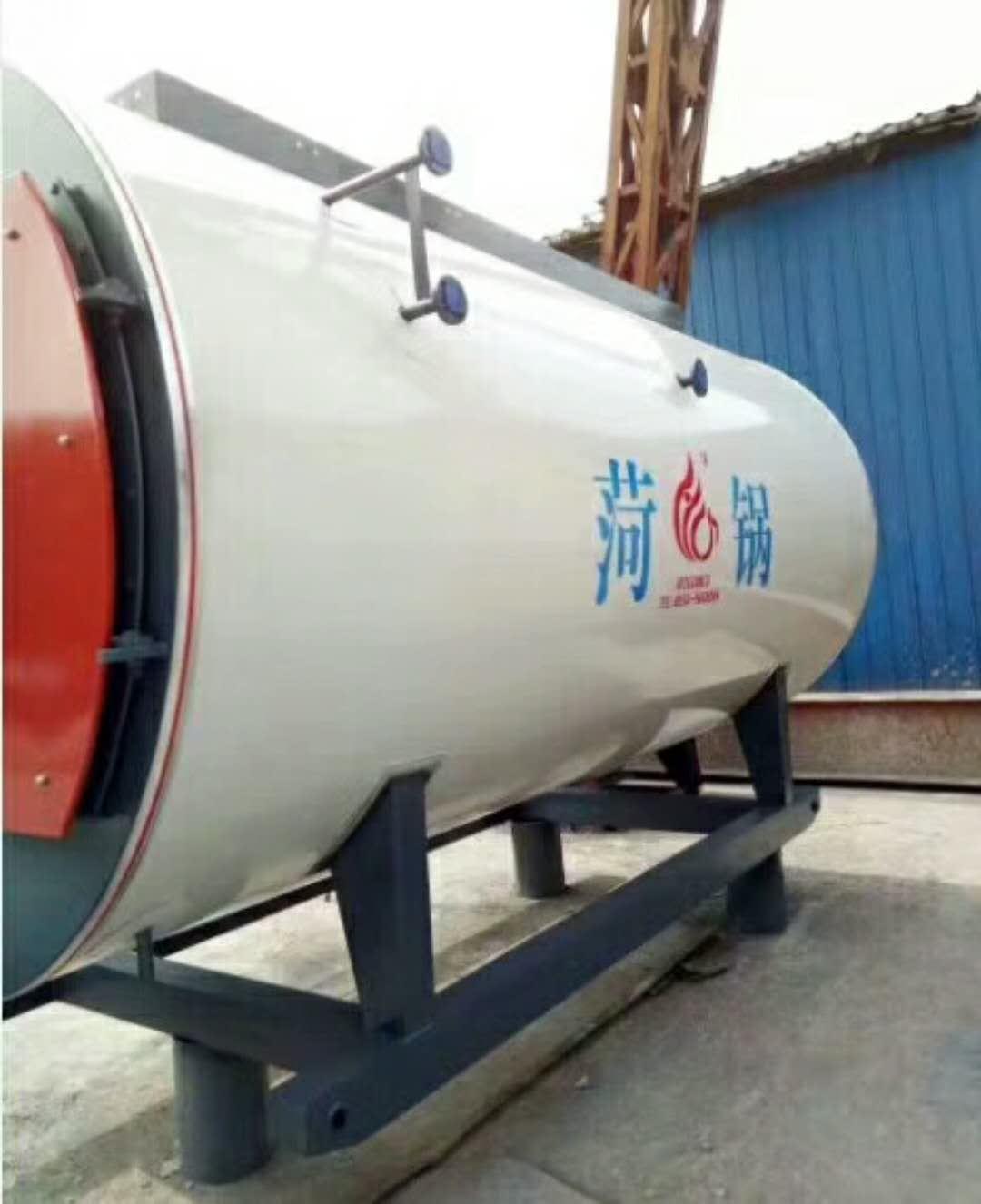

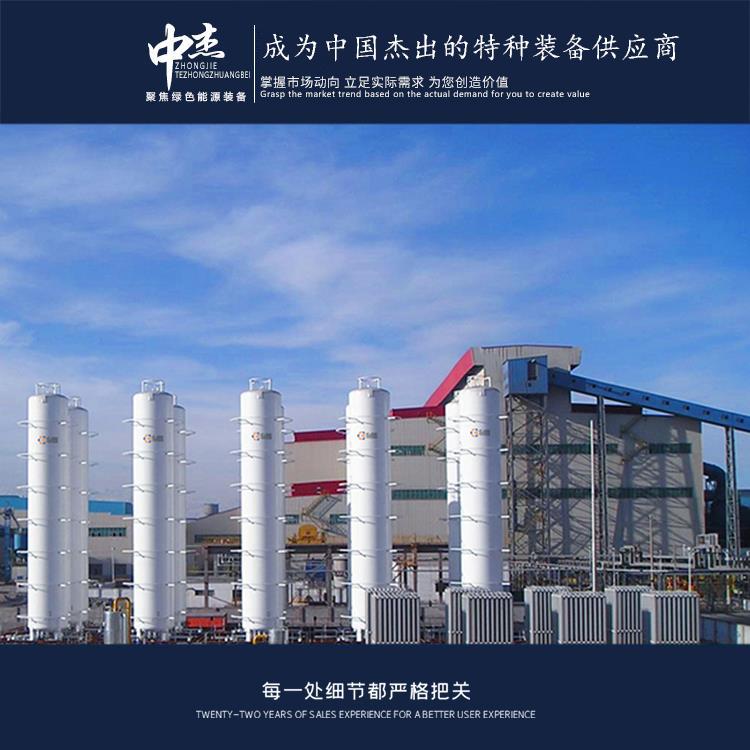
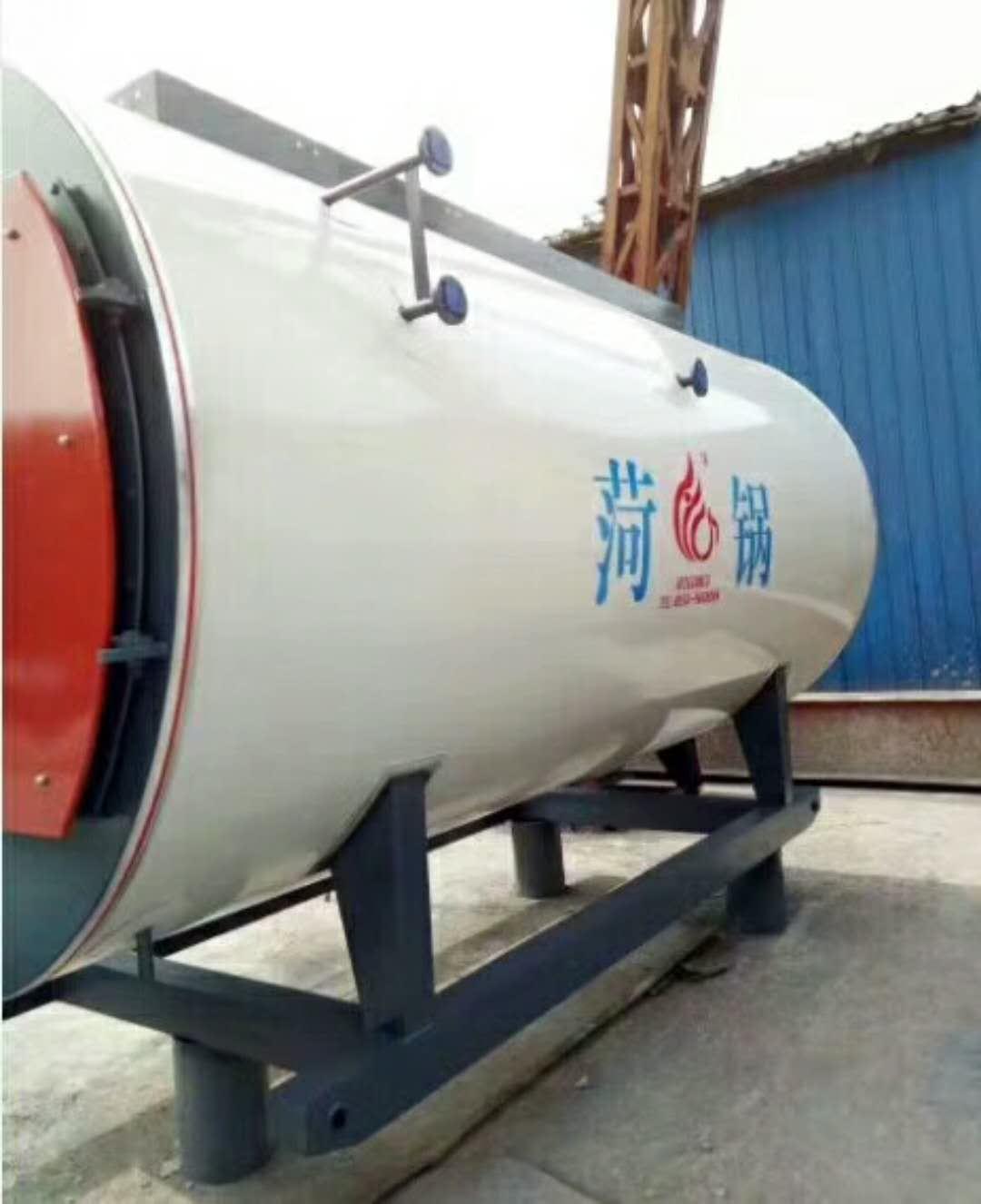


















Shandong Zhongjie Special Equipment (formerly Heze Boiler Factory Co., Ltd.) holds an A-grade boiler manufacturing license, an A2-grade pressure vessel manufacturing license, an A2-grade pressure vessel design license, a B-grade boiler installation license, and GB2/Class, GC2/Class pressure pipeline installation licenses, as well as a mechanical and electrical equipment installation contracting qualification. It is a member of the China Boiler and Water Treatment Association, the China Chemical Equipment Association, and the理事 member of the Shandong Equipment Manufacturing Association. The company has also passed certifications for the ISO9001 Quality Management System, ISO14001 Environmental Management System, OHSAS18001 Occupational Health and Safety Management System, and the American ASME/U2 certification.
The dimensions and structure of liquid oxygen storage tanks can vary based on specific requirements and applications. Below are common dimensions and structures of liquid oxygen storage tanks:
Dimensions: The size of liquid oxygen tanks is typically determined by the storage or transport capacity of liquid oxygen. Common capacities range from a few thousand liters to several hundred thousand liters.
Structure: The structure of the liquid oxygen storage tank mainly includes the inner shell, outer shell, insulation layer, and supporting structure.
Inner Shell: The inner shell of the liquid oxygen tank is the part designed to store liquid oxygen, commonly made of stainless steel or aluminum alloy, offering excellent corrosion resistance and sealing properties.
Shell: The shell of a liquid oxygen tank is the external structure that protects the inner lining, commonly made of carbon steel or stainless steel, which offers sufficient strength and corrosion resistance.
Insulation Layer: The insulation layer of a liquid oxygen tank is used to reduce heat conduction and loss, maintaining the low temperature state of the liquid oxygen. Common insulation materials include polyethylene foam, glass fiber, and aerogel, among others.
Support Structure: The support structure of the liquid oxygen tank is used to support and secure the inner shell and outer shell of the tank. The support structure is typically made of steel, providing adequate strength and stability.
The dimensions and structural design of liquid oxygen tanks must consider the properties of liquid oxygen, storage or transportation requirements, and safety standards. When using liquid oxygen tanks, strict adherence to operational specifications and safety requirements is necessary to ensure safe usage.
Low-temperature industrial gas filling stations are equipment used to fill liquid low-temperature industrial gases (such as liquid oxygen, liquid nitrogen, liquid argon, etc.) into gas storage tanks. Below is some basic knowledge about low-temperature industrial gas filling stations:
Tank Type: Low-temperature industrial gas tanks typically use double-walled vacuum insulated tanks, with the inner wall for storing liquid gas and the outer wall for insulation to reduce heat transfer and evaporation losses of the liquid gas.
Filling Equipment: Low-temperature industrial gas storage tank filling stations include liquid-gas filling pumps, filling pipelines, flowmeters, pressure sensors, and other equipment. The liquid-gas filling pump is used to extract liquid gas from storage tanks or gas holders and fill it into the target storage tank.
Filling Process: The operational procedure at the filling station typically involves the following steps: Preparation (checking equipment, preparing filling medium), Equipment Connection (connecting filling pumps, pipes, etc.), Equipment Activation (starting the filling pump, adjusting flow and pressure), Filling Operation (filling liquid gas into the target storage tank), Monitoring and Control (monitoring parameters such as pressure and flow during the filling process to ensure safety and quality), and Completion of Operation (shutting down equipment, cleaning the work area).
Safety Measures: Strict adherence to relevant safety operating procedures and standards is required during the operation of low-temperature industrial gas storage tank filling stations. Operators must receive training to understand the properties and safety precautions of liquefied gases. Additionally, filling stations should be equipped with safety equipment such as pressure sensors and safety valves to ensure safety during the filling process.
Quality Control: Quality control must be conducted at the filling station during the filling process, including monitoring parameters such as flow rate, pressure, and temperature of the filling medium, to ensure accuracy and quality of the filling.
It should be noted that the operation of low-temperature industrial gas storage tank refilling stations must be performed by trained operators and strictly adhere to the relevant operational procedures and safety measures. Additionally, the design and manufacture of refilling stations must comply with relevant standards and specifications to ensure the safety and reliability of the equipment.
Leakage issues in liquid argon storage tanks may be caused by the following reasons:
Design or Manufacturing Defects: Defects in the design or manufacturing process of the tank, such as loose welding, improper material selection, or poor sealing, lead to leakage issues in the tank.
Corrosion and oxidation: Long-term exposure to low temperatures can lead to corrosion and oxidation in liquid argon tanks. These processes can damage the tank's surface protective layer, causing leakage issues.
Fatigue and stress cracking: During long-term use, tanks may experience fatigue and stress cracking due to temperature and pressure fluctuations. These cracks can degrade the tank's sealing performance, leading to leaks.
Improper Operation: Failure to operate the tank according to specifications, such as overfilling with liquid argon or applying excessive pressure, can lead to tank damage and leakage.
External Damage: The tank may sustain damage from external factors such as mechanical impacts or objects.
One of the common drawbacks of pressure vessels during use is corrosion. Corrosion refers to the reaction between the metal surface and chemical substances in the environment, leading to damage to the metal surface and thinning of the material. The following are common corrosion drawbacks of pressure vessels:
Pitting Corrosion: Pitting corrosion refers to localized depressions or holes appearing on the surface of a metal. This type of corrosion is often caused by corrosive substances present in the local environment, such as acids and salts.
Bacterial Corrosion: Bacterial corrosion is a phenomenon caused by microorganisms. These organisms can form a biofilm inside pressure vessels and produce acidic substances, leading to corrosion of the metal surface.
Punch Corrosion: Punch corrosion refers to the phenomenon of penetrative corrosion on the surface of metal. This type of corrosion usually occurs due to damage or defects in the protective layer on the metal surface, allowing corrosive substances to come into direct contact with the metal.
Stress Corrosion Cracking: Stress corrosion cracking occurs when a metal surface is subjected to both stress and a corrosive environment, leading to the formation and propagation of cracks. This type of corrosion is commonly found in pressure vessels operating under high stress and corrosive conditions.
Corrosion can lead to material thinning and reduced strength in pressure vessels, even causing severe consequences such as leaks or ruptures. Therefore, measures should be taken to address the corrosion issues in pressure vessels, including:
Regularly inspect and assess the corrosion status of pressure vessels, including methods such as visual inspections and non-destructive testing.
Implement corrosion prevention measures such as coating protection, cathodic protection, and selecting appropriate materials to minimize the occurrence and progression of corrosion.
Regularly clean and maintain pressure vessels to remove dirt and impurities that may cause corrosion.
Comply with relevant safety standards and operational guidelines to ensure the safe and proper operation of pressure vessels.
For severely corroded pressure vessels, repair or replacement may be necessary to ensure their safety and reliability.
Zhongjie Special Equipment adheres to the grand vision of "realizing employees' dreams, creating customer value, and striving for the prosperity and strength of our motherland," and is dedicated to the development of the green energy equipment industry. We offer society high-quality and cost-effective products and services!
WeChat Official Account

Scan to follow Official Account



















