


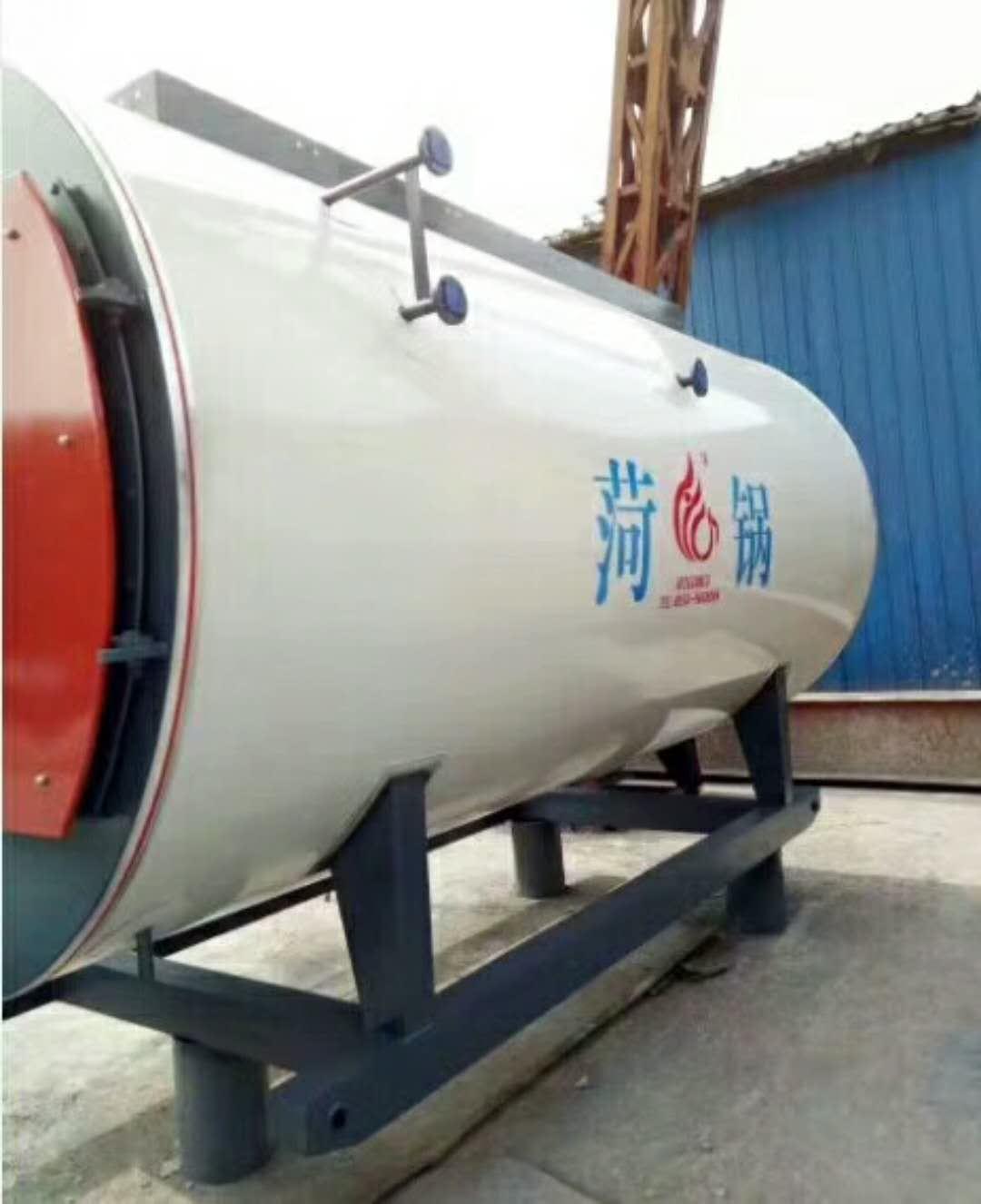

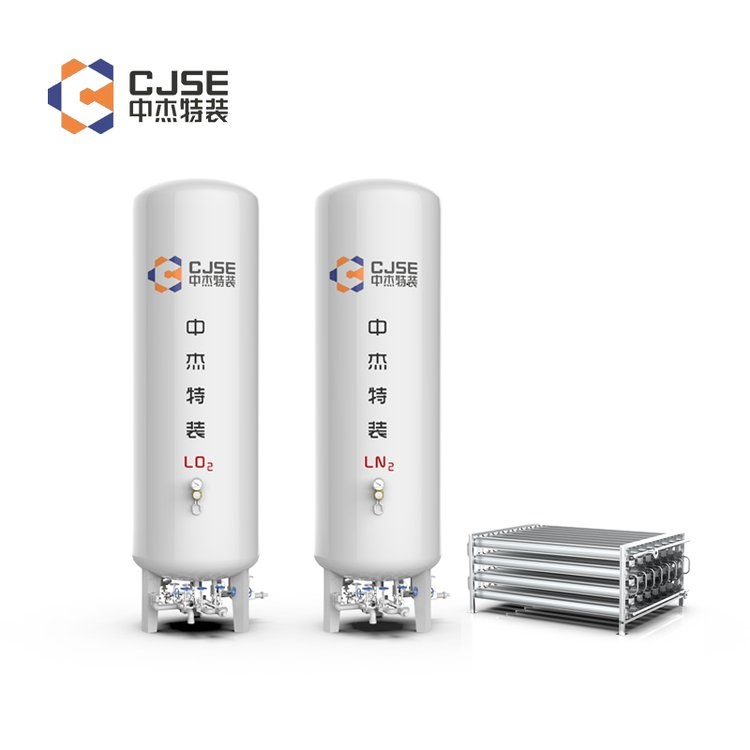
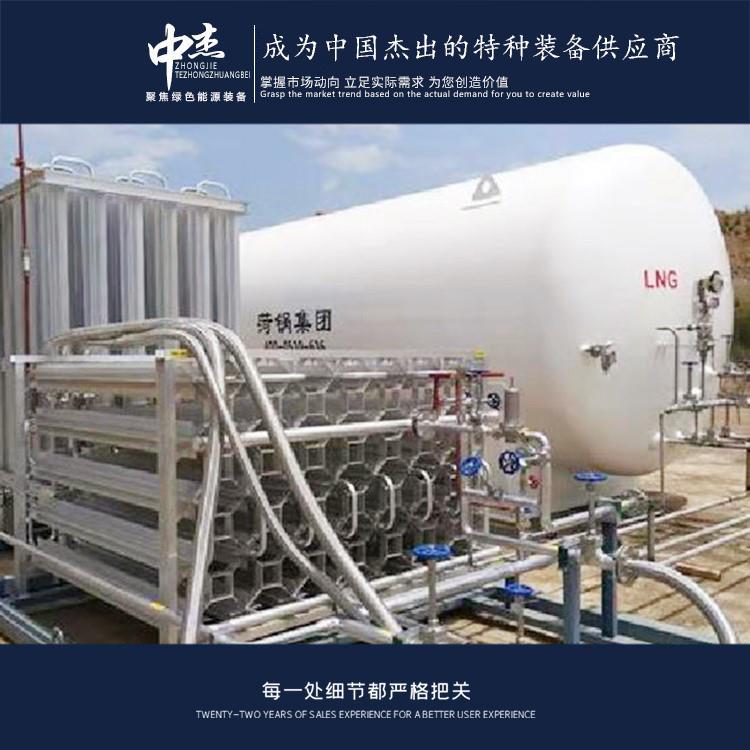


















Shandong Zhongjie Special Equipment (formerly Heze Boiler Factory Co., Ltd.) holds an A-grade boiler manufacturing license, A2-grade pressure vessel manufacturing license, A2-grade pressure vessel design license, B-grade boiler installation, and GB2/Class, GC2/Class pressure pipeline installation licenses, as well as mechanical and electrical equipment installation contracting qualifications. It is a member of the China Boiler and Water Treatment Association, the China Chemical Equipment Association, and the council member of the Shandong Equipment Manufacturing Association. The company has also passed certifications for the ISO9001 Quality Management System, ISO14001 Environmental Management System, OHSAS18001 Occupational Health and Safety Management System, and the American ASME/U2 certification.
To extend the service life of carbon dioxide storage tanks, the following measures can be taken:
Regular inspections and maintenance: Conduct regular checks of the tank's exterior, lining, valves, and pipeline connections to ensure they are intact and undamaged. Promptly repair or replace any anomalies or damages found.
Corrosion prevention: Carbon dioxide is corrosive, so both the internal and external surfaces of the tank should be treated with corrosion-resistant materials. Regularly inspect and maintain the corrosion-resistant layer or coating to ensure its integrity and effectiveness.
Cleaning and drainage: Regularly clean the interior of the tank to remove accumulated impurities and sediments. Also, regularly drain the tank to remove liquid and gas impurities to maintain cleanliness and normal operation.
Temperature and pressure control: The tank's temperature and pressure should be maintained within the design range. Avoid excessive or low temperatures and pressures that could damage the tank.
Regular testing and calibration: Conduct regular testing and calibration of the tank, including parameters such as level, pressure, and temperature. Ensure the tank's measurement and control system is accurate and reliable.
Adherence to operational procedures: Strictly follow operational and safety procedures to ensure the tank operates normally and safely. Train operators to enhance their operational skills and safety awareness.
Upgrades and updates: As needed, promptly update and upgrade tank components and equipment to meet new technological and safety requirements.
Regular assessments and monitoring: Regularly assess and monitor the tank, including structural integrity, corrosion, and safety aspects. Implement appropriate maintenance and repair measures based on the assessment results.
These measures can help extend the service life of carbon dioxide storage tanks and ensure their safe and reliable operation.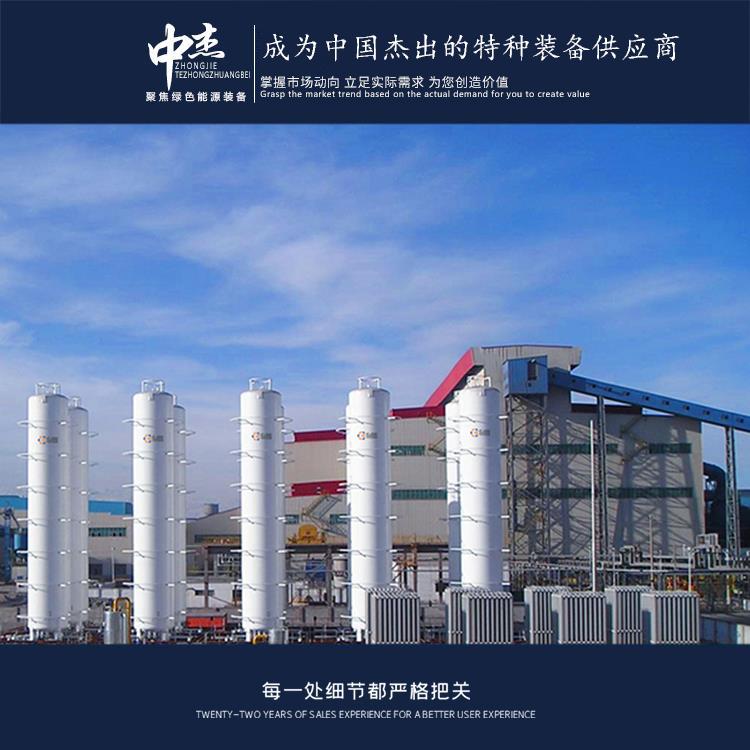
Carbon dioxide tank level gauges are devices used for measuring and monitoring the liquid level of CO2 within storage tanks. Depending on different working principles and application requirements, common types of CO2 tank level gauges include the following:
- Buoy Level Gauges: Use the buoyancy of a float to indicate liquid level heights, measured through a mechanical device or electrical signal sensor connected to the float.
- Pressure Level Gauges: Measure liquid level by utilizing the relationship between liquid pressure and level. Liquid pressure changes on a pressure sensor are used to calculate the liquid level height.
- Ultrasonic Level Gauges: Measure liquid level using the propagation time of ultrasound. An ultrasonic transmitter emits waves, and when the beam encounters the liquid surface, part of it is reflected back. The liquid level height is calculated by measuring the reflection time.
- Capillary Level Gauges: Utilize the capillary principle to measure liquid level. By inserting a thin tube into the liquid, the liquid rises within it, and the liquid level height is calculated based on the rise.
- Level Gauges: Measure liquid level by reflecting waves. A transmitter emits waves, and when the beam hits the liquid surface, part of it is reflected back. The liquid level height is calculated by measuring the reflection time.
The application of these level gauges in CO2 storage tanks can be selected based on specific requirements and tank design. When selecting and installing level gauges, factors such as liquid properties, working environment, and precision requirements must be considered, ensuring they are compatible with the tank's safe operation and monitoring system.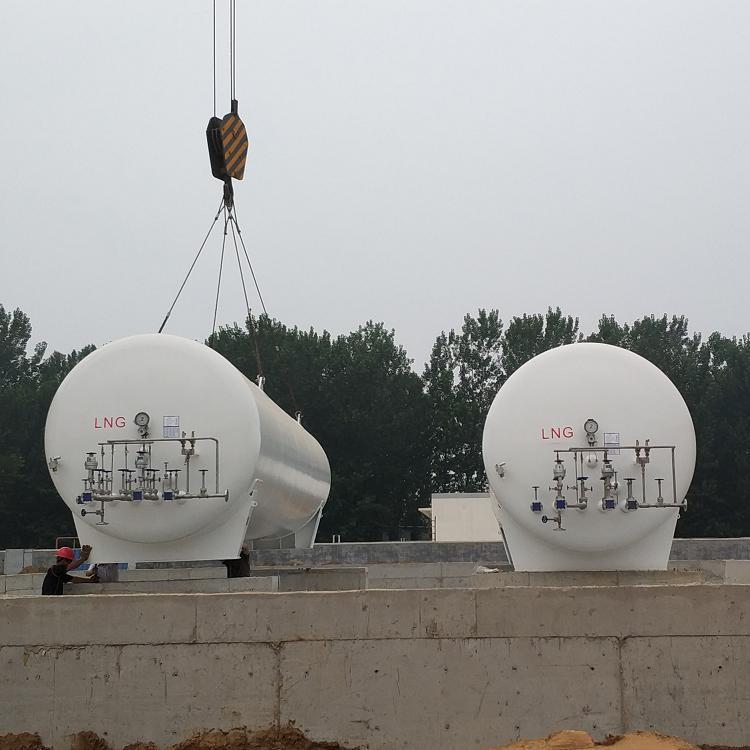
Key measures to ensure the quality of CO2 storage tanks include the following aspects:
1. Selecting qualified suppliers: Choose suppliers with a good reputation and experience, ensuring their provided tanks meet relevant quality standards and regulations. This can be achieved by assessing suppliers' qualifications, referencing customer reviews, and conducting on-site inspections to select suitable suppliers.
2. Strict quality control: Implement strict quality control measures during the manufacturing process of the tanks. This includes selecting and inspecting raw materials, controlling production processes, monitoring process parameters, and conducting product testing and inspections to ensure the tanks meet quality requirements.
3. Compliance with standards and regulations: The design, manufacturing, and installation of the tanks should comply with relevant standards and regulations, such as industry standards and specifications. These include structural design, material selection, welding processes, corrosion prevention measures, and the configuration of safety valves and pressure sensors.
4. Regular inspections and maintenance: Tanks should undergo regular inspections and maintenance during use to ensure safety and reliability. This involves checking the tank's appearance, sealing, valves, and pipe connections, conducting regular pressure tests and leak detections, and addressing abnormal situations promptly.
5. Establishing a quality management system: Set up a comprehensive quality management system, including quality control processes, document records, quality training, and internal audits. By establishing a quality management system, the quality control and continuous improvement of the tanks can be ensured.
6. Third-party testing and certification: Entrust third-party organizations to conduct testing and certification of the tanks to verify their quality and compliance. Third-party testing and certification bodies typically possess independence and objectivity, providing objective evaluation and certification results.
7. Through the implementation of these measures, the quality of CO2 storage tanks can be effectively ensured, enhancing their safety and reliability.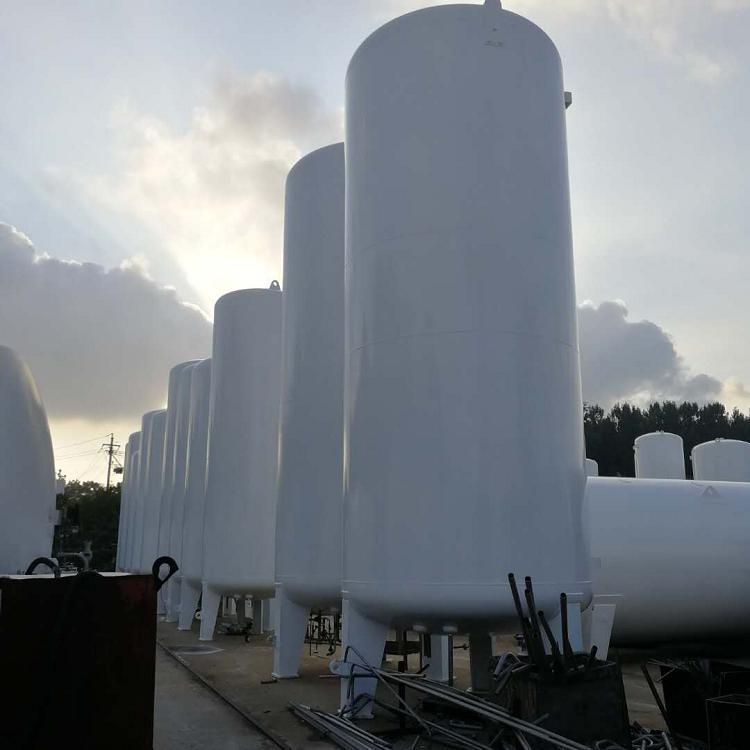
Key features of carbon dioxide storage tanks primarily include the following: High storage density: Carbon dioxide storage tanks can compress carbon dioxide gas into a liquid state, significantly increasing storage density. Compared to storing in gas form, liquid carbon dioxide can store more carbon dioxide in relatively smaller tanks, saving space and costs. Stable storage and supply: Carbon dioxide storage tanks can reliably store and supply carbon dioxide. Through tank design and control systems, accurate measurement and supply of carbon dioxide can be achieved, meeting various industrial and application needs. Environmental friendly and renewable: Carbon dioxide is an environmentally friendly gas, and its increased concentration in the atmosphere can lead to warming and climate change. By storing and utilizing carbon dioxide, its排放 into the atmosphere can be reduced, contributing to environmental protection and sustainable development. Safe and reliable: During design and manufacturing, carbon dioxide storage tanks typically use high-strength materials (such as carbon steel or stainless steel), offering good pressure resistance and safety. The tanks are usually equipped with safety valves, pressure gauges, level gauges, and other accessories to ensure safe operation. Additionally, carbon dioxide is a non-flammable and non-explosive gas, making it relatively safe. Wide range of applications: Carbon dioxide storage tanks are widely used in various fields, including the food and beverage industry, fire suppression, gas supply, etc. Carbon dioxide can be used as a preservative, carbonation agent, gas, and fire extinguisher, among other applications, with broad uses and market demand. In summary, the key features of carbon dioxide storage tanks encompass high storage density, stable storage and supply, environmental friendliness, safety, and a wide range of applications. This makes carbon dioxide storage tanks an essential
Changjie Special Equipment adheres to the great vision of "realizing employees' dreams, creating value for customers, and striving for the prosperity and strength of our motherland," and is dedicated to the development of the green energy equipment industry. We contribute to society with high-quality and cost-effective products and services!
WeChat Official Account

Scan to follow Official Account



















