


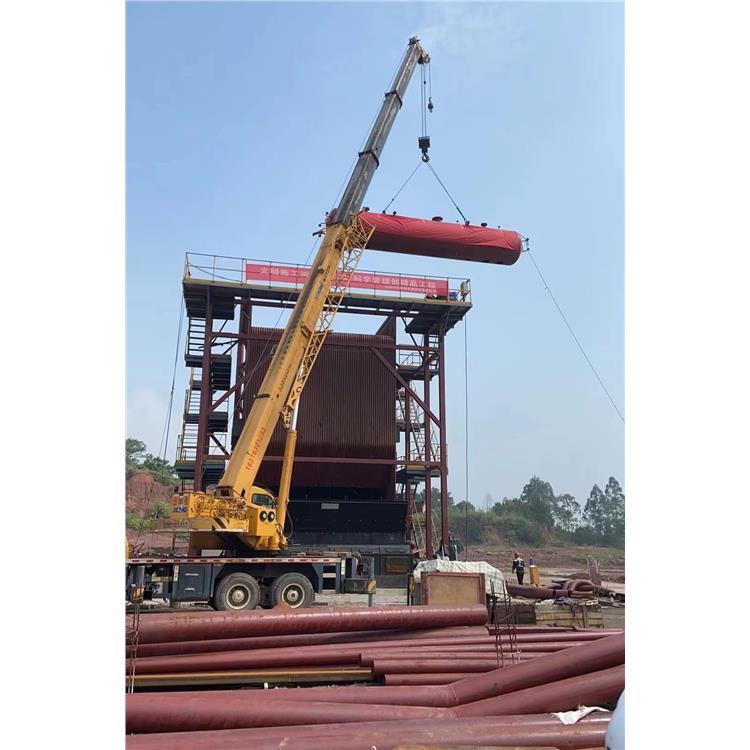

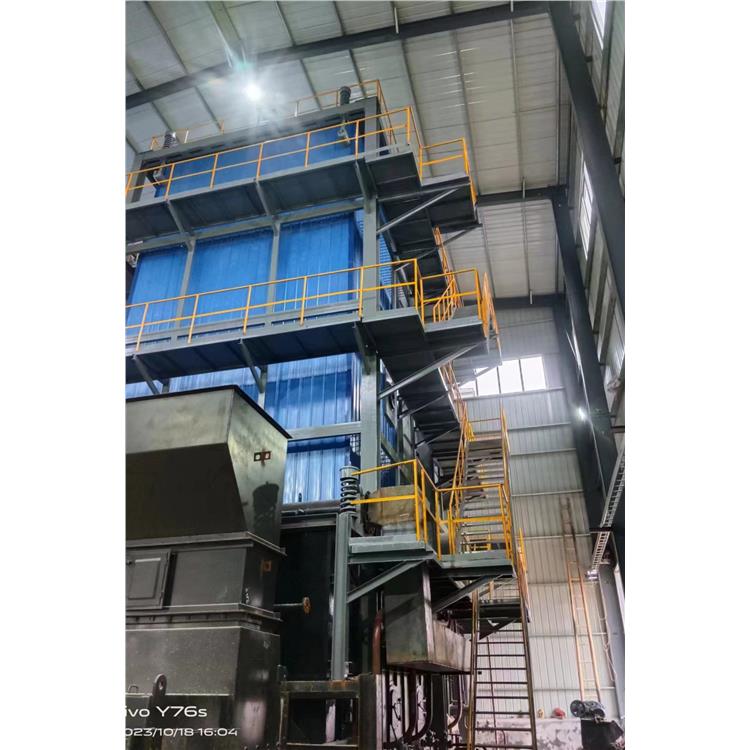
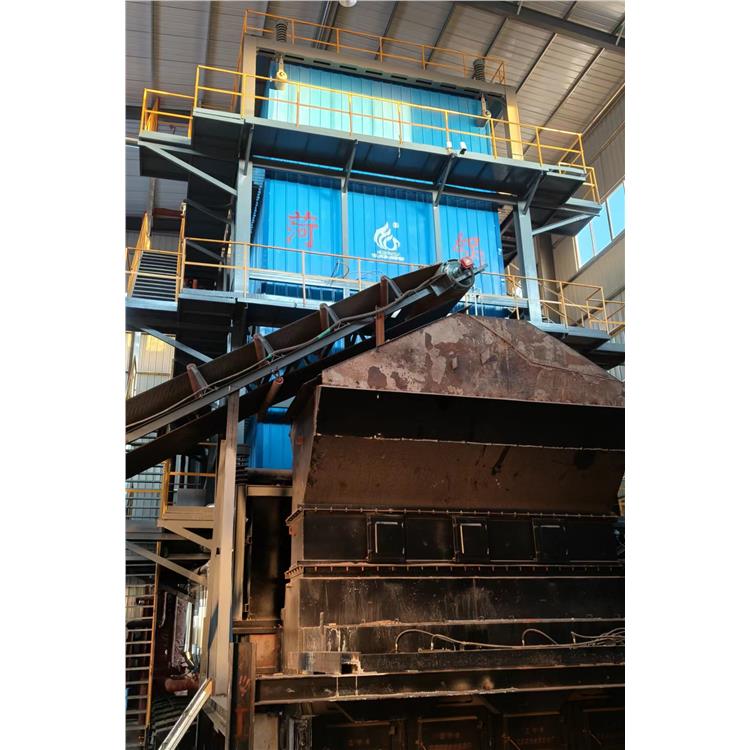


















Shandong Zhongjie Special Equipment (formerly Heze Boiler Factory Co., Ltd.) holds an A-grade boiler manufacturing license, an A2-grade pressure vessel manufacturing license, an A2-grade pressure vessel design license, a B-grade boiler installation license, and GB2/Class and GC2/Class pressure pipeline installation licenses, as well as a mechanical and electrical equipment installation contracting qualification. It is a member of the China Boiler and Water Treatment Association, the China Chemical Equipment Association, and the理事 unit of the Shandong Equipment Manufacturing Association. The company has also passed the ISO9001 Quality Management System, ISO14001 Environmental Management System, OHSAS18001 Occupational Health and Safety Management System certifications, and the ASME/U2 certification from the United States.
The extinguishing process and maintenance methods for the fully automatic biomass boiler are as follows:
Extinguishing Process:
Cease fuel supply: Turn off the fuel supply before extinguishing the biomass boiler, ensuring that the fuel supply pipeline is closed.
Turn off the burner: Switch the burner's switch or the extinguish button on the control panel to the off position to stop the burner from operating.
Wait for Cooling: Allow the boiler to cool down to a safe temperature, which usually takes some time. Do not operate during this period to avoid any accidents.
Shut off power: After the boiler has completely cooled down, turn off the power switch of the boiler to ensure the boiler is disconnected from power.
Maintenance Instructions:
Clean Combustion Chamber: Regularly clean the combustion chamber of ash and dirt generated during the combustion process. Use appropriate tools and cleaning agents to ensure the chamber remains clear and clean.
Heat Exchanger Cleaning: Regularly clean the heat exchangers, especially those on the flue side. During the combustion process, flue gases may contain particles and slag that can adhere to the heat exchanger surface, affecting heat transfer efficiency. Using appropriate cleaning methods, such as mechanical or chemical cleaning, can reduce the accumulation of dirt.
Inspect and Replace Critical Components: Regularly inspect and replace critical components such as burners, valves, sensors, etc. Ensure these parts operate and perform properly to avoid malfunctions and safety hazards.
Water Treatment: Proper water treatment for boiler feedwater to prevent impurities and sediments from settling inside the boiler. Methods such as water softening, deoxygenation, and scale removal can be employed to maintain the cleanliness and stability of the supply.
Please provide the Chinese content to be translated.
Preventing malfunctions is crucial for maintaining the smooth operation of biomass hot water boilers. Here are some methods for preventive maintenance:
Regular Inspections and Maintenance: Conduct regular checks and maintenance on biomass hot water boilers, including cleaning, lubricating, and securing. Verify that all parts and connections of the boiler are functioning properly, ensuring optimal operational condition.
Clean Combustion System: Regularly clean the combustion system, including the combustion chamber, burners, and burner nozzles. Remove ash, sediments, and dirt to maintain the smooth operation of the combustion system and prevent issues such as incomplete combustion and unstable flames.
Check Water Quality: Regularly inspect the water quality in the biomass hot water boiler, including water hardness, alkalinity, and impurities. Take appropriate water treatment measures based on the water quality to prevent scale and corrosion, and protect the boiler's heat exchangers and pipelines.
Clean Heat Exchangers: Regularly clean the heat exchangers of biomass hot water boilers to remove dirt and dust. Accumulated dirt and dust can reduce the heat transfer efficiency of the heat exchangers, affecting the boiler's thermal efficiency and operational stability.
Inspect the safety valve and pressure gauge: Regularly check and test the safety valve and pressure gauge of the biomass hot water boiler to ensure their proper functioning. The proper operation of the safety valve and pressure gauge is crucial for ensuring the safety and stability of the boiler.
Maintain records and monitor: Document operating parameters and fault conditions of biomass hot water boilers, and conduct monitoring and analysis. Identify and resolve issues promptly to prevent故障 from occurring and escalating.
Biomass fuel boilers may encounter the following issues during use:
Fuel quality inconsistency: The quality of biomass fuel is affected by factors such as raw material source, processing methods, and storage conditions, leading to inconsistent fuel quality. Inconsistent fuel quality may affect combustion efficiency and the stable operation of the boiler.
Ash handling issue: Biomass fuel produces a large amount of ash during combustion, including waste, ash content, and unburned materials. The handling and disposal of ash may pose environmental pollution and cost issues.
High Temperature Corrosion: Ash and elements like chlorine in biomass fuel are prone to cause corrosion at high temperatures, damaging the metal components of boilers. Appropriate measures need to be taken to protect and address high temperature corrosion issues.
Low combustion efficiency: The combustion characteristics of biomass fuel differ from traditional fossil fuels, potentially resulting in lower combustion efficiency. It is necessary to optimize the combustion system and control strategies to enhance combustion efficiency and reduce energy waste.
Gases emitted from combustion: The combustion of biomass fuel produces certain emissions, such as carbon dioxide, nitrogen oxides, and particulate matter. These emissions have an impact on the environment and air quality, necessitating appropriate control measures.
Transport and Storage Costs: The transportation and storage costs for biomass fuels are high, particularly for areas far from the supply source. This may increase the operating costs for biomass fuel boilers.
In summary, biomass fuel boilers face issues such as inconsistent fuel quality, ash and slag disposal, and high temperatures.
When planning and arranging the bag filter for biomass boiler, the following aspects should be considered:
Baghouse Filter Location: The baghouse filter should be positioned near the biomass boiler flue gas outlet to effectively capture particulates from the flue gas. Additionally, the location of the baghouse filter should facilitate operation and maintenance, ensuring ease of ash cleaning and filter bag replacement.
Arrangement of smoke进出口: The smoke进出口 of the bag dust collector should be connected to the smoke管道 of the biomass boiler to ensure smooth entry and exit of the smoke. The arrangement should consider the uniformity of smoke flow and minimize resistance to enhance the dust removal effect and operational efficiency of the system.
Baghouse Dust Collector Dimensions and Capacity: Determine the size and capacity of the baghouse based on the biomass boiler's flue gas flow and particulate load. Ensure the baghouse meets the requirements for flue gas treatment and achieves the expected dust removal efficiency.
Bag filter arrangement and selection: Bag filters are the core components of bag dust collectors, and the appropriate filter material and specifications should be chosen based on the characteristics of the flue gas and the nature of the particulate matter. The arrangement of the filter bags should be reasonable to ensure the flue gas can pass through the bags evenly, capturing the particulate matter to the maximum extent.
Dust Removal System Arrangement: Baghouse dust collectors require regular cleaning to maintain the cleanliness of the filter bags and the dust removal efficiency. The arrangement of the dust removal system should be user-friendly and easy to maintain, ensuring the effectiveness and efficiency of the cleaning process.
Arrangement of emission pipes: After the flue gas is treated by the bag dust collector, it needs to be discharged into the atmosphere. The arrangement of the emission pipes should ensure the safety and compliance of flue gas emissions.
When planning and arranging the biomass boiler bag dust collector, it is recommended to collaborate with an environmental engineer or equipment supplier, design and construct based on the specific situation, to ensure the operation and environmental protection effect of the dust removal system.
Zhongjie Special Equipment adheres to the great vision of "realizing employees' dreams, creating customer value, and striving for the prosperity and strength of our motherland," wholeheartedly committed to the development of green energy equipment. We dedicate high-value products and services to society!
WeChat Official Account

Scan to follow Official Account



















