



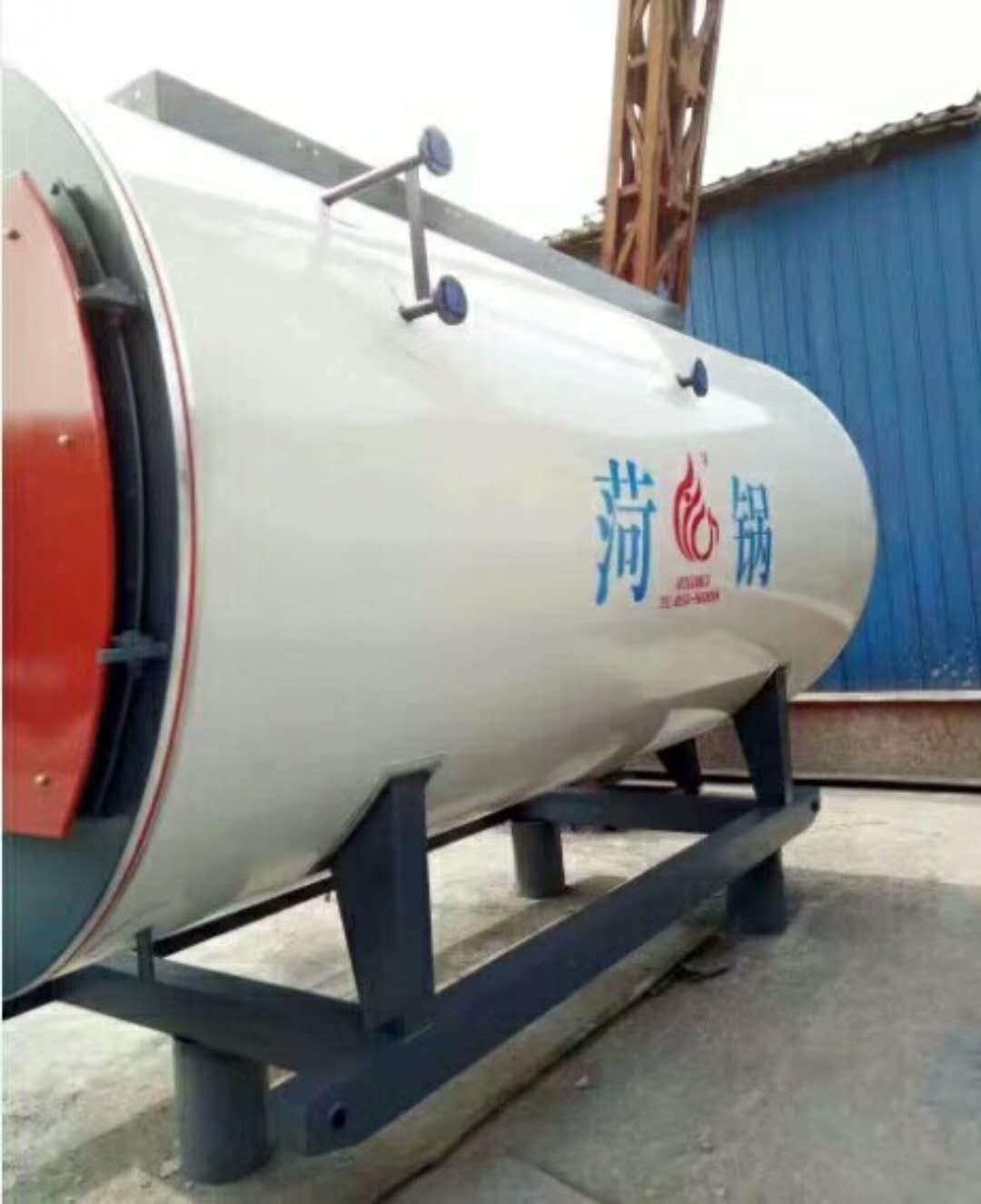
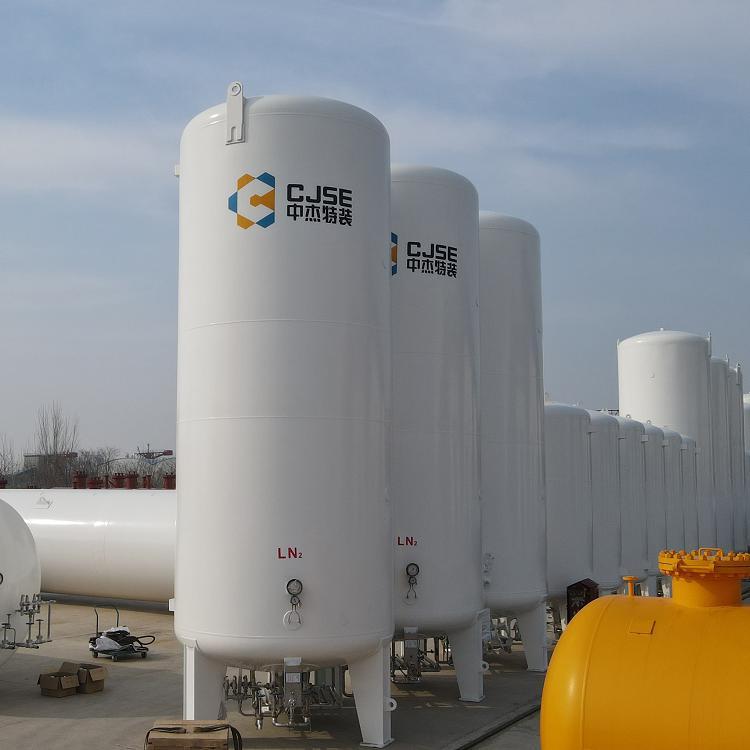


















Shandong Zhongjie Special Equipment's main products include: fuel (gas) boilers, organic heat carrier boilers, biomass boilers, waste heat boilers, and other boiler products; vacuum insulation deep-freeze pressure vessels such as LNG tanks, oxygen/nitrogen/argon tanks, and CO2 tanks; pressure vessel products like denitrification engineering equipment, heat storage and energy storage equipment, and complete chemical equipment; central air conditioning and HVAC equipment such as ground (water) source heat pumps, air source units, water-cooled screw units, and air-cooled modular units. Planned products include large-scale energy centers, LNG transport vehicles, LNG tank containers, and other green energy equipment.
Daily inspections and maintenance of carbon dioxide storage tanks can be carried out in the following steps:
- Visual Inspection: Check for any obvious damage, corrosion, or oil leakage on the tank's exterior. Pay attention to any anomalies in the tank shell, valves, and pipe connections.
- Internal Inspection: If access to the interior is permitted, conduct an internal inspection. Check for corrosion, scale buildup, or blockages in the lining, valves, and pipes.
- Valve and Pipe Inspection: Verify that the tank's inlet and outlet valves and pipe connections are functioning normally, with no leaks or loose fittings. Ensure valves operate smoothly and reliably.
- Pressure Relief Device Inspection: Check that the tank's pressure relief devices (such as safety valves) are operating correctly. Confirm that the set pressure of the relief devices meets requirements.
- Measurement and Control System Inspection: Ensure the tank's level, pressure, and temperature measurement and control systems are functioning properly. Calibrate and test the accuracy of measuring equipment.
- Cleaning and Draining: Regularly clean the interior of the tank, removing accumulated impurities and sediments. Also, periodically drain the tank to remove liquid and gas impurities.
- Maintenance and Repair: Perform necessary maintenance and repair work based on inspection results. Repair damaged components, replace worn-out seals, etc., to ensure the tank operates normally.
- Documentation and Reporting: Record the inspection and maintenance process, including the inspection date, contents, identified issues, and measures taken. Submit inspection reports to relevant departments or management as needed.
These are general steps for daily inspections and maintenance of carbon dioxide storage tanks. Specific operations should be tailored to the tank's characteristics and requirements. When conducting inspections and maintenance, follow relevant safety operating procedures and have personnel perform the operations.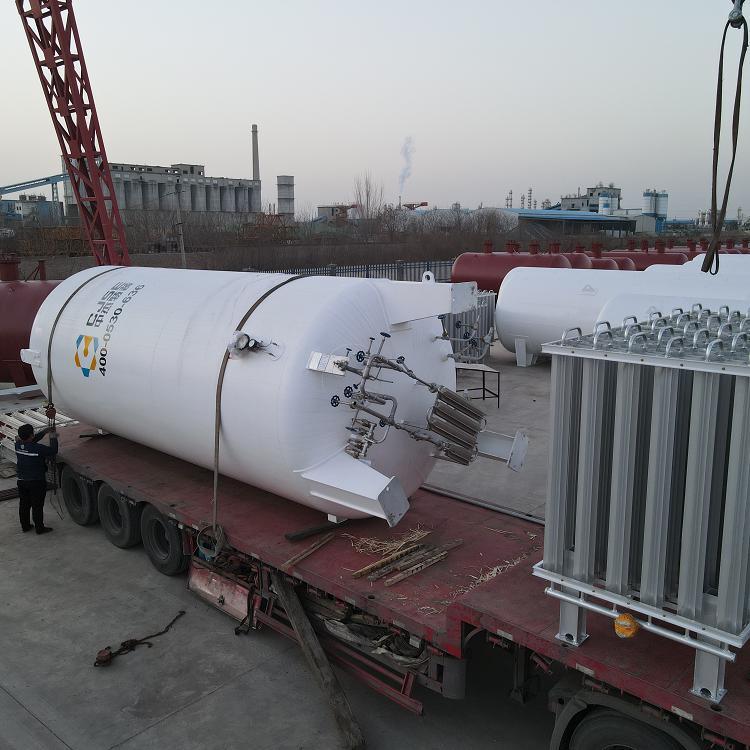
When filling liquid carbon dioxide into storage tanks, attention should be given to the following aspects:
- Safe Operation: Adhere to relevant safety operation procedures and standards during the filling process. Operators must receive training, understand the operation requirements and safety measures of the filling equipment, and operate strictly according to the procedures.
- Tank Inspection: Before filling, a thorough inspection of the tank is mandatory to ensure its integrity and safety. Check the tank's appearance, sealing, valves, and pipe connections, and promptly repair or replace any abnormalities or damages.
- Filling Equipment: Select appropriate filling equipment that complies with relevant standards and requirements. The filling equipment should have a safe and reliable design and operational functions to ensure the safety and efficiency of the filling process.
- Filling Speed Control: Controlling the filling speed is crucial. Excessive filling speed can lead to high tank pressure, increasing safety risks. Adjust the filling speed based on the tank's capacity and design requirements to ensure safe filling.
- Pressure Control: During the filling process, the tank's pressure must be strictly controlled. The filling equipment should be equipped with pressure sensors and safety valves to ensure the internal pressure of the tank remains within a safe range.
- Leak Protection: Ensure the sealing of valves and pipes during the filling process to prevent carbon dioxide leakage. Regularly inspect and replace seals, and promptly address any leakage issues.
- Monitoring and Recording: Monitor and record key parameters such as pressure, temperature, and liquid level in real-time during the filling process. This aids in the timely detection of abnormalities and corresponding adjustments or treatments.
It is important to note that only authorized operators should handle the filling of carbon dioxide storage tanks and adhere to relevant safety operation procedures and standards. Seek advice and guidance from experts.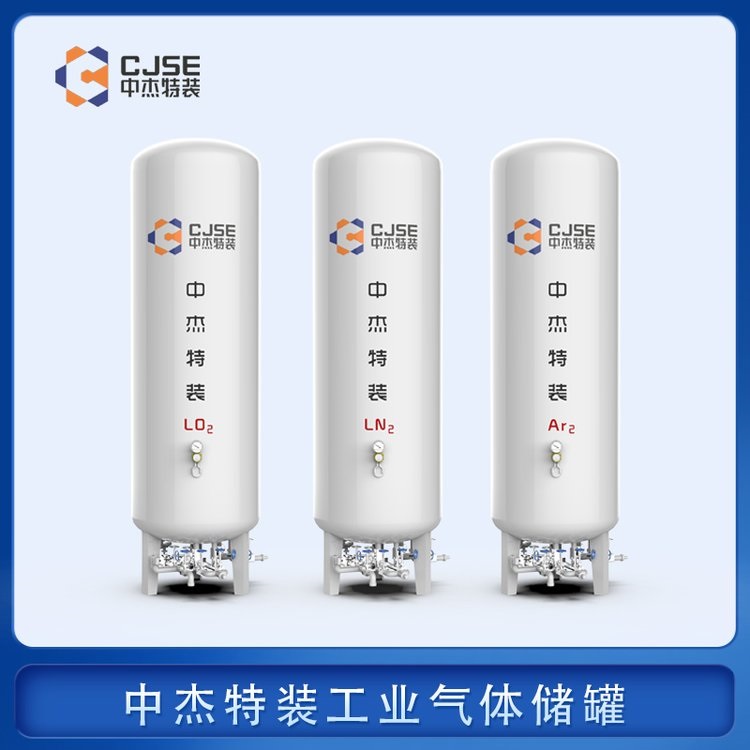
Dry ice is a frozen agent created by directly converting carbon dioxide gas into a solid under high pressure. It has several applications:
For freezing food and pharmaceuticals: Dry ice is widely used for the transportation and storage of food and pharmaceuticals. Due to its low temperature and rapid cooling speed, it can effectively maintain the freshness and quality of food and medicines.
Special effects and stage performances: Dry ice is also extensively used in special effects and stage performances. When it comes into contact with environmental heat, it quickly turns into gas, producing a large amount of white smoke effect, creating a mysterious and dramatic atmosphere.
Cleaning and disinfection: Dry ice can also be used for cleaning and disinfection. When it comes into contact with surfaces, the low temperature and physical impact of the vaporization process can effectively remove dirt, bacteria, and viruses without leaving residues.
Laboratories and scientific research: Dry ice has applications in laboratories and scientific research as well. It can be used for freezing samples, preparing low-temperature experimental environments, and making cold traps and condensers, etc.
It should be noted that safety must be observed when using dry ice to avoid direct contact with skin and eyes, and to prevent use in enclosed spaces to avoid carbon dioxide accumulation leading to oxygen deficiency.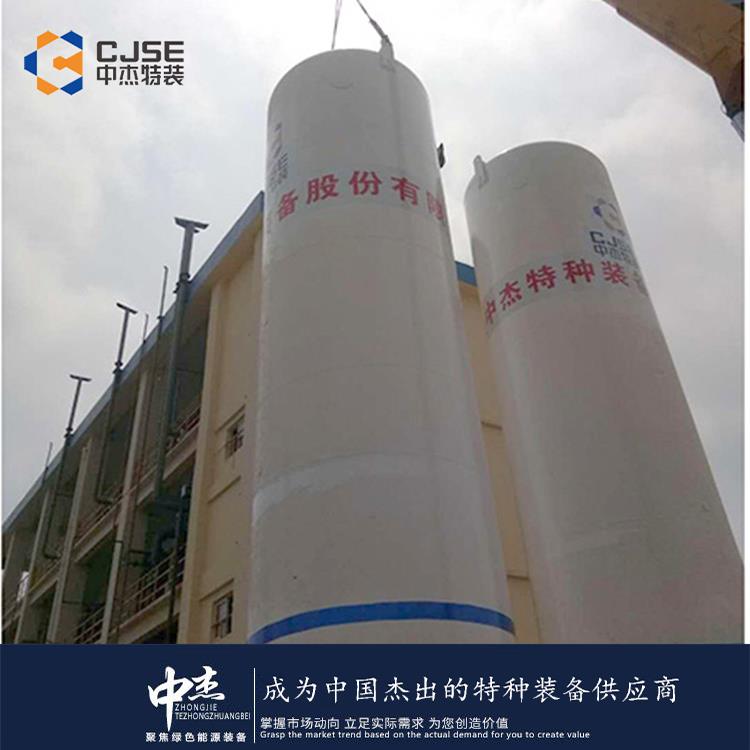
When selecting a carbon dioxide storage tank support, consider the following factors: Load Capacity: The design and selection of the support should be capable of bearing the weight and pressure of the tank. The load-bearing capacity of the support should be determined based on the tank's dimensions, weight, and working conditions. Stability: The support should have sufficient stability to prevent the tank from tilting or collapsing during use. The design of the support should take into account the tank's center of gravity and its changes to provide stable support. Corrosion Resistance: As carbon dioxide is somewhat corrosive, the material chosen for the support should have good corrosion resistance to prevent corrosion and damage. Installation and Maintenance Ease: The design of the support should consider ease of installation and maintenance for the convenience of tank installation, adjustment, and maintenance. Compliance with Standards and Regulations: The design and selection of the support should comply with relevant standards and regulations, such as Standard GB150 "Steel Pressure Vessels." Additionally, other factors related to the support can be considered, such as cost, reliability, and durability. When selecting a support, consult engineers or consulting companies for advice and guidance.
Zhong Jie Special Equipment adheres to the grand vision of "realizing employees' dreams, creating value for customers, and striving for the prosperity and strength of our motherland," wholeheartedly committed to the development of green energy equipment. We dedicate products and services with high cost-performance to society!
WeChat Official Account

Scan to follow Official Account



















