


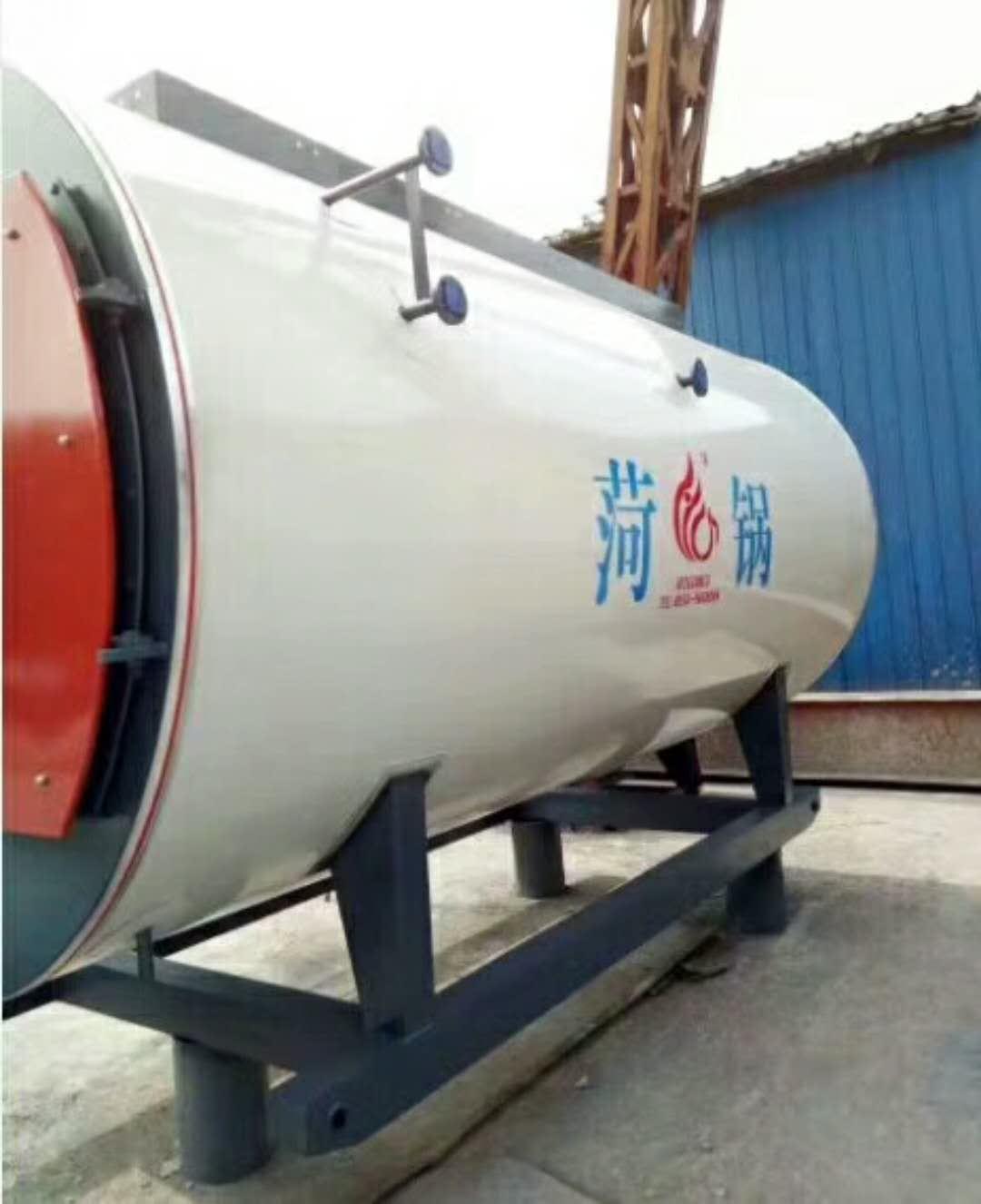

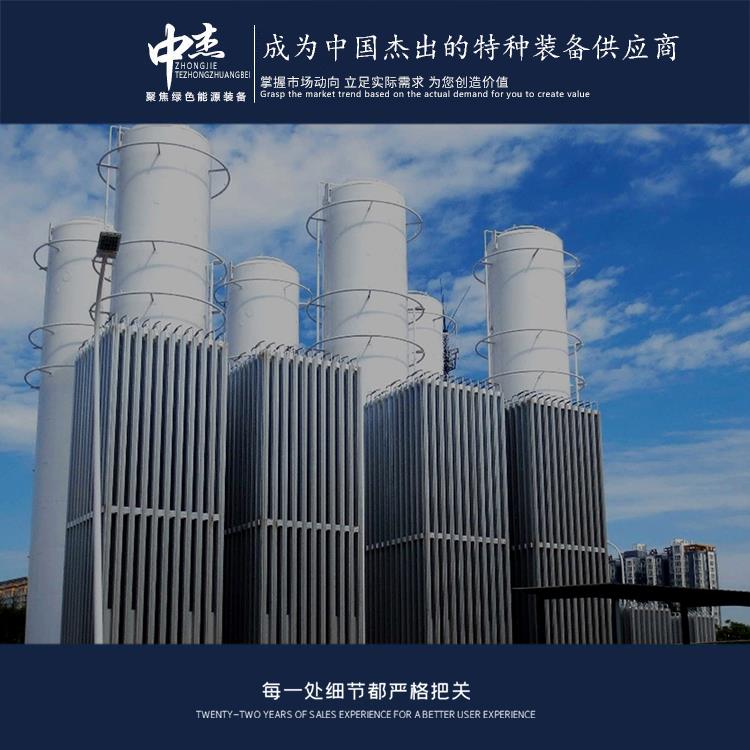
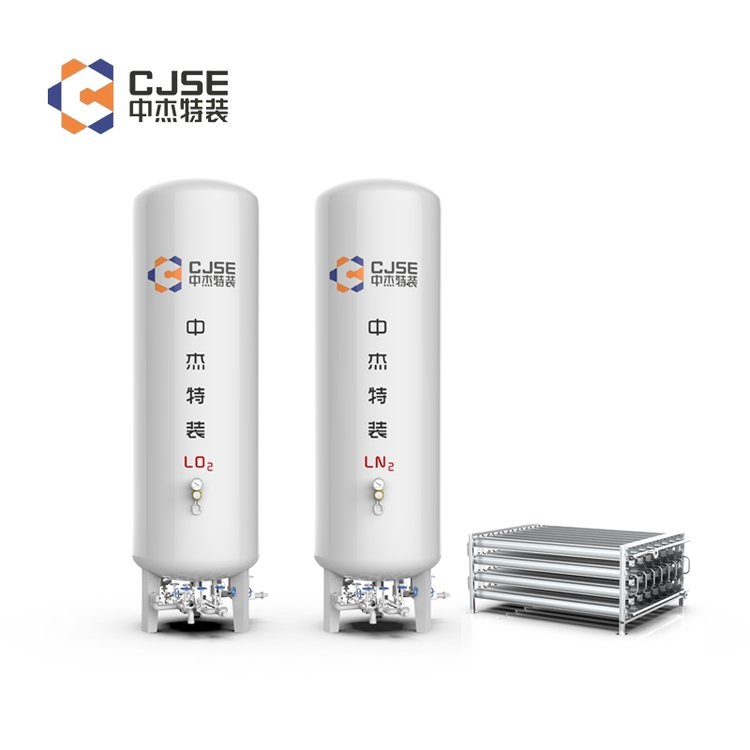


















Shandong Zhongjie Special Equipment Co., Ltd. specializes in the following products: fuel (gas) boilers, organic heat carrier boilers, biomass boilers, waste heat boilers, and other boiler products; vacuum insulation cryogenic pressure vessels such as LNG tanks, oxygen/nitrogen/argon tanks, and CO2 tanks; pressure vessel products including denitrification engineering equipment, heat storage and energy storage equipment, and complete chemical equipment; central air conditioning and HVAC equipment such as ground (water) source heat pumps, air source units, water-cooled screw units, and air-cooled modular units. Planned products include large-scale energy centers, LNG transport vehicles, LNG tank containers, and other green energy equipment.
One of the common drawbacks of pressure vessels during use is corrosion. Corrosion refers to the reaction between the metal surface and chemical substances in the environment, leading to damage to the metal surface and thinning of the material. The following are common corrosion drawbacks of pressure vessels:
Pitting Corrosion: Pitting corrosion refers to the localized pits or holes that appear on the surface of metal. This type of corrosion usually occurs due to corrosive substances present in the local environment, such as acids and salts.
Bacterial Corrosion: Bacterial corrosion is a phenomenon caused by microorganisms. These microorganisms can form a biofilm inside pressure vessels and produce acidic substances, leading to corrosion of the metal surface.
Punch Corrosion: Punch corrosion refers to the phenomenon where metal surfaces experience penetrating corrosion. This type of corrosion usually occurs due to the damage or defects in the protective layer of the metal surface, allowing corrosive substances to come into direct contact with the metal.
Stress Corrosion Cracking: Stress corrosion cracking occurs when metal surfaces are simultaneously subjected to stress and a corrosive environment, leading to the formation and propagation of cracks. This type of corrosion is commonly found in pressure vessels operating under high stress and corrosive conditions.
Corrosion can lead to material thinning and reduced strength in pressure vessels, even triggering severe consequences such as leaks or ruptures. Therefore, to address the corrosion issue in pressure vessels, the following measures should be taken:
Regularly inspect and assess the corrosion conditions of pressure vessels, including visual inspections and non-destructive testing methods.
Implement corrosion prevention measures such as coating protection, cathodic protection, and selecting appropriate materials to minimize corrosion occurrence and progression.
Regularly clean and maintain pressure vessels to remove dirt and impurities that may cause corrosion.
Comply with relevant safety regulations and operational guidelines to ensure the normal and safe operation of pressure vessels.
For severely corroded pressure vessels, repairs or replacements may be necessary to ensure their safety and reliability.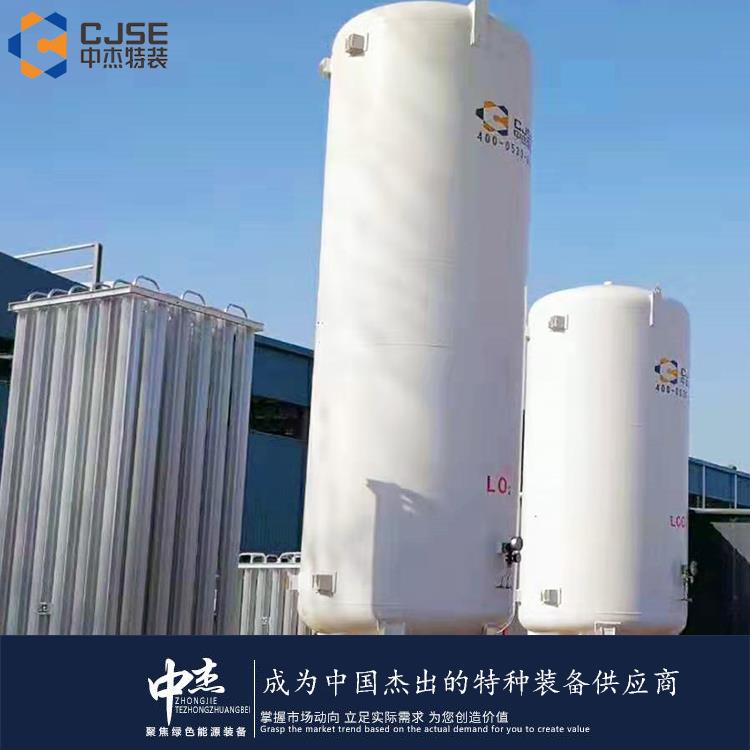
Several reasons explain why low-temperature liquid storage tanks have been at the peak in recent years:
Rising Demand: With the development of industries such as manufacturing and scientific research, the demand for cryogenic liquids is continuously increasing. Cryogenic liquid storage tanks can effectively store and supply liquid oxygen, liquid nitrogen, and other cryogenic liquids, meeting the needs of various fields.
Technical Advancements: In recent years, the manufacturing and material technologies for low-temperature liquid storage tanks have continuously improved and innovated. The application of new insulating materials, advanced refrigeration systems, and safety control devices has enhanced the performance and safety of the tanks, making them more reliable and secure.
Increased environmental awareness: Low-temperature liquid storage tanks can effectively store and utilize low-temperature liquids, reducing energy waste and environmental pollution. Against the backdrop of rising environmental awareness, low-temperature liquid storage tanks, as environmentally friendly and energy-saving equipment, have garnered more attention and applications.
Emerging Application Fields: There is a growing demand for cryogenic liquid storage tanks in emerging application fields. For instance, the application of liquid nitrogen in frozen food, biopharmaceuticals, and semiconductor manufacturing is increasingly widespread, driving the development of cryogenic liquid storage tanks.
Policy Support: The government has provided support and encouragement for the development of low-temperature liquid storage tanks. Through policy guidance and financial support, the industry has been promoted and expanded.
In summary, the peak of low-temperature liquid storage tanks in recent years is mainly due to increasing demand, technological advancements, heightened environmental awareness, the development of new application areas, and policy support. These factors have collectively driven the rapid growth of the low-temperature liquid storage tank industry.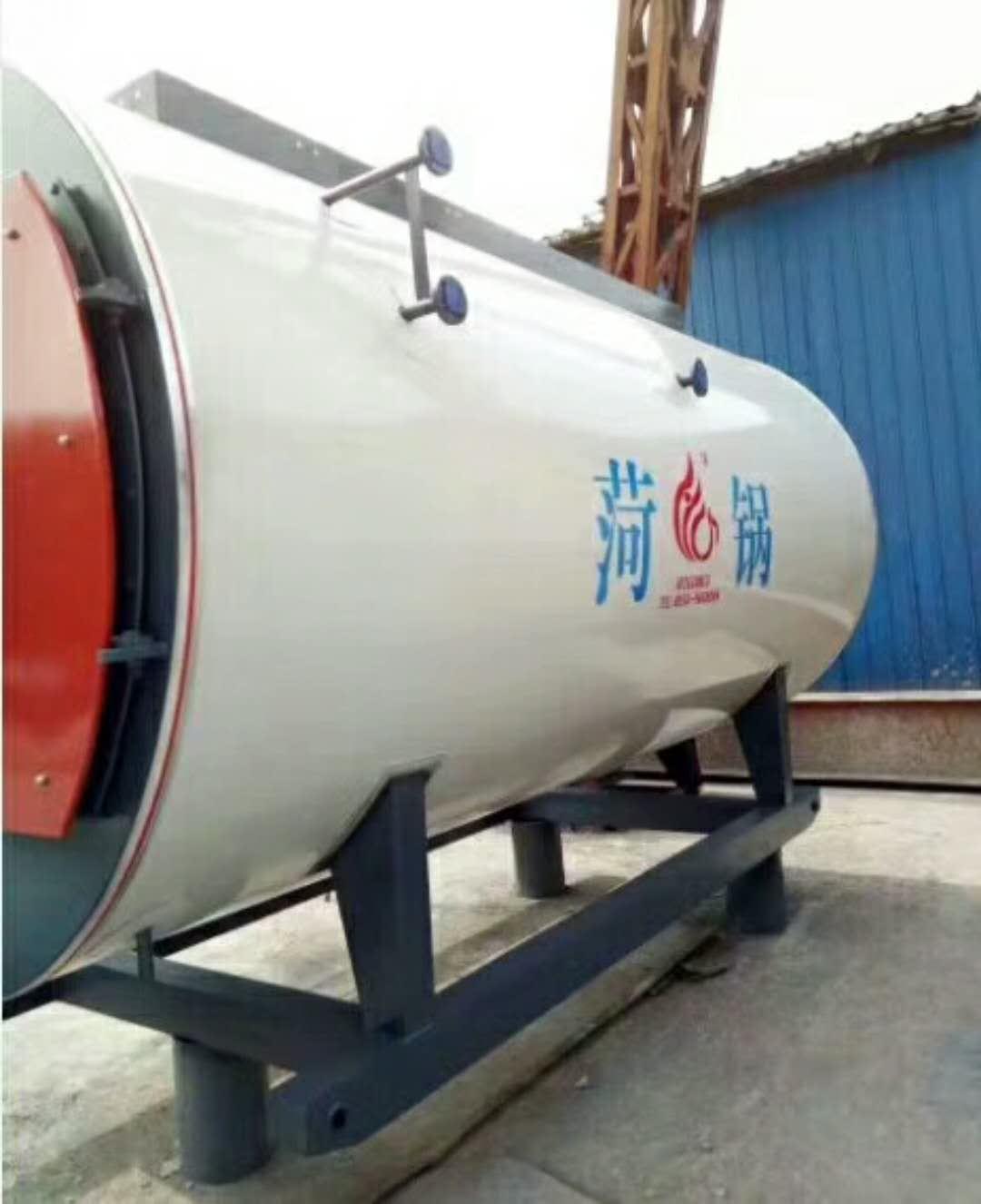
The oxygen-filling process for liquid oxygen tanks must adhere to specific operational procedures and safety measures. Here are the steps for filling liquid oxygen tanks:
Preparation: Ensure the tanks and oxygen-filling equipment are in good working condition, check the tank's sealing and the proper functioning of the safety valves.
Connect equipment: Link the oxygenation equipment to the storage tank, ensuring the connection is sealed reliably.
Prepare liquid oxygen: Transfer the liquid oxygen from the storage container to the oxygen storage tank of the filling equipment. During the transfer, be cautious to avoid any leakage of liquid oxygen and contact with it.
Oxygen Filling Operation: Open the valve of the oxygen filling equipment and fill liquid oxygen from the storage tank into the tank. During the filling process, control the filling speed and pressure to avoid excessive tank pressure and temperature rise.
Monitoring and Control: During the aeration process, the pressure and temperature of the storage tank must be monitored to ensure they remain within safe limits. In case of any abnormalities, oxygenation should be immediately stopped and appropriate actions taken.
Oxygen Filling Completed: Close the valve of the oxygen filling equipment and cease the oxygen filling operation when the tank reaches the required oxygen content or pressure.
Safety Handling: After oxygenation is complete, safety handling is required, including closing relevant valves and emptying the remaining liquid oxygen from the oxygenation equipment.
Note that liquid oxygen is highly oxidizing and flammable. The oxygen-filling process must strictly adhere to relevant safety operating procedures and standards. Operators should receive training and strictly follow the operational procedures and safety measures to ensure the safety and reliability of the oxygen-filling process.
Prior to cooling the liquid oxygen tank, the following prerequisites must be met:
Ensure tank cleanliness: The interior of the tank must be free of impurities and contaminants. The tank should be properly cleaned and flushed to maintain its cleanliness.
Drainage and Exhaust: Empty the gas from the storage tank and expel it through the exhaust system to reduce the gas content within the tank. This helps minimize the interference of the gas on the cooling process.
Safety Precautions: Necessary safety measures must be taken before cooling the liquid oxygen tank. Liquid oxygen is highly flammable and has low-temperature properties; operators should wear appropriate protective suits, gloves, and other personal protective equipment to ensure safe operation.
Temperature Control: During the cooling process of the liquid oxygen tank, the tank's temperature must be controlled. Typically, low-temperature media such as liquid nitrogen are used to cool the tank, ensuring the temperature gradually drops below the boiling point of liquid oxygen.
Insulation and Heat Retention: Liquid oxygen tanks are typically designed with double or multi-layer structures, filled with insulating material in between to minimize heat transfer and evaporation of liquid oxygen. Ensuring the integrity and good insulation of the insulating layer enhances the cooling efficiency of the tank.
Under the aforementioned conditions met, cooling operations for liquid oxygen tanks may proceed. The cooling process must strictly adhere to relevant safety regulations and operational guidelines to ensure the safe operation and use of the tank.
Shandong Zhongjie Special Equipment, welcome customers to our factory for business discussions.
WeChat Official Account

Scan to follow Official Account



















