


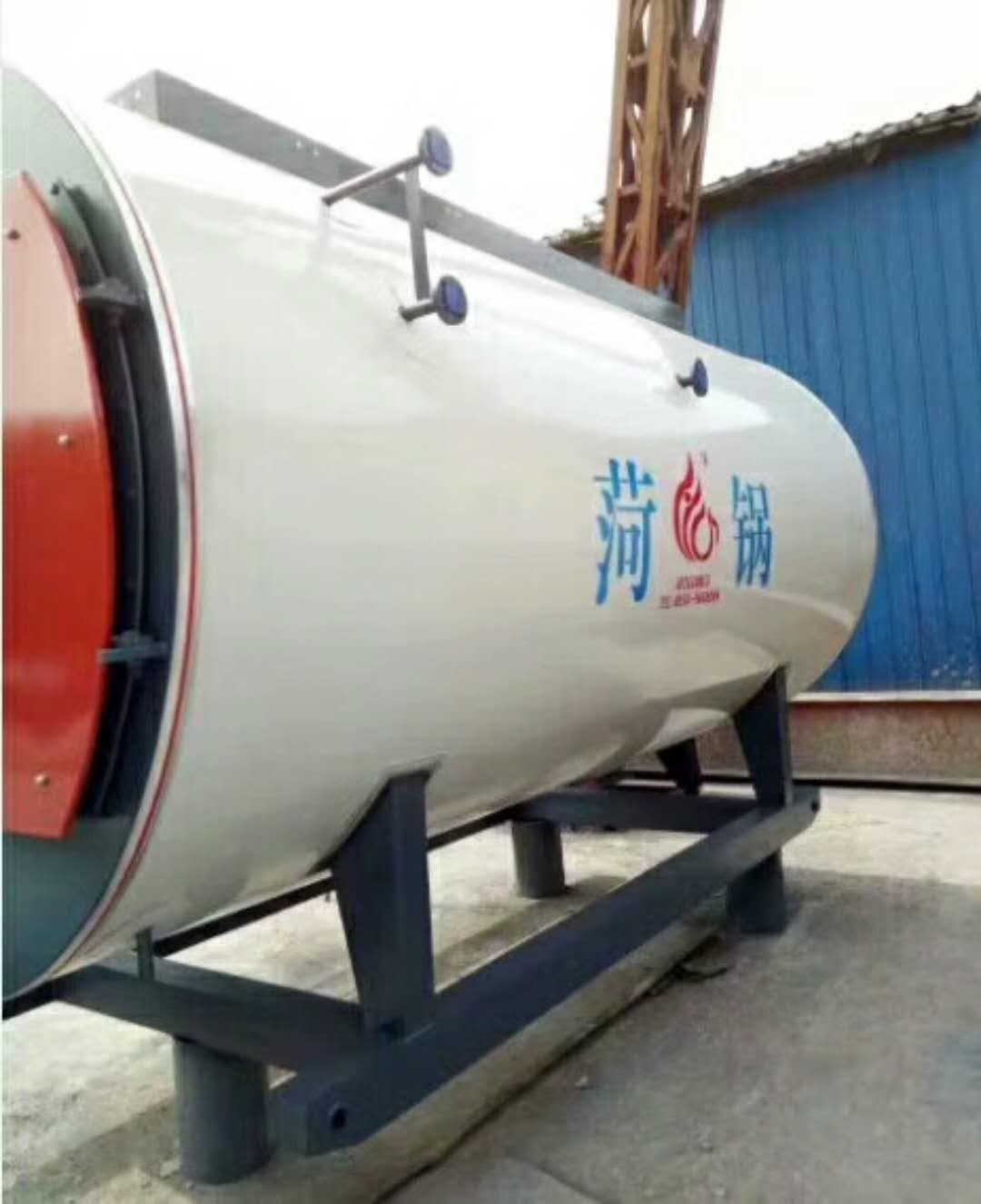

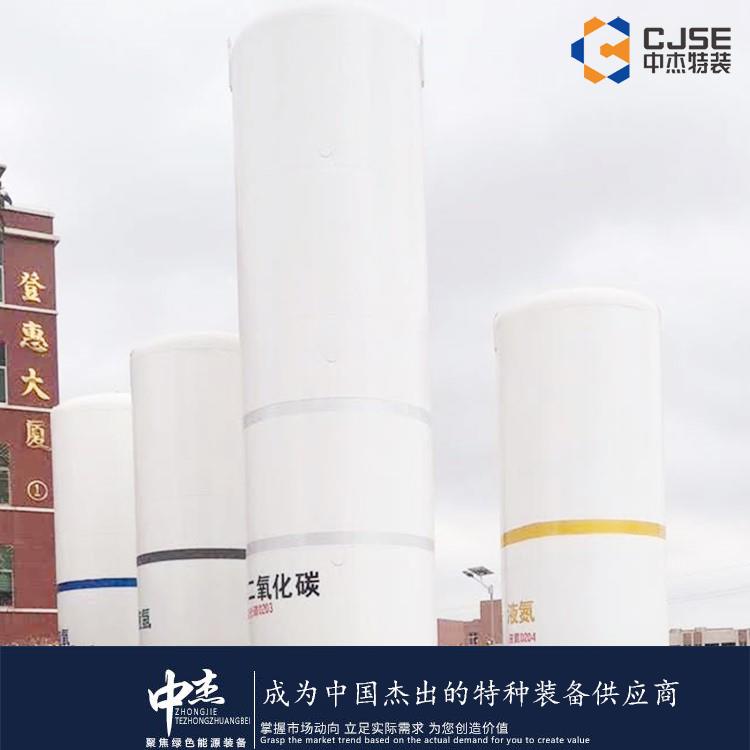
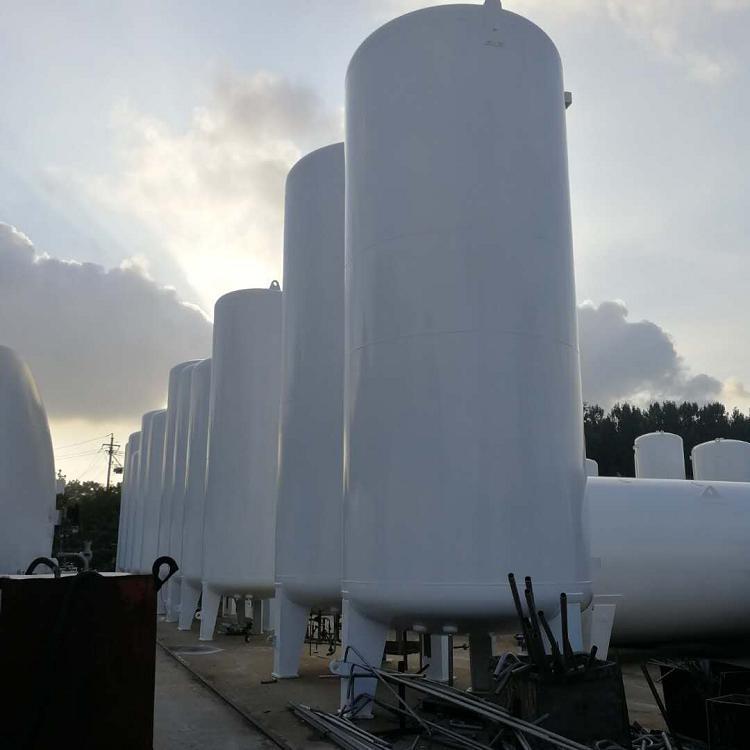


















Shandong Zhongjie Special Equipment specializes in: fuel (gas) boilers, organic heat carrier boilers, biomass boilers, waste heat recovery boilers, and other boiler products; vacuum insulation cryogenic pressure vessels such as LNG tanks, oxygen-nitrogen-aragonite tanks, and CO2 tanks; pressure vessel products including denitrification engineering equipment, heat storage and energy storage equipment, and complete chemical equipment sets; central air conditioning and ventilation equipment such as ground (water) source heat pumps, air source units, water-cooled screw units, and air-cooled modular units. Planned products include large-scale energy centers, LNG transport vehicles, LNG tank containers, and other green energy equipment.
During the operation of low-temperature liquid storage tanks, the following points should be noted:
Protective Gear: When handling low-temperature liquid storage tanks, it is mandatory to wear appropriate protective gear, including protective gloves, suits, and non-slip shoes. This equipment protects the skin from damage caused by low-temperature liquids.
Avoid direct contact: Low-temperature liquids can be cold and cause discomfort. Hence, it is essential to avoid direct contact with low-temperature liquids, especially with the skin. Use tools or equipment for handling to prevent hands from coming into direct contact with the low-temperature liquids.
Ventilation Requirements: In the operational area of low-temperature liquid storage tanks, adequate ventilation must be ensured to expel gases produced by the evaporation of low-temperature liquids. Maintain air circulation to avoid excessive oxygen concentration and reduce the risk of fire and explosion.
Prevent Leaks: Regularly inspect the leakage conditions of low-temperature liquid storage tanks, and equip with leak detection and alarm systems. In case of a leak, take immediate action to control and repair it. Avoid harm to personnel and the environment caused by the leakage of low-temperature liquids.
Fire Prevention Measures: Low-temperature liquids have lower boiling and freezing points, making them prone to fires. To prevent and contain fires, firewalls and fire-retardant coatings should be installed around low-temperature liquid storage tanks.
Static Protection: Handling low-temperature liquids may generate static electricity, increasing the risk of fire from sparks. Measures such as using static-conductive materials and anti-static equipment are taken to reduce the accumulation and release of static electricity.
Regular Inspections and Maintenance: Conduct regular checks on the condition of low-temperature liquid storage tanks and related equipment, including valves, pipelines, pressure gauges, etc. Ensure the equipment is in perfect condition, and promptly repair or replace any damaged parts.
Waste Gas Treatment: During the process of using low-temperature liquids, waste gas is produced. Appropriate waste gas treatment measures must be taken to minimize environmental impact.
Above are the precautions to be taken when using low-temperature liquid storage tanks, ensuring safe operation and normal tank performance. During operation, strict adherence to relevant operational procedures and safety operation requirements is essential.
During the welding process of low-temperature liquid storage tanks, controlling the occurrence of welding cracks is crucial. The following are some methods and measures for controlling welding cracks:
Appropriate Welding Techniques: Select the appropriate welding process and parameters to minimize welding heat input and thermal stress. Methods such as pulsed welding and laser welding, which have low heat input, can reduce the temperature gradient and residual stress in the heat-affected zone of welding.
Preheating and post-heating treatment: Perform appropriate preheating before welding to enhance material toughness and reduce thermal stress. Conduct suitable post-heating treatment, such as annealing or stress-relief heat treatment, after welding to minimize residual stress and improve the toughness of the weld.
Select appropriate welding materials: Choose welding materials with good toughness and crack resistance to minimize the occurrence of welding cracks. Select the appropriate welding materials based on the storage tank's operating conditions and requirements, such as low-alloy steel, stainless steel, etc.
Control Welding Process: Monitor and adjust parameters and operations during the welding process to minimize the risk of welding cracks. Pay attention to factors such as welding speed, current, voltage, and welding sequence to avoid overheating or rapid welding, thus reducing the accumulation of thermal and residual stresses.
Non-destructive Inspection and Evaluation: After welding, conduct non-destructive tests on the welds, such as ultrasonic testing and X-ray testing, to assess welding quality and the presence of cracks. Promptly identify and repair welding cracks to ensure the integrity and safety of the weld joints.
It's important to note that controlling welding cracks is a complex process, requiring a comprehensive consideration of factors such as materials, welding techniques, and operations. When welding low-temperature liquid storage tanks, it's recommended to consult with a welding engineer or a relevant institution for guidance to ensure welding quality and tank safety.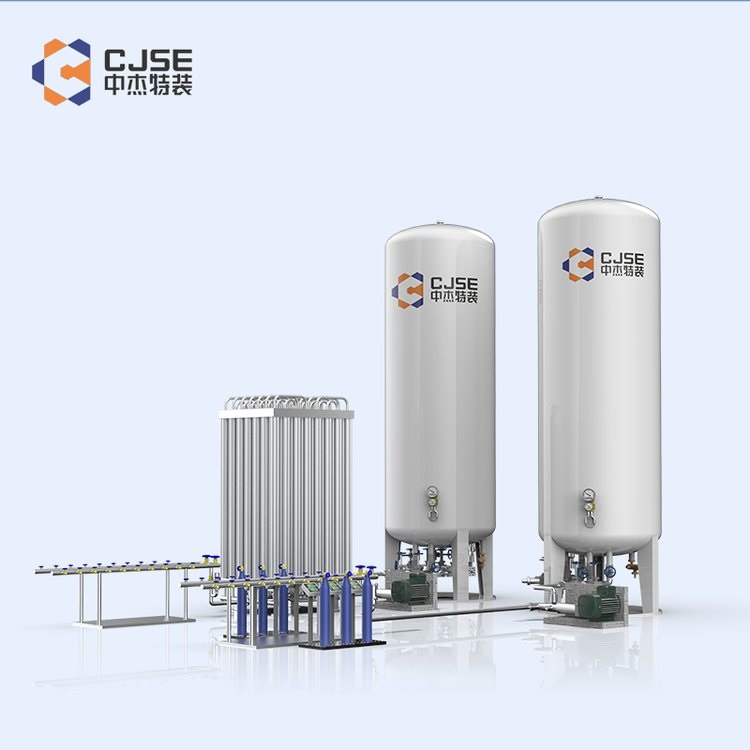
The use of liquid nitrogen storage tanks in rapid freezing technology offers several advantages:
Rapid Freezing Speed: The temperature of liquid nitrogen is low, approximately -196 degrees Celsius. Using a liquid nitrogen tank for quick freezing can rapidly lower the surface temperature of food, achieving fast freezing. Compared to traditional freezing methods, liquid nitrogen freezing can significantly reduce freezing time while preserving the quality and texture of the food.
Uniform freezing effect: Liquid nitrogen quick-freezing technology enables rapid and even freezing of food. Liquid nitrogen is喷射 to the surface of the food in a gaseous form, quickly absorbing heat and turning into a liquid, thereby achieving even freezing of the food, avoiding crystallization and lumping during the freezing process.
Maintain Food Quality: Quick-freezing with liquid nitrogen rapidly chills food, minimizing crystallization and clumping during the freezing process, thus preserving the quality and texture of the food. During the quick-freezing process, liquid nitrogen rapidly lowers the surface temperature of the food, forming minute frozen structures, effectively retaining its moisture and nutritional content.
Flexibility and Adaptability: Liquid nitrogen tanks can be adjusted and controlled according to different types of food and freezing requirements. The jet speed and angle of liquid nitrogen can be adjusted based on the size, shape, and freezing needs of the food to achieve optimal freezing results.
Environmental Protection and Energy Efficiency: Liquid nitrogen rapid freezing technology, compared to traditional freezing methods, can save energy and resources more effectively. Liquid nitrogen evaporates rapidly during the freezing process, causing environmental pollution and generating waste water and waste gas.
Be mindful that when using liquid nitrogen tanks for rapid freezing, it is crucial to adhere to the relevant safety operating procedures and guidelines. Ensure that operators are equipped with the necessary safety awareness and operational skills to prevent accidental incidents. Additionally, consult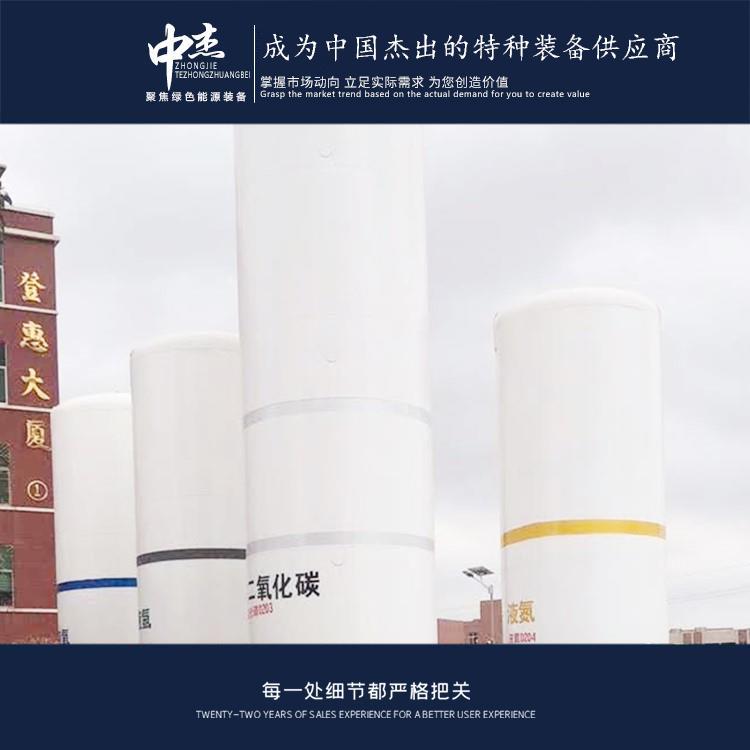
To extend the service life of low-temperature liquid storage tanks, the following measures can be taken:
Regular Inspections and Maintenance: Conduct regular visual inspections of the tank, including the shell, welds, valves, and connections. Check for any abnormalities such as cracks, corrosion, or deformation, and promptly repair or replace damaged parts.
Maintain Insulation Layers: Insulation is crucial for the thermal preservation of low-temperature liquid storage tanks. Regularly inspect the integrity and insulating properties of the insulation, and repair or replace any damaged insulation materials to ensure the tank's insulating effectiveness.
Control temperature and pressure: The temperature and pressure of the low-temperature liquid storage tank should be maintained within a safe range. Avoid excessive or low temperatures and pressures that may damage the tank. Implement appropriate cooling or heating measures to ensure stable temperature and pressure of the liquid.
Corrosion Protection: The exterior shell and internal structure of the tank should be protected against corrosion and oxidation. Regular inspections and maintenance of the protective coating are required to ensure its integrity.
Avoid excessive pressure and overfilling: Prevent the internal pressure of the tank from being too high or too low, as well as overfilling with liquid. Excessive pressure and overfilling can lead to structural破裂 or damage to the tank.
Regular cleaning and waste removal: Regularly clean the interior of the tank to remove accumulated impurities and dirt. Regularly remove waste to prevent damage to the tank from impurities and sediments in the liquid.
Safety Operation and Training: Ensure operators are equipped with knowledge and skills for safe handling of cryogenic liquid storage tanks. Enhance safety training to improve operators' safety awareness and emergency response capabilities.
Manage records and documents: Establish comprehensive management records and documents, including the usage status of storage tanks.
Zhongjie Special Equipment upholds the grand vision of "realizing employees' dreams, creating value for customers, and striving for the prosperity and strength of our motherland," and is dedicated to the development of the green energy equipment industry. We offer society high-quality products and services at competitive prices!
WeChat Official Account

Scan to follow Official Account



















