


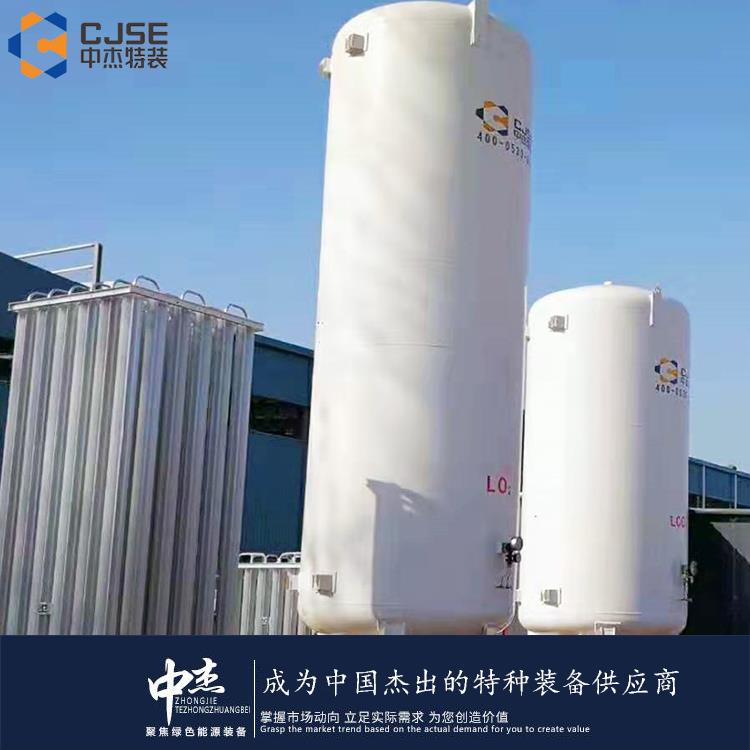

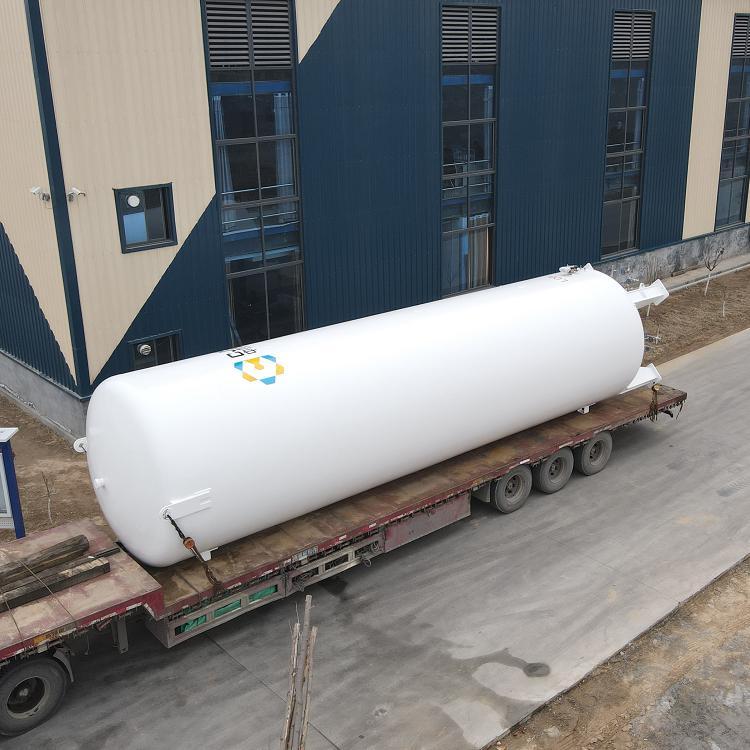


















Shandong Zhongjie Special Equipment (formerly Heze Boiler Factory Co., Ltd.) holds an A-grade boiler manufacturing license, an A2-grade pressure vessel manufacturing license, an A2-grade pressure vessel design license, a B-grade boiler installation license, and GB2/Class and GC2/Class pressure pipeline installation licenses, as well as a mechanical and electrical equipment installation contracting qualification. It is a member of the China Boiler and Water Treatment Association, the China Chemical Equipment Association, and a director unit of the Shandong Equipment Manufacturing Association. The company has also passed certifications for the ISO9001 Quality Management System, ISO14001 Environmental Management System, OHSAS18001 Occupational Health and Safety Management System, and the American ASME/U2 certification.
Proper management regulations for the use of low-temperature liquid storage tanks encompass the following aspects:
Tank Selection and Installation: Choose an appropriate low-temperature liquid storage tank and ensure it complies with relevant standards and regulations. The installation of the tank should be carried out by personnel, following the manufacturer's instructions and requirements, to ensure the tank's stability and safety.
Safety Operating Procedures: Establish and implement safety operating procedures for liquid storage tanks, including start-up, shutdown, filling, and venting procedures. Operators must receive training to understand the characteristics of liquid storage tanks, safety precautions, and emergency response measures.
Safety Equipment and Protective Measures: Tanks should be equipped with necessary safety devices, such as pressure sensors, safety valves, leak detectors, etc., to monitor and control the pressure and temperature of the tank. At the same time, operators should wear appropriate personal protective equipment, such as insulated gloves, protective clothing, etc., to ensure their safety.
Regular Inspections and Maintenance: Regularly inspect and maintain low-temperature liquid storage tanks, including checking the tank's appearance, sealing, and corrosion prevention measures. In case of any issues, promptly repair or replace the tank to ensure its proper operation and safety.
Waste Disposal: Abandoned low-temperature liquid storage tanks should be disposed of in accordance with relevant environmental protection regulations. The residual liquids in the abandoned tanks should be handled properly to prevent environmental pollution.
Tank Record and Tracking: Establish a tank usage record, including filling dates, quantities, and usage status. Additionally, it is recommended to implement a tank tracking system for monitoring and managing the usage and maintenance of tanks.
The above outlines some common management regulations for low-temperature liquid storage tanks. Specific regulations may vary by industry and region. When using low-temperature liquid storage tanks, relevant laws and standards must be adhered to, and appropriate management measures should be established based on the actual situation.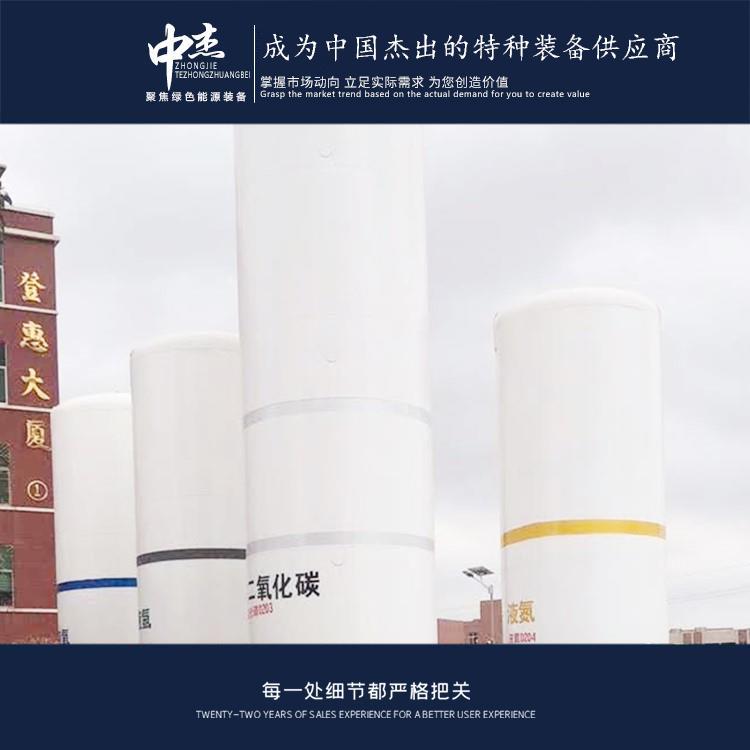
Prior to using the liquid oxygen tank, the following preparations must be made:
Safety Inspection: Ensure the tank and its surrounding environment are safe. Check for any damage, leaks, or other potential hazards. Make sure there are no flammable materials or other dangerous items in the vicinity of the tank.
Tank Preparation: Inspect the tank's exterior, including the shell, welds, valves, and fittings. Ensure there are no visible damages or corrosion. Check that the insulation layer is intact and undamaged.
Liquid Oxygen Filling: Utilize liquid oxygen delivery equipment to fill the storage tank. Ensure that the flow rate and pressure of liquid oxygen are maintained within a safe range during the filling process.
Pressure Control: Tanks should be equipped with pressure control devices to ensure the internal pressure of the tank is within a safe range. Inspect and adjust the pressure control devices to ensure proper functioning.
Valve Operation: Check that the valves and fittings on the tank are functioning properly. Ensure the valves open and close smoothly and reliably. Adjust the valve's open and close positions as needed.
Safety Equipment: Inspect the safety equipment around the storage tanks, such as fire isolation zones and alarm systems, to ensure they are functioning properly.
Operator Training: Ensure operators are proficient in the safe operation of liquid oxygen storage tanks.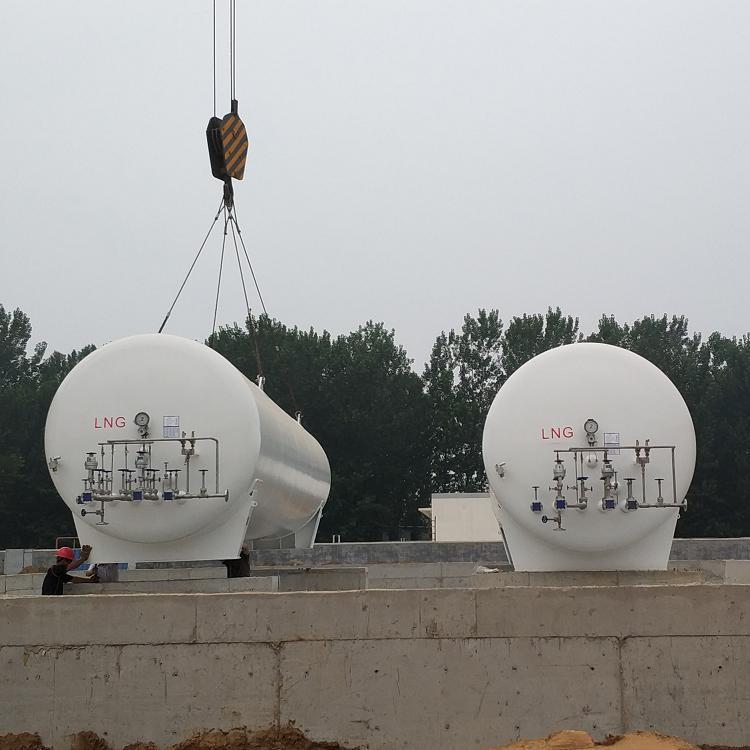
When selecting insulation materials for low-temperature liquid storage tanks, consider the following factors:
Thermal Conductivity: The lower the thermal conductivity of an insulating material, the better its insulating performance. Therefore, materials with lower thermal conductivity should be chosen, such as polyethylene foam (EPS), polyester foam (PUR), and silicate fibers.
Density: The density of thermal insulation materials also affects their insulating performance. Generally speaking, the higher the density, the better the insulating performance. However, excessively high density may increase the weight and cost of the storage tank. Therefore, a balance must be struck between insulating performance and structural requirements for the storage tank.
Corrosion Resistance: Due to the unique working environment of low-temperature liquid storage tanks, the insulating material must have excellent corrosion resistance to withstand the侵蚀 by low-temperature liquids. For instance, glass fiber and silicate fiber offer good corrosion resistance.
Reliability and Durability: Insulating materials must have good reliability and durability, maintaining their insulating properties over the long term. Choose verified and tested materials to ensure their quality and performance.
Construction convenience: The ease of installation and maintenance of insulation materials is also a factor to consider. Choosing materials that are easy to install and maintain can enhance construction efficiency and reduce costs.
Environmental Friendliness: Consider choosing environmentally friendly insulation materials, such as recyclable ones, to minimize impact on the environment.
Considering these factors, select suitable insulation materials to provide excellent thermal insulation and durability, ensuring the safety and efficient operation of low-temperature liquid storage tanks. When choosing insulation materials, it's advisable to consult with engineers or consulting agencies for more accurate recommendations and guidance.
The reason for occasional venting of liquid oxygen tanks is primarily to maintain the safe pressure range within the tank and prevent excessive pressure buildup. Here are several situations where liquid oxygen tanks may occasionally vent:
Pressure Control: During operation, the pressure within the liquid oxygen tank fluctuates due to evaporation of the liquid oxygen and temperature changes. To maintain a safe pressure range inside the tank, regular venting is required to control the tank's pressure within the safe limits.
Prevent Overpressure Accumulation: During oxygen filling or usage, external factors or operational errors may cause the pressure inside the liquid oxygen tank to exceed the safe limit. To prevent overpressure accumulation, timely venting is required to alleviate the pressure within the tank.
Prevent Gas Accumulation: Liquid oxygen tanks may contain some gas impurities, such as air and water vapor. These gases can condense into liquids or solids at the low temperatures of liquid oxygen, blocking pipelines or affecting the normal operation of the tank. Regular venting can expel these impurities, maintaining the tank's cleanliness and unobstructed flow.
Note that the venting operation of liquid oxygen should be conducted by trained personnel and strictly adhere to the relevant operational procedures and safety measures. During the venting process, care must be taken to prevent leaks of liquid oxygen and contact with it, ensuring the safety and reliability of the operation.
Shandong Zhongjie Special Equipment, welcome customers to visit our factory for business discussions.
WeChat Official Account

Scan to follow Official Account



















