



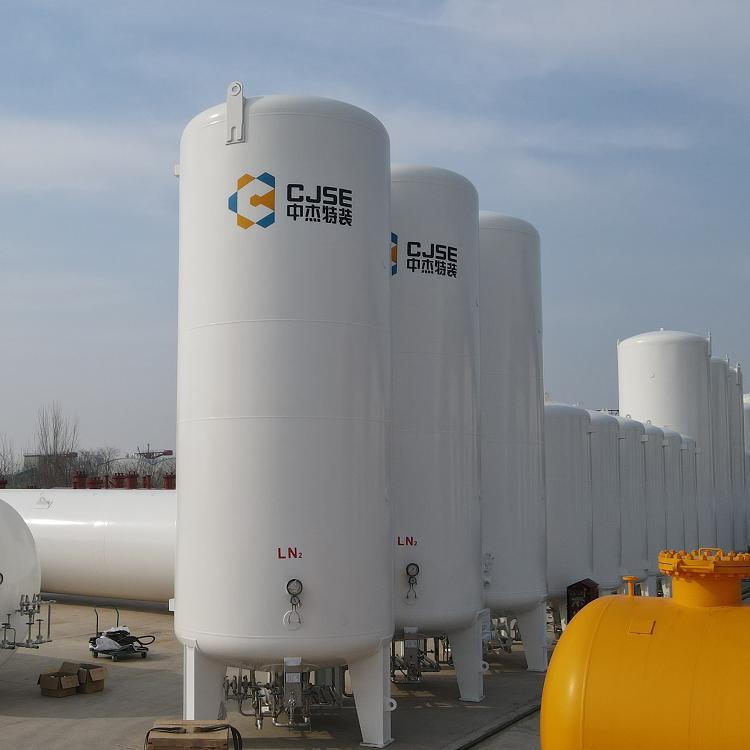
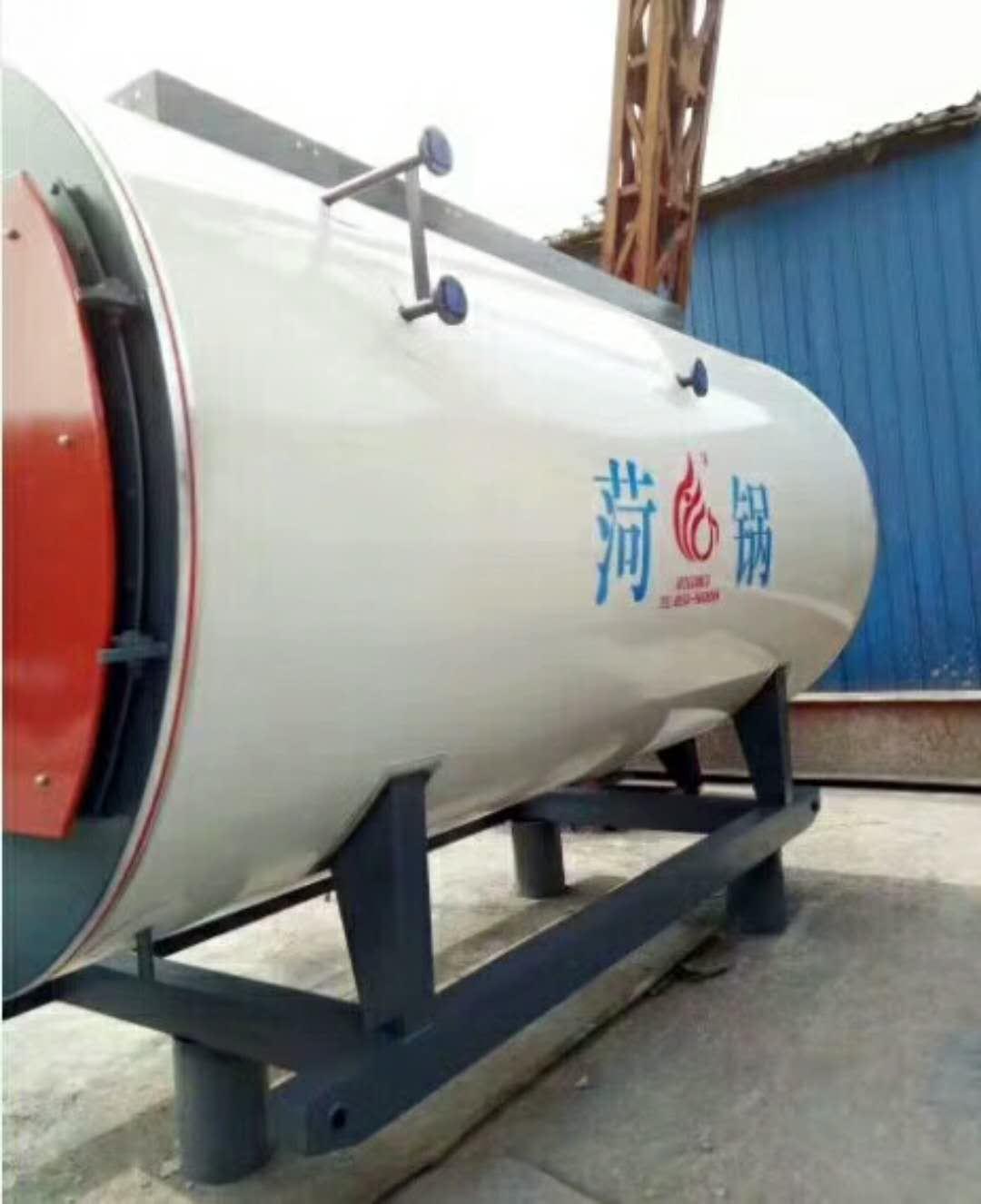


















Shandong Zhongjie Special Equipment specializes in products such as fuel (gas) boilers, organic heat carrier boilers, biomass boilers, waste heat recovery boilers, and other boiler products; vacuum insulated cryogenic pressure vessels including LNG storage tanks, oxygen/nitrogen/argon storage tanks, and CO2 storage tanks; pressure vessel products like denitrification engineering equipment, heat storage and energy storage equipment, and complete chemical equipment sets; as well as central air conditioning and HVAC equipment such as ground (water) source heat pumps, air source units, water-cooled screw chillers, and air-cooled modular units. Planned products include large-scale thermal energy centers, LNG transport vehicles, and LNG tank containers, among other green energy equipment.
The testing and maintenance of liquid oxygen storage tanks are crucial for ensuring safe operation and extending their lifespan. Below is a general outline of the testing and maintenance procedures for liquid oxygen storage tanks:
- Visual Inspection: Regularly inspect the liquid oxygen storage tank externally for corrosion, wear, cracks, and other issues. Address any abnormalities promptly by repairing or replacing as necessary.
- Internal Cleaning: Regularly clean the interior of the liquid oxygen storage tank to remove accumulated debris and dirt. Use appropriate cleaning agents and tools to avoid damaging the tank.
- Level Measurement: Conduct regular level measurements to ensure the liquid oxygen level within the tank remains within a safe range. Use level gauges or other measuring equipment, and record the results.
- Pressure Testing: Regularly perform pressure tests to verify the tank's pressure-bearing capacity. Monitor pressure and time control during testing to ensure safety and accuracy.
- Leak Detection: Regularly check for leaks to ensure the tank's sealing integrity. Utilize leak detection instruments such as gas detectors or foam leak detectors.
- Valve and Pipe Inspection: Regularly inspect the valves and pipe connections on the liquid oxygen storage tank to ensure proper sealing and no leakage. Address any issues by repairing or replacing promptly.
- Maintenance Records: Document the testing and maintenance activities for the liquid oxygen storage tank, including dates, inspection items, and results. Records help track maintenance history and issue resolution.
- Scheduled Maintenance: Develop a regular maintenance schedule based on the tank's usage and requirements. Maintenance tasks include lubrication, bolt tightening, and seal replacement to ensure smooth operation.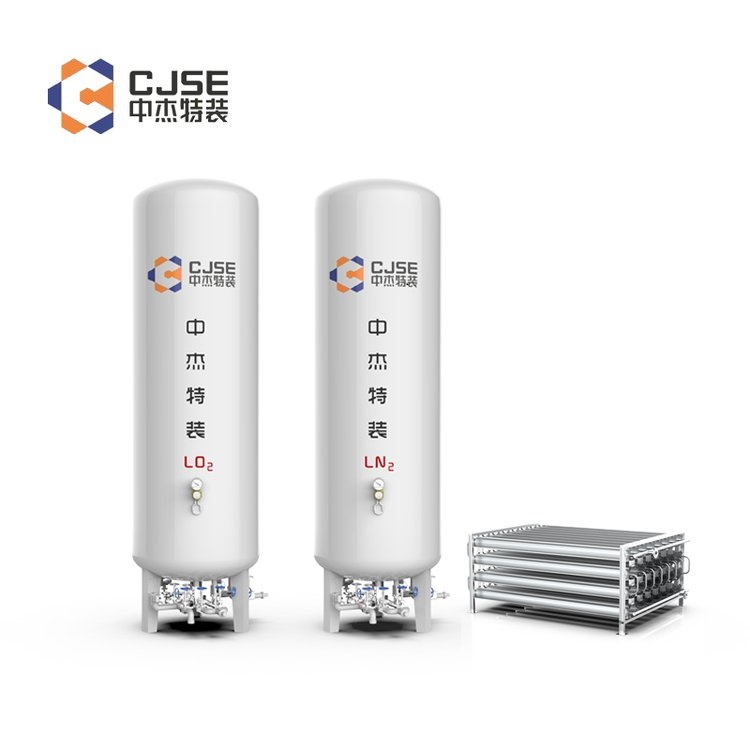
In accordance with China's "Regulations for the Safe Supervision of Pressure Vessel Technologies," carbon dioxide storage tanks are classified as Category II pressure vessels. The regulations categorize pressure vessels as follows:
- Category I pressure vessels: Those with working pressures of 10 MPa (megapascals) or more, such as steam boilers and pressure vessels.
- Category II pressure vessels: Those with working pressures between 0.1 MPa and 10 MPa, including air compressors and liquefied gas storage tanks.
- Category III pressure vessels: Those with working pressures between 0.05 MPa and 0.1 MPa, such as storage tanks.
- Category IV pressure vessels: Those with working pressures less than 0.05 MPa, such as gas cylinders.
Based on this classification, carbon dioxide storage tanks typically have working pressures above 0.1 MPa, thus falling under Category II pressure vessels. It is important to note that specific classification criteria may vary depending on different regional regulations and standards. When using and managing carbon dioxide storage tanks, it is necessary to comply with the corresponding regulatory and standard requirements.
Carbon dioxide storage tanks possess the following characteristics:
- High-pressure Vessel: Carbon dioxide storage tanks are typically designed as high-pressure vessels, capable of withstanding significant pressure. This is because carbon dioxide requires high pressure at room temperature to maintain its liquid state.
- High Oxidizing Properties: Carbon dioxide is highly oxidizing and can support combustion. Therefore, when handling and storing carbon dioxide, precautions must be taken to prevent contact to avoid the risk of fire and explosion.
- Low-Temperature Storage: Carbon dioxide is a gas at room temperature but can be compressed into a liquid at lower temperatures. Consequently, carbon dioxide storage tanks usually require good insulation to maintain the低温 state of the stored liquid carbon dioxide.
- High Density: Liquid carbon dioxide has a high density, allowing for the storage of large amounts of carbon dioxide in a relatively small volume. This makes carbon dioxide storage tanks useful in scenarios requiring substantial CO2 supplies.
- Safety Valves and Pressure Control: To ensure the internal pressure of the tank remains within a safe range, carbon dioxide storage tanks are commonly equipped with safety valves and pressure control devices. These devices monitor and control the tank's internal pressure to prevent overpressure that could cause the tank to burst.
- Corrosiveness: Carbon dioxide has some degree of corrosiveness, particularly in high humidity environments. Thus, the materials and corrosion prevention measures for the tank must consider the corrosive nature of carbon dioxide to ensure the tank's durability and safety.
These characteristics make carbon dioxide storage tanks widely applicable in various industries, such as food and beverage, manufacturing, fire suppression, and gas industries. When using carbon dioxide storage tanks, it is essential to follow relevant safety operating procedures and standards to ensure operational safety.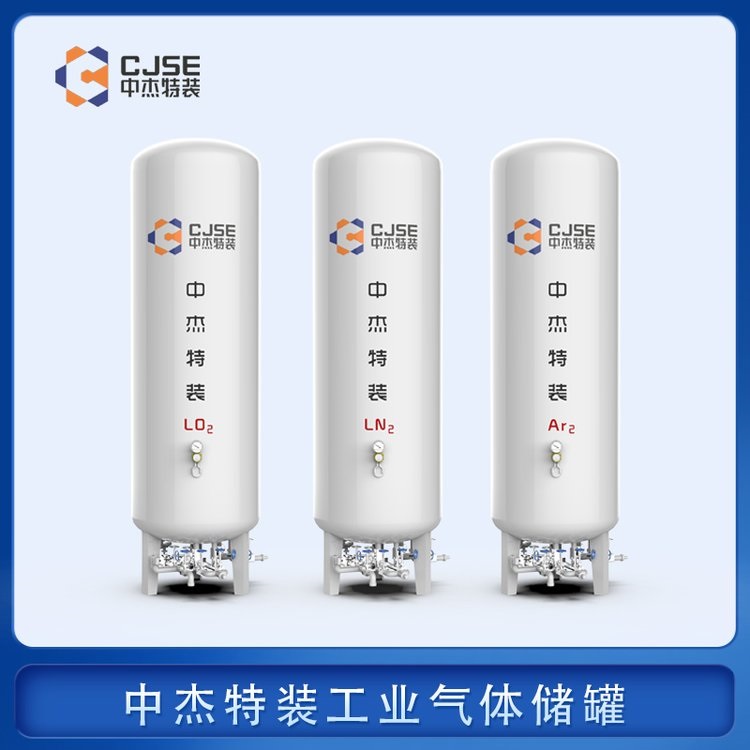
When using carbon dioxide storage tanks, the following points should be noted:
- Safe Operation: When using carbon dioxide storage tanks, it is mandatory to adhere to relevant safety operation procedures and standards. Operators should receive training to understand the tank's characteristics, operational requirements, and safety measures, and operate strictly according to the procedures.
- Tank Inspection: Regularly inspect the tank's appearance, sealing, valves, and pipeline connections to ensure the tank's integrity and safety. In case of abnormalities or damage, repairs or replacements should be carried out promptly.
- Tank Pressure Control: The tank's pressure should be controlled within a safe range. Regularly check and calibrate pressure sensors and safety valves to ensure the normal operation of the pressure control system.
- Temperature Control: Carbon dioxide tanks typically need to be kept at low temperatures. Ensure the proper operation of cooling equipment, regularly check and calibrate temperature sensors to maintain appropriate storage temperatures.
- Leak Protection: Carbon dioxide is a gas that is prone to leakage, which can lead to safety risks and environmental pollution. Ensure the tank and pipeline sealing, regularly check and replace seals, and promptly address leak situations.
- Fire and Explosion Prevention: Avoid open flame work near the tank to prevent fire sources from contacting carbon dioxide. Maintain good ventilation around the tank to prevent the accumulation of carbon dioxide.
- Waste Disposal: Discarded carbon dioxide storage tanks or residues should be disposed of in accordance with relevant regulations and standards. Follow environmental protection requirements to ensure the safe disposal of waste and environmental protection.
- Regular Maintenance: Regularly perform maintenance and inspections on the tank, including cleaning and painting.
Our company highly values technological innovation and R&D, boasting one municipal enterprise technology center in Heze City. We have established testing facilities for non-destructive testing, physical and chemical tests, welding tests, hydrostatic tests, and more. Equipped with over 600 instruments and equipment including CNC machine tools, X-ray flaw detectors, digital ultrasonic flaw detectors, mechanical property testing machines, chemical analyzers, spectrometers, tensile testing machines, plasma welding machines, and others. The key products developed, such as thermal pressure vessel welding, biomass boiler emission reduction, and waste heat recovery, have successively been selected for multiple Shandong Province Industrial and Information Technology Department science and technology projects, key projects of Shandong Province, and innovative projects of Heze City. We have累计 obtained 27 authorized utility models, 16 authorized inventions, participated in drafting 2 standards, 2 industrial standards, and registered 15 trademarks. The technical team, in collaboration with Professor Yajiang Li of Shandong University, has developed deep cryogenic vessel processing technology using the internationally recognized plasma arc+filling wire argon arc welding (PAW-GTAW) technique. The provincial technological achievement assessment has recognized this technology as reaching an international level in the field of deep cryogenic vessel manufacturing. Choose Zhongjietech, and let's create brilliance together!
WeChat Official Account

Scan to follow Official Account



















