


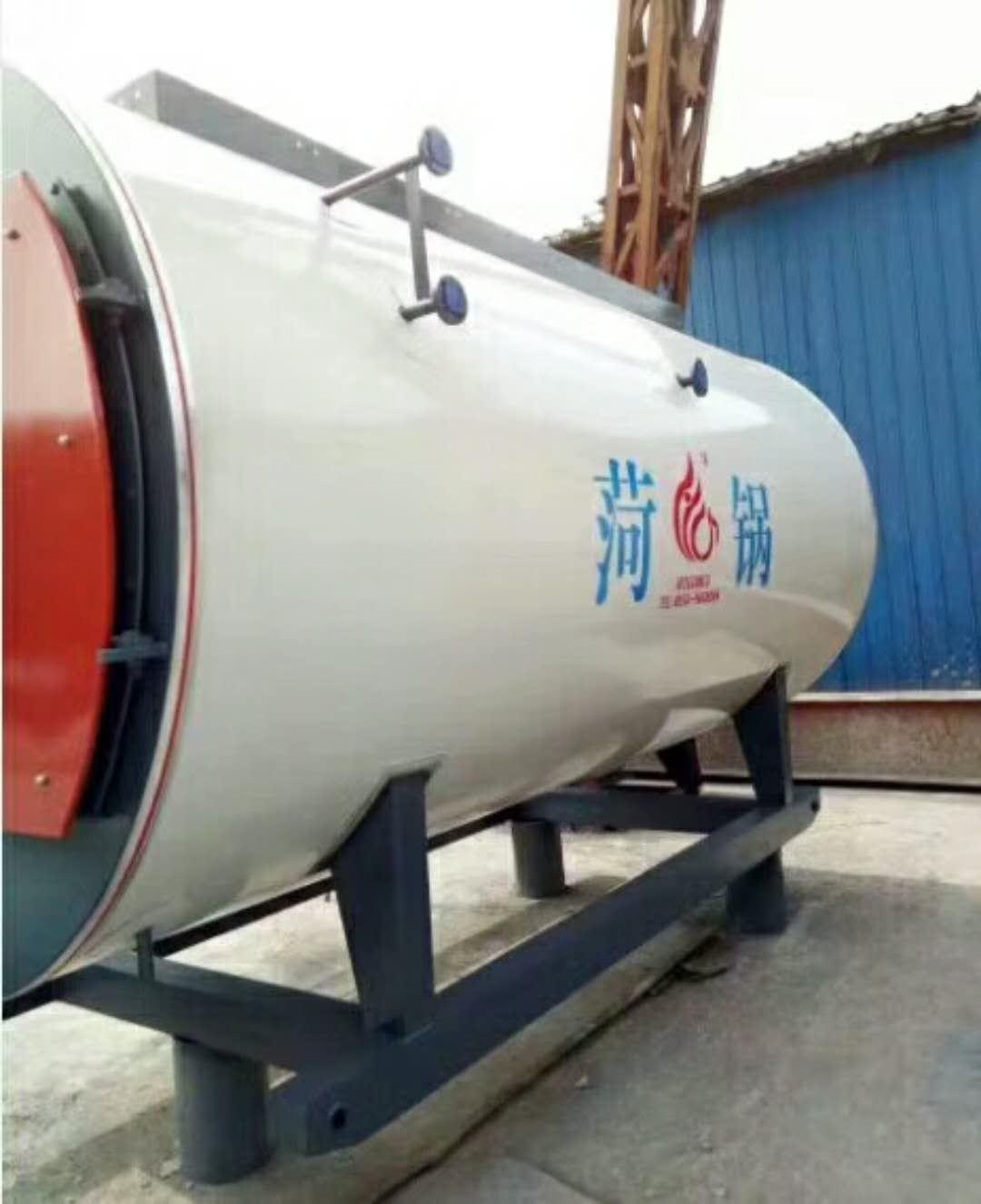


















Shandong Zhongjie Special Equipment Co., Ltd. specializes in the following products: fuel (gas) boilers, organic heat carrier boilers, biomass boilers, waste heat recovery boilers, and other boiler products; vacuum insulation cryogenic pressure vessels such as LNG storage tanks, oxygen/nitrogen/argon storage tanks, and CO2 storage tanks; pressure vessel products including denitrification engineering equipment, heat storage and energy storage equipment, and complete chemical equipment; central air conditioning and ventilation equipment such as ground (water) source heat pumps, air source units, water-cooled screw units, and air-cooled modular units. Planned products include large-scale energy centers, LNG transport vehicles, LNG tank containers, and other green energy equipment.
Additionally, the use of liquid carbon dioxide tanks must adhere to specific industry standards and regulations based on the particular industry and application scenario. For instance, when using liquid carbon dioxide tanks in the food and beverage industry, compliance with food safety and hygiene standards is required. It's important to note that different regions may have varying standards and regulations for the use of liquid carbon dioxide tanks. Therefore, operations and usage should be conducted in accordance with local laws and standards.
When conducting routine inspections of carbon dioxide storage tanks, follow these steps:
- Visual Inspection: Check for any obvious damage, corrosion, or oil leakage on the tank's exterior. Pay attention to any anomalies in the tank shell, valves, and pipe connections.
- Valve and Pipe Inspection: Verify that the tank's inlet and outlet valves and pipe connections are functioning properly, with no leaks or loose fittings. Ensure that the valves operate smoothly and reliably.
- Pressure Relief Device Inspection: Check that the tank's pressure relief devices (such as safety valves) are functioning correctly. Confirm that the set pressure of the relief devices meets requirements.
- Level Measurement System Inspection: Assess the accuracy and reliability of the level measurement system. Calibrate the level sensors to ensure accurate level measurements.
- Pressure and Temperature Inspection: Check that the tank's pressure and temperature sensors are working properly. Verify the accuracy of pressure and temperature measurements.
- Safety Equipment Inspection: Examine the tank's safety equipment, such as safety valves, pressure sensors, and temperature sensors, to ensure they are functioning correctly. Confirm that their set parameters meet requirements.
- Fire Protection Equipment Inspection: Ensure that fire protection equipment around the tank is in good condition and check that fire extinguishers, sprinkler systems, etc., are functioning properly.
- Liquid and Gas Quality Inspection: Confirm that the quality of the liquid and gas carbon dioxide in the tank meets specifications, with no impurities or contaminants.
- Documentation and Reporting: Record the date of inspection, contents of the inspection, any issues found, and measures taken. Submit inspection reports to relevant departments or management as needed.
- The above are general steps for routine inspections of carbon dioxide storage tanks. Specific operations should be tailored to the tank's characteristics and requirements. When conducting inspections, follow relevant safety operating procedures and have trained personnel perform the operations.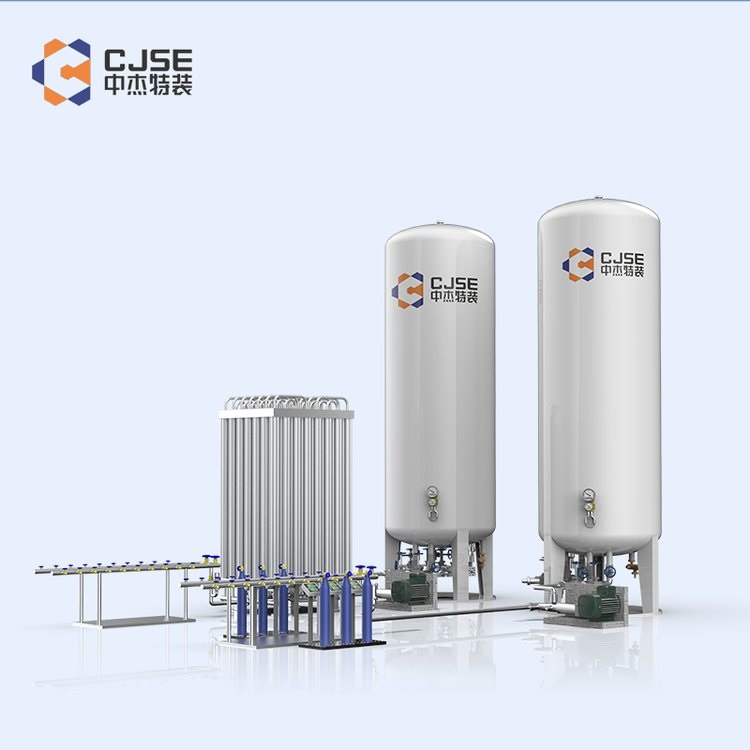
The safe operation of low-temperature carbon dioxide storage tanks is crucial and primarily involves the following aspects: Design and Manufacturing: The tank's design and construction must comply with relevant standards and regulations, ensuring they can withstand working conditions under low temperatures and high pressures. The tank should have adequate strength and sealing performance to prevent leaks and ruptures. Safety Valves and Pressure Control: The tank should be equipped with safety valves and pressure control devices to ensure internal pressure remains within safe limits. Safety valves should be inspected and tested regularly to ensure proper functioning. Temperature Control: Effective temperature control is necessary for low-temperature carbon dioxide storage tanks to prevent freezing or embrittlement due to excessively low temperatures. Appropriate insulation materials and equipment should be used to maintain the tank and pipeline temperatures within safe ranges. Leak Detection and Alarm: The tank should be fitted with leak detection devices and alarm systems, along with corresponding monitoring equipment. These devices can detect leaks promptly and trigger alarms to take appropriate actions. Safe Operation and Training: Operators should receive relevant training to understand the safe operation procedures and standards for low-temperature carbon dioxide storage tanks. Operators should be familiar with the tank's characteristics, operating principles, and emergency response measures. Regular Inspection and Maintenance: Tanks should be regularly inspected and maintained, including visual inspections, anti-corrosion coating maintenance, and leak detection. Regular inspections can help identify potential issues early and implement necessary repair measures. Emergency Preparedness: Establish an emergency response plan and equip with appropriate firefighting and first aid equipment. Operators should be familiar with emergency procedures and be able to respond quickly to emergencies. Please note that the above points are general recommendations. Specific safe operating procedures should be based on the design and usage requirements of the low-temperature carbon dioxide storage tanks. It is recommended to refer to relevant safety operation manuals and guidelines before using the tank to ensure safety.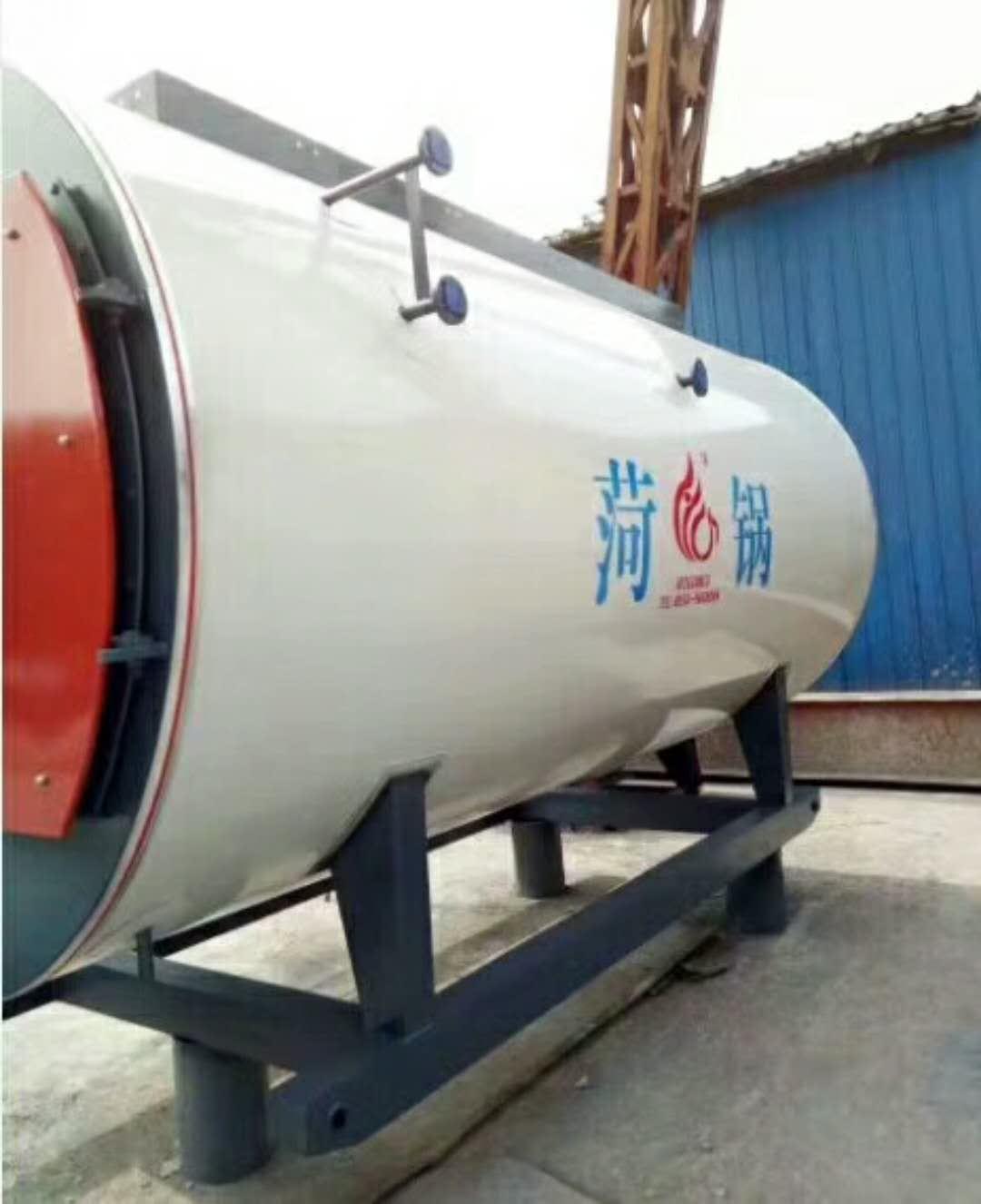
Key features of carbon dioxide storage tanks mainly include the following aspects: High Storage Density: Carbon dioxide storage tanks can compress carbon dioxide gas into a liquid state, significantly increasing the storage density. Compared to storing it in a gaseous state, liquid carbon dioxide can store more carbon dioxide in relatively smaller tanks, saving space and costs. Stable Storage and Supply: Carbon dioxide storage tanks ensure stable storage and supply of the gas. Through tank design and control systems, precise measurement and supply of carbon dioxide can be achieved, meeting various industrial and application needs. Environmental and Renewable: Carbon dioxide is an environmentally friendly gas, and its increased concentration in the atmosphere can lead to warming and climate change. By storing and utilizing carbon dioxide, the amount emitted into the atmosphere can be reduced, promoting environmental protection and sustainable development. Safe and Reliable: During design and manufacturing, carbon dioxide storage tanks typically use high-strength materials (such as carbon steel or stainless steel) with excellent pressure resistance and safety. The tanks are usually equipped with safety valves, pressure gauges, level indicators, and other accessories to ensure safe operation. Moreover, carbon dioxide is a non-flammable and non-explosive gas, making it relatively safe. Various Application Fields: Carbon dioxide storage tanks are widely used in multiple industries, including food and beverage, industrial, fire suppression, and gas supply. Carbon dioxide can be used as a preservative, effervescent agent in beverages, a gas, and an extinguishing agent, among other applications, with a broad range of uses and market demand. In summary, the key features of carbon dioxide storage tanks include high storage density, stable storage and supply, environmental friendliness, safety, and a wide range of applications. This makes them an essential
ZJ Special Equipment adheres to the great vision of "realizing employees' dreams, creating customer value, and striving for the prosperity and strength of our motherland," and is dedicated to the development of the green energy equipment industry. We commit to society with high-quality and cost-effective products and services!
WeChat Official Account

Scan to follow Official Account



















