


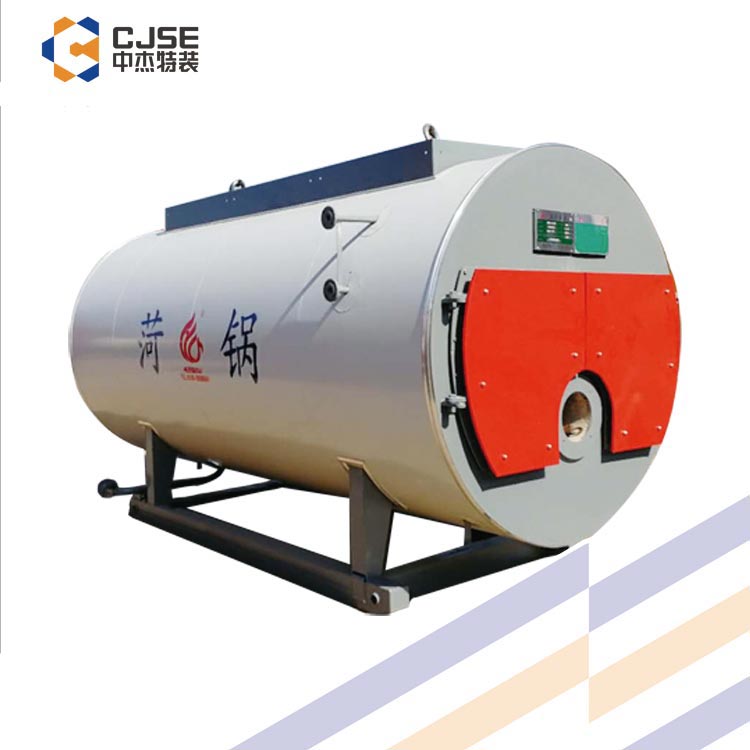


















Shandong Zhongjie Special Equipment (formerly Heze Boiler Factory Co., Ltd.) holds an A-grade boiler manufacturing license, A2-grade pressure vessel manufacturing license, A2-grade pressure vessel design license, B-grade boiler installation, and GB2/Class, GC2/Class pressure pipeline installation licenses, as well as an electromechanical installation contracting license. It is a member of the China Boiler and Water Treatment Association, the China Chemical Equipment Association, and a director unit of the Shandong Equipment Manufacturing Association. The company has also passed the ISO9001 Quality Management System, ISO14001 Environmental Management System, OHSAS18001 Occupational Health and Safety Management System certifications, and the U.S. ASME/U2 certification.
The inspection contents and requirements for gas-fired boilers typically include the following aspects:
- Safety valve and pressure gauge: Check the installation and fixation of the safety valve and pressure gauge to ensure proper operation and accurate pressure display.
- Combustion system: Inspect the operating status of the burner, including ignition, combustion, and combustion stability. Check the connection of the gas supply pipeline and valves to ensure no leaks.
- Flue and heat exchanger: Examine the cleanliness of the flue and heat exchanger, including accumulated dust and dirt, to ensure heat exchange efficiency and smoke emissions meet requirements.
- Water level control system: Check the operating status of the water level controller and gauge to ensure accurate and reliable water level control, preventing excessive or insufficient water levels.
- Gas supply system: Inspect the installation and connection of the gas supply pipeline and valves to ensure normal gas supply and no leaks.
- Electrical system: Check the wiring and connection of the electrical system, including power supply, controllers, and sensors, to ensure normal operation of electrical equipment and avoid electrical failures.
- Safety devices: Inspect the operating status of safety devices, including safety valves, pressure switches, and temperature controllers, to ensure proper operation and ensure safe boiler operation.
- Records and documents: Review the boiler's operating records, maintenance records, and inspection reports, ensuring complete and accurate documentation.
The inspection of gas-fired boilers should be conducted by an institution or personnel with the relevant qualifications, following relevant laws, regulations, and standards. The frequency and specific requirements for inspections can be determined based on the boiler's usage and local regulations. Timely inspections and maintenance ensure safe and efficient operation of gas-fired boilers.
The flow rate standard for the heat-conducting oil in the oil pipes of a thermal oil furnace typically varies based on specific application and equipment requirements, with no unified fixed value. Generally speaking, the flow rate of the heat-conducting oil within the pipes should be maintained within a reasonable range to ensure the normal operation of the equipment and the effectiveness of heat transfer. Excessive flow rates of the heat-conducting oil may lead to the following issues: increased system pressure loss, higher energy consumption by the pump. Increased friction loss in the pipes, leading to energy loss. Increased system noise and vibration. Low flow rates of the heat-conducting oil may result in the following problems: insufficient heat transfer, affecting the thermal efficiency of the equipment. Extended residence time of the heat-conducting oil in the pipes, which can easily lead to oxidation and thermal decomposition, impacting the lifespan of the oil. Formation of carbon deposits in the pipes, increasing resistance and affecting fluid flow. Therefore, when designing and operating a thermal oil furnace system, it is necessary to consider specific equipment parameters, the properties of the heat-conducting oil, and pipeline layout, among other factors, to determine an appropriate flow rate. Typically, the flow rate should be within the range of 0.5-2.0 m/s, but the specific figures should be adjusted and optimized based on actual conditions. In practice, the flow rate of the heat-conducting oil can be controlled by monitoring and adjusting the pump flow and pipeline resistance to meet the equipment's heat energy needs and operational requirements.
During the production welding of thermal oil boilers, the following points should be noted:
- Welder Qualification: Ensure that the welders involved in the welding work have appropriate qualifications and experience, and are familiar with welding techniques and procedures.
- Welding Material Selection: Choose welding materials suitable for thermal oil boilers, ensuring their compatibility with thermal oil and high-temperature resistance.
- Welding Process Control: Select the appropriate welding process based on the material and design requirements of the thermal oil boiler, such as manual arc welding, gas shielded welding, etc. Control welding parameters like current, voltage, and welding speed to ensure the quality and strength of the weld.
- Welding Area Protection: During the welding process, the welding area must be protected to prevent contamination from thermal oil and welding materials. Use welding screens, welding shields, and other equipment to ensure the cleanliness and safety of the welding area.
- Post-Welding Treatment: After welding, the weld should be post-treated, such as slag removal, grinding, and cleaning, to ensure the flatness and surface quality of the weld.
- Welding Quality Inspection: Conduct welding quality inspections, including visual inspection of the weld, dimension measurements, and non-destructive testing, to ensure the welding quality meets requirements.
- Safety Measures: Pay attention to safety measures during the welding process, such as wearing protective eyewear, gloves, fire-resistant clothing, etc., to ensure the safety of welding operations.
- It is important to follow relevant standards and specifications during the welding process to ensure welding quality and safety. If unsure about how to proceed with welding or if there are safety hazards, seek the advice of a welding engineer or consult relevant agencies.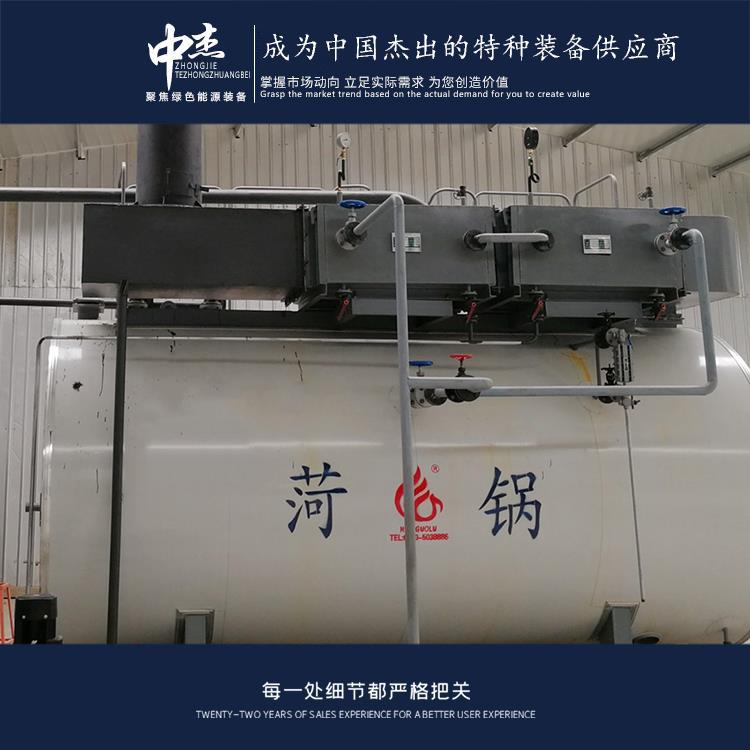
High exhaust gas temperature in thermal oil boilers may be due to several reasons:
- Incomplete combustion: If the fuel in the thermal oil boiler combustion process is not burned completely, it leads to a large amount of unburned fuel and harmful substances in the flue gas, causing the exhaust gas temperature to rise. Possible causes include insufficient fuel supply, improper adjustment of the burner, and burner wear.
- Excessive air: Excessive air can lower the combustion temperature, making the heat in the flue gas insufficient to reduce the flue gas temperature to a reasonable range. Reasons for excessive air may include improper adjustment of the burner and excessively open air doors.
- Flue blockage: Accumulation of ash, coking, or other impurities in the flue can obstruct the flow of flue gas, increasing the residence time of the flue gas, thus raising the exhaust gas temperature.
- Abnormal thermal oil flow: Abnormal thermal oil flow, such as being too high or too low, can lead to uneven heat transfer, causing the flue gas temperature to rise.
- Overheating of the boiler: If the temperature control of the thermal oil boiler is not properly managed, resulting in overheating, it will raise the flue gas temperature.
- Design issues of the boiler: Design problems of the boiler, such as a small flue or poor flue gas flow, may also lead to high exhaust gas temperature.
To resolve the issue of high exhaust gas temperature, a comprehensive inspection and analysis of the thermal oil boiler is required. Solutions may include adjusting burner parameters, cleaning the flue, checking thermal oil flow and temperature control, etc. In severe cases, modifications or repairs to the boiler system may be necessary. Additionally, regular maintenance and inspections are important preventive measures against high exhaust gas temperature.
Zhongjie Special Equipment upholds the grand vision of "realizing employees' dreams, creating customer value, and striving for the prosperity and strength of our motherland," and is dedicated to the development of the green energy equipment industry. We offer society high-quality and cost-effective products and services!
WeChat Official Account

Scan to follow Official Account



















