


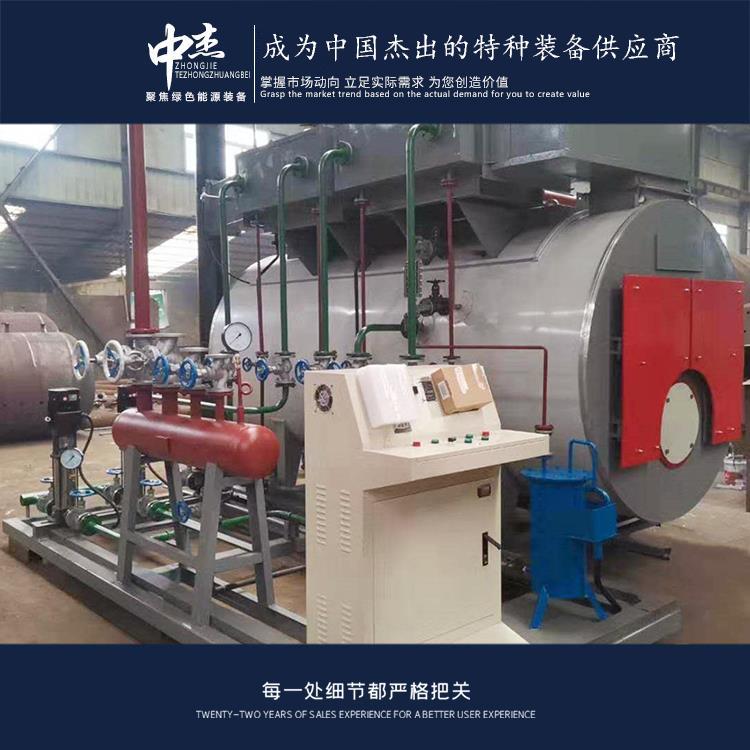

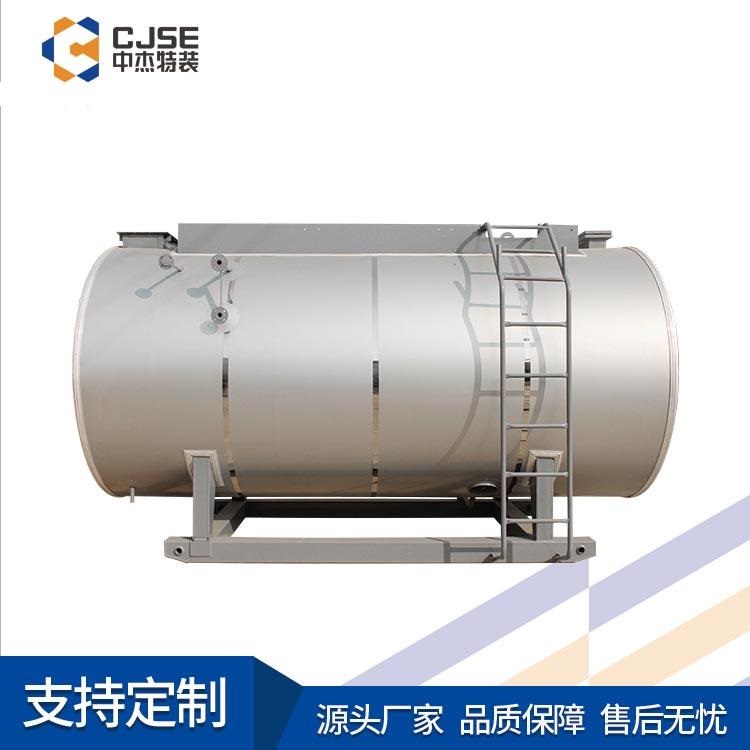
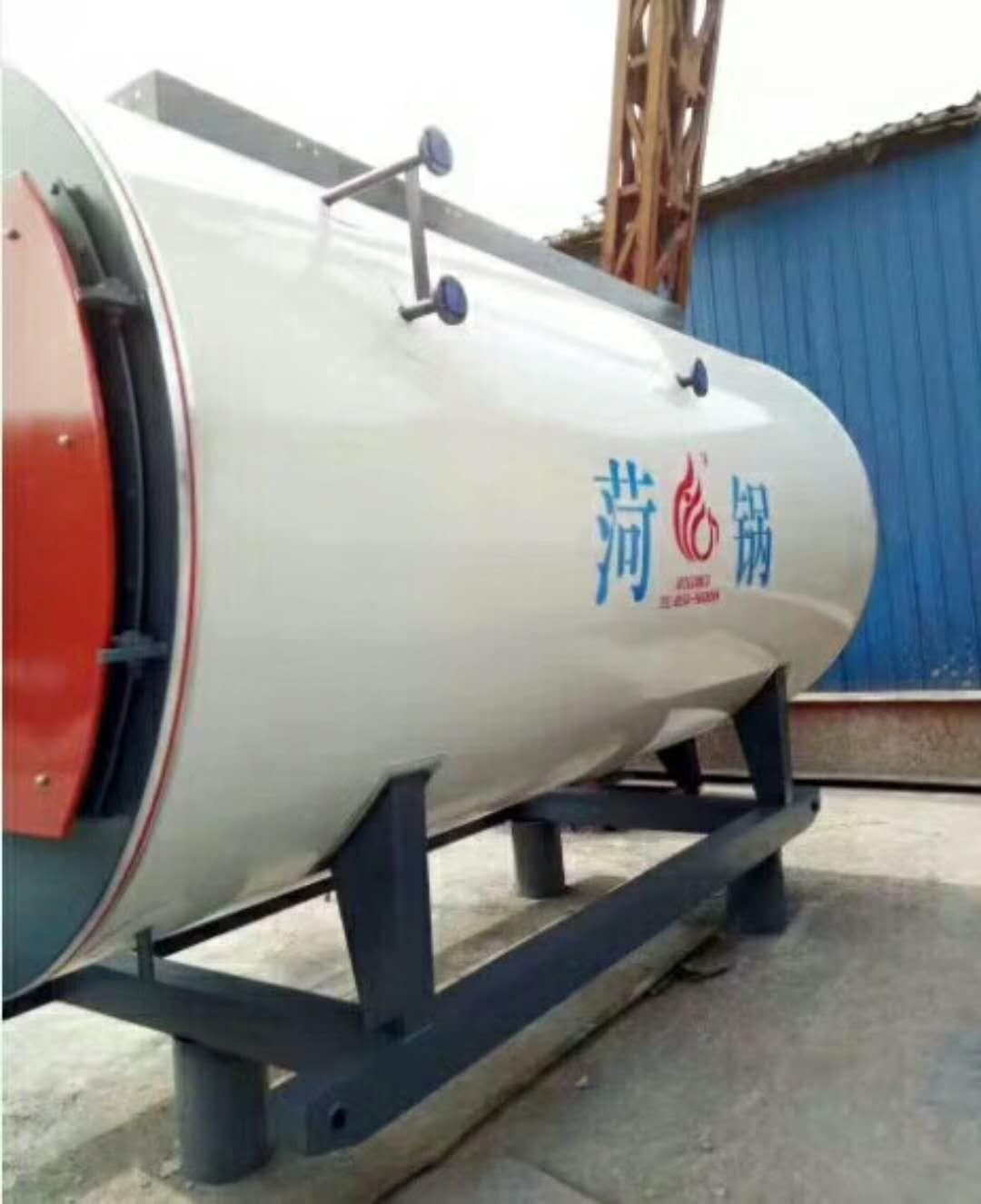


















Shandong Zhongjie Special Equipment Co., Ltd. (formerly Heze Boiler Factory Co., Ltd.) was established in 2001, located at No. 2218 Jinnan Road, Economic and Technological Development Zone, Heze City. With a registered capital of 50 million yuan and total assets of 500 million yuan, the company has 7 business centers: boilers, deep-freezing containers, pressure vessels, central air conditioning, engineering installation, international trade, and Internet of Things. It has three factory sites on Jinnan Road, East Changjiang Road, and Bohai Road, covering a total of 200,000 square meters, with the main workshop spanning 83,000 square meters. The company currently employs 710 people, including 247 engineers and technicians, and 82 intermediate-level technicians. In December 2016, it was recognized as a "High-tech Enterprise" by the Science and Technology Department. In June 2021, it was identified as a "Specialized and New Enterprise in Shandong Province" by the Industry and Information Technology Department. In June 2022, it was recognized as a "Gazelle Enterprise in Shandong Province" and in August 2022, as a "Specialized and New Small Giant Enterprise" by the Ministry of Industry and Information Technology.
Industrial boiler thermal deaeration is a commonly used deaeration method, featuring:
- Deaeration: Thermal deaeration involves heating the boiler feed water to release dissolved oxygen from the water using heat. As the water temperature rises during the thermal deaeration process, the solubility of oxygen decreases, allowing for effective removal of oxygen from the water.
- No Chemicals Required: Unlike other deaeration methods, thermal deaeration does not require chemicals, thus avoiding environmental pollution and equipment corrosion caused by chemicals. It also reduces operational costs and complexity.
- Automated Control: Thermal deaeration can be achieved through an automated control system, which adjusts the feed water temperature and flow rate based on the boiler's operating status and water quality to achieve optimal deaeration results.
- Wide Application Range: Thermal deaeration is suitable for various types of industrial boilers, including coal-fired, gas-fired, and oil-fired boilers. Whether it's a small or large boiler, thermal deaeration can be used for deaeration treatment.
- Boosts Boiler Efficiency: Removing dissolved oxygen from the water can reduce corrosion and oxidation reactions within the boiler, extending its service life. Additionally, reducing oxygen levels can improve the boiler's thermal efficiency and reduce energy consumption.
- Note: While thermal deaeration effectively removes oxygen from the water, it may not address other water quality issues such as hardness and alkalinity. Therefore, in practical applications, it is necessary to consider the characteristics of the water quality and the requirements of the boiler to select an appropriate deaeration method.
In industrial boiler systems, the key functional parameters of water pumps include the following aspects:
- Flow Rate: The flow rate of a water pump refers to the volume of liquid pumped per unit of time. In industrial boilers, water pumps must provide sufficient flow to meet the boiler's water requirements. The size of the flow rate depends on the boiler's rated evaporation capacity and the design requirements of the circulating water system.
- Head: The head of a water pump is its ability to overcome fluid resistance and lift the liquid to a certain height. In industrial boilers, water pumps must have adequate head to ensure smooth flow to all parts of the boiler, including the feedwater and circulating water systems.
- Power: The power of a water pump is the electrical or mechanical energy required to drive the pump. In industrial boilers, the power of the pump must be determined based on flow rate and head to meet the system's needs.
- Efficiency: The efficiency of a water pump is the ratio of input energy to output fluid energy. High-efficiency pumps can reduce energy consumption and operating costs. In industrial boilers, selecting high-efficiency pumps can improve the system's energy efficiency performance.
- Operating Stability and Reliability: Water pumps in industrial boiler systems must have good operating stability and reliability. Pumps should be able to run stably for long periods without being affected by external interference or fluctuations and should be adaptable to different operating conditions.
- It is necessary to select the appropriate water pump based on the specific industrial boiler system and design requirements, ensuring that the functional parameters meet the system's needs. At the same time, the selection and operation of the pump must comply with relevant standards and specifications to ensure safe and reliable operation.
Regular inspections of industrial boilers are crucial for ensuring safe operation, improving efficiency, and extending their lifespan. Here are the importance of regular inspections for industrial boilers:
Safety Assurance: Industrial boilers are high-temperature, high-pressure equipment. Without regular inspections, there may be safety hazards. Regular inspections can identify and eliminate potential issues within the boiler, such as combustion system failures, water level control malfunctions, and safety valve failures, ensuring the safe operation of the boiler.
Efficiency Enhancement: Regular inspections can detect dirt and deposits inside the boiler, maintaining the cleanliness and thermal conductivity efficiency of heat exchangers, and improving the boiler's thermal and energy utilization efficiency. This helps reduce energy consumption and operating costs.
Extended Lifespan: Regular inspections can promptly identify and address corrosion, wear, and fatigue issues within the boiler, preventing further damage and faults, and extending the boiler's lifespan. Regular maintenance can also prevent and reduce boiler damage and faults.
Legal and Regulatory Requirements: Many regions have established laws and regulations and standards for boiler safety management, requiring regular inspections and maintenance of industrial boilers. Regular inspections are a critical aspect of fulfilling legal and regulatory requirements.
Insurance Requirements: Some insurance companies have specified insurance requirements for industrial boilers, mandating regular inspections and maintenance. Regular inspections can meet insurance company requirements and protect the insurance rights of enterprises.
In summary, regular inspections of industrial boilers are important for ensuring safety, improving efficiency, extending lifespan, complying with laws and regulations, and meeting insurance requirements. Regular inspections should be conducted by qualified institutions or individuals, following relevant laws, regulations, and standards. Timely regular inspections and maintenance can ensure the safe operation of industrial boilers.
During the production welding of thermal oil boilers, the following points should be noted:
Welder Qualifications: Ensure that the welders involved in the welding work have appropriate qualifications and experience, and are familiar with welding techniques and procedures.
Welding Material Selection: Choose welding materials suitable for thermal oil boilers, ensuring compatibility with the thermal oil and high-temperature resistance.
Welding Process Control: Select the appropriate welding process based on the material and design requirements of the thermal oil boiler, such as manual arc welding, gas shielded welding, etc. Control welding parameters like current, voltage, and welding speed to ensure the quality and strength of the weld.
Welding Area Protection: During the welding process, the welding area must be protected to prevent contamination from the thermal oil and welding materials. Use welding barriers, welding shields, and other equipment to ensure the cleanliness and safety of the welding area.
Post-Welding Treatment: After welding, the weld should be post-treated, such as slag removal, grinding, and cleaning, to ensure the flatness and surface quality of the weld.
Welding Quality Inspection: Conduct welding quality inspections, including visual inspection of the weld, dimension measurement, and non-destructive testing, to ensure the welding quality meets requirements.
Safety Measures: Pay attention to safety measures during the welding process, such as wearing protective eyewear, gloves, and fire-resistant clothing, to ensure the safety of the welding operation.
It is important to follow relevant standards and specifications during the welding process to ensure the quality and safety of the welding. If unsure about the welding process or if there are safety hazards, seek advice from a welding engineer or consult relevant agencies.
Shandong Zhongjie Special Equipment, welcome customers to our factory for cooperation discussions.
WeChat Official Account

Scan to follow Official Account



















