


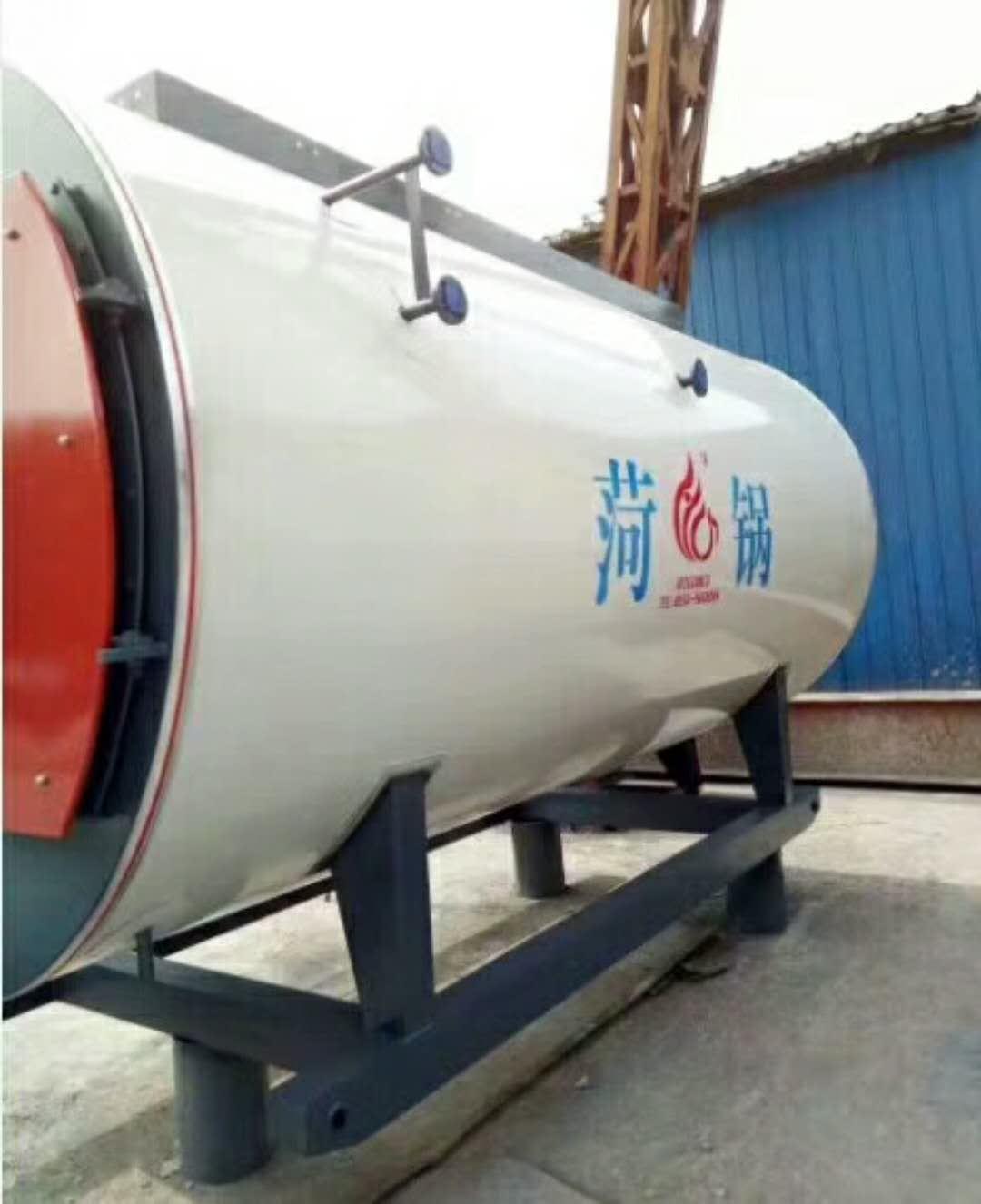


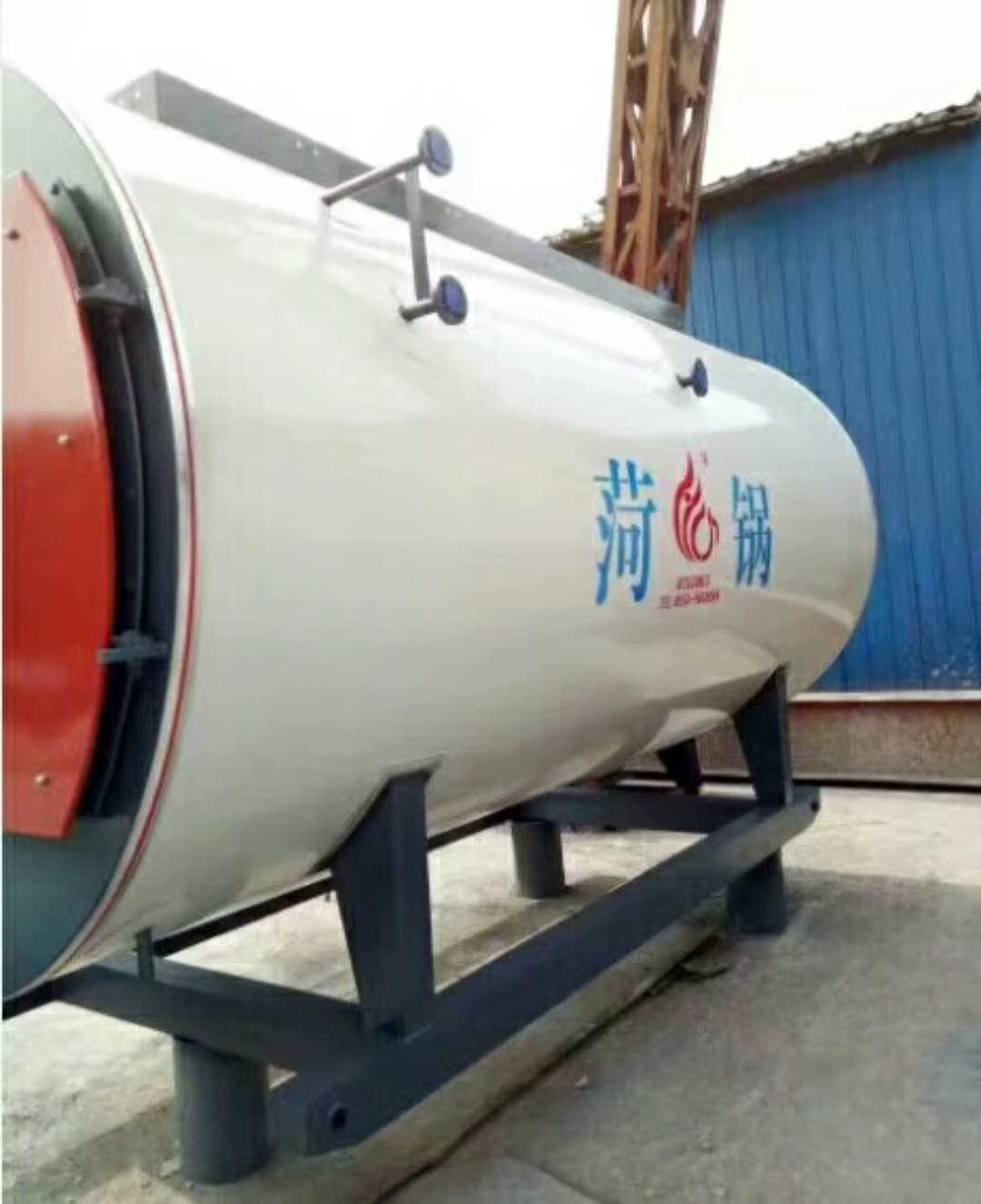


















Shandong Zhongjie Special Equipment Co., Ltd. specializes in the following products: fuel (gas) boilers, organic heat carrier boilers, biomass boilers, waste heat recovery boilers, and other boiler products; vacuum insulation cryogenic pressure vessels such as LNG storage tanks, oxygen/nitrogen/argon storage tanks, and CO2 storage tanks; pressure vessel products including denitrification engineering equipment, heat storage and energy storage equipment, and complete chemical equipment; central air conditioning and ventilation equipment such as ground (water) source heat pumps, air source units, water-cooled screw units, and air-cooled modular units. Planned products include large-scale energy centers, LNG transport vehicles, LNG tank containers, and other green energy equipment.
A gas thermal oil boiler is a device that uses gas as fuel to heat thermal oil through the heat generated by combustion. Here are some basic knowledge points about gas thermal oil boilers:
Working Principle: The working principle of a gas thermal oil boiler involves mixing gas with air, then burning it to produce high-temperature flue gas. This flue gas is then passed through the flue and heat exchanger to exchange heat with the thermal oil, transferring heat energy to the thermal oil and raising its temperature. The thermal oil circulates within the boiler, transferring heat energy to the equipment or process that requires heating.
Thermal Oil: The thermal oil used in gas thermal oil boilers is typically an organic heat carrier, such as mineral oil or synthetic oil. It has high thermal conductivity and stability, allowing it to operate stably at high temperatures and transfer heat energy to the heated equipment.
Gas Combustion System: Gas thermal oil boilers are equipped with a gas combustion system, including burners, gas supply systems, and control systems. The burners are responsible for mixing gas with air and burning it to produce heat. The gas supply system is responsible for providing gas and adjusting the supply quantity as needed. The control system monitors and controls the combustion process to maintain a stable operating state.
Safety Protection Devices: Gas thermal oil boilers are equipped with various safety protection devices to ensure safe operation of the equipment. Common safety protection devices include overheat protection, overpressure protection, and water level protection. They monitor and control the boiler's operating status to prevent equipment damage and safety accidents.
Application Fields: Gas thermal oil boilers are widely used in industrial sectors such as chemical, textile, food processing, and papermaking. They can provide stable high temperatures for various applications.
A condensing steam boiler is an energy-saving boiler equipment with the following working principle and features:
Working Principle:
- Steam Generation: The condensing steam boiler produces high-temperature flue gas by burning gas. The flue gas exchanges heat with the water pipes inside the boiler, heating the water into steam.
- Steam Condensation: After steam is generated, it enters the condenser, where it exchanges heat with the condensing medium (usually cold water or recycled water) to release heat from the steam, condensing it into water.
- Flue Gas Reuse: The flue gas after condensation still contains a certain amount of heat, which can be recovered and reused by the flue gas reuse unit to improve the boiler's thermal efficiency.
Features:
- Energy Saving: The condensing steam boiler utilizes the principle of steam condensation to make full use of the heat in the steam, improving the efficiency of heat utilization and saving energy consumption.
- Low Emission: Due to the recovery of most of the heat during the flue gas condensation process, the flue gas temperature is lower, resulting in a relatively lower emission of pollutants, minimizing environmental impact.
- Compact Structure: The condensing steam boiler usually features a compact design, occupying less space, making it suitable for places with limited space.
- Quick Start-Up: The condensing steam boiler has the characteristics of quick start-up and shutdown, allowing for flexible adjustment and operation according to actual needs.
- Wide Application Range: The condensing steam boiler is suitable for heating and steam requirements in industrial production processes, such as power plants, chemical factories, textile mills, etc.
It is important to note that proper maintenance and care should be taken with the condensing steam boiler during use, including regular cleaning of the condenser and flue gas reuse unit to ensure its normal operation and performance.
When designing a fuel-gas boiler room, the following points should be considered:
- Safety Considerations: Ensure the design of the boiler room complies with relevant safety standards and regulations. Consider fire risks and install appropriate firewalls, fire doors, and fire separation facilities. Ensure the boiler room is well-ventilated, with suitable ventilation equipment and flue systems to expel harmful gases produced by combustion.
- Space and Layout: Plan the space and layout of the boiler room based on the number and size of the boilers. Ensure there is enough space for operation, maintenance, and cleaning. Arrange the boilers, fuel storage equipment, flue systems, and pipeline layouts for ease of operation and maintenance.
- Fuel Supply and Storage: Consider the requirements for fuel supply and storage. Ensure the safety and reliability of fuel supply pipelines and equipment to avoid leaks and contamination. Plan the capacity and location of fuel storage equipment rationally to ensure sufficient fuel supply and compliance with safety requirements.
- Emission and Exhaust Gas Treatment: Consider the emission and treatment of exhaust gases produced by combustion. Install suitable flue systems and exhaust gas treatment equipment to minimize the impact of emissions on the environment. Ensure the design and layout of the flue system are reasonable and can effectively expel smoke and exhaust gases.
- Control and Monitoring Systems: Design appropriate control and monitoring systems to ensure the safety and operation of the boiler. This includes monitoring and control equipment for parameters such as temperature, pressure, and flow, as well as alarm and automatic shutdown devices. Ensure operators can promptly understand the operating status of the boiler and take necessary actions.
Hot water boilers and steam boilers are two common types of boilers, differing in their working principles, application scenarios, and operating parameters: Working Principle: Hot water boilers provide heat energy by heating water, which is then circulated through the heating system. Steam boilers, on the other hand, produce steam by heating water, which is then distributed through the heating system. Operating Temperature and Pressure: Hot water boilers typically operate at temperatures between 60°C and 100°C, with lower pressure. Steam boilers usually operate at temperatures between 100°C and 200°C, with higher pressure, generally between 0.7MPa and 2.5MPa. Heating Methods: Hot water boilers circulate hot water through the heating system using a circulating pump, primarily transferring heat through conduction and convection. Steam boilers distribute steam through steam pipes to the heating system, primarily transferring heat through steam conduction. Application Scenarios: Hot water boilers are suitable for heating, bathing, swimming pool heating, and other situations where hot water is needed in industrial processes. Steam boilers are used in industrial applications requiring steam, such as power plants, chemical factories, and textile mills. Equipment Structure: Hot water boilers are usually simpler and have a smaller structure, occupying less space. Steam boilers are typically more complex, with a larger structure and greater space requirements. It's important to note that hot water and steam boilers may overlap in certain specialized applications, such as industrial processes that require both hot water and steam. Therefore, when selecting a boiler type, it's necessary to consider specific needs and application scenarios.
Our company attaches great importance to technological innovation and R&D design, boasting one municipal-level enterprise technology center in Heze City. We have established test facilities for non-destructive testing, physical and chemical testing, welding testing, hydrostatic testing, and more. We are equipped with over 600 instruments and equipment, including CNC machine tools, X-ray flaw detectors, digital ultrasonic flaw detectors, mechanical property testing machines, chemical analyzers, spectrometers, tensile testing machines, plasma welding machines, and more. Our key products such as welding of temperature-pressure vessels, biomass boiler emissions reduction, and waste heat utilization have successively been selected for multiple Shandong Province Department of Industry and Information Technology science and technology innovation projects, key projects in Shandong Province, and Heze City innovative and excellent projects. We have cumulatively obtained 27 authorized utility models, 16 authorized inventions, participated in drafting 2 standards, 2 industry standards, and registered 15 trademarks. Our technical team, in collaboration with Professor Yajiang Li from Shandong University, has developed deep cryogenic container processing technology, utilizing the international plasma arc + filler wire tungsten inert gas (PAW-GTAW) welding technology. After provincial-level scientific and technological achievement appraisal, the technology level has reached an international standard in the field of deep cryogenic container manufacturing.
Choose ZJET Custom Solutions, let's create brilliance together!
WeChat Official Account

Scan to follow Official Account



















