


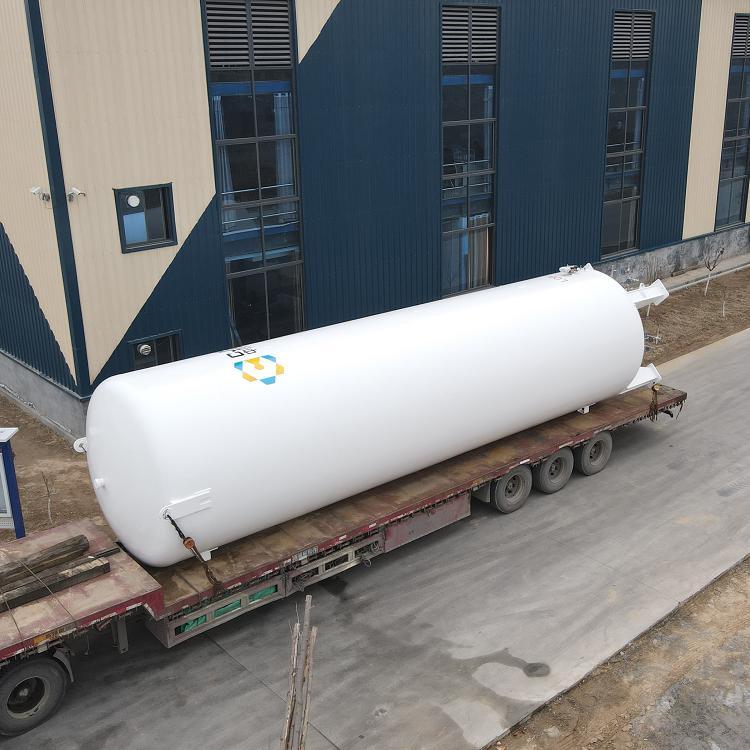

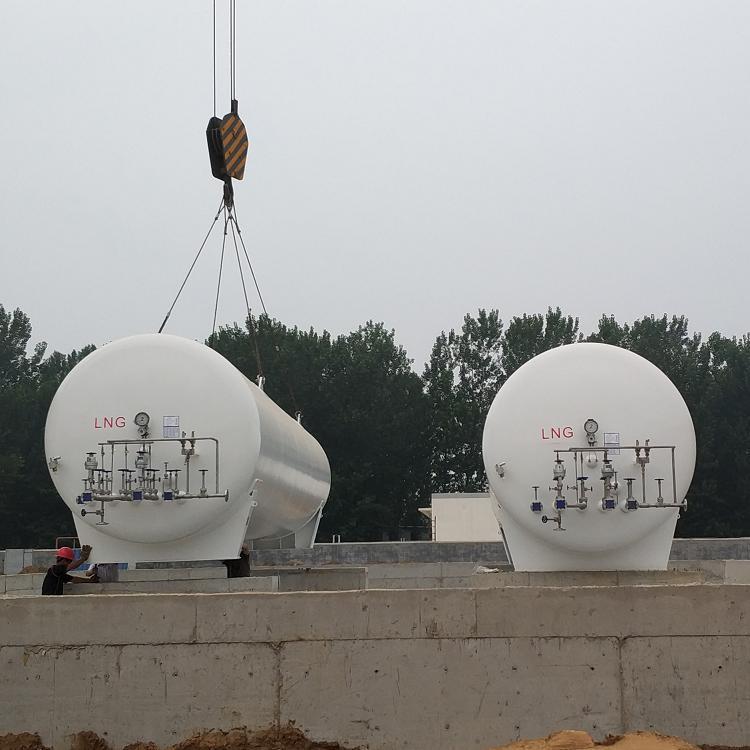
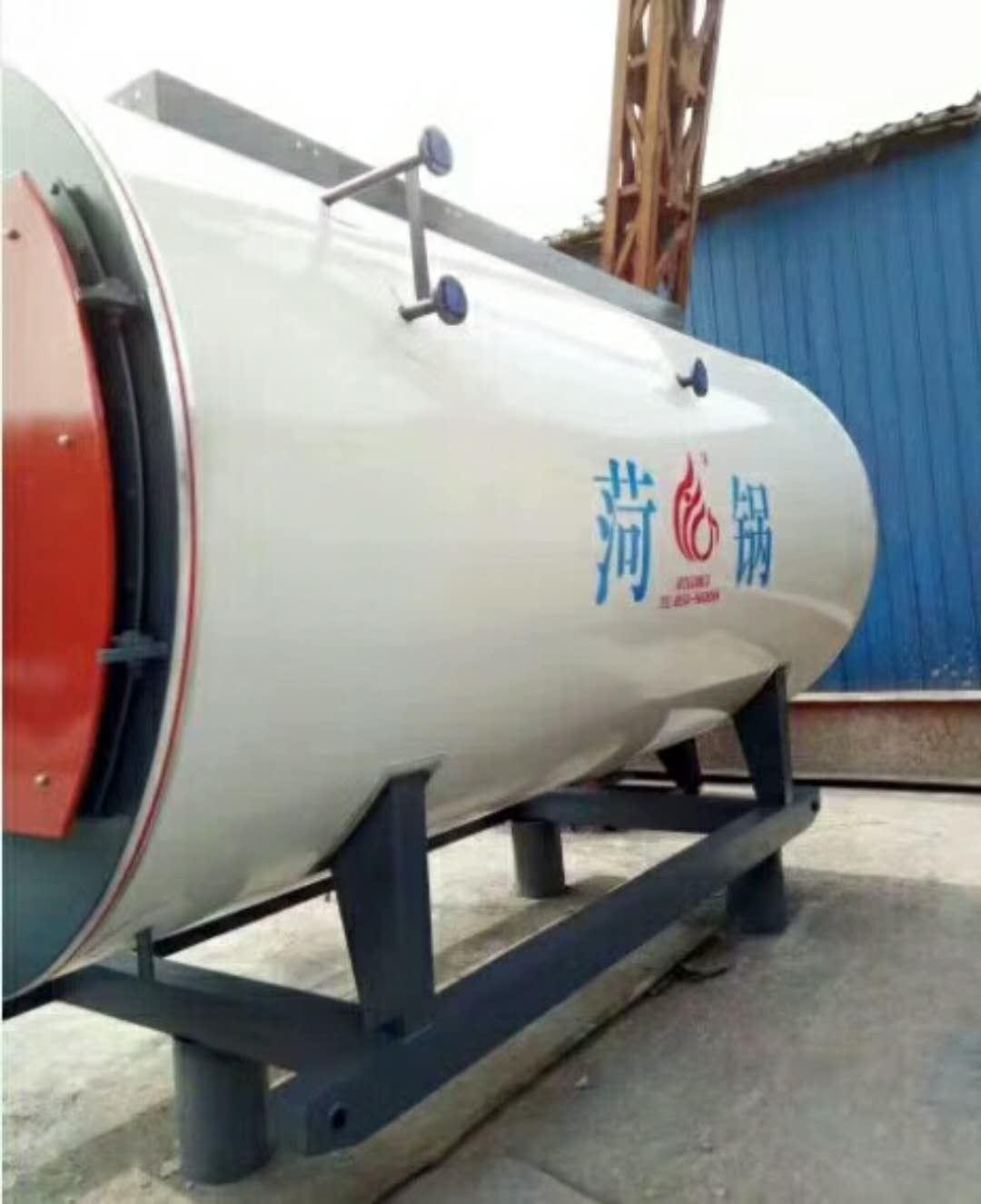


















Shandong Zhongjie Special Equipment's main products include: fuel (gas) boilers, organic heat carrier boilers, biomass boilers, waste heat boilers, and other boiler products; vacuum insulation cryogenic pressure vessels such as LNG tanks, oxygen/nitrogen/argon tanks, CO2 tanks; pressure vessel products like denitrification engineering equipment, heat storage and energy storage equipment, and complete chemical equipment sets; central air conditioning and HVAC equipment such as ground (water) source heat pumps, air source units, water-cooled screw units, and air-cooled modular units. Planned products include large-scale energy centers, LNG transport vehicles, LNG tank containers, and other green energy equipment.
Carbon dioxide storage tanks offer the following features and benefits:
- High Storage Density: These tanks can compress carbon dioxide gas into a liquid state, significantly increasing storage density. Compared to gas storage, liquid CO2 can store more CO2 in relatively smaller tanks, saving space and costs.
- Multiple Application Fields: Carbon dioxide tanks are widely used in various industries, including food and beverage, manufacturing, fire suppression, and gas supply. CO2 serves as a preservative, carbonation agent, gas, and fire extinguisher, among other uses, with broad applications and market demand.
- Eco-friendly and Renewable: Carbon dioxide is an eco-friendly gas, and its increased concentration in the atmosphere contributes to warming and climate change. By storing and utilizing CO2, we can reduce its emissions into the atmosphere, achieving environmental protection and sustainable development.
- Safe and Reliable: During design and manufacturing, carbon dioxide tanks typically use high-strength materials (such as carbon steel or stainless steel) with excellent pressure resistance and safety. The tanks are usually equipped with safety valves, pressure gauges, level gauges, and other accessories to ensure safe operation. Additionally, CO2 is non-flammable and non-explosive, making it relatively safe.
- Supply: Carbon dioxide storage tanks can provide a stable and reliable supply of CO2. Through the tank's design and control systems, accurate measurement and supply of CO2 can be achieved, meeting various industrial and application needs.
In summary, carbon dioxide storage tanks offer high storage density, multiple application fields, eco-friendliness, renewability, safety, reliability, and supply, making them an essential storage and supply equipment widely used in various industries. However, it is still necessary to follow relevant safety operating procedures when using carbon dioxide storage tanks.
The installation of a safety valve on a CO2 storage tank is a crucial measure to ensure the tank can safely release pressure in case of overpressure. Here are general installation steps:
1. Select the appropriate safety valve: Choose a safety valve that meets the design pressure and flow requirements of the tank. Ensure the rated pressure and flow of the safety valve are in compliance with the tank's specifications.
2. Installation location: Select a suitable position for the safety valve, typically on the top or side of the tank. Ensure the safety valve can discharge pressure smoothly and is not obstructed by other equipment or structures.
3. Preparations: Clean the tank surface at the installation location to ensure there are no debris or dirt. Check the sealing integrity of the safety valve and connecting pipes, ensuring there are no damages or leaks.
4. Install the safety valve: Connect the safety valve to the tank using the appropriate fittings and sealing materials. Follow the installation instructions for the safety valve to ensure a secure and reliable connection with the tank.
5. Adjustment and testing: Adjust and test the safety valve according to its specifications and requirements. Ensure the safety valve operates normally within the set pressure range and can release pressure promptly.
6. Identification and documentation: Label relevant information on the safety valve and tank, such as the rated pressure and flow of the safety valve, installation date, etc. Record the installation process and test results for future reference and maintenance.
Please note that the installation of a CO2 storage tank safety valve must follow relevant safety operation procedures and standards. If you do not possess the necessary knowledge and experience, it is recommended to consult professionals or manufacturers for installation.
Standard parameters for carbon dioxide tanks can vary based on different design and application requirements. Here are some common standard parameters:
- Tank Capacity: The capacity of carbon dioxide tanks is typically expressed in kiloliters (L) or cubic meters (m). Common capacities range from a few thousand to tens of thousands of liters.
- Operating Pressure: The operating pressure of carbon dioxide tanks is usually around 20 to 25 MPa (Megapascals) at room temperature, with specific pressure determined by application needs and design standards.
- Design Temperature: The design temperature of carbon dioxide tanks is usually within the low-temperature range, generally from -40℃ to -60℃, to accommodate the liquefaction and storage requirements of carbon dioxide.
- Material: Carbon dioxide tanks are commonly made from high-strength steel or alloy materials to withstand stresses and loads under high-pressure and low-temperature environments.
- Insulation: The tank is internally insulated to reduce heat conduction and liquid evaporation. Insulation is typically a multi-layered structure, including thermal insulation material and an external protective layer.
- Safety Valve and Pressure Relief Devices: The tank is equipped with a safety valve and pressure relief devices to control internal tank pressure, preventing overpressure and explosion.
- Level Monitoring and Control: The tank is fitted with level monitoring equipment to monitor the liquid level within the tank. Timely monitoring and control of the level ensure that the liquid storage within the tank remains within safe limits.
- Note that specific standard parameters for carbon dioxide tanks may vary due to different design standards, application requirements, and manufacturers. When selecting and using carbon dioxide tanks, it is important to consider these factors.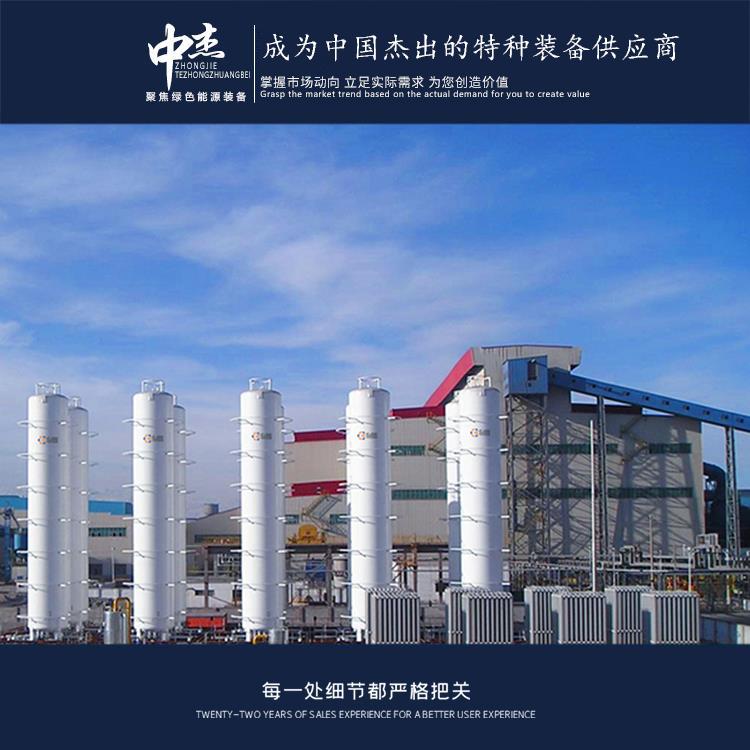
Low-temperature CO2 storage tanks are equipment used for storing and transporting low-temperature liquid CO2. Here are some key points about low-temperature CO2 storage tanks:
- Tank Structure: These tanks typically feature a double-walled design, with the inner wall for storing liquid CO2 and the outer wall for insulation. The interior is usually made of stainless steel or aluminum alloy, offering excellent corrosion resistance.
- Storage Temperature: The storage temperature usually ranges from -40°C to -196°C, depending on specific application requirements. Temperature control is crucial to ensure the stability and safety of the liquid CO2.
- Storage Capacity: The capacity of low-temperature CO2 storage tanks can be chosen based on actual needs, ranging from a few thousand to several tens of thousands of liters. The selection of tank capacity should consider storage requirements, supply frequency, and space limitations.
- Safety Protection: These tanks require safety protection devices such as pressure relief valves, pressure sensors, and temperature sensors to ensure internal pressure and temperature remain within safe limits.
- Transportation: Low-temperature CO2 storage tanks can be transported via road, rail, or ship. Proper insulation measures must be taken during transportation to maintain the low-temperature state of the liquid CO2 inside.
- Safe Operation: Operation of low-temperature CO2 storage tanks requires training and adherence to safety operating procedures. Operators should be familiar with the tank's characteristics and safety considerations to ensure safe and effective operation.
- Regular Inspections and Maintenance: These tanks need regular inspections and maintenance, including visual inspections, valve and pipeline checks, and pressure relief device checks. Regular maintenance ensures the tank operates normally and safely.
These are some key points about low-temperature CO2 storage tanks. When using and operating such tanks, it is important to follow relevant safety regulations and standards and consult with experts to ensure safety and effectiveness.
Shandong Zhongjie Special Equipment, welcome customers to our factory for business discussions.
WeChat Official Account

Scan to follow Official Account



















