



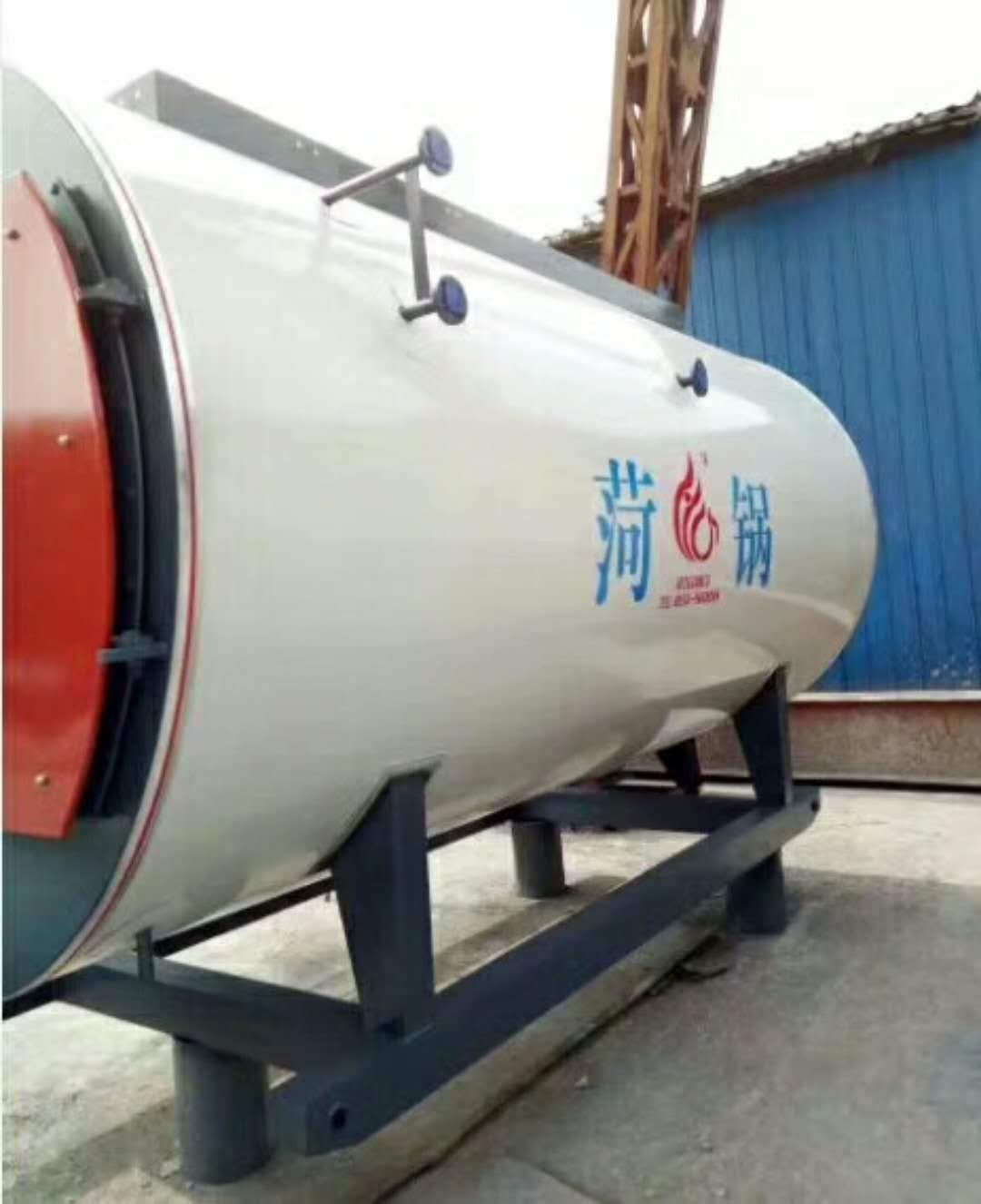


















Shandong Zhongjie Special Equipment (formerly Heze Boiler Factory Co., Ltd.) holds an A-grade boiler manufacturing license, an A2-grade pressure vessel manufacturing license, an A2-grade pressure vessel design license, a B-grade boiler installation license, and GB2/Class, GC2/Class pressure pipeline installation licenses, as well as a mechanical and electrical equipment installation contracting license. It is a member of the China Boiler and Water Treatment Association, the China Chemical Equipment Association, and the council member of the Shandong Equipment Manufacturing Association. The company has also passed certifications for the ISO9001 Quality Management System, ISO14001 Environmental Management System, OHSAS18001 Occupational Health and Safety Management System, and the American ASME/U2 certification.
Routine inspection of liquid nitrogen storage tanks involves regular checks and maintenance to ensure safe operation and efficient use. Here is a common sense introduction to the inspection of liquid nitrogen storage tanks:
Visual Inspection: Regularly inspect the exterior of the storage tank, including the tank body, insulation layer, valves, and pipelines, etc. Note any cracks, corrosion, wear, or other damage. Also, check if the insulation layer is intact without any damage or detachment.
Level Check: Regularly inspect the liquid nitrogen tank's level to ensure it's within the normal range. This can be done using level gauges or level scales, etc.
Pressure Check: Inspect the tank's pressure to ensure it's within the safe range. Pressure gauges or pressure sensors can be used for the inspection.
Leakage Inspection: Check for signs of liquid nitrogen leakage around the storage tank, such as vapor mist, frost, or freezing. If leakage is detected, take immediate measures to repair it.
Valve and Pipeline Inspection: Verify that the valves and pipelines of the storage tank are functioning properly without any gas leaks or blockages. Ensure the tightness and unobstructed flow of the valves and pipelines.
Safety Equipment Inspection: Examine the safety equipment of the storage tank, such as pressure relief valves, temperature sensors, and level alarms, to ensure they are functioning properly.
Maintenance Records: Timely record the inspection results and maintenance records of the storage tank, including liquid level, pressure, insulation status, leakage conditions, etc. These records help monitor the tank's operating condition and identify issues promptly.
It's important to note that the inspection of liquid nitrogen tanks should comply with relevant safety regulations and operational guidelines. Liquid nitrogen is highly flammable at low temperatures, so operators must wear appropriate personal protective equipment and ensure the operating environment is free of ignition sources. Regular inspections help identify issues promptly and allow for corrective measures, ensuring the safe and efficient operation of the tank.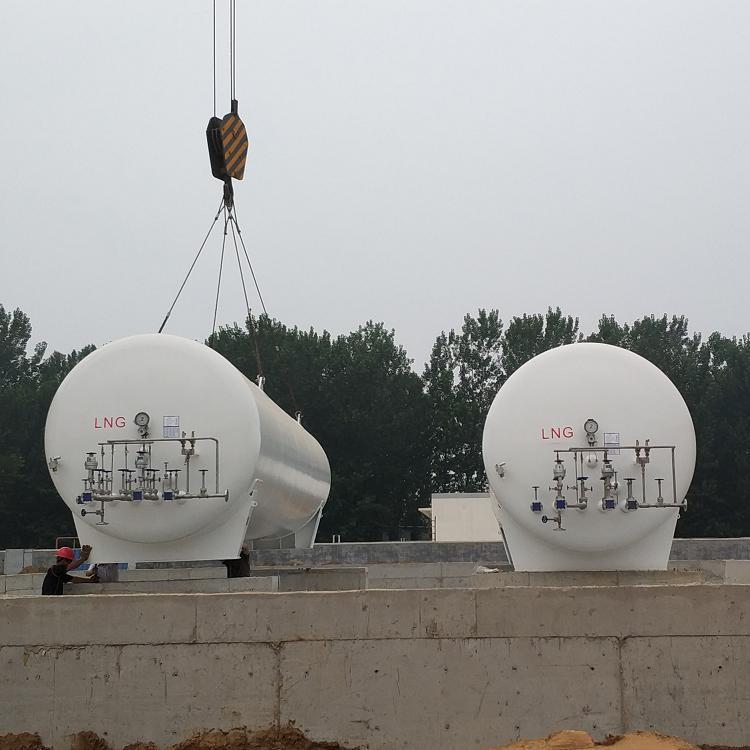
In the degreasing process of high vacuum pipelines in low-temperature liquid storage tanks, the following steps can be taken:
Preparation: Ensure the cleanliness and readiness of the defatting equipment and tools. Check the pipeline system's connections and sealing, ensuring there are no leaks.
Pipe Cleaning: Clean pipes using suitable cleaning agents and tools to remove surface dirt and grease. Methods such as mechanical brushing, high-pressure water jetting, or chemical cleaning can be employed.
De-greasing Process: Select an appropriate de-greaser and inject it into the pipeline system. The de-greaser can be an organic solvent or an alkaline solution, the choice depending on the pipeline material and type of dirt. Ensure the de-greaser thoroughly covers the inner pipeline walls and maintains a certain contact time.
Pipe flushing: Drain the degreaser from the pipeline system and flush with clean water to remove any remaining degreaser and dirt. During the flushing process, high-pressure water or gas can be used for scouring to ensure the cleanliness of the interior pipeline walls.
Drying Pipeline: Utilize drying equipment or ventilation systems to evaporate or exhaust moisture from within the pipeline, ensuring the interior walls are dry. Drying can be achieved using hot air or nitrogen.
Inspection and Testing: After degreasing, inspect and test the pipeline to ensure its cleanliness and seal integrity. Visual inspections, pressure tests, or other relevant tests can be conducted.
Be mindful that when descaling high vacuum pipelines of low-temperature liquid storage tanks, it is crucial to adhere to relevant safety operating procedures and guidelines. Ensure that operators are equipped with the necessary safety awareness and operational skills to prevent any accidents.
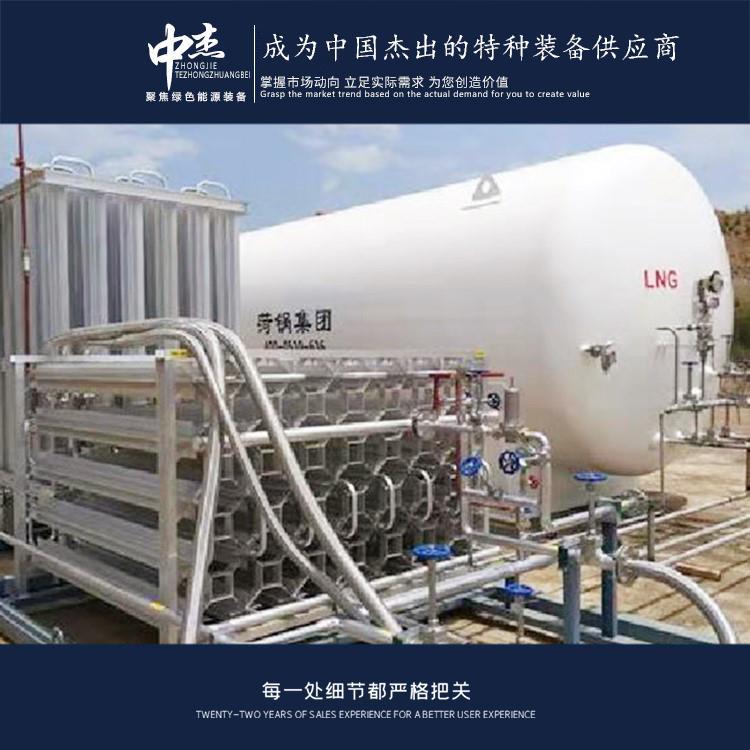
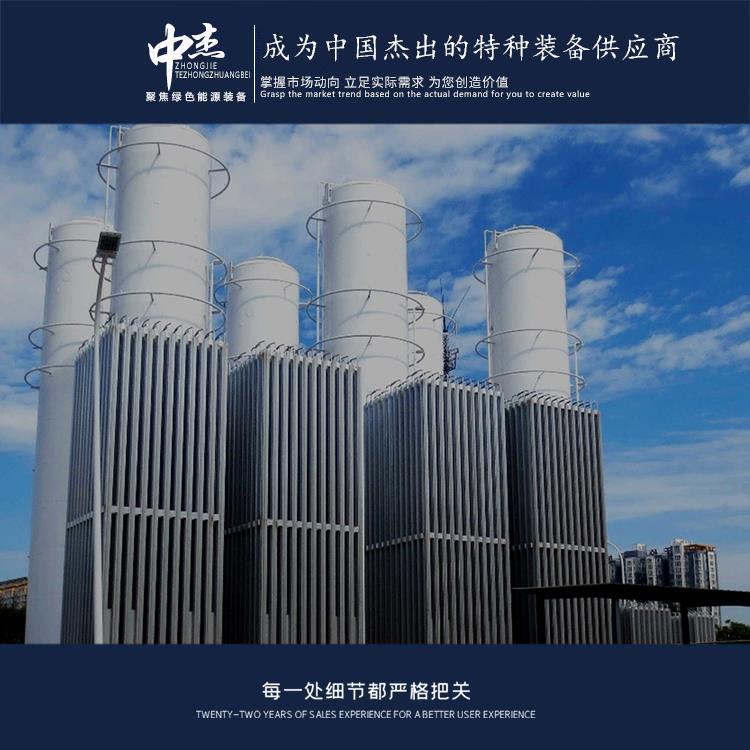
Zhongjie Special Equipment Co., Ltd. is a company specializing in the manufacturing of low-temperature liquid storage tanks. They offer a range of low-temperature liquid storage tanks in various specifications and capacities, including liquid nitrogen tanks, liquid oxygen tanks, liquid argon tanks, and more.
The Zhongjie liquid storage tank is constructed with high-quality materials and advanced manufacturing techniques, ensuring the tank's strength and sealing integrity. The internal design incorporates special insulation materials and structure, effectively reducing liquid evaporation loss.
The Zhongjie Specialized Low-Temperature Liquid Storage Tanks feature the following characteristics:
High safety: Tanks are made of materials with excellent pressure resistance and sealing properties, capable of safely storing low-temperature liquids.
Low Evaporation Loss: Insulating materials and structural design within the tank effectively reduce liquid evaporation loss, enhancing the tank's economic efficiency.
A variety of specifications and capacities available: Zhongjie provides a range of low-temperature liquid storage tanks in various specifications and capacities to meet the diverse needs of our customers.
Customized Design: According to the specific requirements of our clients, ZJTECH can offer customized design and manufacturing services to cater to various application scenarios.
Volume Manufacturing Process: With state-of-the-art manufacturing equipment and a skilled technical team, Zhongjie is equipped to ensure the quality and performance of the storage tanks.
In summary, Zhongjie Special Equipment's low-temperature liquid storage tanks offer high safety, low evaporation loss, and a variety of specifications, making them suitable for storage and transportation needs of low-temperature liquids.
Nitrogen charging of liquid nitrogen tanks refers to the process of injecting nitrogen gas into the tank to increase the nitrogen concentration and pressure inside, in order to meet certain safety requirements and operational objectives. Here are some precautions to consider when nitrogen charging liquid nitrogen tanks:
Safe Operation: Prior to performing nitrogen charging on liquid nitrogen tanks, it is mandatory that operators possess relevant safety knowledge and operational skills. Operators should wear appropriate personal protective equipment, such as safety goggles, gloves, and protective clothing.
Nitrogen Quality: Utilize high-purity nitrogen for purging operations to ensure the quality and purity of the nitrogen. Low-purity nitrogen may contain impurities or oxygen, which could have adverse effects on the liquid nitrogen within the storage tank.
Nitrogen Flush Rate Control: During the nitrogen flush process, the flush rate should be controlled to avoid being too fast or too slow. A too fast nitrogen flush rate may cause excessive internal pressure within the tank, while a too slow flush rate may lead to extended flush time.
Pressure Monitoring: During the nitrogen filling process, the internal pressure of the tank should be regularly monitored. Ensure the internal pressure of the tank is within the safe range and adjust as necessary.
Temperature Control: During the nitrogen charging process, it is crucial to monitor and control the tank's temperature. The low temperature of liquid nitrogen can lead to condensation and frost on the tank and pipelines. Appropriate measures, such as heating or insulation, should be taken to prevent condensation and frost from occurring.
Post-nitrogen flushing treatment: After the nitrogen flushing operation is completed, the flushing device should be promptly shut off, and the tank should be inspected and cleaned. Ensure there is no residual nitrogen or impurities inside the tank.
Note: Nitrogen charging operations for liquid nitrogen tanks must strictly adhere to relevant safety standards.
Zhongjie Special Equipment adheres to the great vision of "realizing employees' dreams, creating value for customers, and striving for the prosperity and strength of our motherland," wholeheartedly devoting itself to the development of green energy equipment industry, offering products and services with high cost-performance to the society!
WeChat Official Account

Scan to follow Official Account



















