


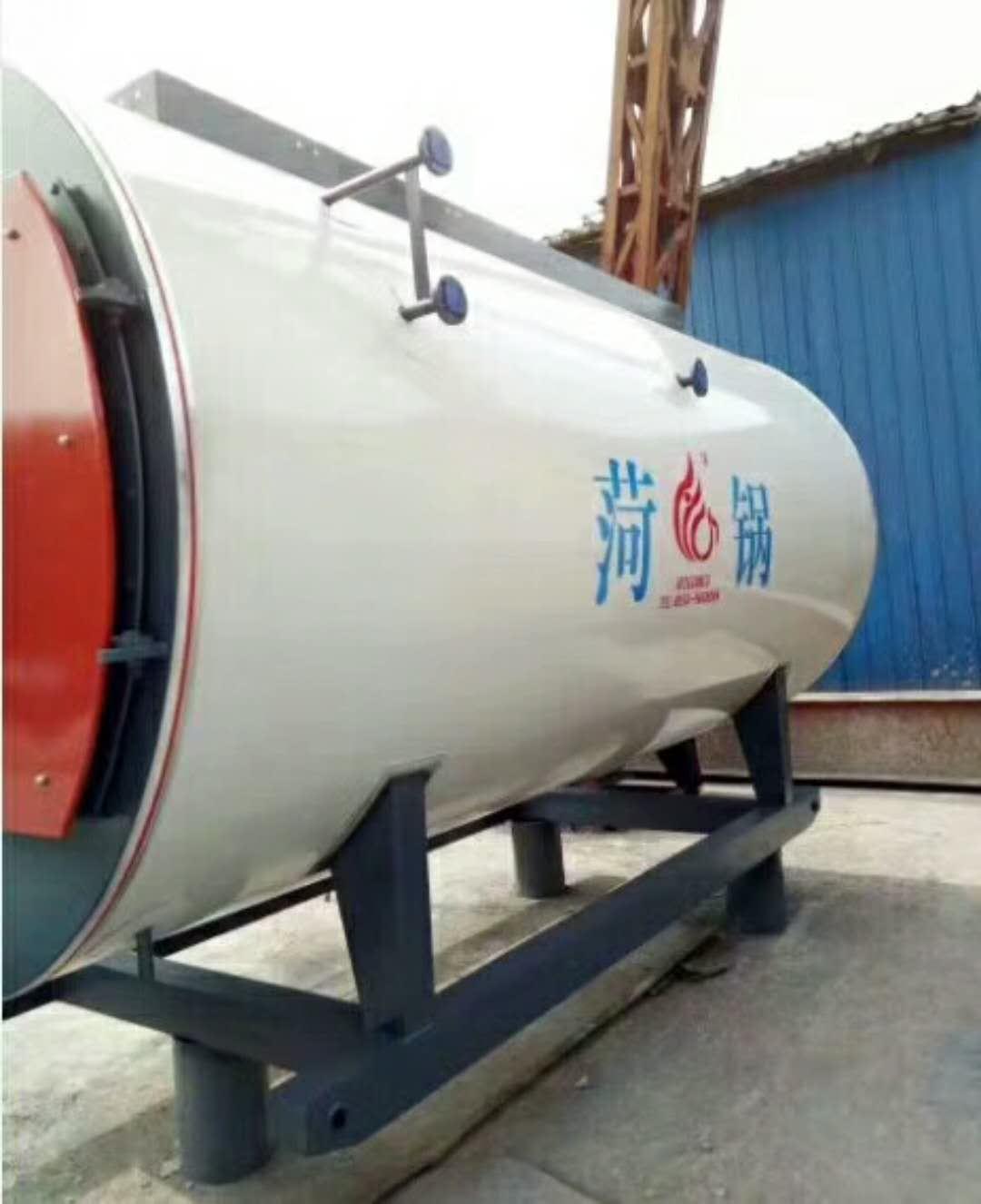


















Shandong Zhongjie Special Equipment Co., Ltd. (formerly Heze Boiler Factory Co., Ltd.) holds an A-grade boiler manufacturing license, an A2-grade pressure vessel manufacturing license, an A2-grade pressure vessel design license, B-grade boiler installation, and GB2/GC2-grade pressure pipeline installation licenses, as well as an equipment and machinery installation contracting qualification. It is a member of the China Boiler and Water Treatment Association, the China Chemical Equipment Association, and the理事 unit of the Shandong Equipment Manufacturing Association. The company has also passed certifications for the ISO9001 Quality Management System, ISO14001 Environmental Management System, OHSAS18001 Occupational Health and Safety Management System, and the American ASME/U2 certification.
Liquid oxygen storage tanks are widely used in various industries, mainly including the following aspects:
Industry: Liquid Oxygen Tanks are widely used in various fields for storing and supplying liquid oxygen as fuel and oxidizer. Liquid Oxygen Tanks play a crucial role in engine, propulsion systems, and oxygen supply systems.
Chemical Industry: Liquid Oxygen Tanks are used in chemical processes for storing and supplying liquid oxygen, employed in oxidation reactions, combustion reactions, and oxygen supply, etc. Refineries, chemical plants, and manufacturers of chemical products are among those that may use liquid oxygen tanks.
Industry: Liquid Oxygen Tanks are used in the field for storing and supplying liquid oxygen, employed in oxygen therapy, respiratory support, and surgeries, etc. Liquid Oxygen Tanks are widely used in clinics and care institutions, among other facilities.
Experimental Research: Liquid Oxygen Tanks are used in scientific research and laboratories to provide liquid oxygen as experimental materials and fuel. Liquid Oxygen Tanks play a significant role in experimental research across various fields such as physics, chemistry, biology, and materials science.
Metal Processing Industry: Liquid oxygen tanks are used in the metal processing and welding industries to supply high purity oxygen, for processes such as metal cutting, welding, and heat treatment.
Other Industries: Liquid Oxygen Tanks are also applied in various other industries such as the energy, environmental protection, and food industries, etc. They are used in energy production, environmental management, and food processing fields.
It's important to note that the use of liquid oxygen tanks must strictly adhere to relevant safety regulations and operating guidelines to ensure safe operation and usage of the tanks.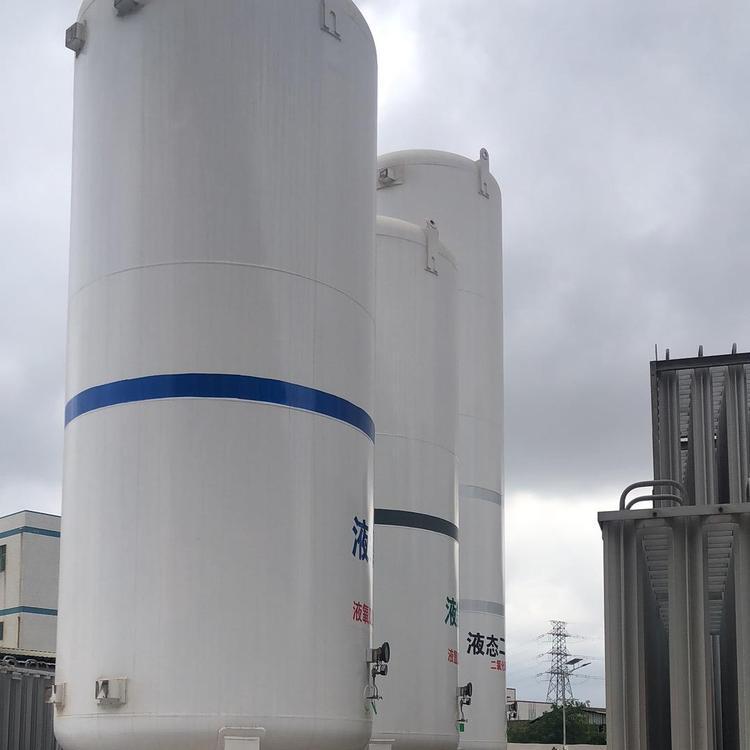
The operational and protection procedures for the application of low-temperature liquid nitrogen storage tanks should include the following:
Staff Training: All operators must undergo safety training for liquid nitrogen storage tanks, understanding the properties, hazards, and proper operation methods as well as emergency response procedures.
Protective Gear: Operators must wear appropriate protective gear, including gloves, protective clothing, and non-slip shoes, to safeguard themselves from the low temperatures of liquid nitrogen and other hazards.
Ventilation Requirements: Adequate ventilation must be ensured in the operational area of the liquid nitrogen tank to expel gases produced by the evaporation of liquid nitrogen. Avoid excessive oxygen concentration to minimize the risk of fire and explosion.
Leak Control: Tanks must be equipped with leak detection devices and alarm systems to promptly identify and control the leakage of liquid nitrogen. Upon detection of a leak, immediate measures should be taken to control the source of the leak and to carry out repairs.
Fire Prevention Measures: Nitrogen liquid has a low boiling and freezing point, which is prone to causing fires. To prevent and contain fires, fire walls and fire-retardant coatings should be installed around nitrogen liquid storage tanks.
Electrostatic Protection: The accumulation of static electricity in liquid nitrogen tanks may cause sparks, increasing the risk of fire. Measures such as using electrostatic conductive materials and anti-static equipment should be taken to reduce the accumulation and release of static electricity.
Regular Inspections and Maintenance: Conduct regular checks on the condition of liquid nitrogen tanks and related equipment, including valves, pipes, pressure gauges, etc. Ensure the equipment is in perfect condition, and promptly repair or replace any damaged parts.
Waste Gas Treatment: Liquid nitrogen storage tanks produce waste gas during operation, and appropriate waste gas treatment measures must be implemented to prevent harm to the environment and human health.
Emergency Response Plan: Develop an emergency response plan for liquid nitrogen tanks, including procedures for handling leak accidents, emergency rescue measures, and protocols for notifying relevant departments. Operators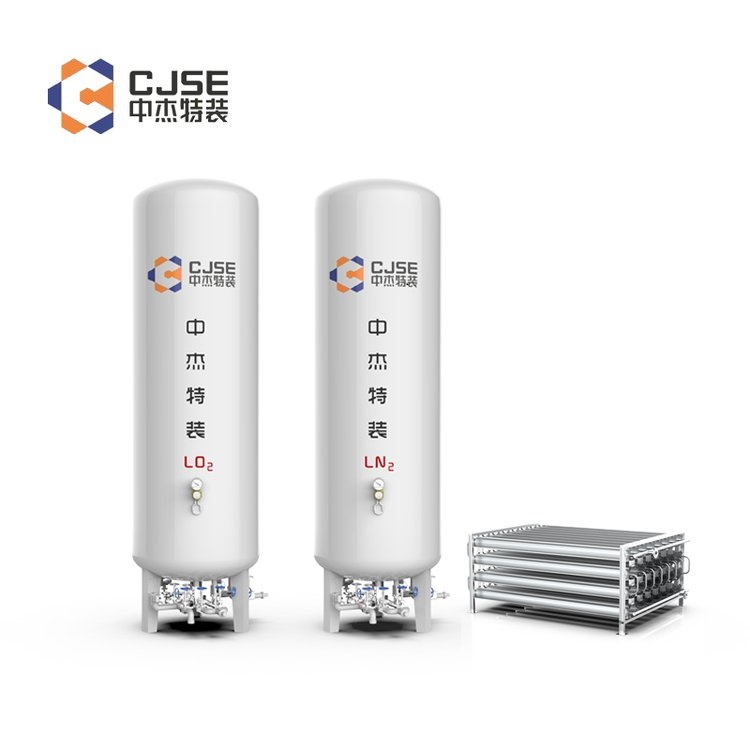
Before cooling the liquid oxygen tank, the following prerequisites must be met:
Clean Tanks: Ensure the interior of the tank is clean, free of impurities and contaminants. The tank should be properly cleaned and flushed to maintain internal cleanliness.
Drainage and Exhaust: Empty the gas inside the tank and expel it through the exhaust system to reduce the gas content within the tank. This helps minimize the interference of the gas on the cooling process.
Safety Precautions: Prior to cooling the liquid oxygen tank, necessary safety precautions must be taken. Liquid oxygen is highly flammable and has low-temperature characteristics. Operators should wear appropriate protective suits, gloves, and other personal protective equipment to ensure safe operation.
Temperature Control: During the cooling process of the liquid oxygen storage tank, it is necessary to control the temperature of the tank. Typically, low-temperature mediums such as liquid nitrogen are used to cool the tank, ensuring that the tank's temperature gradually decreases below the boiling point of liquid oxygen.
Insulation and Heat Retention: Liquid oxygen storage tanks typically use double or multi-layered construction, filled with insulating material in the middle to reduce heat transfer and evaporation of liquid oxygen. Ensure the integrity and good insulating properties of the insulation layer to enhance the cooling efficiency of the tank.
Under the above preconditions met, the cooling operation of the liquid oxygen tank can be carried out. The cooling process must strictly adhere to the relevant safety regulations and operational guidelines to ensure the safe operation and use of the tank.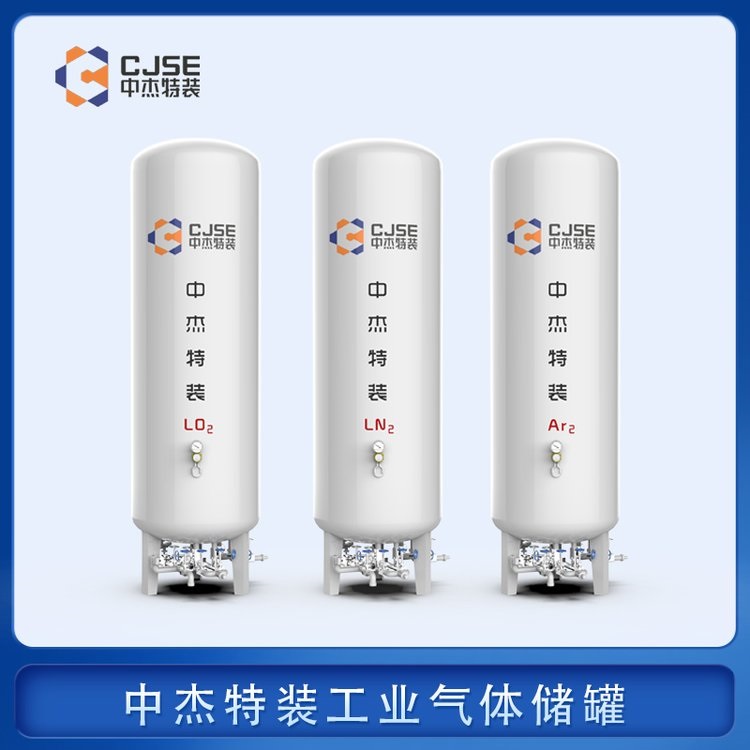
When first using a liquid nitrogen tank, there are some precautions to consider for safe and efficient operation. Here are some suggested guidelines:
Safety Operation: Liquid nitrogen is a cryogenic liquid with strong refrigerating and asphyxiating effects. When handling liquid nitrogen tanks, it is mandatory to wear appropriate personal protective equipment, such as insulated gloves and protective suits. Avoid direct contact with liquid nitrogen to prevent injury or other harm.
Ventilation Environment: Liquid nitrogen, upon evaporation, produces a significant amount of gas which may displace other gases, potentially lowering the oxygen content in the air. Therefore, when using liquid nitrogen tanks, it is crucial to ensure that the operational area is well-ventilated to prevent oxygen deficiency.
Tank Inspection: Prior to the first use of the liquid nitrogen tank, a thorough inspection of the tank's appearance and sealing should be conducted. Ensure there are no obvious damages, leaks, or other safety hazards. If any issues are found, they should be addressed promptly by repairing or replacing the tank.
Tank Filling: Prior to the first use of a liquid nitrogen tank, it is necessary to fill the tank with liquid nitrogen. During the filling process, follow the correct operational steps and safety procedures to ensure a safe and reliable filling operation. Additionally, be mindful to control the filling speed and pressure to avoid excessive tank pressure and temperature rise.
Labeling and Documentation: Prior to the initial use of the liquid nitrogen tank, relevant information should be labeled on the tank, such as the storage medium, capacity, manufacturing date, etc. It is also recommended to establish a tank usage record, including filling dates, filling quantities, usage details, etc., for future tracking and management.
Note that the use of liquid nitrogen tanks involves safety risks such as low temperatures and high pressures. Operators should receive training and strictly adhere to the relevant operating procedures and safety measures. If unfamiliar with the operation or have doubts, it is recommended to consult experts or relevant institutions.
Shandong Zhongjie Special Equipment, welcome customers to visit our factory for business discussions.
WeChat Official Account

Scan to follow Official Account



















