


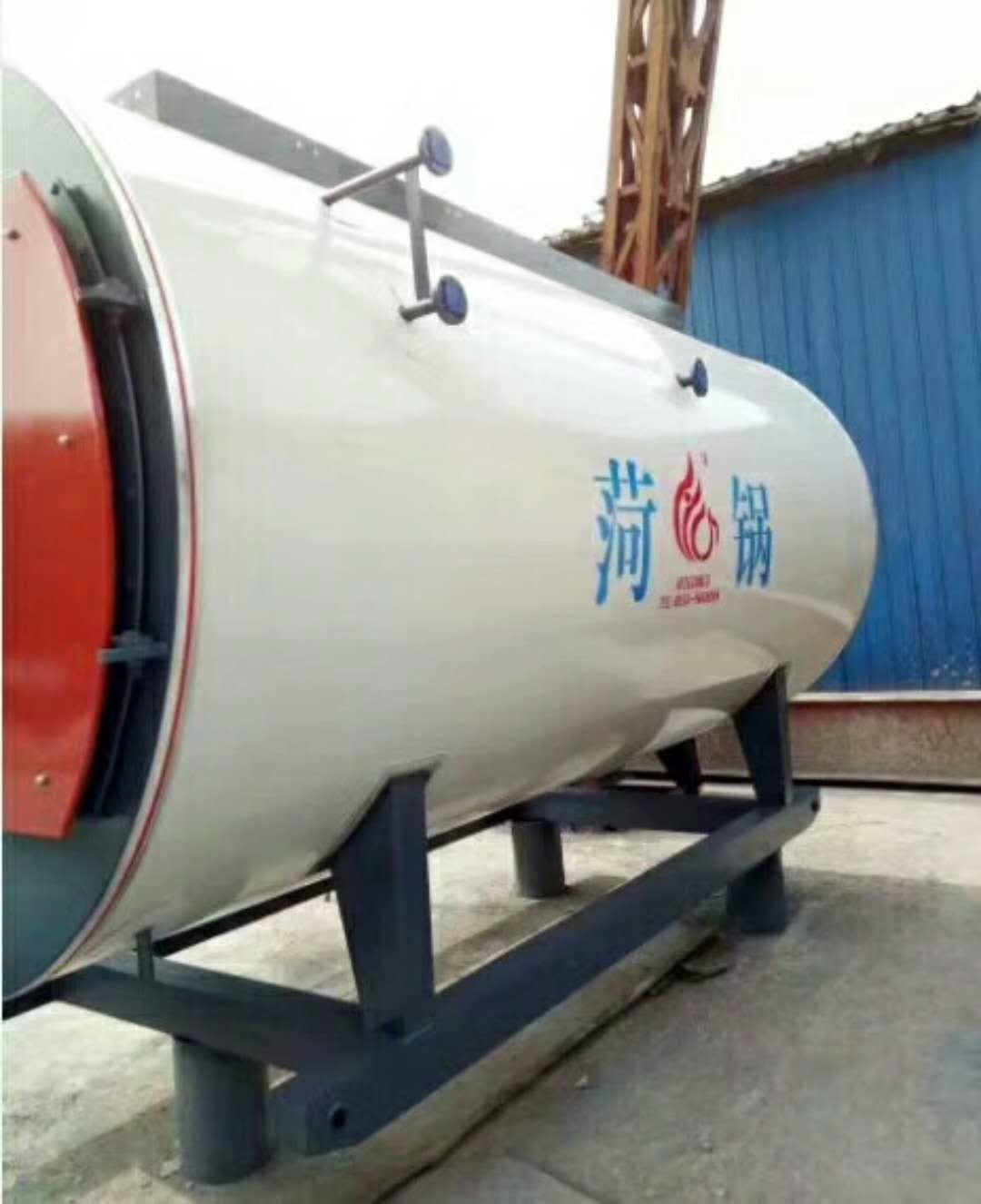

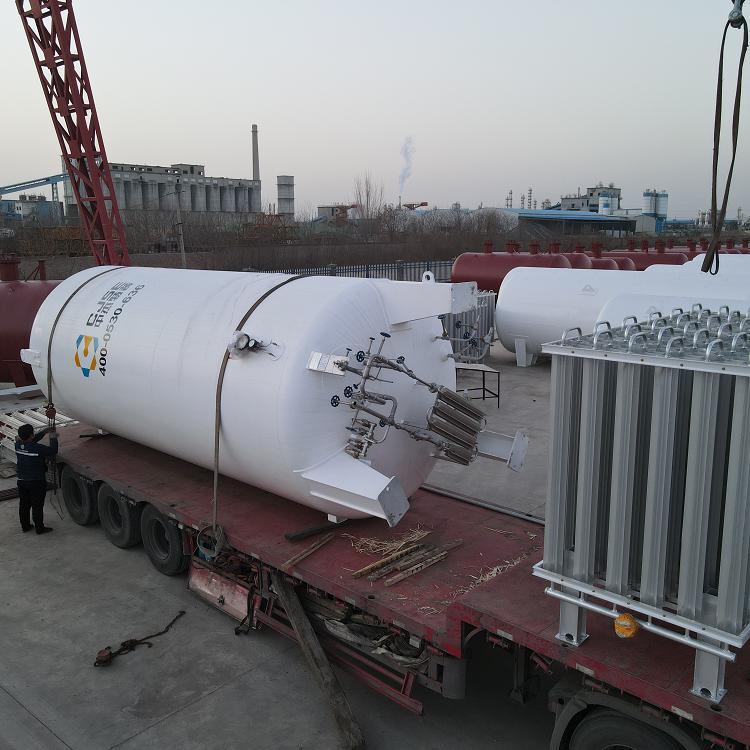


















Shandong Zhongjie Special Equipment specializes in products such as fuel (gas) boilers, organic heat carrier boilers, biomass boilers, waste heat boilers, and other boiler products; vacuum insulated deep-chilled pressure vessels including LNG storage tanks, oxygen-nitrogenargon storage tanks, CO2 storage tanks, etc.; pressure vessel products such as denitration engineering equipment, heat storage and energy storage equipment, and complete chemical equipment sets; central air conditioning and ventilation equipment such as ground (water) source heat pumps, air source units, water-cooled screw units, and air-cooled modular units. Planned products include large-scale energy centers, LNG transport vehicles, LNG tank containers, and other green energy equipment.
To safely operate a liquid oxygen storage tank, attention should be paid to the following aspects:
Training: Operators of liquid oxygen tanks must undergo training to understand the properties of liquid oxygen, safety operating procedures, and emergency response measures. Only trained personnel are authorized to handle liquid oxygen tanks.
Safety Operating Procedures: Establish and adhere to the safety operating procedures for liquid oxygen tanks, including proper operational procedures, protective measures, and emergency response plans. Ensure operators follow the procedures to minimize accident risks.
Equipment Inspection and Maintenance: Regularly inspect the status of liquid oxygen tanks and related equipment, including valves, pipes, pressure gauges, etc. Ensure the equipment is intact and promptly repair or replace any damaged parts.
Leakage Control: Equipped with leak detection and alarm systems to promptly identify and control leaks in liquid oxygen storage tanks. Upon detection of a leak, immediate measures should be taken to control the source of the leak and initiate repairs.
Fire Prevention Measures: Liquid oxygen has a high oxygen content, which is prone to causing fires. Measures such as setting up firewalls around liquid oxygen storage tanks and using fire-resistant coatings are taken to prevent fires from occurring and spreading.
Static protection: Electrostatic buildup in liquid oxygen tanks may cause sparks, increasing the risk of fire. Measures such as using static-conductive materials and anti-static equipment should be taken to reduce the accumulation and release of static electricity.
Ventilation Requirements: Ensure adequate ventilation within the enclosed space of the liquid oxygen storage tank to expel gases produced by the evaporation of liquid oxygen. Avoid excessive oxygen concentration to minimize
When cleaning low-temperature liquid storage tanks, the following steps should be taken:
Safety Preparations: Prior to cleaning, ensure there are no remaining liquids or gases inside the tank, and that the tank has been properly emptied and vented. Wear appropriate personal protective equipment, such as protective suits, gloves, and safety shoes.
Cleaning Agent Selection: Choose a cleaning agent suitable for low-temperature environments and liquid storage tank materials. Common cleaning agents include acidic and alkaline solutions, organic solvents, or specialized cleaning agents. Select the appropriate cleaning agent based on the tank material and the nature of the contaminants.
Cleaning Process: Inject the cleaning agent into the tank and use appropriate tools (such as sprayers, brushes, or high-pressure water) to clean the interior walls of the tank. Multiple cleanings can be performed as needed to ensure all contaminants are removed.
Washing and Discharging: After cleaning, rinse with clean water or an appropriate solvent to remove all cleaning agents and residues. Ensure the tank is dry and discharge the rinse water into an appropriate treatment system.
Inspection and Verification: After cleaning, inspect the tank to ensure no residual contaminants are left inside. Appropriate testing equipment or methods, such as optical inspection, chemical analysis, or ultrasonic testing, can be used to verify the cleaning effectiveness.
Be mindful that when cleaning low-temperature liquid storage tanks, it is crucial to adhere to relevant safety regulations and operational guidelines. Liquid storage tanks are typically highly flammable and exhibit low-temperature characteristics, so operators must strictly follow safety procedures to ensure personnel and equipment safety. During the cleaning process, attention should be given to prevent leaks of cleaning agents and contaminants, and appropriate measures should be taken for their handling and disposal.
Proper installation of the safety valve on liquid oxygen tanks is a crucial aspect of ensuring their safe operation. Here are the installation steps for the safety valve on liquid oxygen tanks:
Select the appropriate safety valve: Choose a safety valve based on the design pressure and flow requirements of the liquid oxygen storage tank. Ensure the rated pressure and flow of the safety valve meet the tank's specifications and comply with relevant safety standards and regulations.
Valve Installation Location: Select a suitable location for installing the safety valve. Typically, the safety valve should be mounted on the top or side of the liquid oxygen tank to allow for timely pressure release in the event of overpressure.
Ready for installation interfaces: Prepare the appropriate interfaces according to the connection type of the safety valve. This may include welding joints, threaded joints, or flange joints, etc. Ensure the sealing and firmness of the connections.
Install the safety valve: Mount the safety valve onto the prepared interface. Follow the installation instructions for the safety valve to ensure proper connection and tightness.
Adjustment and Testing: After installation, adjust and test the safety valve according to its specifications. Ensure the opening and closing pressures of the safety valve meet the design requirements, and conduct a leak test to verify its sealing integrity.
Identification and Record: Label the safety valve with relevant information such as rated pressure, flow rate, and installation date. Additionally, record the installation details and test results of the safety valve for future reference and maintenance.
When installing the liquid oxygen storage tank safety valve, it is imperative to follow the relevant safety regulations and operation guidelines. If you lack the necessary experience and knowledge, it is recommended to seek assistance and guidance from experts to ensure the correct installation and reliable operation of the safety valve.
Before cooling the liquid oxygen tank, the following preconditions must be met:
Clean Tanks: Ensure the interior of the tank is clean with no impurities or contaminants. The tank should be properly cleaned and flushed to maintain its cleanliness.
Emptying and Exhausting: Remove the gas from the storage tank and expel it through the exhaust system to reduce the gas content within the tank. This helps minimize interference of the gas on the cooling process.
Safety Precautions: Prior to cooling the liquid oxygen tank, it is necessary to implement proper safety measures. Liquid oxygen is highly flammable and exhibits low-temperature characteristics. Operators must wear appropriate protective clothing, gloves, and other personal protective equipment to ensure safe operation.
Temperature Control: During the cooling process of the liquid oxygen storage tank, the temperature of the tank must be controlled. Typically, low-temperature mediums such as liquid nitrogen are used to cool the tank, ensuring the temperature gradually drops below the boiling point of liquid oxygen.
Insulation and Heat Retention: Liquid oxygen tanks are typically designed with double or multi-layer structures, filled with insulating material in between to minimize heat transfer and evaporation of the liquid oxygen. Ensuring the integrity and excellent insulation of the insulating layer enhances the cooling efficiency of the tank.
Under the aforementioned conditions, the cooling operation of the liquid oxygen tank may be conducted. The cooling process must strictly adhere to the relevant safety regulations and operational guidelines to ensure the safe operation and use of the tank.
Shandong Zhongjie Special Equipment, welcome customers to our factory for business discussions.
WeChat Official Account

Scan to follow Official Account



















