



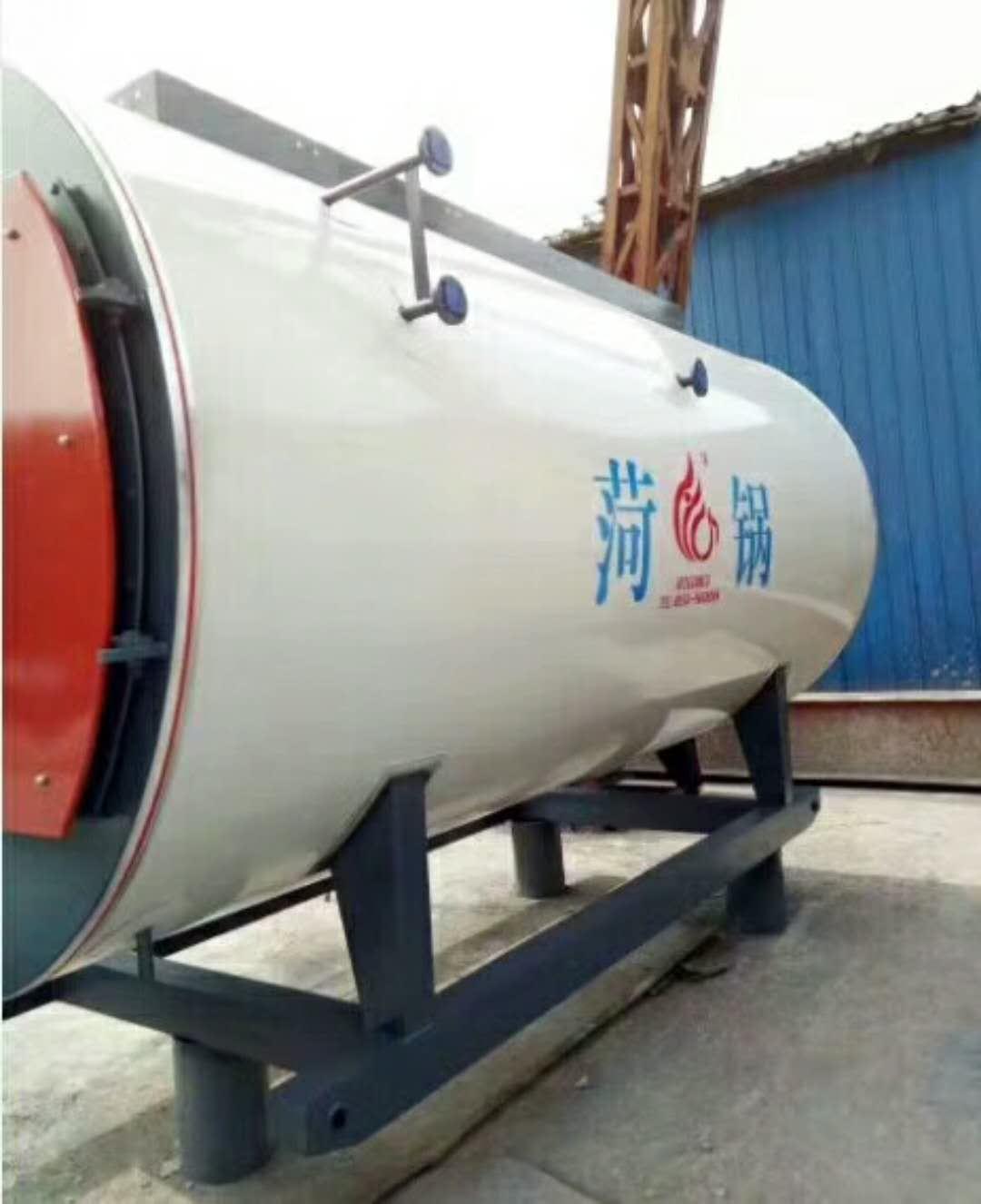
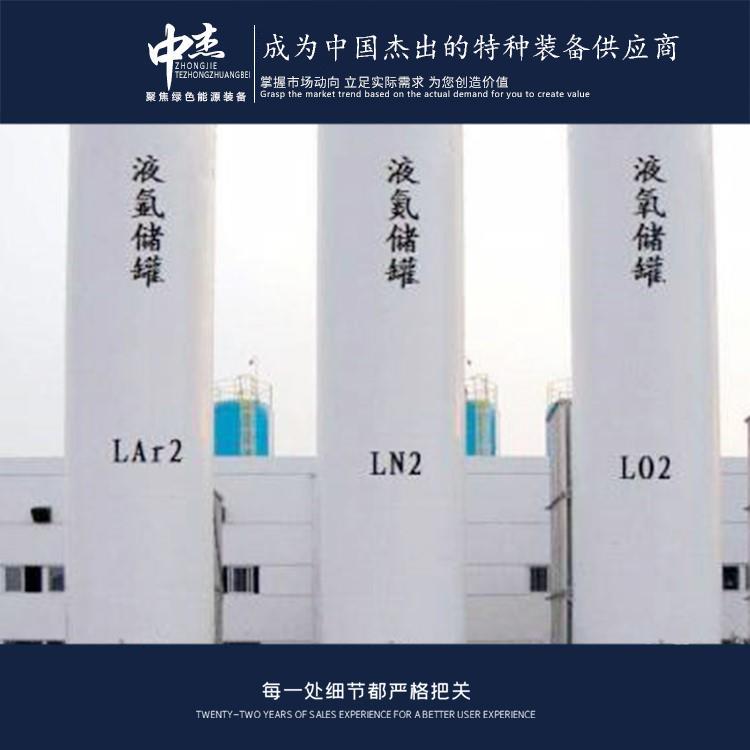


















Shandong Zhongjie Special Equipment (formerly Heze Boiler Factory Co., Ltd.) holds an A-grade boiler manufacturing license, an A2-grade pressure vessel manufacturing license, an A2-grade pressure vessel design license, a B-grade boiler installation license, and GB2/Class, GC2/Class pressure pipeline installation licenses, as well as an electromechanical equipment installation contracting qualification. It is a member of the China Boiler and Water Treatment Association, the China Chemical Equipment Association, and the理事 unit of the Shandong Equipment Manufacturing Association. The company has also passed the ISO9001 Quality Management System, ISO14001 Environmental Management System, OHSAS18001 Occupational Health and Safety Management System certifications, and the American ASME/U2 certification.
Prior to using the CO2 storage tank, the following preparations must be made:
- Inspect the tank: Check for any damage, corrosion, or signs of oil leakage on the tank's exterior. Ensure the tank's structural integrity and safety.
- Inspect valves and piping: Verify that the tank's inlet and outlet valves and piping connections are normal, without leaks or loose fittings. Ensure the valves operate smoothly and reliably.
- Inspect safety accessories: Check the proper functioning of the tank's safety accessories, such as safety valves, pressure and temperature sensors. Confirm that their set parameters meet requirements.
- Check the level measurement system: Ensure the accuracy and reliability of the level measurement system. Calibrate the level sensors to ensure accurate level readings.
- Inspect pressure relief devices: Verify that the tank's pressure relief devices (such as safety valves) are functioning properly. Confirm that the set pressure of the pressure relief devices meets requirements.
- Check CO2 gas quality: Ensure the CO2 gas inside the tank meets the required quality standards, free of impurities or contaminants.
- Inspect fire protection equipment: Ensure that fire protection equipment around the tank is intact and check that extinguishers, sprinkler systems, etc., are operating correctly.
- Train operators: Operators should receive training to understand the characteristics, operational requirements, and safety measures of the CO2 storage tank. Training should include safe operation, leak handling, and emergency procedures.
- These preparatory measures ensure that the CO2 storage tank is in good condition before use, and guarantee the safety and reliability of operation. When performing the preparations, follow relevant safety operating procedures and have personnel carry them out.
When using CO2 storage tanks, pay attention to the following aspects:
- Safe Operation: Operators must be trained to understand the characteristics, operational requirements, and safety measures of CO2 storage tanks. Adhere to relevant safety operation procedures and standards to ensure operational safety.
- Tank Inspection: Regularly inspect the tank's appearance, sealing, valves, and pipeline connections before use. Promptly repair or replace if any abnormalities or damage are found.
- Tank Placement: Place the tank in a well-ventilated, dry, and fire-free area. Avoid direct sunlight and high temperatures to prevent overheating.
- Leak Protection: Ensure that the tank's valves and pipeline connections are sealed properly to prevent CO2 leakage. Regularly check and replace seals, and promptly address any leaks.
- Pressure Control: The internal pressure of the tank should be within a safe range. Check the tank's pressure gauge and safety valve before use to ensure proper operation. Avoid excessive or low pressure to prevent safety accidents.
- Fire Prevention Measures: CO2 is flammable, so fire prevention measures must be taken when using it. Smoking, open flame operations, or placing flammable items near the tank are prohibited.
- Exhaust Emission: Properly discharge exhaust gases generated during CO2 storage tank use to avoid CO2 accumulation in enclosed spaces, which can lead to asphyxiation and safety risks.
- Emergency Response Plan: Develop and implement an emergency response plan, including procedures for leak incidents, evacuation, and first aid measures. Operators should be familiar with the plan and conduct regular drills.
Note that CO2 storage tank use should be carried out by trained personnel and in accordance with relevant safety operation procedures and standards. Seek advice and guidance from experts.
The internal structure of a carbon dioxide storage tank typically includes the following main components:
- Tank Shell: The tank shell is the primary container for storing carbon dioxide, usually made of carbon steel or stainless steel. It is designed with sufficient strength and sealing to withstand internal pressure and loads.
- Lining Layer: To prevent direct contact between carbon dioxide and the tank shell, avoiding corrosion and contamination, the interior of the tank is usually coated with a lining layer. This lining is typically made of corrosion-resistant materials such as glass fiber reinforced plastic or polyester resin.
- Support Structure: To support the tank's weight and maintain stability, a support structure is usually installed inside the tank. This can include support feet or frames, used to support the bottom and side walls of the tank.
- Internal Accessories: The tank is also equipped with some important accessories, such as level gauges, pressure sensors, temperature sensors, and safety valves. These accessories are used to monitor and control the liquid level, pressure, and temperature inside the tank to ensure safe operation.
- Pressure Relief Device: To prevent excessive internal pressure, the tank is usually equipped with a pressure relief device, such as a safety valve. When the internal pressure exceeds the set value, the relief device automatically opens to release pressure, protecting the tank's safety.
- Inlet and Outlet Piping: The tank also features inlet and outlet piping for injecting and discharging carbon dioxide. These pipes are typically connected to external supply or consumption systems to facilitate the storage and use of carbon dioxide.
The above describes the general internal structure of carbon dioxide storage tanks. Specific structural design and configurations may vary depending on the tank's purpose and specifications. When using and maintaining the tank, it is necessary to...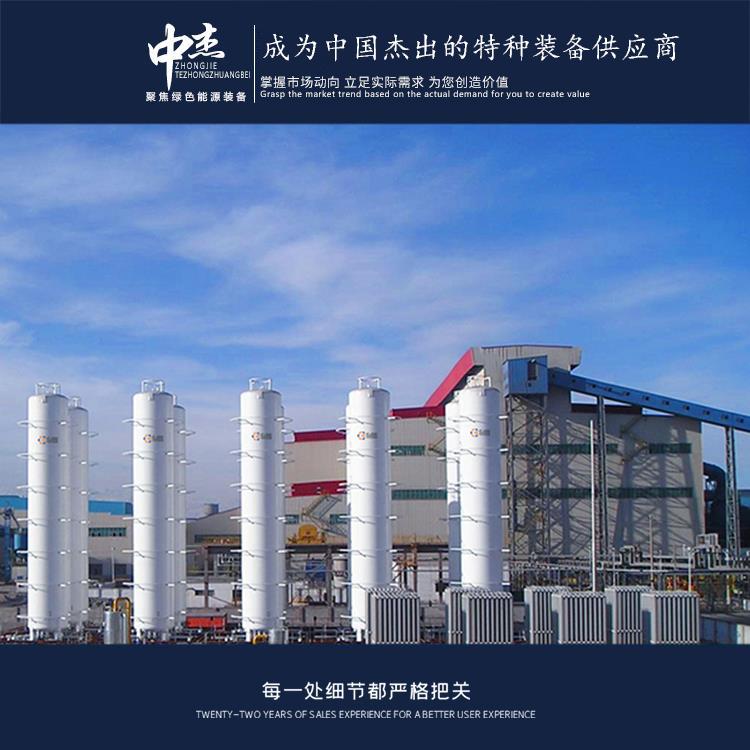
Common defects in carbon dioxide storage tanks during use include deformation. Here are some causes that may lead to tank deformation: Overpressure: When the internal pressure of the tank exceeds its design pressure, deformation may occur. This could be due to operational errors, system failures, or other reasons. Temperature Fluctuations: Carbon dioxide storage tanks expand and contract with temperature changes, and if the temperature changes are too great or too rapid, deformation of the tank may occur. Internal Corrosion: If there are corrosion issues inside the tank, the corrosion will damage the structural integrity of the tank, leading to deformation. External Damage: External impacts, compressions, or other physical damages can cause tank deformation. Incorrect Installation or Use: Incorrect installation or use methods can lead to uneven stress on the tank, causing deformation. Tank deformation may reduce the structural integrity of the tank and even pose risks of leakage or rupture. Therefore, it is important to regularly inspect and maintain the integrity of the tank, as well as to follow correct operational and installation procedures. If tank deformation or other defects are suspected, the tank should be immediately discontinued from use and assistance from personnel should be sought for inspection and repair. Do not attempt to repair or continue using a defective tank yourself to ensure operational safety.
Our company attaches great importance to technological innovation and R&D design, boasting one city-level technical center in Heze City. We have established testing facilities for non-destructive testing, physical and chemical testing, welding testing, hydrostatic testing, etc., and are equipped with over 600 instruments and equipment including CNC machine tools, X-ray flaw detectors, digital ultrasonic flaw detectors, mechanical property testing machines, chemical analyzers, spectrometers, tensile testing machines, plasma welding machines, and more. The key products and technologies we have developed, such as welding for temperature and pressure vessels, emission reduction for biomass boilers, and waste heat utilization, have successively been selected for multiple Shandong Provincial Department of Industry and Information Technology science and technology innovation projects, key projects in Shandong Province, and Heze City innovation and excellence projects. We have cumulatively obtained 27 authorized utility models, 16 authorized inventions, participated in drafting 2 standards, 2 industry standards, and registered 15 trademarks. Our technical team, in collaboration with Professor Li Yajiang of Shandong University, has jointly developed deep cryogenic vessel processing technology using the international plasma arc + filler wire argon arc welding (PAW-GTAW) technique. After provincial-level scientific and technological achievement identification, the technology level has reached an international standard in the field of deep cryogenic vessel manufacturing. Choose ZJ Special Equipment, and let's create brilliance together!
WeChat Official Account

Scan to follow Official Account



















