



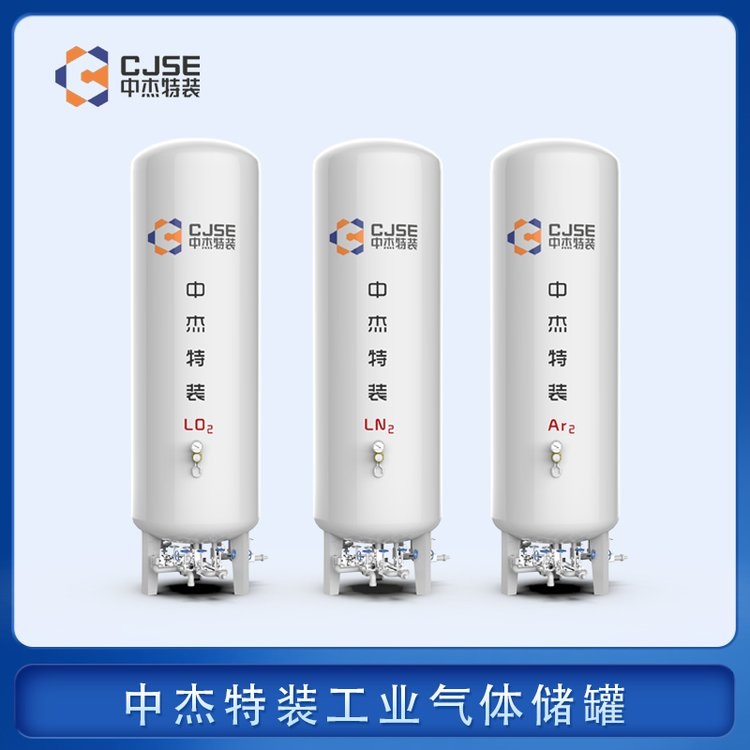
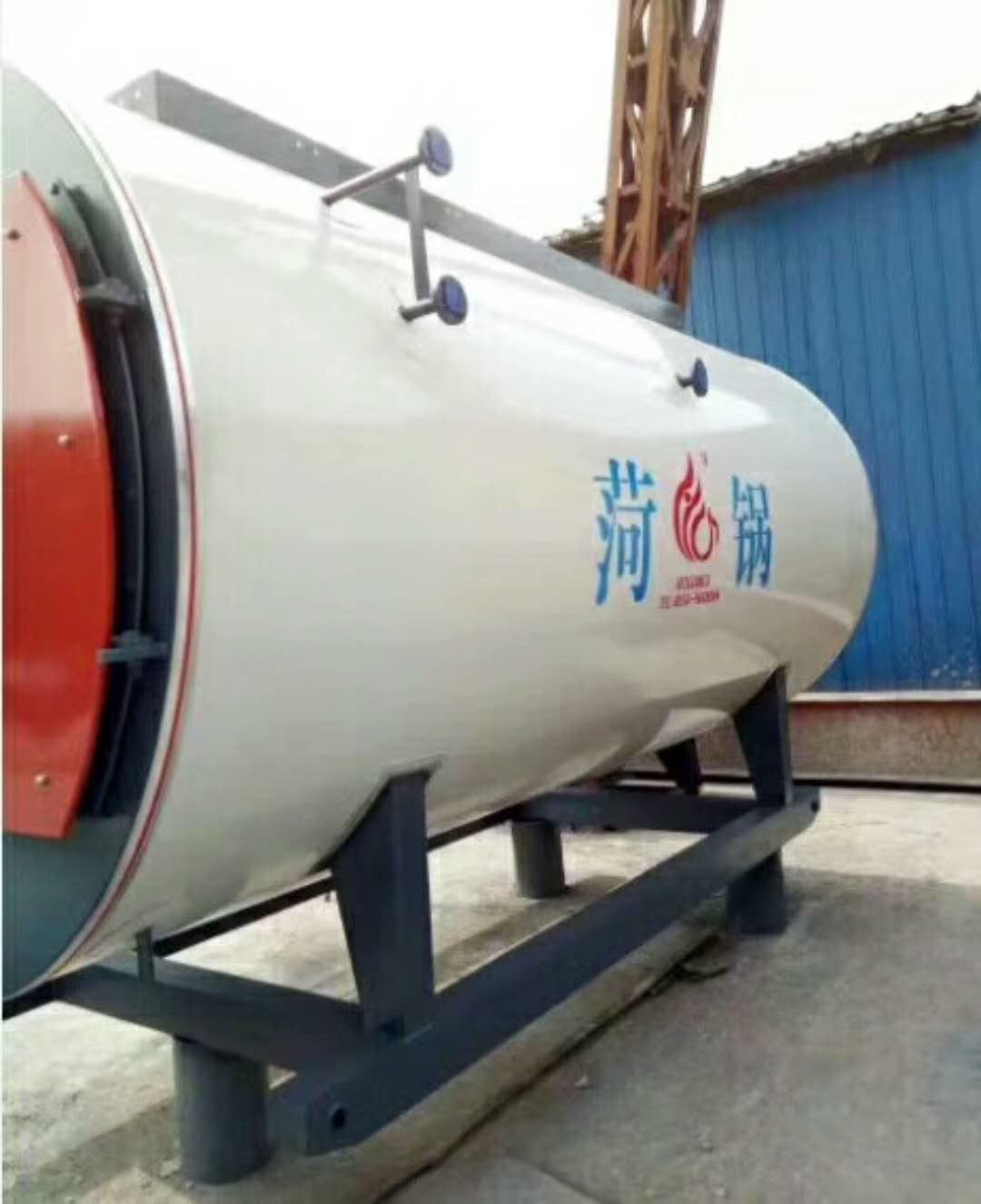


















Shandong Zhongjie Special Equipment Co., Ltd. specializes in: fuel (gas) boilers, organic heat carrier boilers, biomass boilers, waste heat recovery boilers, and other boiler products; vacuum insulation deep-freeze pressure vessels such as LNG storage tanks, oxygen-nitrogen-argon storage tanks, CO2 storage tanks, etc.; pressure vessel products including denitrification engineering equipment, heat storage and energy storage equipment, complete chemical equipment sets, etc.; central air conditioning and ventilation equipment such as ground (water) source heat pumps, air source units, water-cooled screw units, and air-cooled modules. Planned products include large-scale energy centers, LNG transport vehicles, LNG tank containers, and other green energy equipment.
Prior to using the liquid oxygen tank, the following preparations must be made:
Safety Inspections: Ensure the tank and its surrounding environment are safe. Check for any damage, leaks, or other safety hazards. Confirm that there are no flammable materials or other hazardous items around the tank.
Tank Preparation: Inspect the tank's exterior, including the shell, welds, valves, and fittings. Ensure the tank has no obvious damage or corrosion. Check that the insulating layer is intact and undamaged.
Liquid Oxygen Filling: Utilize liquid oxygen transfer equipment to fill the tank with liquid oxygen. Ensure the flow rate and pressure of liquid oxygen during the filling process are maintained within a safe range.
Pressure Control: Storage tanks should be equipped with pressure control devices to ensure internal pressure remains within safe limits. Inspect and adjust the pressure control devices to ensure proper operation.
Valve Operation: Check that the valves and connections on the tank are functioning properly. Ensure the valves open and close smoothly and reliably. Adjust the opening and closing status of the valves as needed.
Safety Equipment: Inspect the safety equipment around the storage tank, such as fire separation zones and alarm systems, to ensure they are functioning properly.
Operator Training: Ensure operators are proficient in the safe operation of liquid oxygen tanks.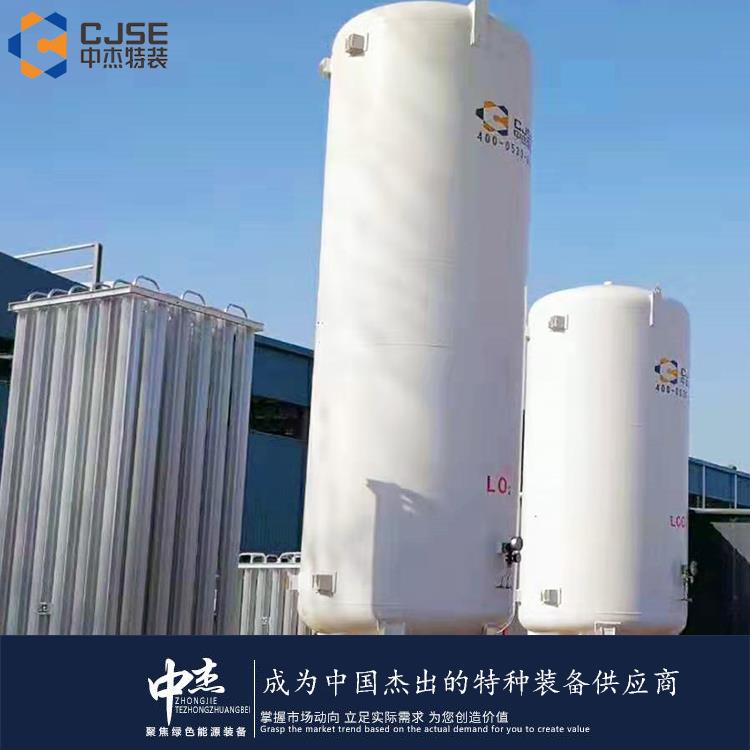
Liquid nitrogen tanks are widely used in meat freezing. The following are several main applications of liquid nitrogen tanks in meat freezing:
Quick Freezing: Liquid nitrogen tanks can provide low temperatures to rapidly freeze meats to the desired temperature. Due to the low-temperature properties of liquid nitrogen, the temperature of the meat can be rapidly reduced in a short period, effectively preserving the quality and texture of the meat.
Cryogenic Storage: Liquid nitrogen tanks are suitable for long-term frozen storage of meat products. Placing meat in a liquid nitrogen tank helps maintain low temperatures, preventing the growth of bacteria and microorganisms, thereby extending the shelf life of the meat.
Chilled Transportation: Liquid nitrogen tanks are suitable for the cold transport of meat products. Placing the meat in a liquid nitrogen tank maintains its low temperature, ensuring the quality and freshness of the meat during transportation.
Chilled Processing: Liquid nitrogen tanks can be used for meat freezing. By exposing meat to liquid nitrogen, the surface can be quickly frozen, forming a frost layer, thereby preserving the meat's moisture and nutritional content.
Chilled Processing: Liquid nitrogen tanks are used for meat freezing processing. Placing meat in liquid nitrogen makes it harder and more brittle, facilitating cutting, slicing, and processing.
Be mindful that when using liquid nitrogen tanks for meat freezing, it's crucial to adhere to the relevant safety operation procedures and guidelines. Ensure that operators are equipped with the necessary safety awareness and operational skills to prevent accidents. Additionally, consult with the food safety authority.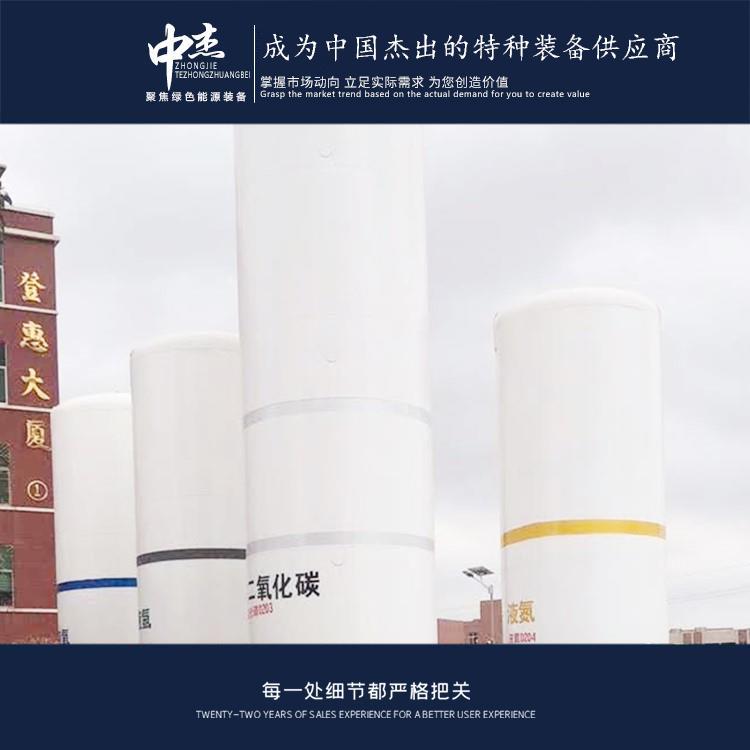
When storing liquid nitrogen in low-temperature storage tanks, be mindful of the following points:
Protective Gear: When operating low-temperature storage tanks, it is mandatory to wear appropriate protective gear, including gloves, protective suits, and non-slip shoes. This gear safeguards the skin from the low temperatures of liquid nitrogen and other hazards.
Avoid direct contact: Liquid nitrogen is extremely cold and can cause frostbite. Therefore, avoid direct contact with liquid nitrogen, especially with the skin. Use tools or utensils for handling to prevent direct hand contact with liquid nitrogen.
Ventilation Requirements: Ensure adequate ventilation in the operation area of low-temperature storage tanks to expel gases produced by the evaporation of liquid nitrogen. Maintain air circulation to avoid excessive oxygen concentration, reducing the risk of fire and explosion.
Prevent Leaks: Regularly inspect the low-temperature storage tanks for leaks and equip them with leak detectors and alarm systems. In case of a leak, take immediate action to control and repair it. Avoid leaks of liquid nitrogen to prevent harm to personnel and the environment.
Fire Prevention Measures: Liquid nitrogen has a low boiling and freezing point, which is prone to causing fires. Measures such as setting up fire barriers around low-temperature storage tanks and using fire-resistant coatings are taken to prevent fires from occurring and spreading.
Static Protection: The accumulation of static electricity in low-temperature tanks may cause sparks, increasing the risk of fire. Measures such as using static-conductive materials and anti-static equipment are taken to reduce the accumulation and release of static electricity.
Regular inspections and maintenance: Conduct regular checks on the condition of low-temperature storage tanks and related equipment, including valves, pipes, pressure gauges, etc. Ensure that the equipment is in perfect condition without any damage, and promptly repair or replace any damaged parts.
Waste Gas Treatment: Low-temperature storage tanks produce waste gas during operation, and appropriate waste gas treatment measures must be taken to minimize environmental impact.
Above are the precautions to be taken when storing liquid nitrogen in a low-temperature storage tank, ensuring safe operation and normal tank operation. During operation, strictly follow the relevant operational procedures and safety operation requirements to prevent accidents.
The filling process of a low-temperature liquid nitrogen storage tank refers to the act of transferring liquid nitrogen from an external supply source into the tank. Below is an explanation of the filling process for low-temperature liquid nitrogen storage tanks:
Preparation: Before filling a liquid nitrogen tank, proper preparation is required. This includes inspecting the tank's condition and safety to ensure the interior is clean, free of impurities and contaminants. Additionally, check the quality of the liquid nitrogen supply and the safety of the supply pipeline.
Connect supply source: Link the liquid nitrogen supply source to the liquid outlet of the storage tank. Ensure the connection is securely fastened to prevent leaks.
Control Liquid Level: During the bottling process, it is necessary to control the liquid nitrogen level to avoid overfilling or spilling. A liquid level gauge or level control system can be used to monitor and control the liquid level.
Slow Injection: The injection of liquid nitrogen should be gradual to prevent rapid vaporization and increased pressure. Appropriate valves and flow control devices can be used to regulate the injection rate.
Monitor Pressure: During the bottling process, the pressure of the storage tank must be monitored to ensure it remains within a safe range. Pressure gauges or pressure sensors and other equipment can be used for monitoring.
Canning completed: Stop injecting liquid nitrogen when the liquid level reaches the predetermined filling amount or the tank's capacity limit. Disconnect the connection to the supply source and ensure the sealing integrity of the filling port.
Safe Operation: Throughout the bottling process, it is essential to adhere to relevant safety regulations and operational guidelines. Liquid nitrogen is highly flammable and extremely cold, so operators must wear appropriate personal protective equipment and ensure the operating environment is free of ignition sources.
When bottling liquid nitrogen, be mindful of its low-temperature characteristics and safety. Ensure safe operation and control throughout the bottling process to guarantee the safe operation of the storage tank and the effective storage of liquid nitrogen.
Shandong Zhongjie Special Equipment, welcome customers to visit our factory for business talks.
WeChat Official Account

Scan to follow Official Account



















