



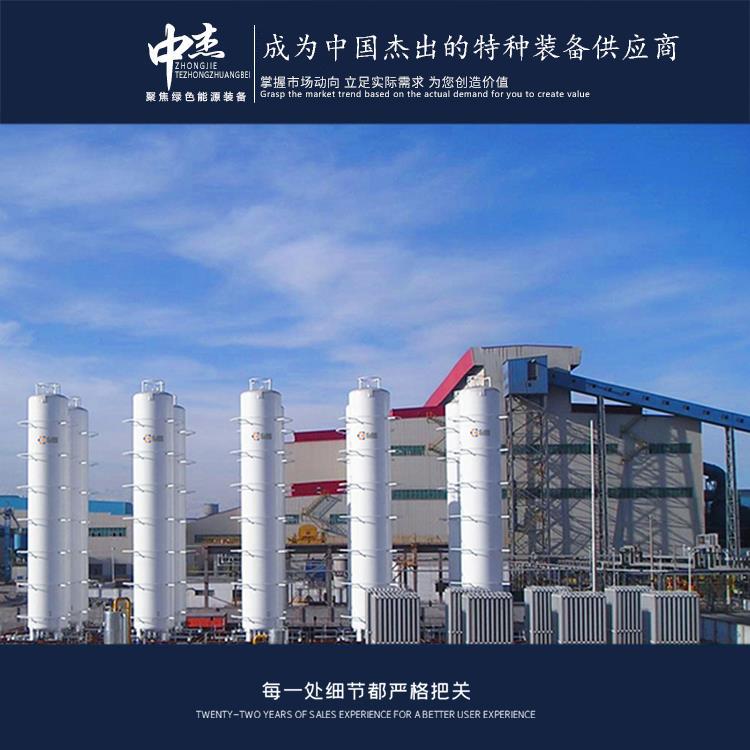
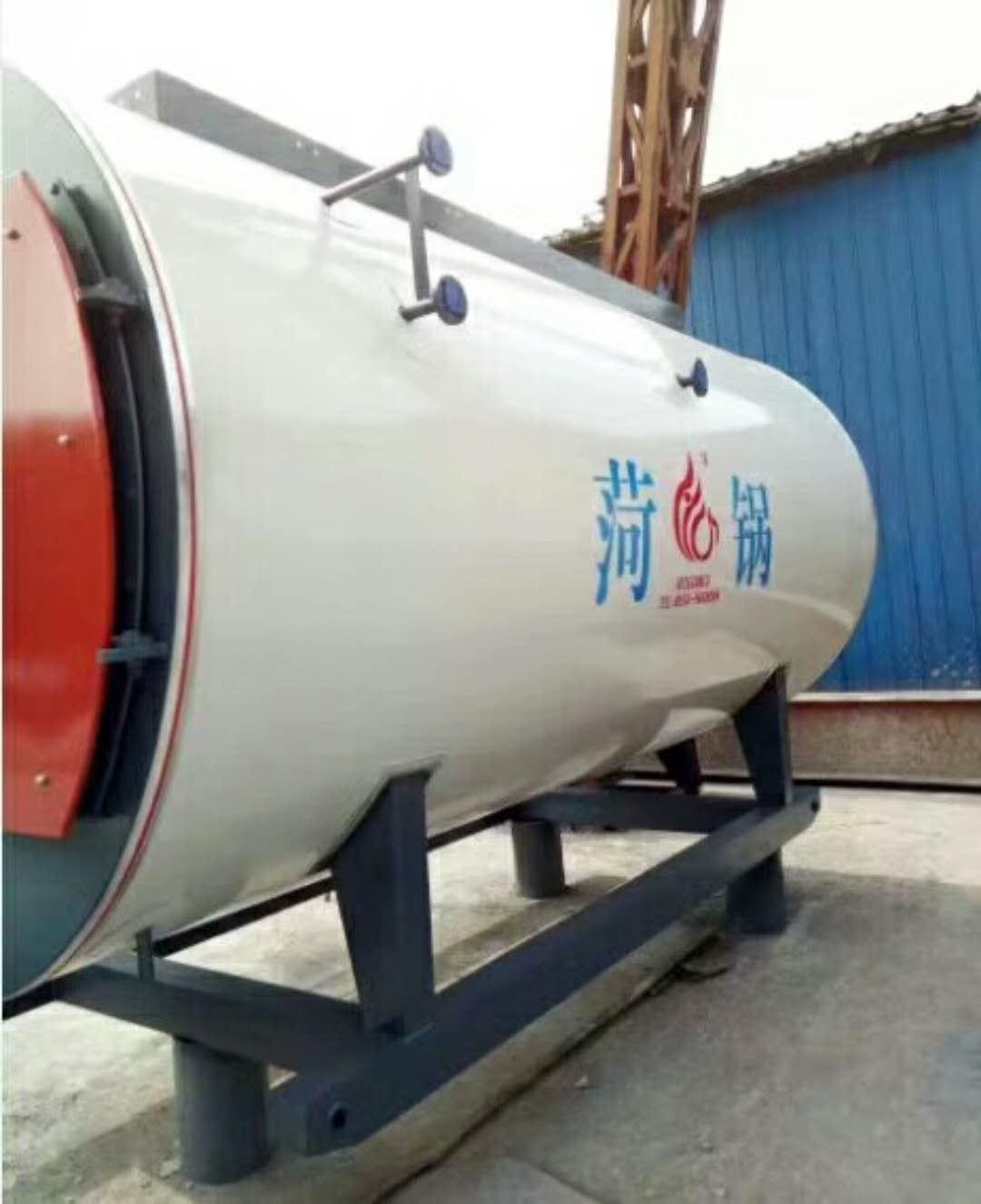


















Shandong Zhongjie Special Equipment (formerly Heze Boiler Factory Co., Ltd.) was established in 2001, located at No. 2218 Jinnan Road, Economic and Technological Development Zone, Heze City, with a registered capital of 50 million yuan and total assets of 500 million yuan. The company has 7 business centers: boilers, deep-freezing vessels, pressure vessels, central air conditioning, engineering installation, international trade, and Internet of Things. It has three factory sites on Jinnan Road, East Changjiang Road, and Bohai Road, covering a total area of 200,000 square meters, with the main workshop spanning 83,000 square meters. Currently, it employs 710 people, including 247 engineers and technicians and 82 intermediate-level technicians. In December 2016, it was recognized as a "High-Tech Enterprise" by the Science and Technology Department. In June 2021, it was identified as a "Specialized and New Enterprise in Shandong Province" by the Ministry of Industry and Information Technology. In June 2022, it was recognized as a "Gazelle Enterprise in Shandong Province" and in August 2022, as a "Specialized and New Small Giant Enterprise" by the Ministry of Industry and Information Technology.
In pressure vessel design, several common "thickness" parameters must be considered:
Wall Thickness: Refers to the actual thickness of the pressure vessel wall. The selection of wall thickness should consider factors such as the design pressure, material strength, and corrosion resistance to ensure the vessel's strength and safety.
Bend Allowance: The bend allowance refers to the additional thickness added to the wall thickness during the manufacturing process to ensure the strength and shape of the container's bending sections. The calculation and selection of the bend allowance should consider factors such as the bending radius of the container and the bendability of the material.
Corrosion Allowance: The corrosion allowance refers to the additional thickness added to the wall to account for internal or external corrosion of the container. The selection of the corrosion allowance should consider the working environment of the container and the corrosive properties of the medium to ensure the container can withstand corrosion throughout its service life.
These "thickness" parameters play a crucial role in pressure vessel design, affecting the container's strength, corrosion resistance, and safety. During the design process, it is necessary to reasonably select and calculate these thickness parameters, in accordance with relevant standards and specifications, considering the container's usage conditions and requirements, to ensure the design and manufacturing meet the standards.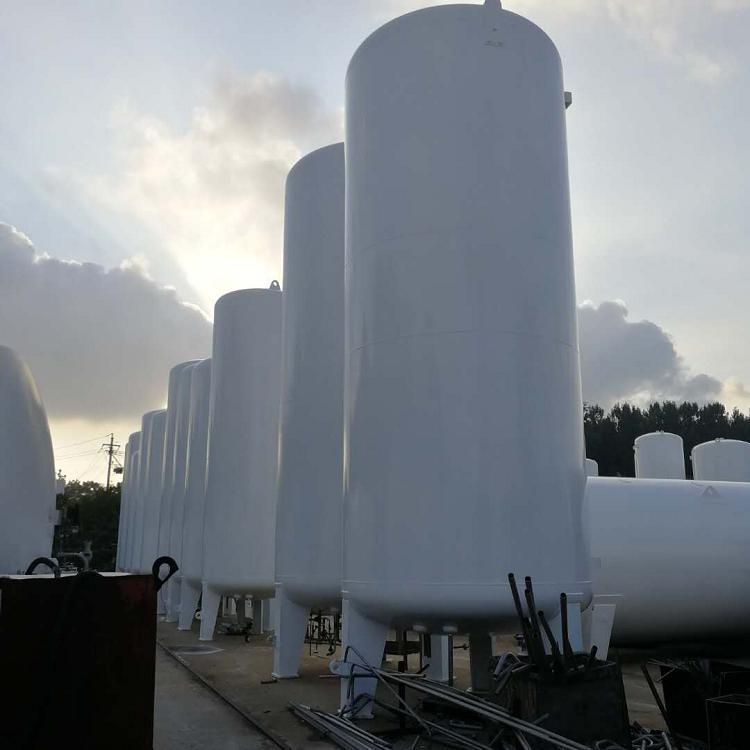
A 50-cubic-meter liquid oxygen storage tank refers to a tank with a volume of 50 cubic meters. Liquid oxygen storage tanks are commonly used for storing and supplying liquid oxygen for applications such as laboratory research, etc.
Key features and configurations of a 50 cubic meter liquid oxygen storage tank may include the following aspects:
Volume: A 50 cubic meter liquid oxygen tank can store a large quantity of liquid oxygen.
Structure: Liquid oxygen storage tanks are typically designed with a double or multi-layer structure, filled with insulating material in between to minimize heat transfer and evaporation of the liquid oxygen. The tank material is usually stainless steel or aluminum alloy, offering excellent corrosion resistance and low-temperature performance.
Insulation Layer: The insulation layer of liquid oxygen storage tanks typically employs multi-layer insulation materials, such as polyethylene foam, glass fiber, and vacuum layers, to reduce heat transfer and the evaporation of liquid oxygen.
Temperature Control System: Liquid oxygen tanks are typically equipped with a temperature control system to regulate the tank's temperature, maintaining the low-temperature state of the liquid oxygen.
Safety Equipment: Liquid oxygen tanks are typically equipped with safety devices such as pressure sensors, temperature sensors, and safety valves to ensure safe operation of the tank.
It is crucial to strictly adhere to the relevant safety regulations and operational guidelines when using liquid oxygen tanks to ensure their safe operation and use. Liquid oxygen is highly flammable, so fire prevention measures must be taken when using liquid oxygen tanks, and it must be ensured that there are no sources of fire around the tank.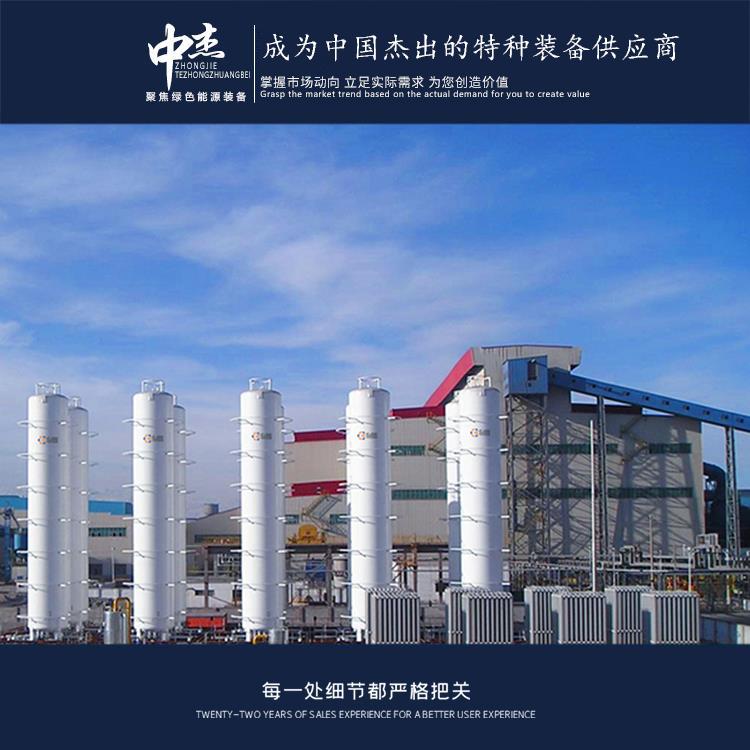
Liquid oxygen low-temperature storage tanks are primarily used for storing and supplying liquid oxygen, and their application methods can vary based on specific needs and scenarios. Here are some common applications of liquid oxygen low-temperature storage tanks:
Applications: Liquid Oxygen Low-Temperature Storage Tanks are widely used in the field for cryogenic preservation of biological samples, cells, tissues, and vaccines. Institutions such as biopharmaceutical research organizations and biobanks utilize these tanks to store and protect these biological materials.
Experimental Research: Liquid Oxygen Low-Temperature Storage Tanks are used to provide low-temperature environments in scientific research and laboratories, for cryogenic preservation and experiments. These tanks play a crucial role in experimental research across various fields, including physics, chemistry, biology, and materials science.
Industrial Applications: Liquid Oxygen Low-Temperature Storage Tanks are used in industrial sectors for providing low-temperature cooling, applicable in processes such as metalworking, welding, and heat treatment. These tanks can deliver low temperatures, enabling metals to achieve the required hardness and toughness during processing.
The food industry utilizes liquid oxygen low-temperature storage tanks for freezing and refrigerating food products such as frozen meats, fruits, and seafood. The low temperature of liquid oxygen rapidly freezes the food, preserving its freshness and quality.
Liquid oxygen cryogenic storage tanks are used in the field for storing and supplying liquid oxygen as fuel. As a high-energy fuel, liquid oxygen is widely used in the propulsion systems of engines and devices.
During the operation of liquid oxygen low-temperature storage tanks, it is essential to strictly adhere to relevant safety regulations and operational guidelines to ensure the safe operation and use of the tanks. Liquid oxygen is highly flammable, so fire prevention measures must be taken when using liquid oxygen low-temperature storage tanks, and it must be ensured that there are no sources of fire nearby.
The installation of the safety valve in a liquid oxygen storage tank is a crucial component to ensure that the tank can release pressure in a timely manner during overpressure situations, protecting the tank and associated equipment. Below are the steps for installing the safety valve in a liquid oxygen storage tank:
Confirm the rated pressure of the safety valve: Select an appropriate safety valve based on the design pressure and flow requirements of the liquid oxygen storage tank. Ensure the rated pressure of the safety valve meets the tank's specifications and complies with relevant safety standards and regulations.
Valve Installation Location: Select an appropriate location for installing the safety valve. Typically, the safety valve should be mounted on the top or side of the liquid oxygen storage tank to allow for timely pressure release in the event of overpressure.
Prepare installation interfaces: Prepare the corresponding interfaces based on the connection method of the safety valve. This may include welding interfaces, threaded interfaces, or flange interfaces, etc. Ensure the sealing and firmness of the connections.
Install the safety valve: Mount the safety valve onto the prepared interface. Follow the installation instructions for the safety valve to ensure proper connection and tightness.
Adjustment and Testing: After installation, adjust and test according to the requirements of the safety valve. Ensure the opening and closing pressures of the safety valve meet the design specifications, and conduct a leak test to verify its sealing integrity.
Connect discharge piping: The discharge piping of the safety valve should be properly connected to the outlet of the safety valve. The discharge piping should have sufficient diameter and flow capacity to ensure effective release of overpressure gas when the safety valve is activated.
Labeling and Record Keeping: Identify relevant information on safety valves and discharge pipes, such as rated pressure, flow rate, and installation date. Additionally, record the installation details and test results of the safety valves for future reference and maintenance.
When installing the safety valve on the liquid oxygen storage tank, it is essential to follow the relevant safety regulations and operating guidelines. If you lack the necessary experience and knowledge, it is recommended to seek assistance and guidance from a professional to ensure the correct installation and reliable operation of the safety valve.
Zhongjie Special Equipment upholds the grand vision of "realizing employees' dreams, creating value for customers, and striving for the prosperity and strength of our motherland," focusing solely on the development of green energy equipment. We dedicate products and services with high cost-performance to society!
WeChat Official Account

Scan to follow Official Account



















