



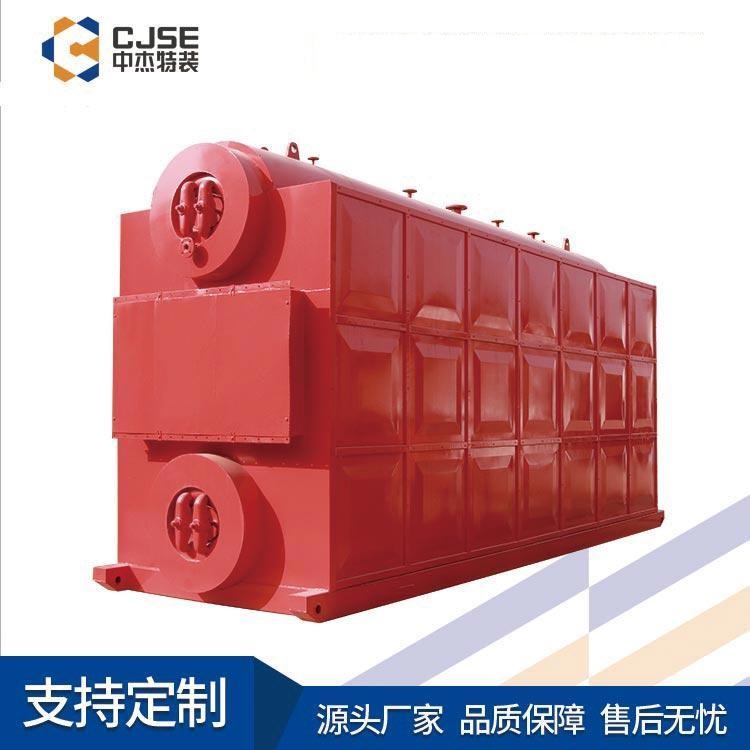
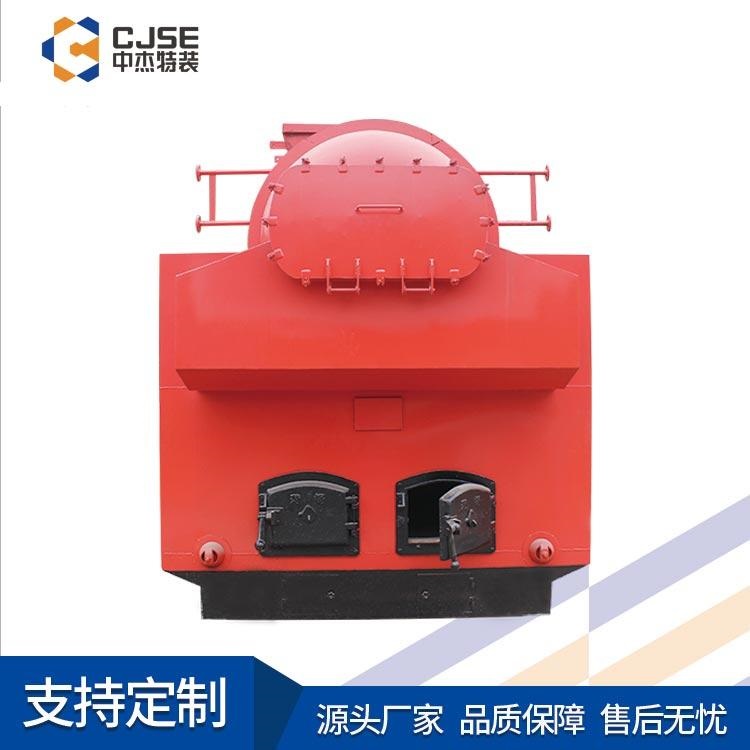


















Shandong Zhongjie Special Equipment (formerly Heze Boiler Factory Co., Ltd.) holds an A-grade boiler manufacturing license, an A2-grade pressure vessel manufacturing license, an A2-grade pressure vessel design license, a B-grade boiler installation license, and GB2/Class GC2 pressure pipeline installation licenses, as well as an electromechanical equipment installation contracting qualification. It is a member of the China Boiler and Water Treatment Association, the China Chemical Equipment Association, and the council member of the Shandong Equipment Manufacturing Association. The company has also passed certifications for the ISO9001 Quality Management System, ISO14001 Environmental Management System, OHSAS18001 Occupational Health and Safety Management System, and the American ASME/U2 certification.
Reducing nitrogen oxides (NOx) emissions from biomass boilers can be achieved through the following measures:
Combustion Control Technology: Utilizes advanced combustion control techniques, such as low nitrogen combustion technology. By optimizing the combustion process and controlling the combustion temperature and oxygen concentration, nitrogen oxide emissions are reduced. Methods like staged combustion and optimized combustion chamber design can be employed to lower combustion temperatures and extend combustion times, further decreasing nitrogen oxide formation.
SNCR Technology: Selective Non-Catalytic Reduction (SNCR) technology involves injecting a reductant, such as urea solution, into the combustion process to react with nitrogen oxides, converting them into nitrogen and water. This technique can reduce the formation and emission of nitrogen oxides during combustion.
SCR Technology: Selective Catalytic Reduction (SCR) technology is a nitrogen oxide control method. By injecting urea solution into flue gas and utilizing a catalyst, nitrogen oxides are converted into nitrogen and water. SCR technology achieves nitrogen oxide removal at lower temperatures, making it suitable for large biomass boilers.
Flue Gas Recirculation (FGR): The Flue Gas Recirculation (FGR) technology recycles a portion of flue gas back into the boiler combustion chamber, reducing combustion temperature and oxygen concentration, thereby minimizing the formation of nitrogen oxides. This technique can control nitrogen oxide emissions by adjusting the recirculation ratio.
Fuel selection and pretreatment: Choosing low nitrogen fuels, such as low nitrogen biomass fuels, can reduce the formation of nitrogen oxides. Additionally, for biomass fuels with high nitrogen content, pretreatment measures such as drying and gasification can be taken to decrease the formation of nitrogen oxides during combustion.
Regular Maintenance and Cleaning: Perform regular maintenance and cleaning on biomass boilers to ensure the cleanliness and proper operation of components like burners and heat exchangers. Cleaning the combustion chamber and heat exchangers can reduce the buildup of dirt, enhance heat transfer efficiency, and decrease nitrogen oxide emissions.
By implementing the aforementioned measures comprehensively, nitrogen oxide emissions from biomass boilers can be effectively reduced, achieving both environmental protection and energy-saving objectives. The specific measures to be chosen should be based on the characteristics of the boiler, its operating conditions, and emission requirements.
Advantages of Biomass Fuel:
Renewable Energy: Biomass fuel is a renewable energy source with a wide range of sources, including wood, straw, and waste, making its supply more sustainable compared to fossil fuels.
Environmental and Low-Carbon: The amount of carbon dioxide emitted during the combustion of biomass fuel is roughly equivalent to the amount absorbed during its growth, resulting in almost no net increase in carbon dioxide emissions, which has a positive impact on mitigating climate change.
Reduce Waste Management: Biomass fuel can utilize agricultural straw, wood waste, and other waste materials, thereby reducing waste management and emission issues.
High energy utilization efficiency: Biomass fuel has a high calorific value and high combustion efficiency, which can be effectively converted into thermal or electrical energy, providing a reliable energy supply.
The use of biomass boilers:
Heating Systems: Biomass boilers can be used in heating systems such as central heating, warm water, and steam supply, widely applied in residential areas, industrial factories, and commercial buildings.
Industrial Production: Biomass boilers can provide thermal energy for industrial production, such as in the pulp and paper, food processing, and chemical industries, meeting the thermal energy requirements throughout the production process.
Power Generation System: Biomass boilers can be combined with steam turbine generator sets to convert the thermal energy produced by combustion into electrical energy for power supply.
Hot Water Supply: Biomass boilers can be used for hot water supply, such as for swimming pools, hot springs, hotels, and other locations.
Agricultural Utilization: Biomass boilers can utilize agricultural waste like straw from crops, addressing energy needs in rural areas and providing the required thermal energy for agricultural production.
The use of biomass boilers is environmentally friendly, sustainable, and efficient, enabling the effective utilization of biomass resources, reducing dependence on fossil fuels, lowering carbon emissions, and promoting sustainable development.
The application methods for biomass boilers can be selected and adjusted according to specific application needs and scenarios. Here are some common application methods:
Heating Systems: Biomass boilers can be used in heating systems to provide hot water or steam for buildings, industrial plants, etc. Heat energy can be transmitted through pipelines to the areas requiring heating, meeting needs for heating and hot water.
Industrial Production: Biomass boilers can be used for thermal energy supply in industrial production processes, such as food processing, pulp and papermaking, and chemical industries. The thermal energy provided by biomass boilers meets the heating and steam requirements in industrial production.
Greenhouse Heating: Biomass boilers can be used in greenhouse heating systems to provide hot water or steam to maintain the optimal temperature and humidity within the greenhouse, thereby promoting plant growth.
Rural Heating: Biomass boilers can be used in rural heating systems to provide heating and hot water for rural residents. They can meet the heating needs of rural areas through centralized or decentralized heating.
Hot Water Pump Drying: Biomass boilers can be used in hot water pump drying systems for drying wood, grains, and other materials. By providing hot water or steam, it accelerates the drying process and enhances efficiency.
Biomass Power Generation: Biomass boilers can be integrated with power generation equipment for biomass power generation. By burning biomass fuel to produce steam, it drives the generator to generate electricity, achieving energy utilization and conversion.
Above are some common application methods for biomass boilers. According to specific requirements and scenarios, the appropriate application method can be selected and combined with relevant equipment and systems for configuration and adjustment.
The internal structure of an automatic biomass boiler typically includes the following main components:
Combustion Chamber: The combustion chamber is the area within a biomass boiler where combustion takes place. It typically consists of the burner, combustion chamber walls, top, and bottom. The combustion chamber provides the space and oxygen needed for the biomass fuel to burn and generate heat energy.
Chimney System: The chimney system is designed to guide flue gases produced by combustion out of the combustion chamber. It includes flue pipes, chimneys, and flue gas purification equipment, etc. The design and layout of the chimney system can effectively enhance the efficiency of flue gas emissions and thermal energy utilization.
Heat Exchanger: A heat exchanger is a critical component in biomass boilers, designed to transfer thermal energy from the flue gas produced by combustion to water or other working fluids. Common types of heat exchangers include tube-type and flue-tube type. The design and material selection of the heat exchanger are essential for improving
Shandong Zhongjie Special Equipment, welcome customers to visit our factory for business discussions.
WeChat Official Account

Scan to follow Official Account



















