


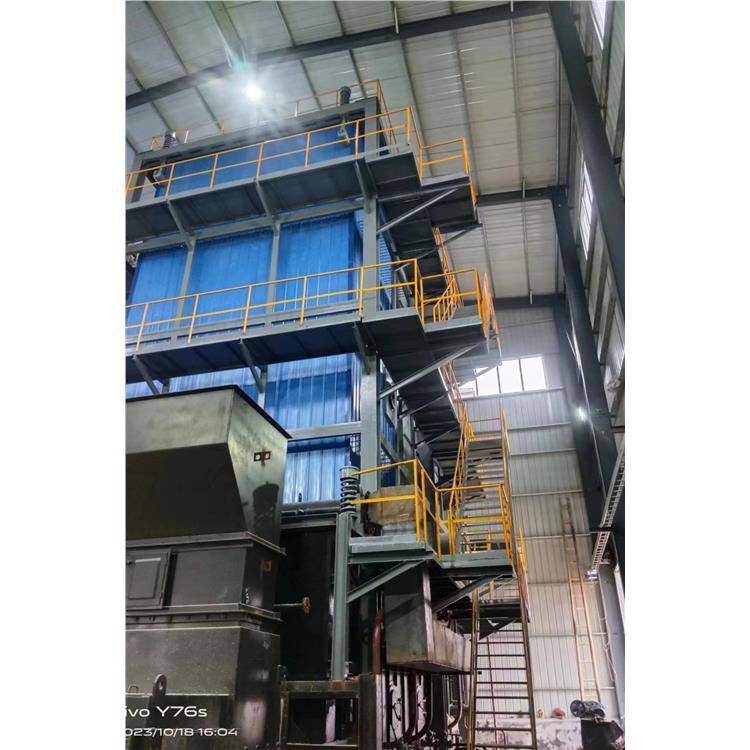


















Shandong Zhongjie Special Equipment (formerly Heze Boiler Factory Co., Ltd.) holds an A-grade boiler manufacturing license, A2-grade pressure vessel manufacturing license, A2-grade pressure vessel design license, B-grade boiler installation, and GB2/Class, GC2/Class pressure pipeline installation licenses, as well as mechanical and electrical equipment installation contracting qualifications. It is a member of the China Boiler and Water Treatment Association, the China Chemical Equipment Association, and the director unit of the Shandong Equipment Manufacturing Association. The company has also passed the ISO9001 Quality Management System, ISO14001 Environmental Management System, OHSAS18001 Occupational Health and Safety Management System certifications, and the American ASME/U2 certification.
Developing biomass boiler heating is an effective measure against air pollution. Here are some related suggestions:
Replace high-pollution energy sources: Replace traditional coal boilers with biomass boilers to reduce emissions of air pollutants from coal combustion. The combustion of biomass fuel produces relatively fewer pollutants, resulting in less pollution to the atmosphere.
Enhance Combustion Efficiency: Improve combustion efficiency and reduce fuel waste and pollutant emissions by optimizing the combustion process of biomass boilers. Adjust combustion parameters such as combustion temperature and duration to achieve more complete combustion.
Regulate Pollutant Emissions: Utilizing pollutant control technologies such as flue gas desulfurization, denitrification, and particulate matter capture to reduce emissions. Install flue gas purification equipment to effectively remove pollutants like nitrogen oxides and particulates generated during the combustion process.
Enhanced Monitoring and Management: Establish a comprehensive monitoring system to monitor and evaluate the operation status and pollutant emissions of biomass boilers. Strengthen the management of biomass boilers to ensure regular maintenance and equipment care.
Prior to considering the use of biomass boilers, the following preliminary analyses must be conducted:
Fuel Supply: Biomass boilers require biomass fuel such as wood chips, straw, etc. Before selecting a biomass boiler, it's essential to ensure a stable fuel supply channel, including fuel procurement, storage, and transportation.
Fuel Costs: The cost of biomass fuel may be influenced by factors such as season, region, and crop yields. Before selecting a biomass boiler, it's essential to evaluate the fuel costs to ensure economic feasibility.
Boiler Requirements: Assess the required thermal output and heating area based on actual needs. This will help determine the appropriate scale and model of biomass boiler needed.
Technical Requirements: The installation and operation of biomass boilers require certain technical specifications. Before selecting a biomass boiler, it's necessary to assess your technical capabilities and resources to ensure you can meet the requirements for installation, debugging, and maintenance.
Environmental Requirements: Biomass boilers have lower carbon emissions and environmental impact compared to traditional coal-fired boilers. However, local environmental regulations and emission standards must be considered to ensure compliance with the relevant requirements for the use of biomass boilers.
Economic Benefits: In addition to fuel costs, it is necessary to consider the overall economic benefits of biomass boilers, including factors such as the purchase cost, operational and maintenance costs, and energy-saving benefits.
By integrating analysis, it is possible to accurately assess the suitability and feasibility of biomass boilers, thereby making informed decisions.
Controlling fouling in biomass boilers is a crucial measure to ensure the normal operation of the boiler and to extend its lifespan. The following are some common methods for controlling fouling in biomass boilers:
Select fuel wisely: Opt for high-quality, moderately humid biomass fuel, avoiding overly wet or excessively impure fuel to minimize the risk of coking.
Regulate combustion temperature: Reasonably control the combustion temperature of biomass boilers to avoid excessively high temperatures, reducing the fuel's residence time in the furnace and lowering the risk of slagging.
Enhanced Furnace Cleaning: Regularly clean the furnace to remove ash and accumulated soot, ensuring the furnace remains unobstructed and minimizing the risk of coking.
Regulate Excess Air: Properly control the air supply during the combustion process of biomass boilers to prevent excessive air from entering the furnace, reducing the risk of fuel oxidation and slagging.
Regular Ash Blowing: Perform regular ash blowing on biomass boiler components such as economizers and superheaters to remove ash and slag, maintaining heat exchange efficiency and reducing the likelihood of scaling.
Enhanced Monitoring and Inspection: Regularly monitor and inspect biomass boilers, including parameters such as furnace temperature, flue gas composition, and furnace pressure, to promptly identify any anomalies and take appropriate actions.
These measures can help control the fouling issue in biomass boilers, maintain normal operation of the boiler, and extend the service life of the boiler. Additionally, based on specific circumstances, other appropriate measures can be adopted in combination with actual operating experience and technical requirements.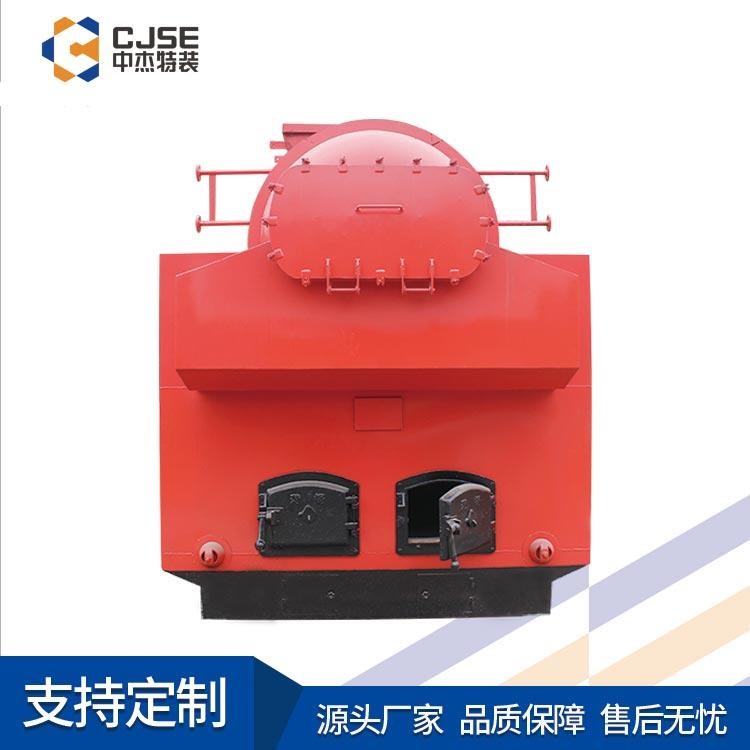
The application methods for biomass boilers can be selected and adjusted according to specific application needs and scenarios. Here are some common application methods:
Heating System: Biomass boilers can be used in heating systems to provide hot water or steam for buildings, industrial workshops, etc. Heat energy can be transmitted through pipelines to the areas requiring heating, meeting the needs for heating and hot water.
Industrial Production: Biomass boilers can be used for thermal energy supply in industrial production processes, such as food processing, pulp and papermaking, and chemical industries. The thermal energy provided by biomass boilers meets the heating and steam requirements in industrial production.
Greenhouse Heating: Biomass boilers can be used in greenhouse heating systems to provide hot water or steam to greenhouses, maintaining suitable temperature and humidity inside, and promoting plant growth.
Rural Heating: Biomass boilers can be utilized in rural heating systems to provide heating and hot water for rural residents. They can meet the heating needs of rural areas through centralized or decentralized heating methods.
Hot Water Pump Drying: Biomass boilers can be used in hot water pump drying systems for drying wood, grain, and other materials. By providing hot water or steam, the drying process is accelerated, enhancing drying efficiency.
Biomass Power Generation: Biomass boilers can be integrated with power generation equipment for biomass-based electricity production. By burning biomass fuel to produce steam, the steam drives the generator to generate electricity, achieving the utilization and conversion of energy.
Here are some common applications of biomass boilers. According to specific needs and scenarios, suitable application methods can be chosen, and configurations and adjustments can be made in conjunction with related equipment and systems.
Our company attaches great importance to technological innovation and R&D design. We have one municipal-level enterprise technology center in Heze City, equipped with testing facilities for non-destructive testing, physical and chemical testing, welding testing, hydrostatic testing, etc. We have over 600 types of equipment, including CNC machine tools, X-ray flaw detectors, digital ultrasonic flaw detectors, mechanical property testing machines, chemical analyzers, spectrometers, tensile testing machines, plasma welding machines, and more. The key products we have developed, such as temperature-pressure vessels for welding, biomass boiler emissions reduction, and waste heat utilization, have successively been selected for multiple Shandong Provincial Department of Industry and Information Technology science and technology innovation projects, Shandong Provincial key projects, and Heze City innovation and excellence projects. We have累计 obtained 27 authorized utility models, 16 authorized inventions, participated in drafting 2 standards, 2 industry standards, and registered 15 trademarks. Our technical team, in collaboration with Professor Li Yajiang of Shandong University, has developed deep cryogenic container processing technology using the international plasma arc + filler wire tungsten inert gas arc welding (PAW-GTAW) technology. This technology has been appraised as reaching international standards in the field of deep cryogenic container manufacturing at the provincial level. Choose Zhongjie Special Equipment, and let's create brilliance together!
WeChat Official Account

Scan to follow Official Account



















