


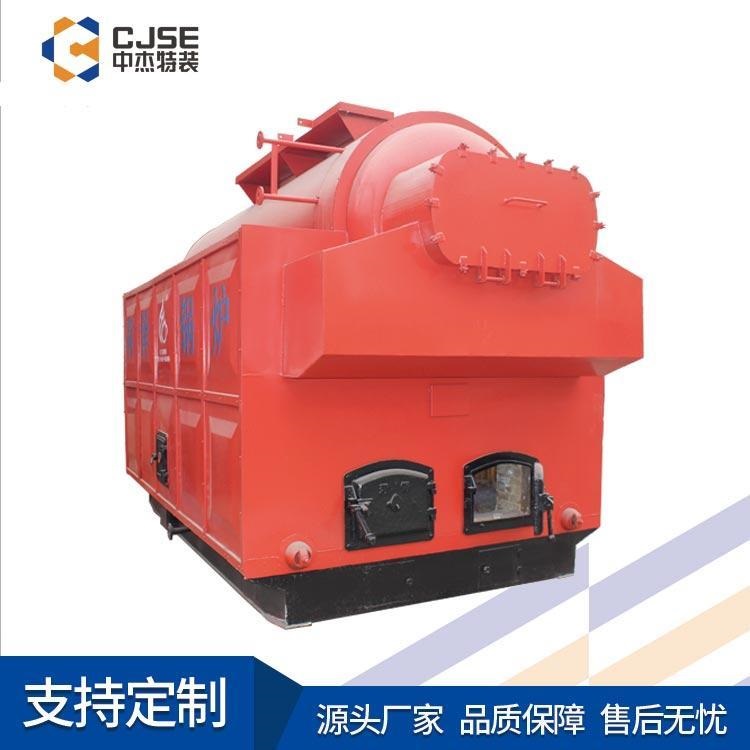

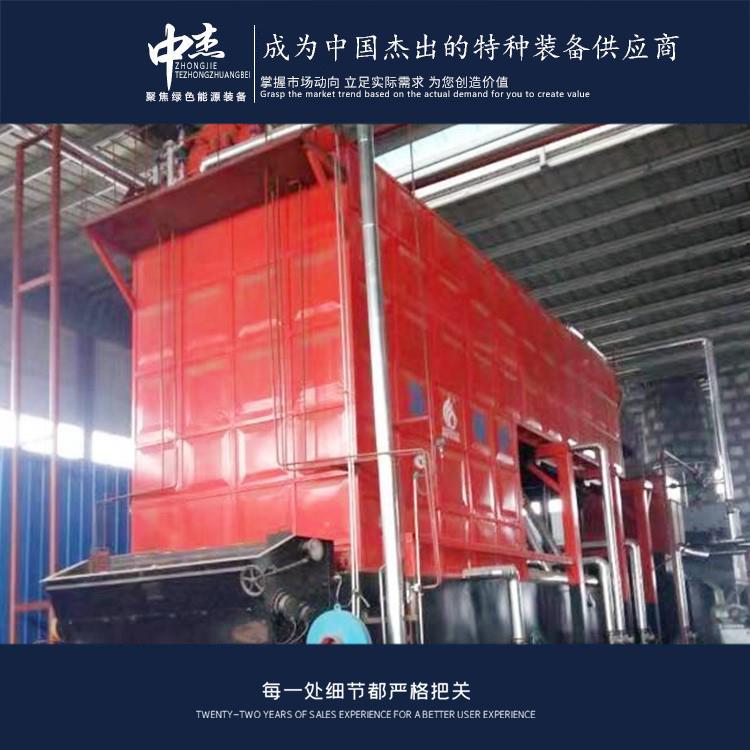
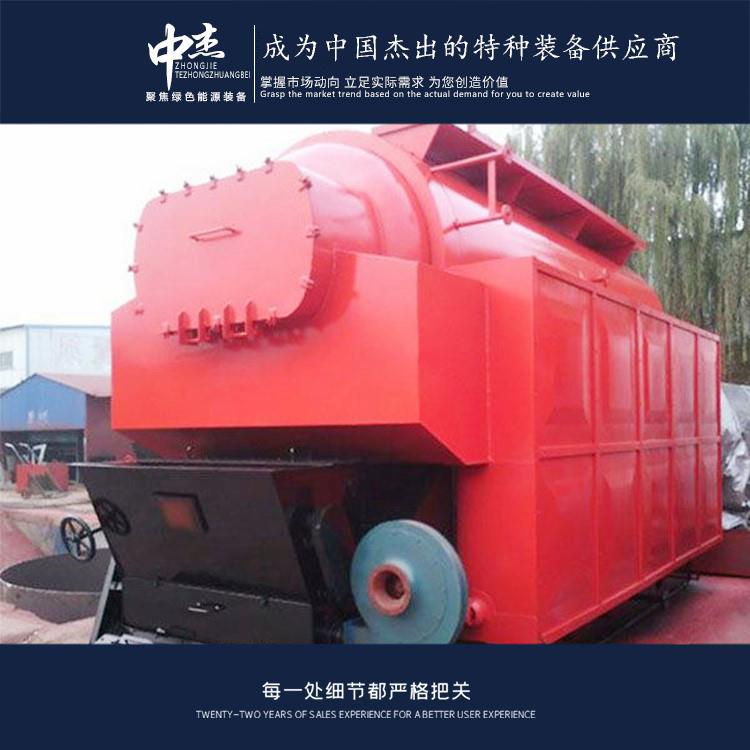


















Shandong Zhongjie Special Equipment (formerly Heze Boiler Factory Co., Ltd.) was established in 2001, located at No. 2218 Jinnan Road, Development Zone, Heze City, with a registered capital of 50 million yuan and total assets of 500 million yuan. The company has 7 business centers: boiler, deep-freeze container, pressure vessel, central air conditioning, engineering installation, international trade, and Internet of Things. It has three factory sites on Jinnan Road, East Changjiang Road, and Bohai Road, covering a total of 200,000 square meters, with the main workshop spanning 83,000 square meters. It currently employs 710 staff, including 247 engineers and technicians, and 82 intermediate-level technicians. In December 2016, it was recognized as a "High-tech Enterprise" by the Science and Technology Department. In June 2021, it was identified as a "Specialized and New Enterprise in Shandong Province" by the Ministry of Industry and Information Technology. In June 2022, it was recognized as a "Gazelle Enterprise in Shandong Province" and in August 2022, it was identified as a "Specialized and New Small Giant Enterprise" by the Ministry of Industry and Information Technology.
There are several common types of biomass energy-saving steam boilers:
Biomass Chain Grate Boiler: The biomass chain grate boiler utilizes a chain feeding system to deliver biomass fuel into the furnace for combustion. The chain feeding system allows for continuous feeding, making it suitable for larger-scale biomass steam boilers.
Biomass Circulating Fluidized Bed Boilers: These boilers utilize the circulating fluidized bed combustion technology, blending biomass fuel with a fluidizing medium (such as sand) to burn at high temperatures. The circulating fluidized bed boilers offer advantages such as high combustion efficiency and strong fuel adaptability.
Biomass Pellet Boilers: Biomass pellet boilers are specifically designed for burning biomass pellet fuel. They feature high combustion efficiency and stability, making them suitable for small to medium-sized biomass steam boilers.
Biomass Gasification Boilers: Biomass gasification boilers utilize gasification technology to convert biomass fuel into combustible gases, which are then burned to produce steam. These boilers offer advantages such as utilizing biomass energy and reducing pollution emissions.
Biomass Hot Air Furnace: A biomass hot air furnace is a device that utilizes biomass fuel to produce high-temperature hot air, suitable for drying and heating processes in industrial production. It features energy-saving and environmental protection characteristics.
These types of biomass energy-saving steam boilers have their own characteristics and suitability in different application scenarios, and the appropriate type can be chosen based on actual needs.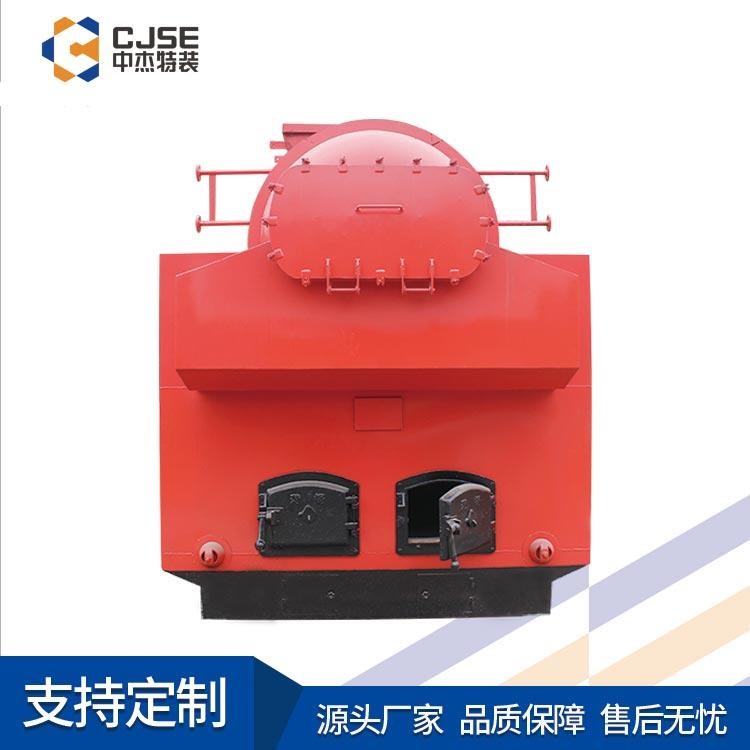
Biomass boilers typically require auxiliary equipment to ensure their proper operation and utilization of biomass fuel. Here are some common auxiliary equipment:
Feeding System: Used to deliver biomass fuel to the combustion chamber of a boiler. The feeding system typically includes conveyors, screw conveyors, and vibratory feeders, among other equipment, which can be selected based on the fuel characteristics and boiler requirements.
Combustion System: Used for burning biomass fuel. The combustion system includes a combustion chamber, burners, fans, and other equipment for achieving thorough mixing of fuel and air, as well as controlling the combustion process.
Flue Gas Purification Equipment: Used for treating flue gases produced by combustion, reducing emissions of particulate matter and gas pollutants. Common flue gas purification equipment includes dust collectors, desulfurization units, denitrification units, etc., which can be selected based on emission standards and environmental protection requirements.
Heat Exchangers: Used to transfer the heat energy produced by combustion to water or other working substances, achieving heat recovery and utilization. Heat exchangers typically include pipe-type heat exchangers, flue gas waste heat boilers, etc., which can enhance energy utilization efficiency.
Control System: Monitors and controls operational parameters of biomass boilers, including temperature, pressure, and fuel supply. The control system enables automatic adjustment and protection functions, ensuring the safe and efficient operation of the boiler.
Equipment: Includes water supply systems, waste discharge systems, pressure vessels, fuel storage equipment, etc. These devices are used to provide the necessary water for boilers, treat wastewater, store fuel, and ensure the normal operation of the boiler.
Above are some common auxiliary equipment for biomass boiler, the specific configuration and selection can be determined according to actual needs and project requirements.
Biomass boilers offer the following advantages:
Renewable Energy: Biomass boilers utilize biomass fuel such as wood chips and straw, which are renewable and can be obtained through planting and regeneration cycles. Compared to fossil fuels, they have a lower carbon emission level.
Environmental and Low-Carbon: The carbon dioxide produced during biomass combustion can be absorbed by plants, forming a cycle that reduces the burden on the atmosphere. Additionally, emissions and pollutants from biomass combustion are relatively low, resulting in less environmental impact.
Resource-rich: Biomass fuel sources are diverse, including crop straw, forest residues, and industrial by-products, with relatively abundant resources that are not prone to depletion.
High thermal efficiency: The biomass boiler utilizes advanced combustion technology and a heat recovery system, achieving high thermal energy conversion and utilization, thus enhancing energy efficiency.
Versatility: Biomass boilers are not only suitable for heating but also for various applications such as hot water supply and industrial heating.
However, biomass boilers also have some drawbacks:
Fuel supply is unstable: The supply of biomass fuel is affected by factors such as seasons, regions, and crop yields, which may lead to instability in supply.
Particulate matter produced by combustion: A certain amount of particulate matter is generated during the biomass combustion process, which has an impact on air quality and requires treatment through flue gas purification equipment.
Fuel handling and storage costs: Biomass fuel requires pretreatment, drying, and storage, which may increase costs and complexity.
High technical requirements: Biomass pot
Biomass boilers are prone to corrosion at high temperatures, primarily due to the following reasons:
Fuel Composition: Biomass fuel contains certain amounts of ash and elements like chlorine, which, during combustion, form corrosive substances under high temperatures such as chlorides and salts. These substances react with the metal surface, leading to metal corrosion.
Combustion Conditions: Factors such as combustion temperature, oxygen content, and combustion rate during biomass combustion can affect corrosion. High temperatures, excessive oxygen, and rapid combustion rates can accelerate corrosion.
Smoke Composition: The smoke produced by biomass combustion contains certain acidic substances, such as sulfuric acid and nitric acid. These acidic substances can react with the metal surface, causing corrosion.
Flue Gas Condensation: During the flue gas condensation process of biomass boilers, water vapor in the flue gas condenses into liquid water, forming acidic condensate. This acidic condensate comes into contact with metal surfaces, causing corrosion.
Metal Material Selection: The metal materials used in biomass boilers also affect their resistance to corrosion. Different metal materials exhibit varying corrosion resistance to different corrosive media.
In summary, the primary causes of high-temperature corrosion in biomass boilers include fuel composition, combustion conditions, flue gas composition, flue gas condensation, and the selection of metal materials. To alleviate corrosion issues,
Shandong Zhongjie Special Equipment, welcome customers to visit our factory for business talks.
WeChat Official Account

Scan to follow Official Account



















