


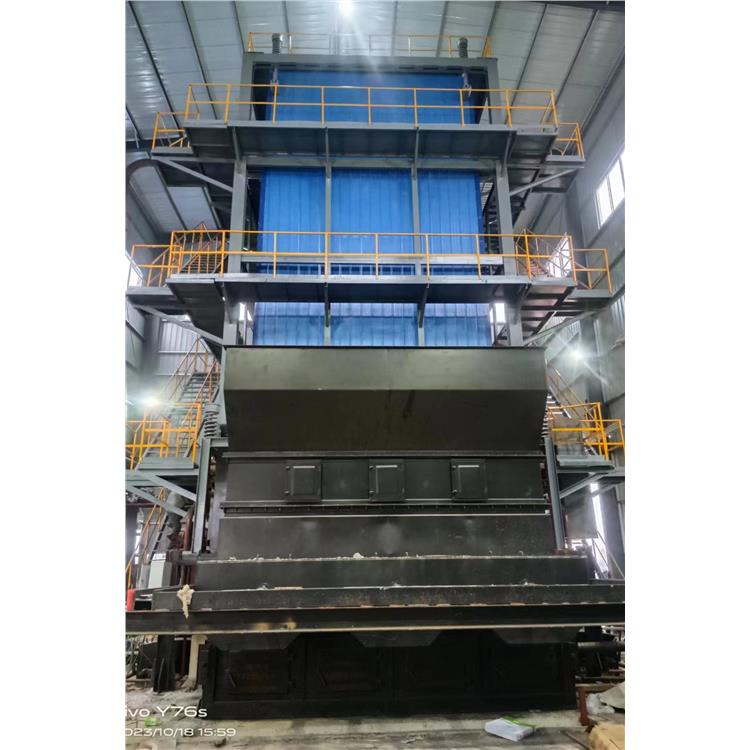

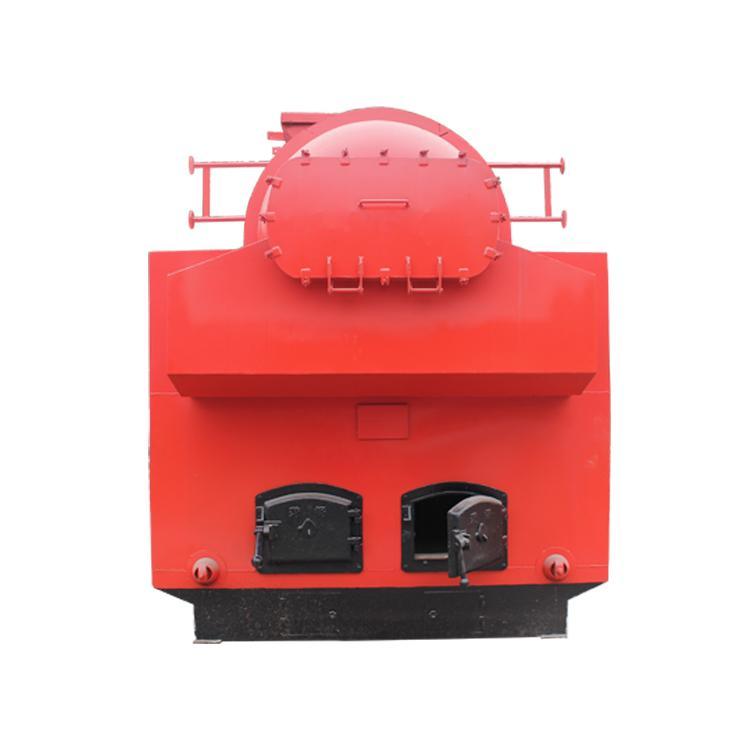


















Shandong Zhongjie Special Equipment's main products include: fuel (gas) boilers, organic heat carrier boilers, biomass boilers, waste heat boilers, and other boiler products; vacuum insulation cryogenic pressure vessels such as LNG tanks, oxygen-nitrogen-argon tanks, and CO2 tanks; pressure vessel products such as denitrification engineering equipment, heat storage and energy storage equipment, and complete chemical equipment; central air conditioning and ventilation equipment such as ground (water) source heat pumps, air source units, water-cooled screw units, and air-cooled modular units. Planned products include large-scale energy centers, LNG transport vehicles, LNG tank containers, and other green energy equipment.
The fully automatic biomass boiler boasts the following features:
Automatic Control: The fully automatic biomass boiler is equipped with an automatic control system, enabling automatic ignition, fuel supply, and adjustment of combustion parameters. In conjunction with sensors and controllers, intelligent control of the boiler and monitoring of its operational status are achieved.
Energy-saving: The fully automatic biomass boiler employs advanced combustion and heat recovery technologies to maximize the thermal energy of biomass fuel, enhancing energy utilization efficiency. Moreover, the automated control system can intelligently adjust to actual demands, minimizing energy waste.
Eco-friendly Low Emission: The combustion process of fully automatic biomass boilers produces relatively low levels of pollutants. Through reasonable combustion adjustment and auxiliary pollution control equipment such as dust collectors and nitrogen oxide control devices, emissions of pollutants like particulates and nitrogen oxides in the flue gas can be further reduced.
Multiple Fuel Adaptability: The fully automatic biomass boiler boasts strong fuel adaptability, suitable for a variety of biomass fuels such as wood chips, straw, wheat straw, fruit shells, etc. This allows for the selection of appropriate fuels based on actual conditions, enhancing flexibility and sustainability.
Safety and Reliability: Our fully automatic biomass boilers are designed and manufactured with safety and reliability in mind, featuring multiple safety protection devices such as overheat protection, pressure protection, and burner fault protection. Additionally, the automated control system can monitor and alarm in real-time, ensuring the safe operation of the boiler.
Overall, fully automatic biomass boilers feature automated control, energy saving, low emissions for environmental protection, versatility in fuel types, and safety and reliability.
Biomass boilers are prone to corrosion at high temperatures, primarily due to the following reasons:
Fuel Composition: Biomass fuel contains certain amounts of ash and elements like chlorine, which, during combustion, form corrosive substances under high temperatures, such as chlorides and salts. These substances react with the metal surface, leading to metal corrosion.
Combustion Conditions: Factors such as combustion temperature, oxygen content, and combustion rate during biomass combustion can affect corrosion. High temperatures, excessive oxygen, and rapid combustion rates can accelerate corrosion.
Smoke Composition: The smoke produced by biomass combustion contains certain acidic substances, such as... These acidic substances can react with the metal surface, causing corrosion.
Flue Gas Condensation: During the flue gas condensation process in biomass boilers, water vapor in the flue gas condenses into liquid water, forming acidic condensate. This acidic condensate comes into contact with metal surfaces, causing corrosion.
Metal Material Selection: The corrosion resistance of the metal materials used in biomass boilers also affects their performance. Different metal materials exhibit varying corrosion resistance to different corrosive media.
In summary, the causes of high-temperature corrosion in biomass boilers primarily include fuel composition, combustion conditions, flue gas composition, flue gas condensation, and the selection of metal materials. To alleviate corrosion issues,
The brief steps for the biomass boiler drying kiln are as follows:
Prepare fuel: Select suitable biomass fuel such as wood chips, straw, etc., and conduct pre-treatment like drying and sieving to ensure fuel quality and meet the requirements of the furnace.
Ignition and Ignition Adjustment: Place the fuel into the combustion chamber of the biomass boiler, ignite, and adjust the ignition. Adjust parameters such as the oxygen supply, fuel supply, and combustion temperature within the combustion chamber to ensure stable combustion.
Heating and Temperature Control: As the fuel burns, biomass boilers produce high-temperature flue gas. The heat energy in the flue gas is transferred to the dryer through a heat exchanger. During the heating process, it is necessary to control the temperature of the dryer to ensure that the materials inside are adequately heated.
Furnace Operation and Monitoring: During the furnace heating process, operation and monitoring of the furnace are necessary. Operation involves controlling fuel supply, heat transfer, and movement of materials inside the furnace. Monitoring includes parameters such as temperature, pressure, and combustion efficiency to ensure normal operation and safety of the furnace.
Furnace Completion and Cleaning: Upon completion of heating or achieving the desired furnace effect, cease fuel supply and heating, and perform the furnace completion procedure. Post-completion, it is necessary to clean the furnace and biomass boiler, as well as the combustion chamber and flue.
Biomass boilers may experience issues with ash accumulation and slagging during prolonged operation. These problems can affect the boiler's combustion efficiency and safety. Here are methods to address ash accumulation and slagging in biomass boilers:
Regular Cleaning: Regularly cleaning the ash and carbon deposits within the boiler is crucial for preventing scale and slag formation. Cleaning schedules can be tailored based on the boiler's operational conditions, including cleaning the combustion chamber, flue, and heat exchanger, among other components. During the cleaning process, appropriate tools and cleaning agents should be used to ensure the removal of ash and carbon deposits.
Adjust combustion parameters: Properly adjusting the combustion parameters of biomass boilers can reduce the occurrence of ash accumulation and slagging. For instance, adjusting combustion temperature, oxygen supply, and combustion time to enhance combustion efficiency and minimize ash and slag formation.
Utilize additives: During biomass combustion, special additives such as slag inhibitor and ash coking inhibitor can be added. These additives can reduce the formation of slag and carbon buildup, enhancing the boiler's cleanliness and combustion efficiency. The use of additives should be based on specific conditions and the manufacturer's recommendations.
Regular inspections and maintenance: Regularly inspect and maintain all components of the biomass boiler, including burners, fans, flues, and heat exchangers, to promptly identify and address issues like ash accumulation and slagging. During inspections, you can clear blocked parts and repair damaged ones, ensuring the boiler operates smoothly.
Note that dealing with biomass boiler ash and slagging issues requires a case-by-case approach. Consult with boiler maintenance personnel or manufacturers for more detailed and accurate advice. Additionally, regular cleaning and maintenance are crucial measures to prevent ash and slagging problems.
Shandong Zhongjie Special Equipment, welcome clients to visit our factory for cooperation negotiations.
WeChat Official Account

Scan to follow Official Account



















