


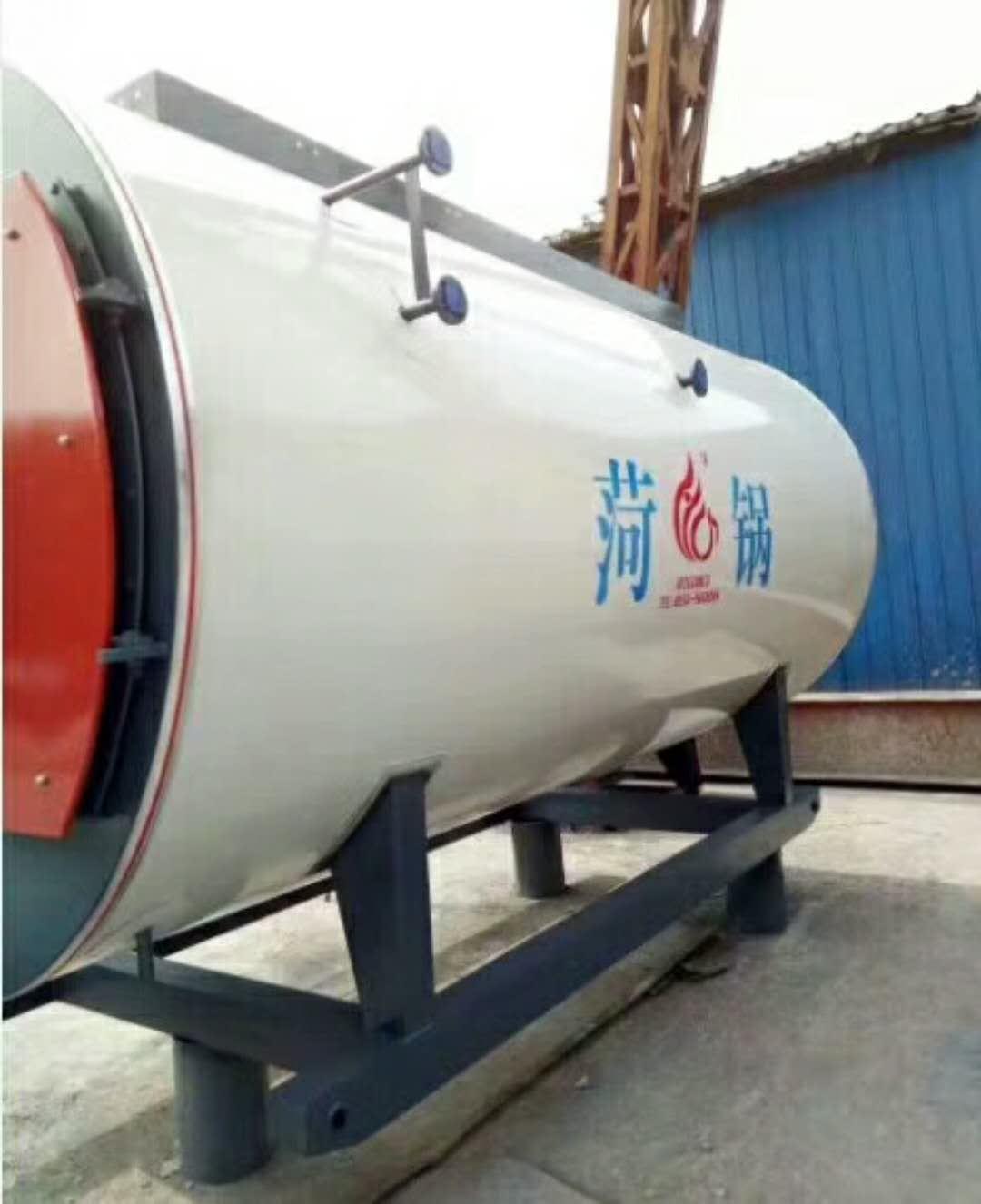


















Shandong Zhongjie Special Equipment (formerly Heze Boiler Factory Co., Ltd.) holds an A-grade boiler manufacturing license, an A2-grade pressure vessel manufacturing license, an A2-grade pressure vessel design license, a B-grade boiler installation license, and GB2/Class and GC2/Class pressure pipeline installation licenses, as well as a mechanical and electrical equipment installation contracting qualification. It is a member of the China Boiler and Water Treatment Association, the China Chemical Equipment Association, and a director unit of the Shandong Equipment Manufacturing Association. The company has also passed the ISO9001 Quality Management System, ISO14001 Environmental Management System, OHSAS18001 Occupational Health and Safety Management System certifications, and the American ASME/U2 certification.
To prevent the hazards associated with liquid oxygen tanks, the following precautionary measures can be taken:
Safety Operation and Management: Establish and enforce stringent safety operation and management protocols, including proper use of storage tanks, operational procedures, and safety training. Ensure that operators possess the necessary safety awareness and skills, adhere to operational procedures, and minimize operational errors and the likelihood of accidents.
Regular inspections and maintenance: Conduct regular inspections and maintenance on liquid oxygen tanks, including visual inspections, pressure tests, and leak detection. Identify and address tank issues promptly to ensure safety and reliability.
Safety devices and protective equipment: Tanks should be equipped with necessary safety devices, such as pressure relief valves, level alarms, and protective equipment like firewalls and explosion-proof devices. These devices and equipment can take timely measures in abnormal situations to ensure the safety of the tank.
Fire Prevention Measures: Liquid oxygen has a high oxygen content, which is prone to causing fires. Therefore, fire prevention measures such as firewalls and fire extinguishers should be installed around the storage tank to prevent the spread and expansion of fires.
Leakage Control and Emergency Response Plan: Establish a liquid oxygen tank leakage control and emergency response plan, including leakage control measures, emergency response procedures, and evacuation plans. In the event of a leakage accident, the plan enables rapid action to control the leak and ensure personnel safety.
Training and Awareness Enhancement: Conduct regular safety training for personnel operating liquid oxygen tanks to enhance their safety awareness and emergency response capabilities. Strengthen safety
When storing liquid nitrogen in low-temperature storage tanks, the following points should be noted:
Protective Gear: When operating low-temperature storage tanks, it is mandatory to wear appropriate protective gear, including gloves, protective clothing, and non-slip shoes. This equipment safeguards the skin from the low temperatures of liquid nitrogen and other hazards.
Avoid direct contact: Liquid nitrogen is extremely cold and can cause frostbite. Therefore, avoid direct contact with liquid nitrogen, especially with the skin. Use tools or instruments for handling, and never touch liquid nitrogen with your hands.
Ventilation Requirements: In the operation area of low-temperature storage tanks, adequate ventilation must be ensured to expel gases produced by the evaporation of liquid nitrogen. Maintain air circulation to avoid excessive oxygen concentration and reduce the risk of fire and explosion.
Prevent Leaks: Regularly inspect low-temperature storage tanks for leaks and equip with leak detection and alarm systems. In the event of a leak, take immediate action to control the leak and carry out repairs. Avoid harm to personnel and the environment caused by liquid nitrogen leakage.
Fire Prevention Measures: Liquid nitrogen has a low boiling and freezing point, which is prone to causing fires. Measures such as setting up fire barriers around low-temperature storage tanks and using fire-resistant coatings are taken to prevent fires from occurring and spreading.
Electrostatic Protection: Electrostatic buildup in low-temperature storage tanks may cause sparks, increasing the risk of fire. Measures should be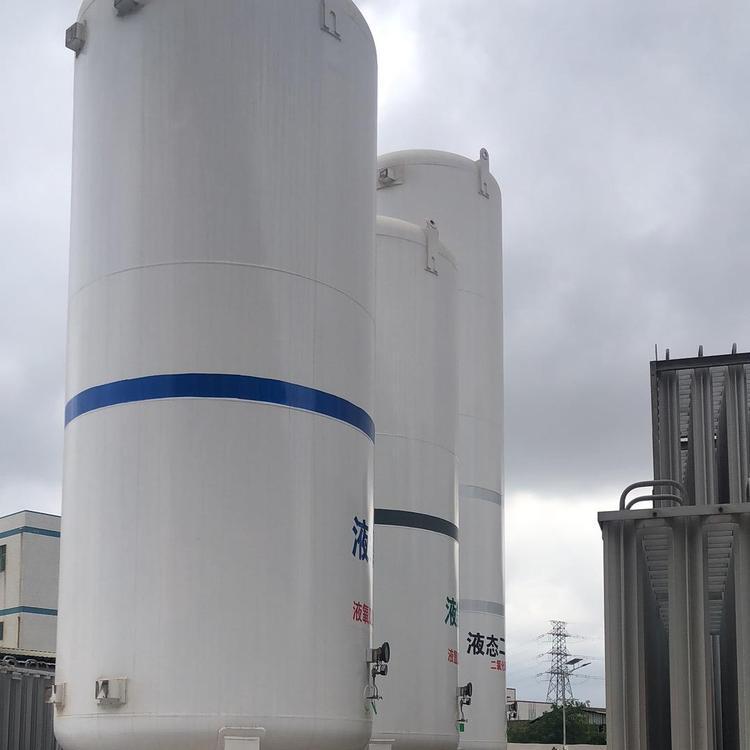
Safety operation and transportation of liquid oxygen tanks should be noted for the following points:
Safe Usage Instructions:
Tank Selection: Choose liquid oxygen tanks that meet specifications and standards, ensuring their quality and safety performance.
Tank Installation: Tanks should be installed on a solid foundation to ensure stability. Additionally, good ventilation should be maintained around the tank and it should be kept away from flammable materials and heat sources.
Seal Integrity Inspection: Regularly check the storage tank's sealing performance to ensure there are no leakage issues at valve and pipe connections.
Pressure Control: Tanks should be equipped with pressure gauges and safety valves, and undergo regular inspections and maintenance to ensure pressure remains within safe limits.
Fire Prevention Measures: Liquid oxygen contains a high oxygen concentration, which is highly flammable. Set up fire barriers around the storage tanks, prohibit smoking and open flames, and ensure safety.
Static Protection: During the transportation and use of liquid oxygen, static electricity may cause sparks, increasing the risk of fire. Measures such as using static-conductive materials and anti-static equipment should be taken to reduce the accumulation and release of static electricity.
Shipping Precautions:
Transportation Vehicle Selection: Choose transportation vehicles that meet the requirements for liquid oxygen transport, ensuring their safety and sealing integrity.
Loading and Unloading: During the transportation of liquid oxygen, appropriate loading and unloading procedures should be adopted.
Prior to cooling the liquid oxygen tank, the following prerequisites must be met:
Clean Vessels: Ensure the interior of the tank is clean, free of impurities and contaminants. The tank should be properly cleaned and flushed to maintain its internal cleanliness.
Drainage and Exhaust: Empty the gas from the storage tank and expel it through the exhaust system to reduce the gas content inside the tank. This helps minimize interference of the gas on the cooling process.
Safety Precautions: Prior to cooling the liquid oxygen tank, it is necessary to take appropriate safety precautions. Liquid oxygen is highly flammable and has low-temperature characteristics; operators should wear suitable protective clothing, gloves, and other personal protective equipment to ensure safe operation.
Temperature Control: During the cooling process of the liquid oxygen storage tank, it is necessary to control the tank's temperature. Typically, low-temperature mediums such as liquid nitrogen are used to cool the tank, ensuring the temperature gradually drops below the boiling point of liquid oxygen.
Insulation and Heat Retention: Liquid oxygen storage tanks are typically constructed with double or multi-layered structures, filled with insulating material in between to minimize heat transfer and evaporation of liquid oxygen. Ensure the integrity and good insulating properties of the insulation layer to enhance the cooling efficiency of the tank.
Under the aforementioned conditions, cooling operations for liquid oxygen tanks may be conducted. The cooling process must strictly adhere to relevant safety regulations and operational guidelines to ensure the safe operation and use of the tank.
Zhongjie Special Equipment adheres to the grand vision of "realizing employees' dreams, creating value for customers, and striving for the prosperity and strength of our motherland," and is dedicated to the development of the green energy equipment industry. We offer products and services with high cost-performance to contribute to society!
WeChat Official Account

Scan to follow Official Account



















