


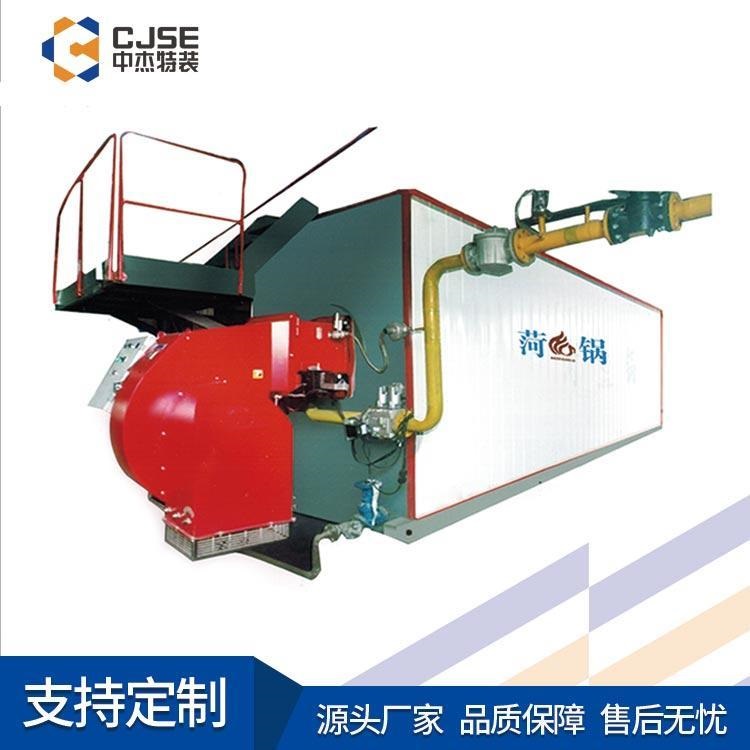

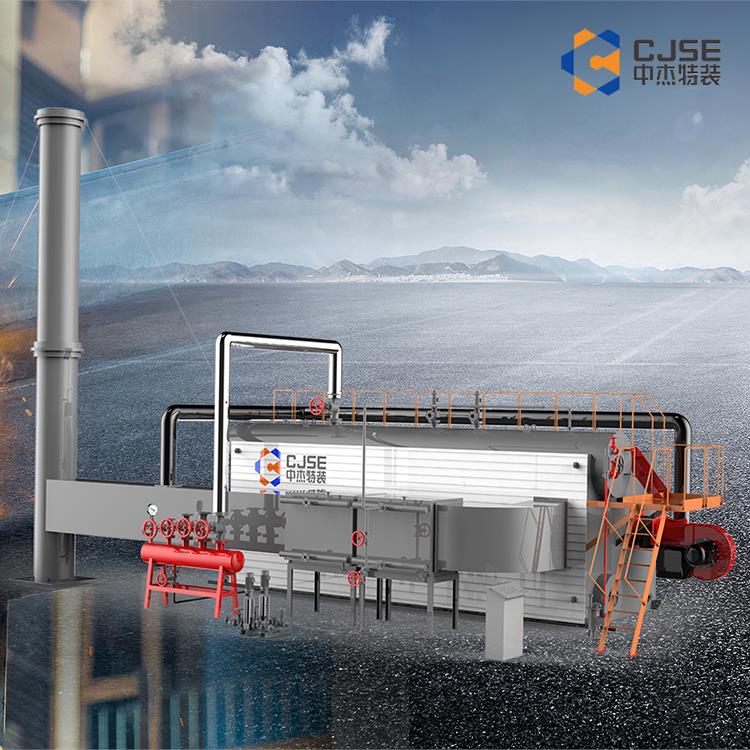
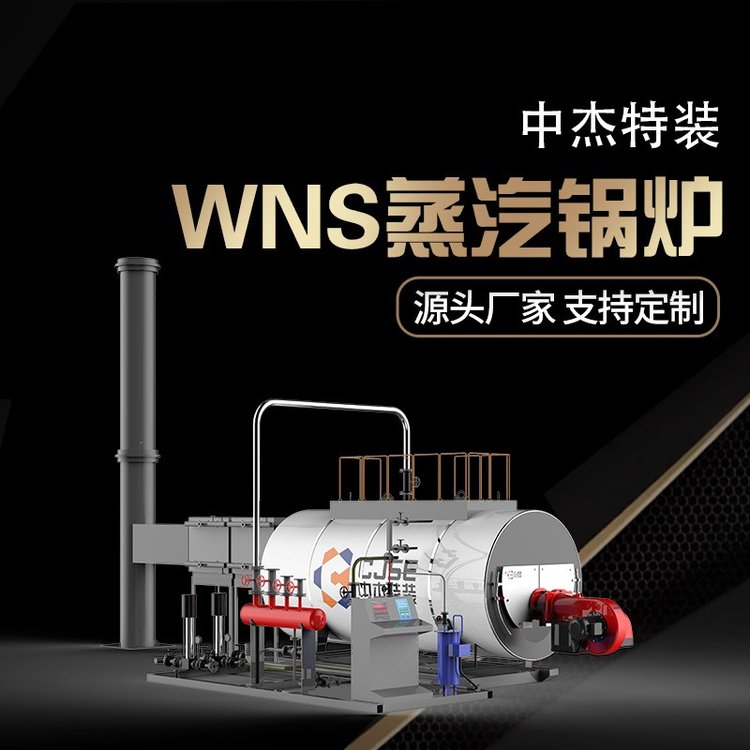


















Shandong Zhongjie Special Equipment (formerly Heze Boiler Factory Co., Ltd.) holds an A-grade boiler manufacturing license, A2-grade pressure vessel manufacturing license, A2-grade pressure vessel design license, B-grade boiler installation license, and GB2/Class and GC2/Class pressure pipeline installation licenses, as well as an equipment and machinery installation contracting qualification. It is a member of the China Boiler and Water Treatment Association, the China Chemical Equipment Association, and a council member of the Shandong Equipment Manufacturing Association. The company has also passed certifications for the ISO9001 Quality Management System, ISO14001 Environmental Management System, OHSAS18001 Occupational Health and Safety Management System, and the U.S. ASME/U2 certification.
The decline in the consumption of thermal oil boilers may be due to several reasons:
- Combustion Technology: Modern thermal oil boilers employ advanced combustion technologies such as pre-mixed combustion, ensuring complete fuel combustion and enhancing energy utilization, thereby reducing energy consumption.
- Heat Recovery: Thermal oil boilers often generate a significant amount of waste heat during flue gas emissions. By utilizing heat recovery systems like flue gas heat recovery boilers or flue gas heat exchangers, waste heat from flue gases can be recovered and utilized, improving energy efficiency and reducing consumption.
- Intelligent Control Systems: Modern thermal oil boilers are equipped with intelligent control systems that can monitor and adjust operating parameters such as temperature, pressure, and flow in real-time. Through controlled adjustments, boilers can operate at optimal conditions, avoiding energy waste and loss.
- Energy-saving Retrofitting and Optimization: For older thermal oil boilers, energy-saving retrofitting and optimization can be performed. This includes installing energy-saving equipment like variable frequency drives and modified burners to enhance energy efficiency. Additionally, optimizing the boiler system, such as improving pipe insulation and reducing leaks, can reduce energy loss.
- Energy Management and Maintenance: Effective energy management and regular equipment maintenance are crucial factors in reducing energy consumption. Through reasonable energy management measures such as energy monitoring, metering, and promoting energy-saving awareness, issues of energy waste can be identified and addressed. Regular maintenance and care of the equipment ensure smooth operation and prevent unnecessary energy loss.
- In summary, the decline in consumption of thermal oil boilers can be attributed to advancements in combustion technology, heat recovery, intelligent control, energy-saving retrofitting, and effective energy management.
Proper selection of a thermal oil heater requires considering the following aspects:
1. Thermal Load Requirement: First, determine the thermal load required by the thermal oil heater, i.e., the heat energy to be supplied. Based on the actual demand, decide on the rated power and thermal load range of the heater to ensure it can meet the required heat energy supply.
2. Operating Temperature and Pressure: The operating temperature and pressure range of the thermal oil heater must match the actual application scenario. Select the appropriate temperature and pressure range based on process requirements and working environment to ensure stable operation of the heater.
3. Thermal Oil Type: Choose the appropriate type of thermal oil based on process requirements and working environment. Common thermal oils include silicone thermal oil, organic thermal oil, and mineral oil thermal oil, each with different operating temperature ranges and characteristics. Select according to actual needs.
4. Equipment Quality and Reputation: Choose a thermal oil heater supplier with a good reputation and quality. Ensure that the manufacturing process and material quality of the heater are reliable, providing stable performance and after-sales service.
5. Safety and Environmental Protection: The safety and environmental protection of the thermal oil heater are important considerations. Select a heater with safety protection devices and environmental certifications to ensure safety for personnel and equipment during operation.
6. Cost-effectiveness and Energy Efficiency: Consider the cost-effectiveness and energy efficiency of the thermal oil heater. Choose a heater with high energy efficiency and energy-saving features to reduce energy consumption and operating costs.
Overall, considering these factors and selecting an appropriate thermal oil heater based on actual needs can ensure stable operation of the equipment.
Steam boilers produce a certain amount of wastewater during operation, which requires drainage treatment. Here are the general steps for steam boiler wastewater drainage:
Preparation: Before draining, ensure the steam boiler is shut down and the pressure inside the boiler has been reduced to a safe level.
Open the Drain Valve: Locate the corresponding drain valve according to the design of the steam boiler and open it. The drain valve is usually located on the bottom or near the bottom of the boiler's drain pipe.
Drain Wastewater: Once the drain valve is open, wastewater will flow out of the drain pipe. Depending on the situation, use a drain pump or gravity to expel the wastewater.
Observe the Wastewater: During the drainage process, monitor the wastewater's color, turbidity, and odor to determine if there are any abnormalities, such as sediment, impurities, or off-putting smells.
Close the Drain Valve: Close the drain valve when the wastewater is fully drained or reaches the predetermined drainage target.
Clean the Drain System: Regularly clean the drain system to prevent blockages or accumulation of debris, ensuring the drainage system remains clear.
Note that the specific steps and frequency for steam boiler wastewater drainage may vary depending on the model, usage conditions, and operational requirements of the boiler. Therefore, when performing steam boiler drainage operations, it's advisable to refer to the boiler's operating manual or consult with experts to ensure correct and safe operation.
When selecting a steam boiler, several key factors should be taken into account:
- Steam Demand: First, determine the steam requirements of the factory or project, including steam pressure, flow rate, and quality. Choose an appropriate boiler model and specification based on actual needs to ensure it meets process and production requirements.
- Boiler Type: Steam boilers come in various types, such as fire-tube boilers, water-tube boilers, and gas boilers. Select the suitable boiler type based on the factory's actual conditions and needs. Also, consider the fuel type, like coal, gas, or biomass, and choose a fuel type that aligns with the factory's energy supply and environmental requirements.
- Boiler Efficiency: The efficiency of a boiler directly impacts energy utilization and operating costs. Understand the boiler's thermal and combustion efficiency and choose a high-efficiency steam boiler to reduce energy consumption and operating costs.
- Quality and Reputation: Select a supplier with a good reputation to ensure the quality and reliability of the steam boiler. Refer to customer reviews, industry certifications, and ratings to understand the supplier's credibility and product quality.
- Technical Support and After-Sales Service: Choose a supplier that offers comprehensive technical support and after-sales service. Ensure the supplier can provide installation guidance, training, maintenance, and troubleshooting support to ensure the normal operation and maintenance of the steam boiler.
- Cost and Budget: Finally, based on budget and economic considerations, select a steam boiler that meets budget requirements. Consider the purchase cost, operating cost, and maintenance cost, and choose a steam boiler with a high cost-performance ratio.
It is important to note that the above factors are just some of the key considerations when purchasing a steam boiler, and the specific selection should be determined based on the actual conditions and needs of the factory. It is recommended to communicate and compare with multiple suppliers to gather more information and advice for an informed decision.
Shandong Zhongjie Special Equipment, welcome customers to our factory for business discussions.
WeChat Official Account

Scan to follow Official Account



















