


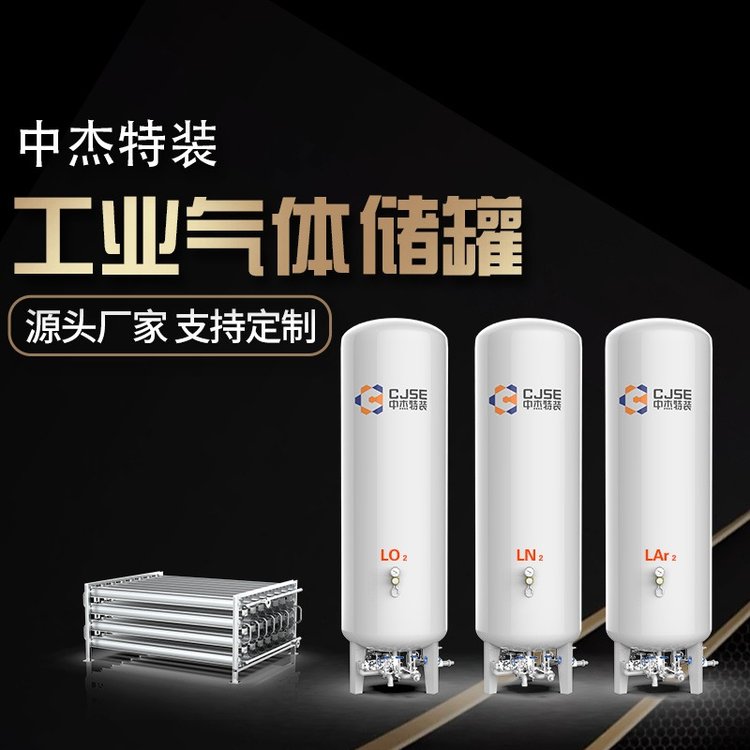

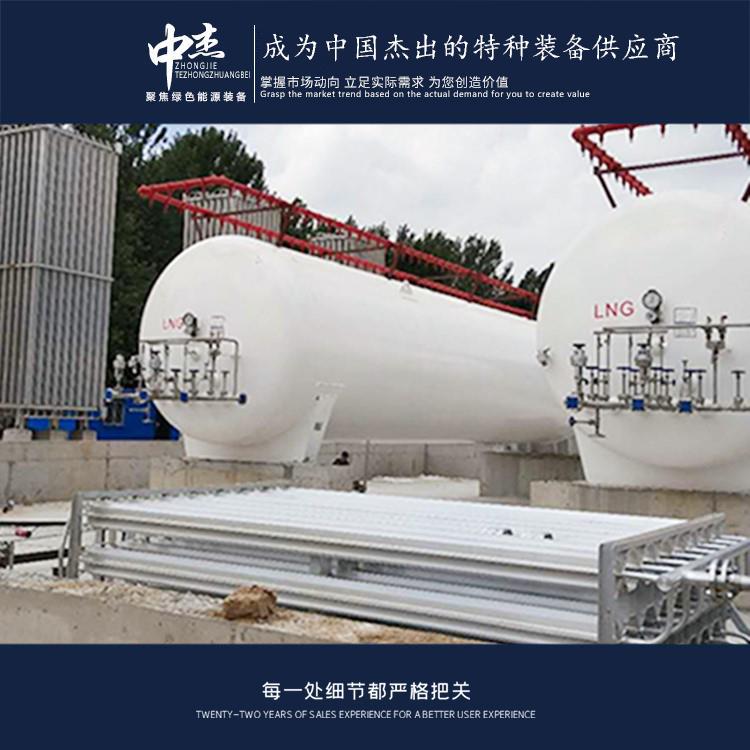
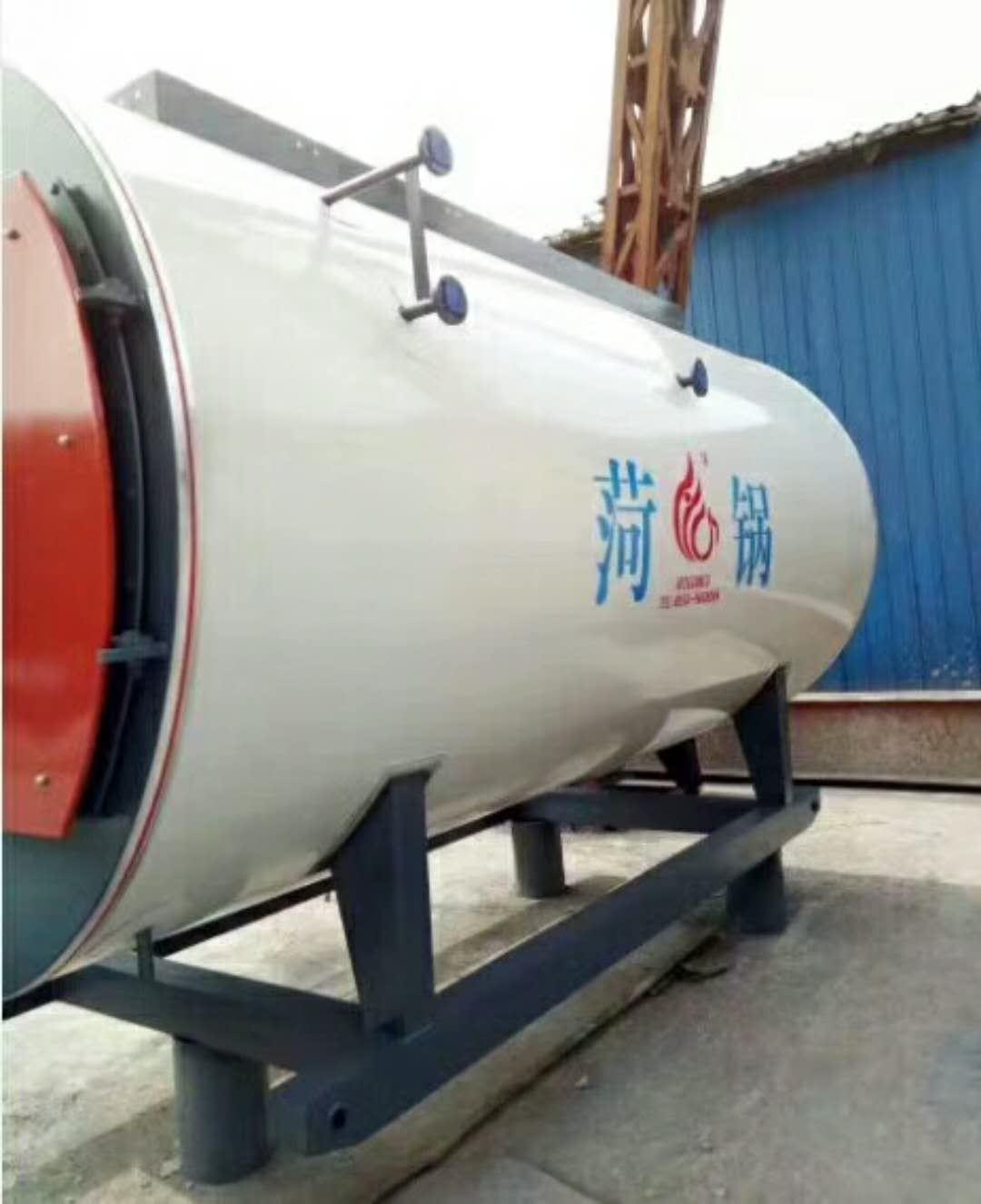


















Shandong Zhongjie Special Equipment's main products include: fuel (gas) boilers, organic heat carrier boilers, biomass boilers, waste heat recovery boilers, and other boiler products; vacuum insulation cryogenic pressure vessels such as LNG tanks, oxygen/nitrogen/argon tanks, and CO2 tanks; pressure vessel products like denitrification engineering equipment, heat storage and energy storage equipment, and complete chemical equipment; as well as central air conditioning and HVAC equipment such as ground (water) source heat pumps, air source units, water-cooled screw units, and air-cooled modular units. Planned products include large-scale energy centers, LNG transport vehicles, LNG tank containers, and other green energy equipment.
When using carbon dioxide storage tanks, the following safety procedures must be adhered to ensure safety:
Tank Operator Training: All operators must receive training to understand the characteristics, operational requirements, and safety measures of carbon dioxide storage tanks. Training should include safe tank operation, leak handling, emergency response plans, etc.
Safety Operating Procedures: Establish and follow relevant safety operating procedures, including tank startup, shutdown, inspection, and maintenance. Operators should operate in accordance with the procedures to ensure safe tank operation.
Leak Handling: Develop a leak handling program, including leak detection, emergency shutdown, and isolation of the leak source. Operators should be familiar with the leak handling procedures and able to respond quickly and correctly to leak incidents.
Fire Prevention Measures: Carbon dioxide is flammable, so fire prevention measures must be taken when using it. Smoking, open flame operations, or placing flammable materials near the tank are prohibited. Ensure that fire protection equipment around the tank is in good condition and that fire drills are conducted regularly.
Waste Gas Emission: When using carbon dioxide storage tanks, waste gases should be emitted properly to avoid the accumulation of carbon dioxide in enclosed spaces, which can lead to asphyxiation and safety risks. Ensure that the waste gas emission system is unobstructed and functioning normally.
Regular Inspections and Maintenance: Regularly inspect the tank's appearance, seals, valves, and pipe connections. If any abnormalities or damage are found, repairs or replacements should be made promptly. Also, regularly inspect and maintain the tank's safety valves, pressure sensors, and other accessories.
Emergency Response Plans: Develop and implement emergency response plans, including the handling of leak incidents, evacuation procedures, and first aid measures. Operators should be familiar with the emergency response plans and conduct drills regularly.
Monitoring and Alarm Systems: Install and maintain monitoring and alarm systems for the tank.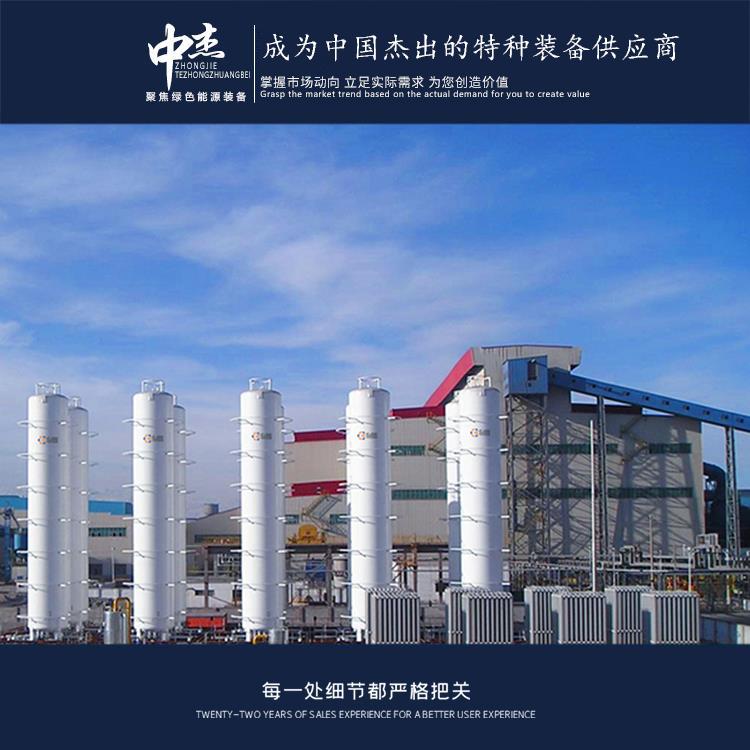
To extend the service life of carbon dioxide storage tanks, the following measures can be taken:
- Regular inspections and maintenance: Conduct regular checks on the tank's exterior, lining, valves, and pipe connections to ensure they are intact. Promptly repair or replace any abnormalities or damages.
- Corrosion prevention: Carbon dioxide is corrosive, so both the internal and external surfaces of the tank should be treated with corrosion-resistant materials. Regularly inspect and maintain the protective layer or coating to ensure its integrity and effectiveness.
- Cleaning and draining: Regularly clean the interior of the tank to remove accumulated impurities and sediments. Also, regularly drain the liquid and gas impurities from the tank to maintain cleanliness and proper operation.
- Temperature and pressure control: The tank's temperature and pressure should be controlled within the design limits. Avoid excessive or low temperatures and pressures that could damage the tank.
- Regular testing and calibration: Conduct regular tests and calibrations of the tank, including parameters such as level, pressure, and temperature. Ensure the tank's measurement and control systems are accurate and reliable.
- Adherence to operational procedures: Strictly follow operational and safety procedures to ensure the tank operates normally and safely. Train operators to enhance their operational skills and safety awareness.
- Updates and upgrades: Update and upgrade tank components and equipment as needed to meet new technological and safety requirements.
- Regular assessments and monitoring: Regularly assess and monitor the tank, including structural integrity, corrosion, and safety. Take appropriate maintenance and repair measures based on assessment results.
These measures can help extend the service life of carbon dioxide storage tanks and ensure their safe and reliable operation.
Carbon dioxide recovery is a technology designed to capture carbon dioxide from industrial emission sources or the atmosphere and store or utilize it to reduce carbon dioxide emissions. Below are some common carbon dioxide recovery technologies:
1. Coal-fired Power Plant Carbon Dioxide Recovery: In coal-fired power plants, the carbon dioxide produced by burning coal can be captured and recovered. Common methods include carbon capture technologies, which separate carbon dioxide from flue gas and store or utilize it.
2. Industrial Emission Source Carbon Dioxide Recovery: Many industrial processes produce carbon dioxide that can be treated through capture and recovery technologies. For example, carbon dioxide produced during the production processes of industries such as steel, cement, and chemicals can be recovered to reduce emissions.
3. Atmospheric Carbon Dioxide Capture: Carbon dioxide in the atmosphere can also be recovered using direct air capture technologies. This technique uses adsorbents or chemical reactions to capture and separate carbon dioxide from the atmosphere, then store or utilize it.
4. Carbon Dioxide Utilization: Captured carbon dioxide can be used to produce valuable chemicals and fuels. For instance, through carbon dioxide catalytic conversion technology, carbon dioxide can be converted into fuels like ethanol or chemical raw materials.
The development of carbon dioxide recovery technologies aims to reduce greenhouse gas emissions and mitigate climate change. However, these technologies are still under development and research, requiring further technological breakthroughs and practical verification for large-scale application.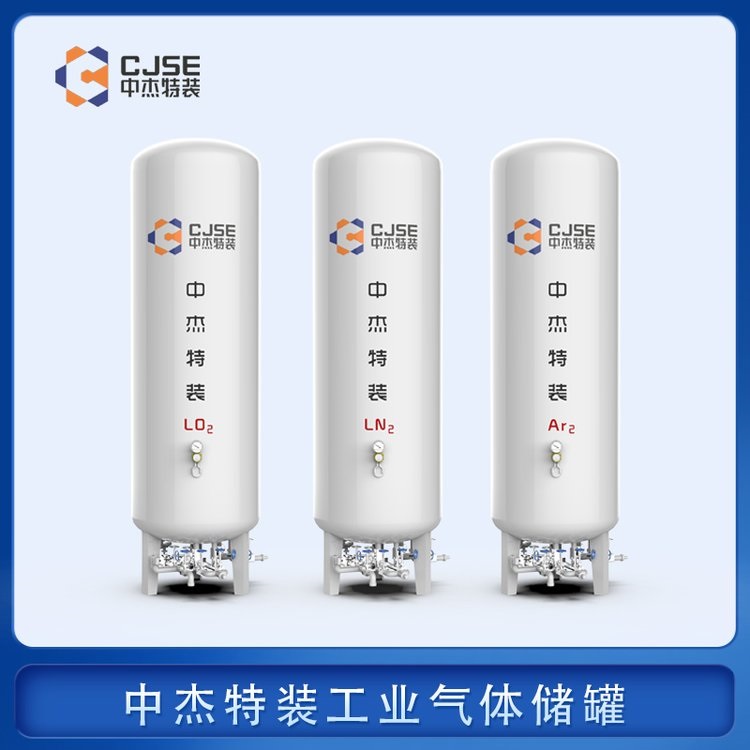
Carbon dioxide storage tanks come in various sizes and structures to meet specific application and capacity requirements. Below are some common sizes and structures of carbon dioxide storage tanks:
Sizes: The size of carbon dioxide storage tanks ranges from small to large, varying with capacity. Common size ranges include from a few thousand to several tens of thousands of liters.
Structure: These tanks typically feature a double-walled design, with the inner wall for storing liquid carbon dioxide and the outer wall for insulation. The inner wall is usually made of stainless steel or aluminum alloy, offering excellent corrosion resistance.
Insulation: To maintain the low temperature of the liquid carbon dioxide, the outer wall is usually insulated to reduce heat transfer and maintain低温. The insulation can be in a multi-layer structure, such as polyester foam or glass wool.
Pressure Relief Devices: Carbon dioxide storage tanks are commonly equipped with pressure relief devices, such as safety valves, to control internal pressure. The set pressure of the pressure relief devices should comply with relevant requirements and be regularly inspected and maintained.
Connecting Pipes: The connection between the tank and pipes is usually made using appropriate methods, such as flange connections or threaded connections. The connecting pipes should meet relevant standards and specifications to ensure a secure and leak-proof connection.
Support Structures: Large carbon dioxide storage tanks typically require a support structure to support their weight. These structures can be made of steel or concrete, ensuring the stability and safety of the tank.
It should be noted that the specific sizes and structures of carbon dioxide storage tanks may vary depending on different applications and requirements. When selecting and using carbon dioxide storage tanks, it is important to consider...
Our company attaches great importance to technological innovation and R&D design. We have one city-level enterprise technology center in Heze City, equipped with testing facilities for non-destructive testing, physical and chemical testing, welding testing, hydrostatic testing, etc. We have over 600 various instruments and equipment, including CNC machine tools, X-ray flaw detectors, digital ultrasonic flaw detectors, mechanical property testing machines, chemical analyzers, spectrometers, tensile testing machines, plasma welding machines, and more. The key products and technologies we have developed, such as temperature and pressure vessel welding, biomass boiler emission reduction, and waste heat utilization, have successively been shortlisted for multiple Shandong Provincial Department of Industry and Information Technology science and technology innovation projects, Shandong Provincial key projects, and Heze City innovation and excellence projects. We have accumulated a total of 27 authorized utility models, 16 authorized inventions, participated in drafting 2 standards, 2 industry standards, and registered 15 trademarks. The technical team of our company, in collaboration with Professor Yajiang Li from Shandong University, has developed deep cryogenic container processing technology using the international plasma arc + filler wire tungsten inert gas arc welding (PAW-GTAW) technology. After the provincial scientific and technological achievement appraisal, the technology level has reached an international standard in the field of deep cryogenic container manufacturing. Choose Zhongjie Special Equipment, and let's create brilliance together!
WeChat Official Account

Scan to follow Official Account



















