


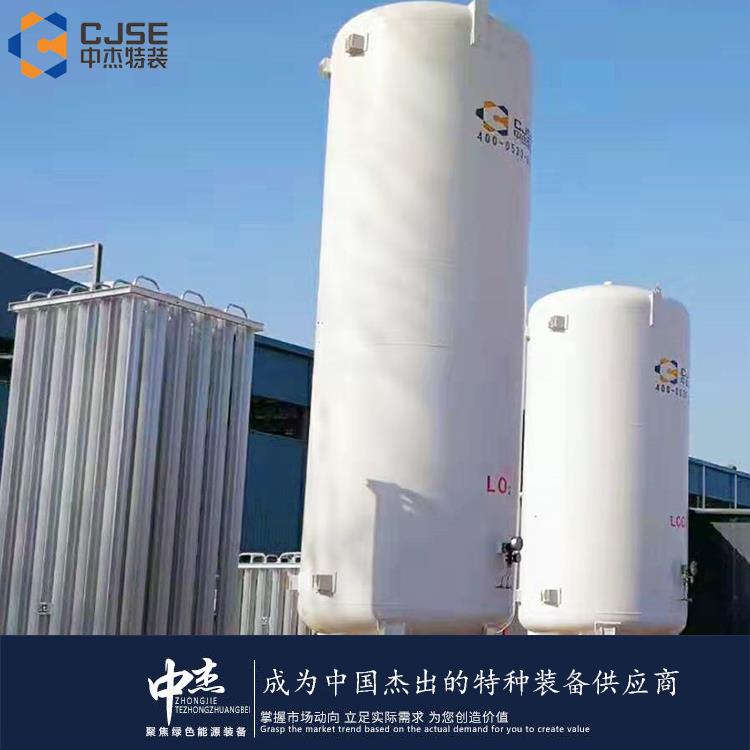

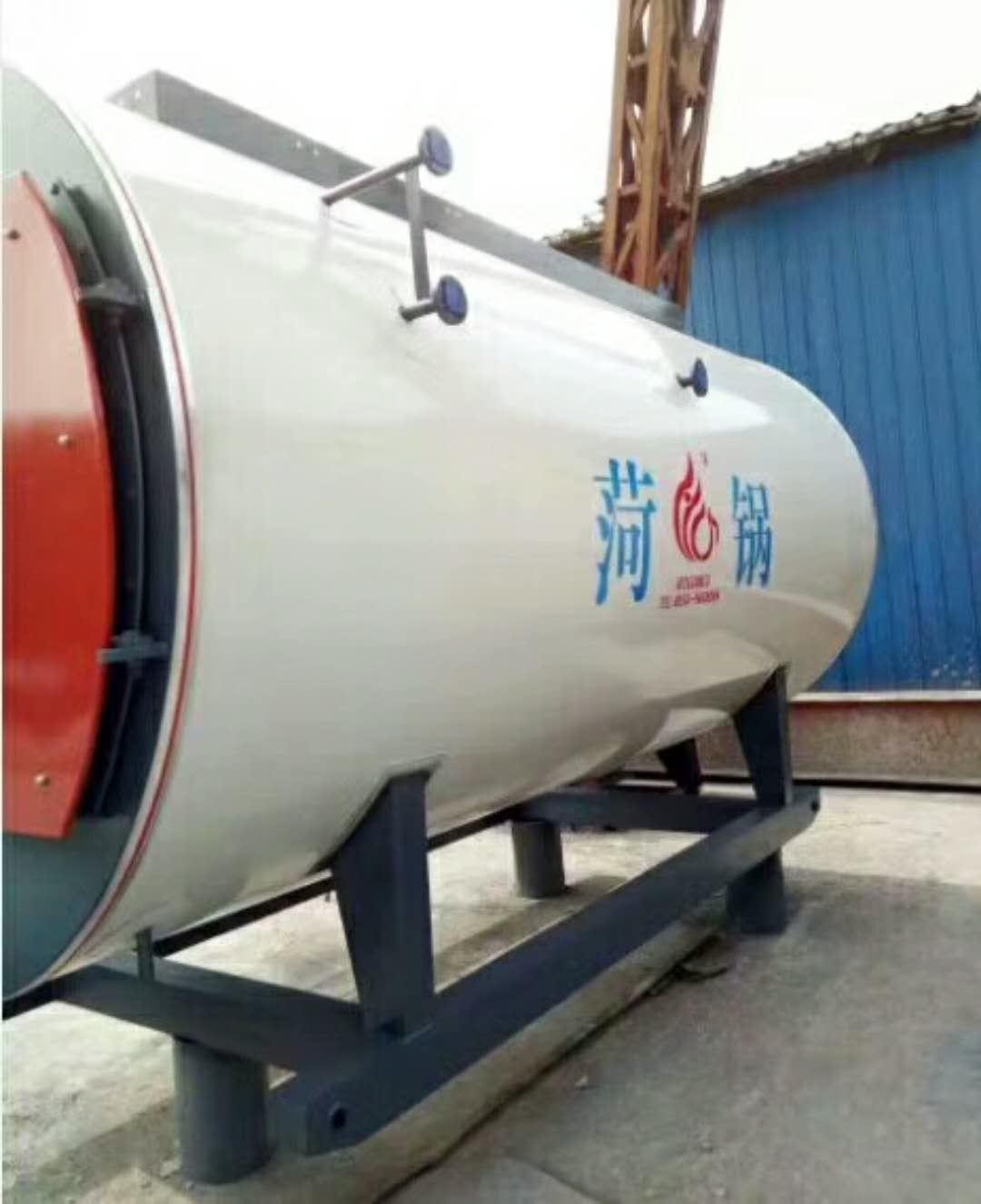
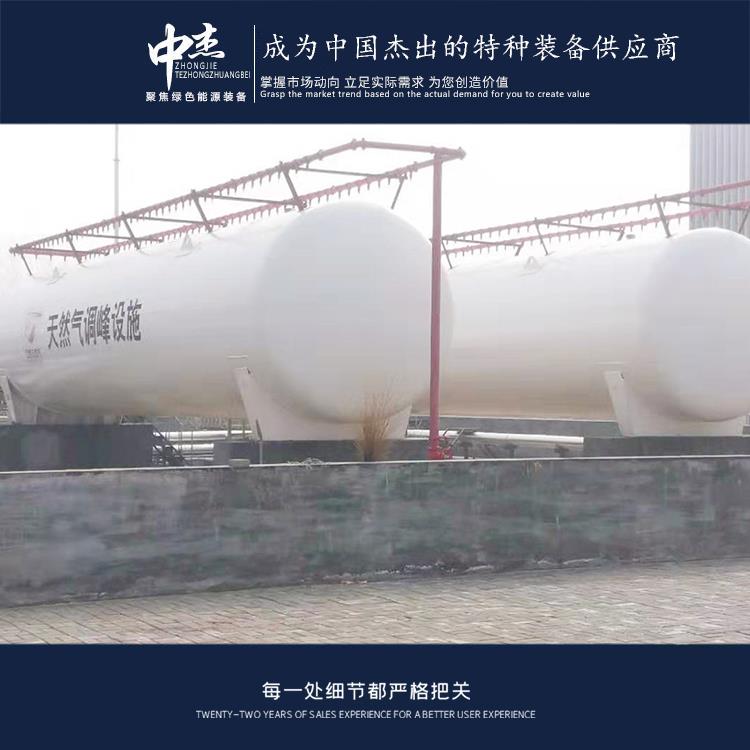


















Shandong Zhongjie Special Equipment's main products include: fuel (gas) boilers, organic heat carrier boilers, biomass boilers, waste heat recovery boilers, and other boiler products; vacuum insulation cryogenic pressure vessels such as LNG tanks, oxygen-nitrogenargon tanks, CO2 tanks; pressure vessel products like denitration engineering equipment, heat storage and energy storage equipment, complete chemical equipment; and central air conditioning and HVAC equipment such as ground (water) source heat pumps, air source units, water-cooled screw units, and air-cooled modules. Planned products include large-scale energy centers, LNG transport vehicles, LNG tank containers, and other green energy equipment.
The medical oxygen steel cylinder filling area, in addition to the liquid oxygen storage tank, includes the following components:
Oxygen Compressor: Oxygen compressors are used to compress gaseous oxygen into high-pressure oxygen. These compressors are typically made with special materials and designs to ensure safe handling and compression of oxygen.
Oxygen Purification System: The oxygen purification system is designed to remove impurities and contaminants from oxygen, ensuring the purity and quality of the supplied oxygen. The system typically includes filters, adsorbents, and molecular sieves.
Oxygen Storage System: In addition to liquid oxygen tanks, the oxygen filling area may also include a gaseous oxygen storage system for temporary storage and supply of gaseous oxygen. The gaseous oxygen storage system typically includes high-pressure oxygen cylinders or gas storage tanks.
Filling Equipment: Filling equipment is used to transfer oxygen from liquid oxygen storage tanks or gaseous oxygen storage systems into medical oxygen steel cylinders. The filling equipment usually includes filling machines, filling pipelines, and filling control systems, etc.
Oxygen Quality Monitoring System: The oxygen quality monitoring system is used to monitor the quality and purity of the oxygen being filled. Quality testing and supervision of the filled oxygen are conducted through an oxygen analyzer or other detection equipment.
Safety Facilities: The filling area should be equipped with corresponding safety facilities, such as fire alarm systems, oxygen leak detection systems, and ventilation systems, to ensure the safety and protective measures during the filling process.
It is important to note that the design and equipment configuration of the medical oxygen cylinder filling area should comply with relevant regulations, standards, and specifications. During the filling process, strict adherence to operational procedures and safety requirements is essential to ensure the safe supply of oxygen.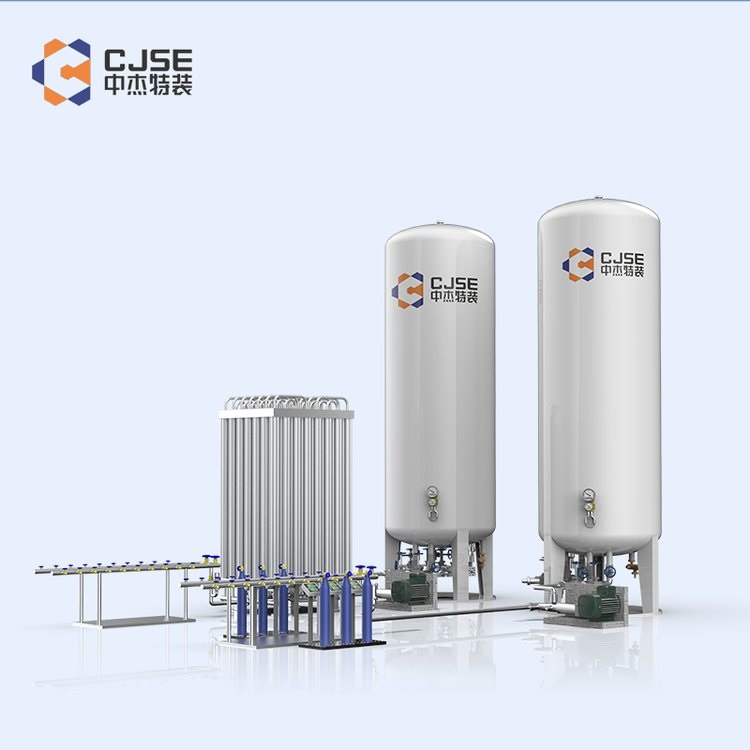
When storing liquid nitrogen in low-temperature storage tanks, please be mindful of the following points:
Protective Gear: When operating low-temperature storage tanks, it is mandatory to wear appropriate protective gear, including gloves, protective clothing, and non-slip shoes. This gear safeguards the skin from the low temperatures of liquid nitrogen and other hazards.
Avoid direct contact: Liquid nitrogen is extremely cold and can cause frostbite. Therefore, it is essential to avoid direct contact with liquid nitrogen, especially with the skin. Use tools or instruments for handling to prevent hands from coming into direct contact with liquid nitrogen.
Ventilation Requirements: Ensure adequate ventilation in the operational area of low-temperature storage tanks to expel gases produced by the evaporation of liquid nitrogen. Maintain air circulation to avoid excessive oxygen concentration and reduce the risk of fire and explosion.
Prevent Leaks: Regularly inspect the low-temperature storage tanks for leaks and equip them with leak detectors and alarm systems. In case of a leak, take immediate action to control and repair it. Avoid the hazards of liquid nitrogen leaks to personnel and the environment.
Fire Prevention Measures: Liquid nitrogen has a low boiling and freezing point, which can easily cause fires. To prevent and contain fires, firewalls and fire-retardant coatings are installed around low-temperature storage tanks.
Static protection: The accumulation of static electricity in low-temperature storage tanks may cause sparks, increasing the risk of fire. Measures such as using static-conductive materials and anti-static equipment should be taken to reduce the accumulation and release of static electricity.
Regular inspections and maintenance: Conduct regular checks on the condition of low-temperature storage tanks and related equipment, including valves, pipelines, pressure gauges, etc. Ensure that the equipment is in perfect condition, and promptly repair or replace any damaged parts.
Waste Gas Treatment: During the operation of low-temperature storage tanks, waste gas is produced, which requires appropriate waste gas treatment measures to minimize environmental impact.
Above are the precautions to be taken when storing liquid nitrogen in a low-temperature storage tank, to ensure operational safety and the normal operation of the tank. During operation, strict adherence to relevant operational procedures and safety requirements should be maintained to avoid accidents.
When storing liquid nitrogen in low-temperature storage tanks, the following points should be noted:
Protective Gear: When operating low-temperature tanks, it is mandatory to wear appropriate protective gear, including gloves, protective clothing, and non-slip shoes. This gear safeguards the skin from the low temperatures of liquid nitrogen and other hazards.
Avoid direct contact: Liquid nitrogen is extremely cold and can cause chilling. Therefore, it is essential to avoid direct contact with liquid nitrogen, especially with the skin. Use tools or utensils for handling to prevent hand contact with liquid nitrogen.
Ventilation Requirements: In the operational area of low-temperature storage tanks, adequate ventilation must be ensured to exhaust gases produced by the evaporation of liquid nitrogen. Maintain air circulation to avoid excessive oxygen concentration, reducing the risk of fire and explosion.
Prevent Leaks: Regularly inspect low-temperature storage tanks for leaks, equip with leak detection and alarm systems. In case of a leak, take immediate action to contain and repair it. Avoid the hazards of liquid nitrogen leaks to personnel and the environment.
Fire Prevention Measures: Liquid nitrogen has a low boiling and freezing point, which makes it prone to fire. To prevent and contain fires, firewalls and fire-retardant coatings are installed around low-temperature storage tanks.
Electrostatic Protection: Electrostatic buildup in low-temperature storage tanks may cause sparks, increasing the risk of fire. Measures should be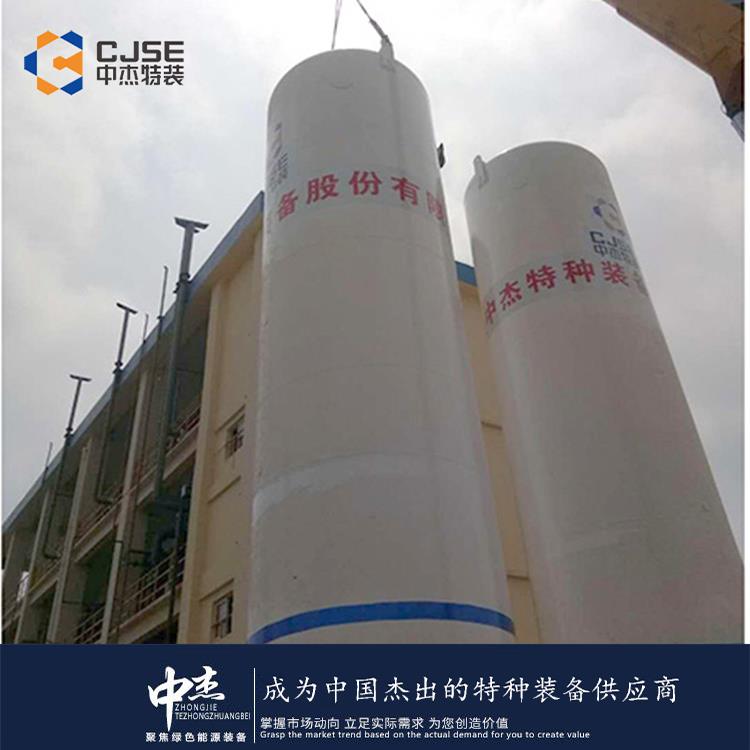
Proper management regulations for the use of low-temperature liquid storage tanks encompass the following aspects:
Tank Selection and Installation: Choose a suitable low-temperature liquid storage tank and ensure it complies with relevant standards and regulations. Installation should be carried out by personnel, following the manufacturer's instructions and requirements to ensure the stability and safety of the tank.
Safety Operating Procedures: Establish and implement safety operating procedures for liquid storage tanks, including startup, shutdown, filling, and venting procedures. Operators must undergo training to understand the characteristics of liquid storage tanks, safety precautions, and emergency response measures.
Safety Equipment and Protective Measures: Tanks should be equipped with necessary safety devices, such as pressure sensors, safety valves, leak detectors, etc., to monitor and control the pressure and temperature of the tank. At the same time, operators should wear appropriate personal protective equipment, such as insulated gloves, protective clothing, etc., to ensure their safety.
Regular Inspections and Maintenance: Conduct regular inspections and maintenance on low-temperature liquid storage tanks, including checking the tank's appearance, sealing, and corrosion prevention measures. In case of any issues, promptly repair or replace the tank to ensure its proper operation and safety.
Waste Management: Abandoned low-temperature liquid storage tanks should be disposed of in accordance with relevant environmental protection regulations. The residual liquids in the abandoned tanks should be properly handled to prevent environmental pollution.
Tank Record and Tracking: Establish tank usage records, including filling dates, quantities, and usage status. Additionally, it is recommended to set up a tank tracking system for monitoring and managing the usage and maintenance of tanks.
Here are some common management regulations for low-temperature liquid storage tanks, with specific regulations potentially varying by industry and region. When using low-temperature liquid storage tanks, relevant laws and standards should be adhered to, and appropriate management measures should be established based on the actual situation.
Zhongjie Special Equipment adheres to the great vision of "realizing employees' dreams, creating customer value, and striving for the prosperity and strength of our motherland," and is dedicated to the development of the green energy equipment industry. We offer society high-quality and cost-effective products and services!
WeChat Official Account

Scan to follow Official Account



















