


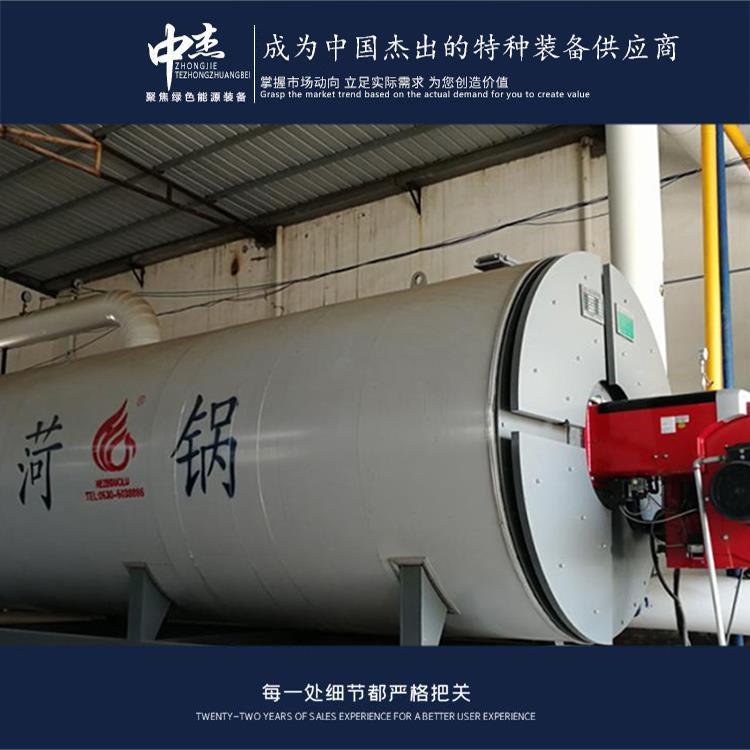

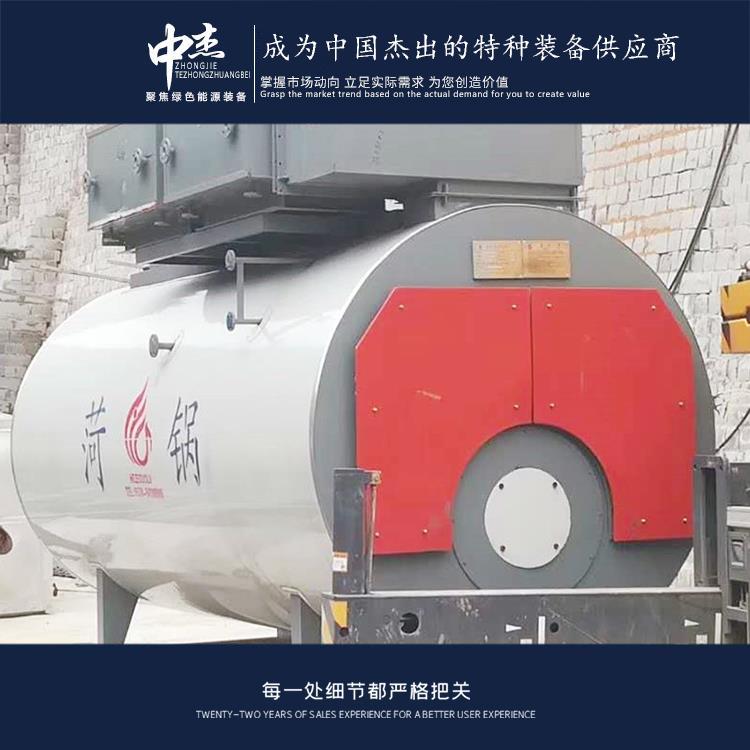
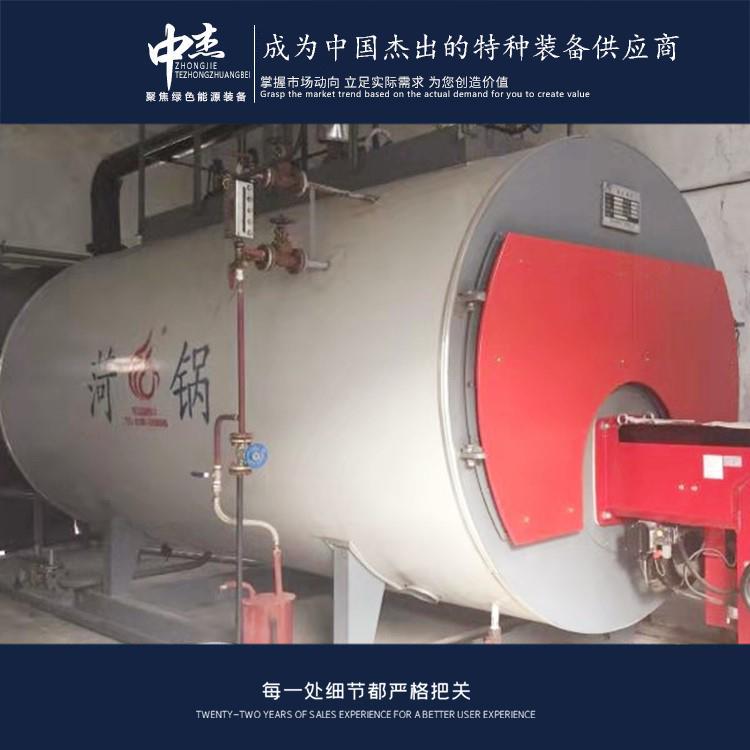


















Shandong Zhongjie Special Equipment (formerly Heze Boiler Factory Co., Ltd.) holds an A-grade boiler manufacturing license, an A2-grade pressure vessel manufacturing license, an A2-grade pressure vessel design license, a B-grade boiler installation license, and GB2/Class, GC2/Class pressure pipeline installation licenses, as well as an electromechanical equipment installation contracting qualification. It is a member of the China Boiler and Water Treatment Association, the China Chemical Equipment Association, and the council member of the Shandong Equipment Manufacturing Association. The company has also passed the ISO9001 Quality Management System, ISO14001 Environmental Management System, OHSAS18001 Occupational Health and Safety Management System certifications, and the American ASME/U2 certification.
When selecting a thermal oil furnace for the rubber industry, pay attention to the following aspects:
Temperature Requirements: Determine the required working temperature range based on the process needs of the rubber industry. Ensure the thermal oil furnace can stably provide the necessary working temperature.
Thermal Load: Calculate the required thermal load based on the production scale and process requirements of the rubber industry. Ensure the thermal load of the selected furnace meets the industry's needs.
Thermal Efficiency: The thermal efficiency of the thermal oil furnace directly affects energy consumption and operating costs. Consider the thermal efficiency and choose energy-saving products when selecting a furnace.
Safety: The safety of the thermal oil furnace is crucial. Choose a furnace with comprehensive safety protection devices and an automatic control system to ensure safe and reliable operation.
Maintenance: Proper maintenance is crucial for extending the lifespan and ensuring normal operation of the thermal oil furnace. Consider the ease and cost of maintenance when selecting a furnace.
Manufacturer's Reputation: Choose a thermal oil furnace manufacturer with a good reputation and extensive experience to ensure product quality and reliable after-sales service.
Cost-Effectiveness: Consider the price, energy consumption, and maintenance costs of the thermal oil furnace when choosing a product with good cost-effectiveness.
When purchasing a thermal oil furnace, it is recommended to consult and communicate with heating equipment suppliers or engineers, select based on specific needs, and adhere to relevant industry standards and regulations.
Industrial Boiler Thermal Deaeration is a commonly used deaeration method, featuring:
- Deaeration: Thermal deaeration involves heating the boiler feed water to release dissolved oxygen from the water using heat. As the water temperature increases during the thermal deaeration process, the solubility of oxygen decreases, allowing for the effective removal of oxygen from the water.
- No Chemicals Required: Unlike other deaeration methods, thermal deaeration does not require chemicals, thus avoiding environmental pollution and equipment corrosion caused by chemicals. It also reduces operational costs and complexity.
- Automated Control: Thermal deaeration can be achieved through an automated control system, which automatically adjusts the feed water temperature and flow based on the boiler's operating status and water quality to achieve optimal deaeration.
- Wide Application Range: Thermal deaeration is suitable for various types of industrial boilers, including coal-fired, gas-fired, and oil-fired boilers. Whether it's a small or large boiler, thermal deaeration can be used for deaeration treatment.
- Improve Boiler Efficiency: Removing dissolved oxygen from the water can reduce corrosion and oxidation reactions within the boiler, extending its lifespan. Additionally, reducing oxygen levels can enhance the boiler's thermal efficiency and lower energy consumption.
- Note: While thermal deaeration effectively removes oxygen from the water, it may not address other water quality issues such as hardness and alkalinity, which may require alternative water treatment methods. Therefore, in practical applications, it's crucial to consider water quality characteristics and boiler requirements to select the appropriate deaeration method.
Potential operational issues with the fuel system of a thermal oil furnace include:
- Inadequate fuel quality: Using low-quality or contaminated fuel can cause problems with the fuel system. For instance, the presence of impurities, water, or excessive fuel can lead to clogging of fuel pumps, nozzles, and burners, affecting fuel supply and combustion efficiency.
- Unregular cleaning or replacement of the fuel filter: The fuel filter's purpose is to filter out impurities and particles from the fuel to prevent them from entering the fuel system. If the fuel filter is not cleaned or replaced regularly, it can become clogged, affecting fuel flow and supply.
- Improper adjustment of the fuel pump: Proper adjustment of the fuel pump is crucial for maintaining stable fuel supply volume and pressure. Incorrect adjustment can result in either excessive or insufficient fuel supply, leading to incomplete combustion or insufficient fuel supply, affecting the furnace's temperature and thermal efficiency.
- Clogging or wear of the fuel nozzle: The fuel nozzle is a critical component that atomizes and injects fuel into the furnace. If the nozzle is clogged or worn, it can cause uneven fuel喷射 or incorrect injection angles, affecting combustion efficiency and thermal output.
- Inadequate fuel preheating: Fuel needs to be preheated before entering the burner to enhance combustion. Insufficient preheating can increase fuel viscosity, affecting its flow and injection performance.
- Fuel system oil leaks: The sealing integrity of the fuel system is essential for stable fuel supply. Oil leaks in the fuel system can lead to fuel supply instability.
In addressing issues with gas boilers during the heating process, consider the following aspects:
- Check gas supply: Ensure the gas supply is normal and inspect for any blockages or leaks in the gas pipeline. If issues are found, repair or replace the gas pipeline promptly.
- Clean burners and combustion chambers: Regularly clean burners and combustion chambers to remove accumulated ash and dirt. This improves combustion efficiency and reduces gas waste.
- Check and adjust the gas-to-air ratio: Ensure the gas-to-air ratio is appropriate for optimal combustion. An incorrect ratio can lead to incomplete combustion or excessive exhaust emissions.
- Inspect and clean heat exchangers: Regularly inspect and clean heat exchangers to remove ash and dirt. This enhances heat exchange efficiency and ensures heat is effectively transferred to the heating system.
- Check and maintain circulating pumps and valves: Ensure circulating pumps and valves operate properly to allow smooth flow of hot water or steam into the heating system.
- Inspect and maintain control systems: Ensure the gas boiler's control system operates correctly, with accurate control over parameters such as temperature, pressure, and flow. If problems arise, repair or replace the controller promptly.
- Regular maintenance: Conduct regular maintenance on gas boilers, including cleaning, lubricating, and tightening bolts. This extends the boiler's lifespan and reduces the occurrence of malfunctions.
- Training and awareness: Provide employee training to enhance awareness of operating and maintaining gas boilers. Improved knowledge and skills among staff aid in effective management and problem-solving during the heating process.
- If issues cannot be resolved or safety concerns arise:
Shandong Zhongjie Special Equipment, welcome customers to our factory for business discussions.
WeChat Official Account

Scan to follow Official Account



















