





















Shandong Zhongjie Special Equipment Co., Ltd. specializes in the following products: fuel (gas) boilers, organic heat carrier boilers, biomass boilers, waste heat recovery boilers, and other boiler products; vacuum insulation cryogenic pressure vessels such as LNG storage tanks, oxygen/nitrogen/argon storage tanks, and CO2 storage tanks; pressure vessel products including denitrification engineering equipment, heat storage and energy storage equipment, and complete chemical equipment sets; central air conditioning and HVAC equipment such as ground (water) source heat pumps, air source units, water-cooled screw units, and air-cooled modular units. Planned products include large-scale energy centers, LNG transport vehicles, LNG tank containers, and other green energy equipment.
The main benefits of installing expansion tanks in a heat transfer oil furnace include:
- Alleviating thermal expansion and contraction: During operation, the heat transfer oil furnace experiences thermal expansion and contraction due to temperature changes. The expansion tank provides space for the oil to expand, mitigating the impact of thermal expansion and contraction on equipment and pipelines, and avoiding stress concentration and equipment deformation caused by these effects.
- Protecting equipment and pipelines: The expansion tank absorbs the expansion and contraction of the heat transfer oil, reducing impact and vibration on equipment and pipelines. This helps to extend the service life of equipment and pipelines, and decrease the frequency of maintenance and replacements.
- Reducing leakage risk: The expansion tank provides a sealed space, minimizing the risk of heat transfer oil leakage. When the oil expands, excess can be accommodated through the expansion tank, preventing leaks and environmental pollution.
- Facilitating maintenance and repairs: The presence of the expansion tank makes maintenance and repairs of the heat transfer oil furnace system easier. When equipment or pipelines need to be repaired or replaced, the flow and shutdown of the heat transfer oil can be controlled through the expansion tank, reducing downtime and the difficulty of maintenance.
In summary, the expansion tank plays a role in alleviating thermal expansion and contraction, protecting equipment and pipelines, reducing leakage risk, and facilitating maintenance and repairs in the heat transfer oil furnace system. It is an important design element that contributes to the safety and reliability of the system.
To reduce the operational costs of gas-fired boilers, consider the following aspects:
- Combustion System: Ensure the stability of the combustion system in the gas-fired boiler. Regularly inspect and maintain the burner, clean the nozzles and combustion chamber, adjust the ratio of gas to air to enhance combustion efficiency and reduce gas waste.
- Energy-Saving Control System: Install and use energy-saving control systems, such as smart thermostats and timers. These systems can automatically adjust the boiler's operating status based on actual needs, avoiding unnecessary energy waste.
- Regular Maintenance: Conduct regular maintenance on gas-fired boilers, including cleaning heat exchangers, inspecting and replacing seals, and clearing gas pipes. Maintain the boiler's normal operating condition to reduce energy loss and the occurrence of malfunctions.
- Heat Recovery: Consider installing heat recovery devices such as waste heat recovery units or flue gas heat exchangers. These devices can utilize the excess heat from the flue gas emitted by the gas-fired boiler to heat water or other equipment requiring heat, improving energy utilization efficiency.
- Pipe Insulation and Leak Inspection: Ensure that the insulation of gas and hot water pipes is effective to reduce energy loss. Regularly check for pipe leaks and repair them promptly to avoid energy waste and safety hazards.
- Energy Management and Monitoring: Establish an effective energy management system to monitor and analyze the energy consumption of gas-fired boilers. Through data analysis and optimizing operating strategies, identify energy-saving potential and areas for improvement.
- Training and Awareness: Provide employee training to enhance awareness of operating and maintaining gas-fired boilers. Improved knowledge and skills among employees contribute to better management and operation of the boilers, thereby reducing operational costs.
By considering these factors comprehensively, you can effectively reduce the operational costs of gas-fired boilers.
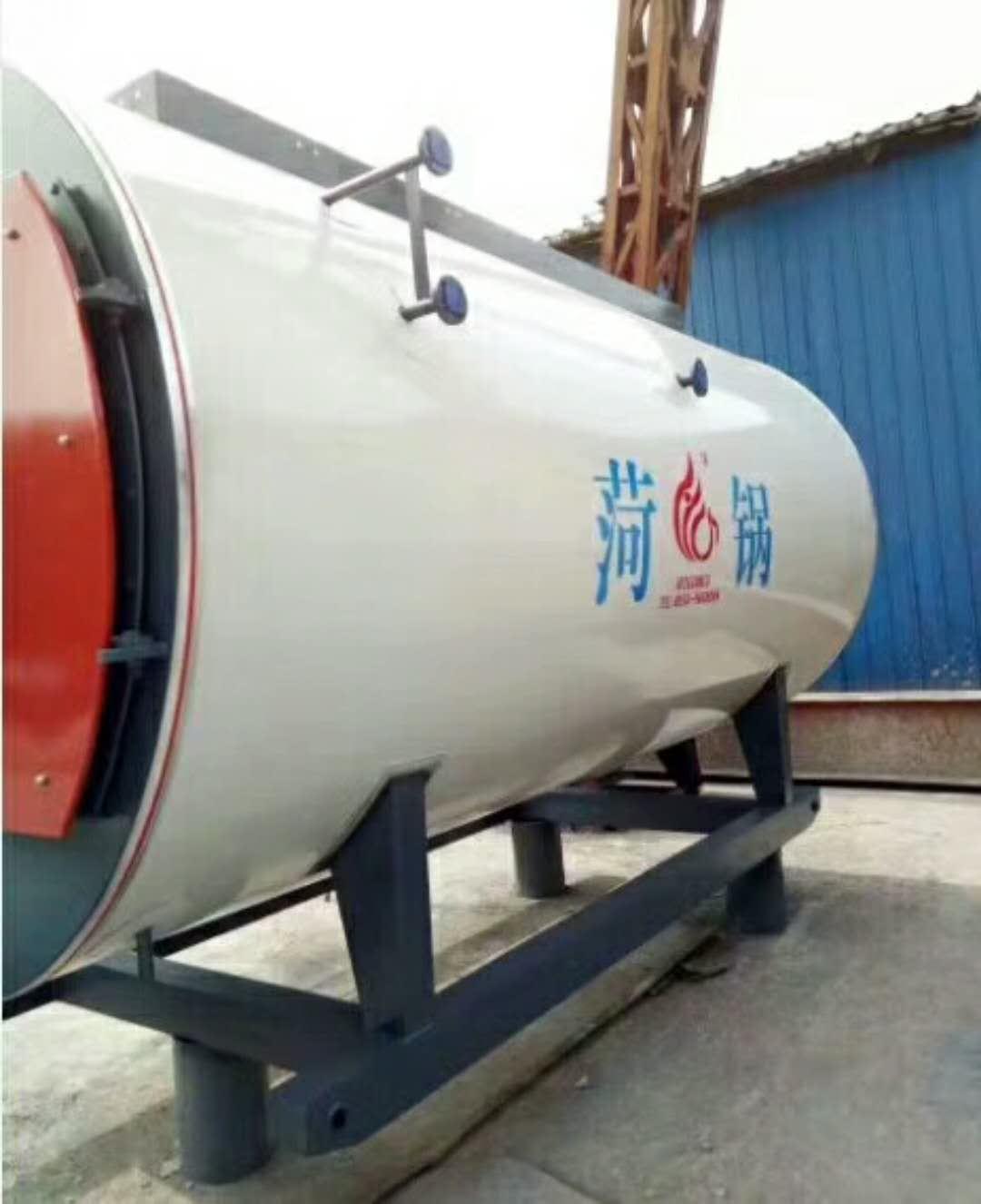
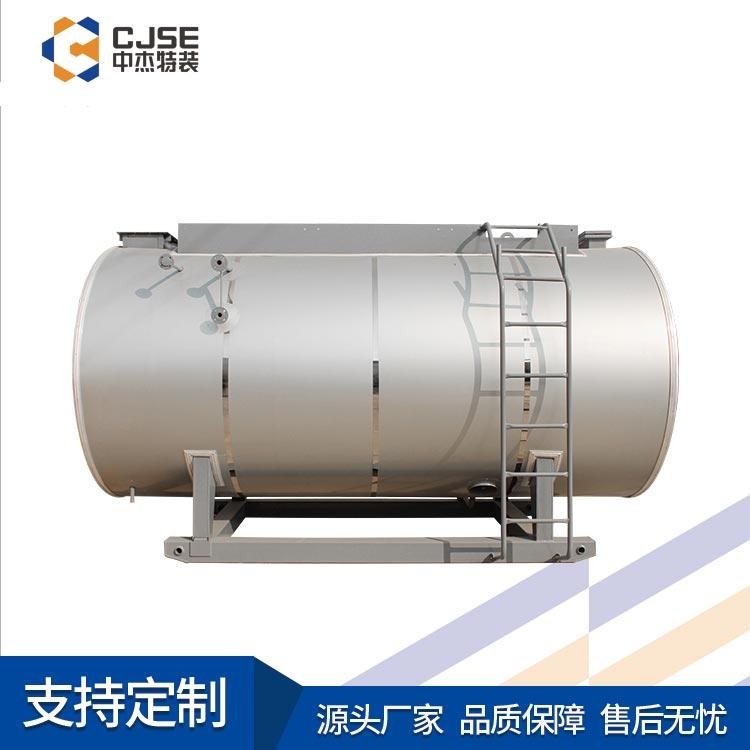
A gas thermal oil boiler is a device that uses gas as fuel to heat thermal oil through the heat energy produced by combustion. Here are some basic facts about gas thermal oil boilers:
Operating Principle: The working principle of a gas thermal oil boiler involves mixing gas with air, burning it to produce high-temperature flue gas. This flue gas is then passed through the flue and heat exchanger to exchange heat with the thermal oil, transferring heat energy to the oil and causing it to rise in temperature. The thermal oil circulates within the boiler, transferring heat energy to the equipment or process that requires heating.
Thermal Oil: The thermal oil used in gas thermal oil boilers is typically an organic heat carrier, such as mineral oil or synthetic oil. This oil has high thermal conductivity and stability, allowing it to operate stably at high temperatures and transfer heat energy to the heated equipment.
Gas Combustion System: Gas thermal oil boilers are equipped with a gas combustion system, including burners, gas supply systems, and control systems. The burners mix gas with air and burn it to produce heat energy. The gas supply system provides the gas and adjusts the supply quantity as needed. The control system monitors and controls the combustion process to maintain a stable operating state.
Safety Protection Devices: Gas thermal oil boilers are equipped with various safety protection devices to ensure safe operation of the equipment. Common safety devices include overheat protection, overpressure protection, and water level protection. These devices monitor and control the boiler's operating status to prevent equipment damage and accidents.
Application Fields: Gas thermal oil boilers are widely used in industrial sectors such as chemicals, textiles, food processing, and papermaking. They can provide stable high temperatures for various applications.
To achieve sensitive and energy-efficient gas hot water boilers, the following measures can be taken:
Regular maintenance and cleaning: Schedule regular maintenance and cleaning of the gas hot water boiler, including cleaning the burner, flue, and heat exchanger components. This ensures the efficiency of the combustion process and heat transfer, reducing energy waste.
Intelligent control system: Install an intelligent control system to automatically regulate and optimize the operation of the gas hot water boiler through temperature and pressure control. The intelligent control system can adjust the burner's operating status based on actual needs, avoiding excessive heating and energy waste.
Energy-saving equipment and technology: Utilize energy-saving equipment and technology, such as heat recovery units and flue gas waste heat utilization systems. These devices and technologies can recover and utilize the waste heat from the flue gas emitted by the gas hot water boiler, enhancing energy utilization efficiency.
Water quality management: Manage the water quality of the gas hot water boiler rationally to prevent the accumulation of scale and dirt. Scale and dirt reduce the heat exchanger's heat transfer efficiency and increase energy consumption. Regular water quality testing and treatment help maintain clean water quality, contributing to improved boiler energy efficiency.
Good insulation and sealing: Ensure the boiler's good insulation and sealing performance. The selection and maintenance of insulation materials, as well as the sealing of pipes and valves, can reduce heat loss and enhance the boiler's energy efficiency.
Regular monitoring and optimization: Regularly monitor the operation of the gas hot water boiler, analyze energy consumption and efficiency indicators. Based on the monitoring results, make optimization adjustments to improve the boiler's energy efficiency.
By applying these measures comprehensively, gas hot water boilers can achieve sensitive energy efficiency, enhancing energy utilization.
Shandong Zhongjie Special Equipment, welcome customers to our factory for business talks.
WeChat Official Account

Scan to follow Official Account



















