


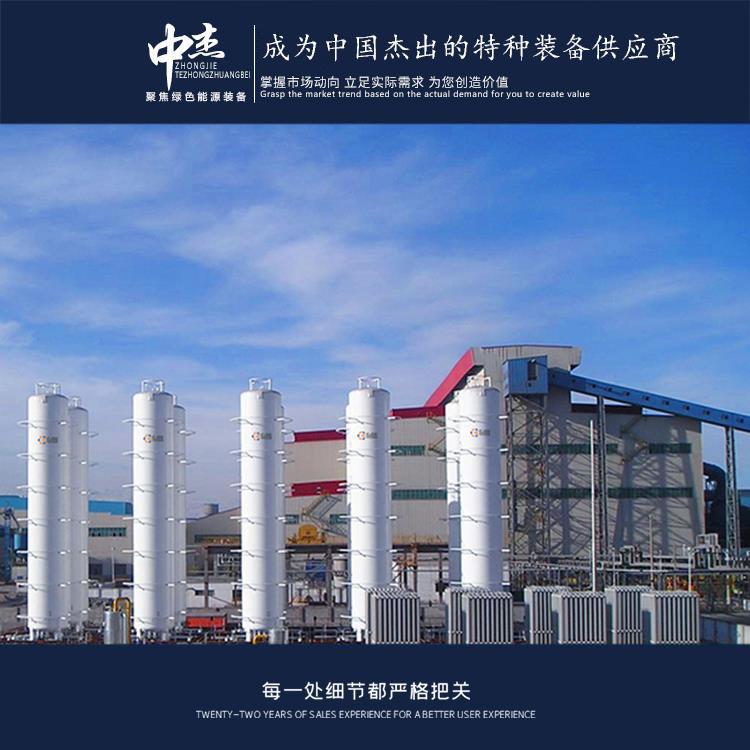

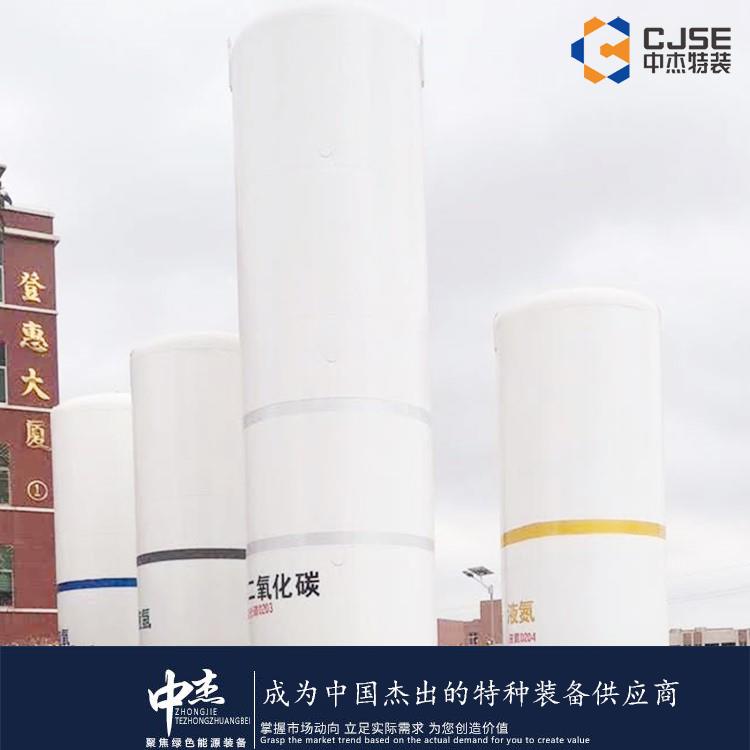
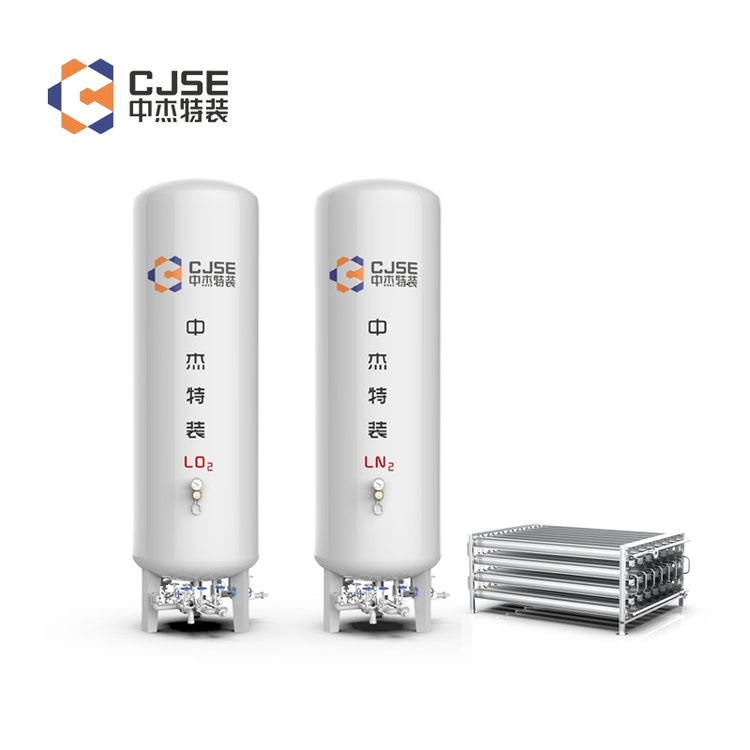


















Shandong Zhongjie Special Equipment's main products include: fuel (gas) boilers, organic heat carrier boilers, biomass boilers, waste heat recovery boilers, and other boiler products; vacuum insulation cryogenic pressure vessels such as LNG tanks, oxygen/nitrogen/argon tanks, and CO2 tanks; pressure vessel products like denitrification engineering equipment, heat storage and energy storage equipment, and complete chemical equipment; central air conditioning and HVAC equipment such as ground (water) source heat pumps, air source units, water-cooled screw units, and air-cooled modular units. Planned products include large-scale thermal energy centers, LNG transport vehicles, LNG tank containers, and other green energy equipment.
When selecting welding materials for pressure vessels, several factors should be considered:
Material Matching: The selection of welding materials should be matched with the base material of the pressure vessel to ensure the strength and corrosion resistance of the weld joint. Common matches include carbon steel welding materials with carbon steel base materials, stainless steel welding materials with stainless steel base materials, etc.
Strength requirements: Select welding materials with sufficient strength based on the design requirements and working conditions of the pressure vessel. The strength of the welding materials should match the base material to ensure that the strength of the weld joint does not become a weakness of the vessel.
Corrosion Resistance: Select welding materials with good corrosion resistance based on the working environment and medium of the pressure vessel. For example, pressure vessels operating in corrosive media may require the selection of stainless steel welding materials with superior corrosion resistance.
Welding Performance: The selection of welding material should consider its welding performance, including penetration depth, weld bead shape, crack resistance, etc. The choice of welding material should meet the requirements of the welding process and ensure the quality of the weld joints.
Relevant Standards and Regulations: When selecting welding materials, refer to the relevant standards and regulations, such as the ASME Boiler and Pressure Vessel Code, AWS (American Welding Society) standards, etc. These standards and regulations provide guidance and requirements for the selection of welding materials.
It should be noted that the selection of welding materials should be made by a welding engineer or a qualified welder. They can choose the appropriate materials based on specific application requirements, working conditions, and safety standards, in conjunction with relevant specifications and regulations. Additionally, manufacturers and suppliers often provide recommendations and technical support for welding material selection.
Liquid argon storage tanks are equipment used for storing and transporting liquid argon. Their applications and characteristics are as follows:
Application Scope:
Industrial Applications: Liquid argon storage tanks are widely used in various industrial fields, such as metal processing, electronic manufacturing, semiconductor production, and more.
Applications: Liquid argon tanks are used in the field for cryogenic preservation of biological samples, cells, tissues, and vaccines.
Laboratory Applications: Liquid argon tanks are used in scientific research laboratories for low-temperature experiments, cryopreservation, and sample processing, etc.
Features:
Low-temperature performance: As the boiling point of liquid argon is -185.7°C, liquid argon storage tanks must have excellent low-temperature insulation properties to maintain the低温 state of the liquid argon.
High sealing performance: Liquid argon storage tanks must have excellent sealing capabilities to prevent evaporation loss of liquid argon and the entry of external air.
Safety: Liquid argon is a flammable and explosive substance, thus the liquid argon storage tank must be equipped with safety valves, leak detectors, and other safety devices to ensure safe operation.
High Capacity: The capacity of liquid argon storage tanks ranges from a few liters to several thousand liters, allowing for selection of an appropriate capacity to meet your needs.
Cautionary Notes:
Protective Gear: When handling liquid argon tanks, it is mandatory to wear appropriate protective gear, including gloves, protective clothing, and non-slip shoes, to safeguard against the low temperatures of liquid argon and other hazards.
Ventilation Requirements: Please specify.
Oxygen storage tanks and liquid oxygen storage tanks are equipment used for storing oxygen, but they have some distinctions: Storage form: Oxygen storage tanks are typically used for storing gaseous oxygen, whereas liquid oxygen storage tanks are used for storing liquid oxygen. Oxygen is in a gaseous state at room temperature but can be cooled to a liquid state at low temperatures for more efficient storage and use. Storage pressure: Oxygen storage tanks usually store high-pressure oxygen, with pressures generally around 200-300 bar. Liquid oxygen storage tanks store liquid oxygen at lower pressures, typically around 2-5 bar. Storage capacity: Oxygen storage tanks generally have smaller capacities, suitable for personal or small-scale use. Liquid oxygen storage tanks have larger capacities, suitable for industrial or large-scale applications. Storage method: Oxygen storage tanks store oxygen in a gaseous form, via compressed gas storage. Liquid oxygen storage tanks store oxygen in a liquid form, converting it to a liquid state by cooling it below its boiling point. Safety requirements: Due to the high oxidizing nature of liquid oxygen, liquid oxygen storage tanks require stricter safety requirements in design and use. Liquid oxygen storage tanks usually need to have good thermal insulation, leak control, and fire prevention measures to ensure safe operation. It is important to note that the specific design and specifications of oxygen storage tanks and liquid oxygen storage tanks may vary depending on different regions and application sites. When using these tanks, it is necessary to follow applicable regulations, standards, and safety guidelines, and to cooperate with local regulatory authorities and personnel to ensure the safety and reliability of the tanks.
To extend the service life of low-temperature liquid storage tanks, the following measures can be taken:
Regular Inspections and Maintenance: Conduct regular visual inspections of the tank, including the shell, welds, valves, and connections. Check for any abnormal conditions such as cracks, corrosion, or deformation, and promptly repair or replace damaged parts.
Maintain the insulation layer: Insulation is crucial for the thermal preservation of low-temperature liquid storage tanks. Regularly inspect the integrity and insulation performance of the insulation layer, repair or replace damaged insulation materials to ensure the tank's insulation effectiveness.
Control Temperature and Pressure: The temperature and pressure of low-temperature liquid storage tanks should be maintained within a safe range. Avoid extremes of temperature and pressure that could damage the tank. Implement appropriate cooling or heating measures to ensure stable temperature and pressure of the liquid.
Corrosion Protection: The outer shell and internal structure of the storage tank should be protected against corrosion and oxidation. Regularly inspect and maintain the protective coating to ensure it remains intact.
Avoid excessive pressure and overfilling: Prevent the internal pressure of the tank from being too high or too low, as well as overfilling with liquid. Excessive pressure and overfilling can lead to structural cracks or damage to the tank.
Regular cleaning and draining: Regularly clean the interior of the tank to remove accumulated impurities and dirt. Regularly drain to prevent damage to the tank from impurities and sediments in the liquid.
Safety Operations and Training: Ensure operators are knowledgeable and skilled in the safe handling of cryogenic liquid storage tanks. Enhance safety training to boost operators' awareness and emergency response capabilities.
Manage records and documents: Establish comprehensive management records and documents, including the usage status of storage tanks.
Zhongjie Special Equipment adheres to the grand vision of "realizing employees' dreams, creating value for customers, and striving for the prosperity and strength of our motherland," and is dedicated to the development of the green energy equipment industry. We commit to society with high-quality, cost-effective products and services!
WeChat Official Account

Scan to follow Official Account



















