


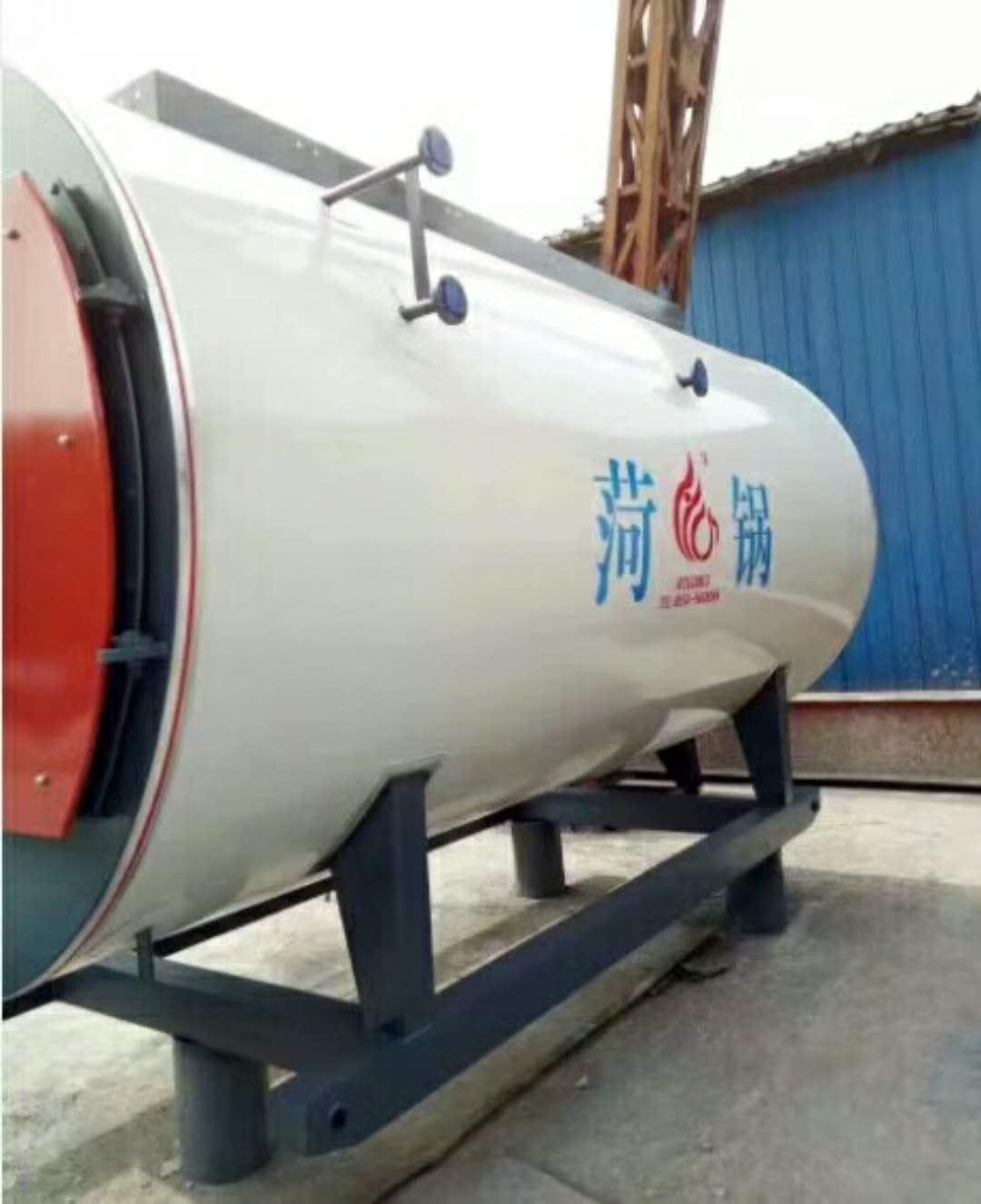

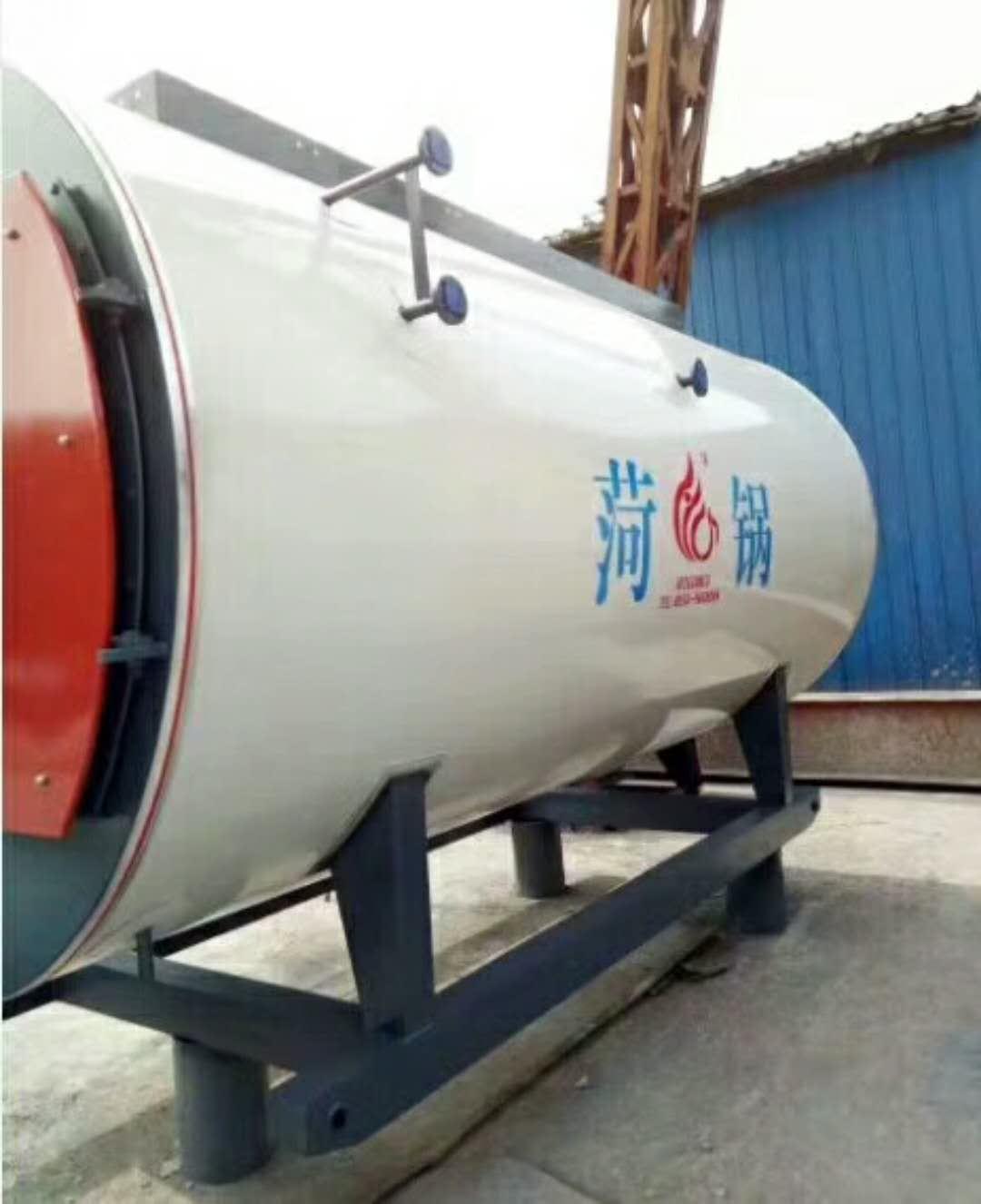


















Shandong Zhongjie Special Equipment (formerly Heze Boiler Factory Co., Ltd.) holds an A-grade boiler manufacturing license, an A2-grade pressure vessel manufacturing license, an A2-grade pressure vessel design license, a B-grade boiler installation license, and GB2/Class and GC2/Class pressure pipeline installation licenses, as well as a mechanical and electrical equipment installation contracting qualification. It is a member of the China Boiler and Water Treatment Association, the China Chemical Equipment Association, and the council member of the Shandong Equipment Manufacturing Association. The company has also passed the ISO9001 Quality Management System, ISO14001 Environmental Management System, OHSAS18001 Occupational Health and Safety Management System certifications, and the American ASME/U2 certification.
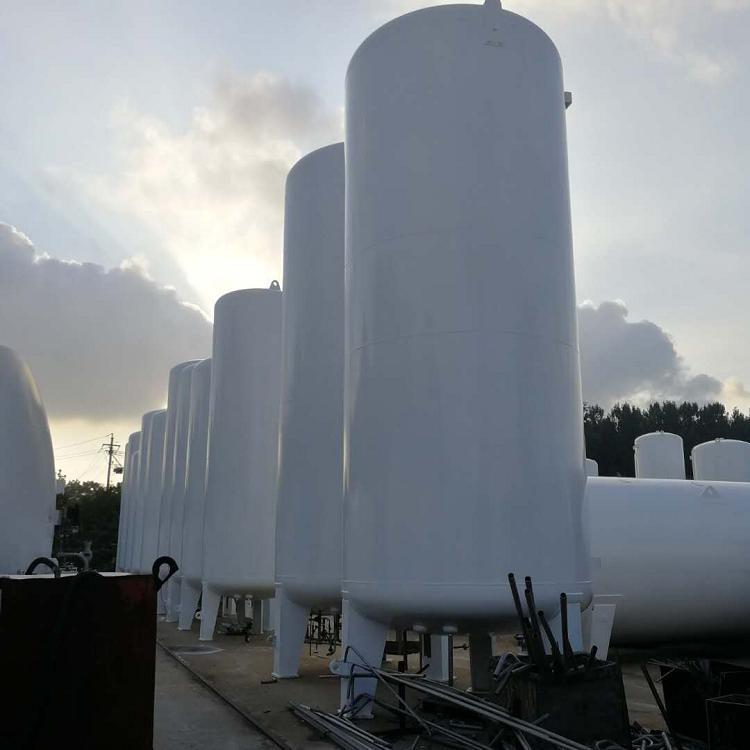
Proper management regulations for the use of low-temperature liquid storage tanks encompass the following aspects:
Tank Selection and Installation: Choose an appropriate low-temperature liquid storage tank and ensure it complies with relevant standards and regulations. Installation of the tank should be carried out by personnel, following the manufacturer's instructions and requirements to ensure stability and safety.
Safety Operating Procedures: Establish and implement safety operating procedures for liquid storage tanks, including start-up, shutdown, filling, and venting operations. Operators must receive training to understand the characteristics of liquid storage tanks, safety precautions, and emergency response measures.
Safety Equipment and Protective Measures: Tanks should be equipped with necessary safety devices, such as pressure sensors, safety valves, and leak detectors, to monitor and control the pressure and temperature of the tank. Additionally, operators should wear appropriate personal protective equipment, like insulated gloves and protective suits, to ensure their safety.
Regular Inspections and Maintenance: Conduct regular inspections and maintenance on low-temperature liquid storage tanks, including checking the tank's appearance, sealing, and corrosion prevention measures. In case of any issues, promptly repair or replace the tank to ensure its proper operation and safety.
Waste Management: Abandoned low-temperature liquid storage tanks should be disposed of in accordance with relevant environmental protection regulations. The residual liquids in the abandoned tanks should be properly handled to prevent environmental pollution.
Tank Records and Tracking: Establish tank usage records, including filling dates, quantities, and usage status. Additionally, it is recommended to set up a tank tracking system for monitoring and managing the usage and maintenance of tanks.
The above provides some common regulations for the management of low-temperature liquid storage tanks. Specific regulations may vary depending on the industry and region. When using low-temperature liquid storage tanks, it is essential to comply with relevant laws and standards and establish suitable management measures based on actual conditions.
When using a 50-cubic liquid oxygen storage tank, the following safety precautions should be noted:
Tank Pressure Control: Ensure the liquid oxygen pressure within the tank is consistently maintained within a safe range. Monitor and control the tank's pressure to avoid risks from excessive or insufficient pressure.
Leakage and Fire Prevention: Regularly inspect the seals of tanks and related pipelines to prevent oxygen liquid leakage. Oxygen liquid is highly flammable, and fire prevention measures must be implemented to ensure no ignition sources are present around the tank.
Explosion Prevention Measures: Oxygen in the liquid oxygen tank may cause an explosion upon contact with flammable substances. Ensure there are no flammable items around the tank and implement explosion prevention measures, such as explosion-proof electrical equipment and static grounding.
Safety Valves and Discharge Systems: Storage tanks should be equipped with safety valves and discharge systems to prevent overpressure conditions. Ensure the proper operation of the safety valves and the unobstructed flow of the discharge systems.
Routine Maintenance and Inspection: Regularly maintain and inspect the storage tanks, including cleaning, coating protection, and anti-corrosion treatment. Ensure the structural integrity and safety of the tanks.
Safety Operations and Training: Operators must undergo relevant safety training, familiarize themselves with the safety operating procedures for liquid oxygen tanks and emergency response measures. Adhere to correct operational steps to ensure safe operation.
Environmental Monitoring: Regularly monitor environmental parameters such as oxygen concentration and temperature around the storage tanks to ensure safety.
Emergency Preparedness: Develop an emergency response plan including measures for leaks, fires, and explosions. Equip with appropriate emergency equipment and firefighting tools to handle unexpected incidents.
Above are some safety issues to be aware of when using a 50-cubic-liter liquid oxygen storage tank. To ensure safety, it is recommended to follow relevant safety regulations and operational guidelines, and seek assistance and guidance from experts when necessary.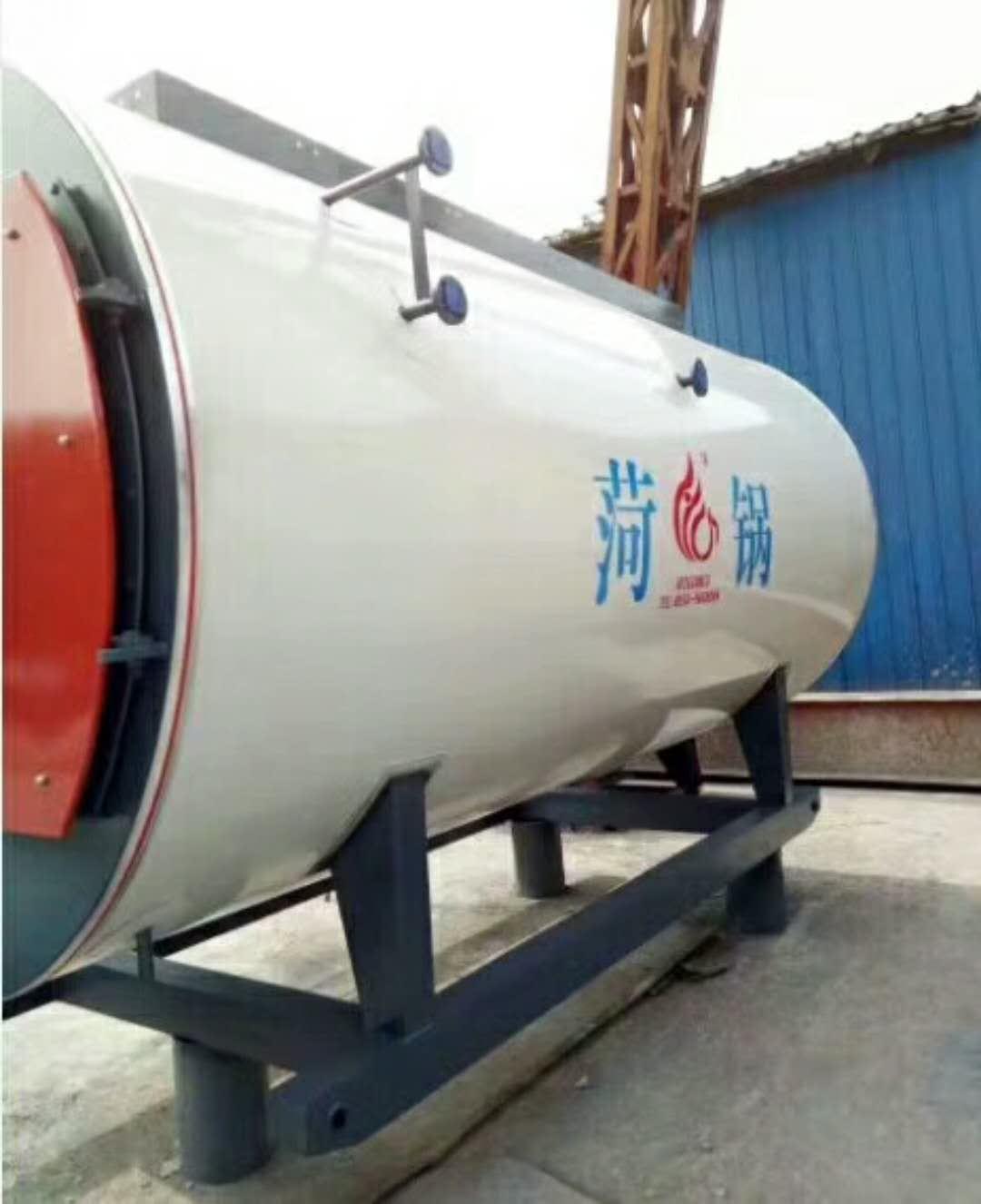
Operation procedures for liquid oxygen tanks should be established based on the specific tank design and usage requirements. The following are some common contents of general operation procedures for liquid oxygen tanks:
- Operator Training: Ensure operators have received relevant training on liquid oxygen tanks, understanding the tank's structure, performance, operation procedures, and safety precautions.
- Safety Inspections: Conduct necessary safety checks before operating the liquid oxygen tank, including inspecting the tank's integrity, valve and pipeline sealing, and the condition of the insulation layer.
- Liquid Oxygen Supply: Ensure the liquid oxygen supply system is functioning normally, including checking the status of the supply pipelines, valves, and pressure gauges, and ensuring an adequate supply of liquid oxygen.
- Tank Pressure Control: Monitor the pressure in the liquid oxygen tank to ensure it is within a safe range. If necessary, control the tank pressure by adjusting the pressure valve or pressure relief device.
- Leak Control: Regularly inspect the tank and pipeline sealing to ensure there are no leaks. If a leak is detected, take immediate action to control the leak and notify relevant personnel.
- Fire Prevention Measures: Prohibit open flames and prevent sparks and high-temperature objects from contacting the tank. Establish fire prevention facilities and fire extinguishing equipment, and conduct regular inspections and maintenance.
- Safety Distance: Maintain a certain safety distance around the liquid oxygen tank to prevent the spread of fires, explosions, and leaks.
- Maintenance and Repair: Regularly perform maintenance and repairs on the tank, including cleaning the tank, inspecting the insulation layer, valves, and pipeline conditions, to ensure normal operation.
- Waste Disposal: Properly dispose of waste generated by liquid oxygen tanks, including residual liquid oxygen, exhaust, and wastewater, in accordance with relevant environmental protection regulations and standards.
Note that operation procedures for liquid oxygen tanks should be established based on the specific tank design and usage requirements, and should comply with applicable regulations, standards, and safety guidelines. When operating liquid oxygen tanks, cooperation with local regulatory agencies and individuals should be ensured to guarantee the safety and reliability of the tanks.
The medical oxygen steel cylinder filling area, in addition to the liquid oxygen storage tank, includes the following components:
Oxygen Compressor: Oxygen compressors are used to compress gaseous oxygen into high-pressure oxygen. These compressors are typically made with special materials and designs to ensure safe handling and compression of oxygen.
Oxygen Purification System: The oxygen purification system is designed to remove impurities and contaminants from oxygen, ensuring the purity and quality of the supplied oxygen. The system typically includes filters, adsorbents, and molecular sieves.
Oxygen Storage System: In addition to liquid oxygen tanks, the oxygen filling area may also include a gaseous oxygen storage system for temporary storage and supply of gaseous oxygen. The gaseous oxygen storage system typically consists of high-pressure oxygen cylinders or gas storage tanks.
Filling Equipment: Filling equipment is used to transfer oxygen from liquid oxygen storage tanks or gaseous oxygen storage systems into medical oxygen steel cylinders. The filling equipment typically includes filling machines, filling pipelines, and filling control systems.
Oxygen Quality Monitoring System: The oxygen quality monitoring system is used for monitoring the quality and purity of oxygen being filled. Quality checks and monitoring are conducted on the filled oxygen through an oxygen analyzer or other detection equipment.
Safety Facilities: The filling plant area should be equipped with corresponding safety facilities, such as fire alarm systems, oxygen leak detection systems, and ventilation systems, to ensure the safety and protective measures during the filling process.
It is essential that the design and equipment configuration of the medical oxygen cylinder refilling facility comply with relevant regulations, standards, and specifications. During the refilling process, strict adherence to operational procedures and safety requirements must be maintained to ensure the safe supply of oxygen.
ZJ Special Equipment upholds the grand vision of "realizing employees' dreams, creating value for customers, and striving for the prosperity and strength of our motherland," and is dedicated to the development of the green energy equipment industry. We offer society products and services with high cost-performance!
WeChat Official Account

Scan to follow Official Account



















